
Have you ever come across the term HVAC/R and wondered what it really means? If you’re curious about how your heating, cooling, and refrigeration systems work, understanding this acronym is the first step.
Knowing what HVAC/R stands for can help you make smarter choices for your home or business comfort. Stick with me, and by the end of this article, you’ll see these letters in a whole new light—and feel confident the next time you deal with your heating or cooling system.
Let’s dive in!
Hvac/r Breakdown
Understanding HVAC/R starts with breaking down each part of the term. It combines heating, ventilation, air conditioning, and refrigeration. Each plays a key role in controlling air quality and temperature inside buildings. This section explains what HVAC/R stands for and how its parts work together.
Meaning Of Hvac
HVAC stands for Heating, Ventilation, and Air Conditioning. Heating warms indoor spaces during cold weather. Ventilation brings in fresh air and removes stale air. Air conditioning cools the air and controls humidity. Together, they keep indoor environments comfortable and healthy.
Role Of Refrigeration
Refrigeration focuses on cooling and preserving food or other items. It removes heat from an enclosed space to lower the temperature. This process helps keep things fresh and safe. Refrigeration is essential in homes, stores, and industries.
Components Explained
- Heater:Produces warmth using gas, electricity, or oil.
- Ventilation system:Moves air in and out of rooms.
- Air conditioner:Cools air and reduces moisture.
- Refrigeration unit:Removes heat to cool enclosed spaces.
- Thermostat:Controls temperature by turning systems on or off.
- Ductwork:Channels air throughout the building.
Credit: www.trane.com
History And Evolution
The history and evolution of HVAC/R is a story of human comfort and innovation. It shows how people learned to control indoor climates. From early methods to modern machines, the journey reflects changes in technology and lifestyle.
Understanding this history helps us appreciate today’s HVAC/R systems. These systems keep homes and businesses cool, warm, and fresh. They improve health, productivity, and energy use worldwide.
Origins Of Hvac Systems
Ancient civilizations used simple ways to manage air and temperature. Egyptians and Romans designed buildings to stay cool in summer. They used natural ventilation, shade, and water features.
In the 19th century, engineers began designing mechanical systems. These systems controlled heating and cooling indoors. Early methods included steam heating and air circulation fans.
Advancements In Technology
Electricity changed HVAC systems. It powered fans, heaters, and air conditioners. Thermostats allowed automatic temperature control. This made buildings more comfortable and energy efficient.
New materials and designs improved system size and noise levels. Digital controls added precision and ease of use. Today, smart HVAC systems optimize energy use and comfort.
Refrigeration Milestones
Refrigeration is key to modern HVAC/R. The first artificial refrigeration appeared in the 1800s. Early refrigerants included toxic or flammable chemicals.
Safer refrigerants like Freon emerged in the 20th century. These helped air conditioning become common in homes and cars. New eco-friendly refrigerants now replace older types to protect the environment.
Types Of Hvac/r Systems
HVAC/R systems come in different types designed for specific needs and spaces. These systems control heating, ventilation, air conditioning, and refrigeration. Each type serves a unique purpose depending on the environment and size of the area.
Understanding these types helps in choosing the right system for comfort and efficiency. Below are the main categories of HVAC/R systems based on their application.
Residential Systems
Residential HVAC/R systems are made for homes and small living spaces. They focus on maintaining comfortable temperatures and good air quality. These systems often include:
- Furnaces or heat pumps for heating
- Air conditioners or split systems for cooling
- Ventilation units to improve indoor air
- Refrigerators and small freezers for food storage
These systems are usually compact and energy-efficient to suit daily home use.
Commercial Systems
Commercial HVAC/R systems support larger buildings like offices, shops, and schools. They handle more air volume and multiple zones. Features include:
- Central air conditioning and heating units
- Advanced ventilation to manage air quality
- Refrigeration for restaurants and supermarkets
- Control systems for easy temperature management
These systems are built for reliability and comfort in busy environments.
Industrial Applications
Industrial HVAC/R systems serve factories, warehouses, and manufacturing plants. They manage extreme conditions and large spaces. Key aspects include:
- Heavy-duty heating and cooling equipment
- Specialized ventilation for fumes and dust
- Large-scale refrigeration for storage and processes
- Custom systems tailored to specific industrial needs
These systems ensure safe and controlled environments for workers and products.
Credit: www.hvacr-world.com
How Hvac/r Works
HVAC/R systems control indoor comfort by managing temperature and air quality. These systems combine heating, ventilation, air conditioning, and refrigeration. Each part works together to create a comfortable environment inside homes and buildings. Understanding how HVAC/R works helps explain how it keeps spaces warm or cool.
Heating Process
The heating process starts with a furnace or heat pump. The system produces heat by burning fuel or using electricity. Warm air moves through ducts and vents into rooms. Thermostats control when the system turns on and off. This keeps the indoor temperature stable and comfortable.
Cooling Mechanism
Cooling happens through air conditioning units. These units remove heat from indoor air. A fan blows warm air over cold coils. The cooled air then spreads through ducts. This lowers the room temperature and reduces humidity.
Refrigeration Cycle
The refrigeration cycle moves heat from inside to outside. It uses a special fluid called refrigerant. The refrigerant absorbs heat as it changes from liquid to gas. Then, it releases heat when it turns back to liquid outside. This cycle repeats to keep indoor spaces cool all day.
Benefits Of Hvac/r
HVAC/R stands for Heating, Ventilation, Air Conditioning, and Refrigeration. It helps keep indoor air clean and comfortable all year round. This system improves air quality and controls temperature efficiently.
The Benefits of HVAC/R systems extend beyond just temperature control. These systems significantly enhance your living or working environment, making it more comfortable, efficient, and cost-effective. Whether you’re managing a business or maintaining a home, understanding these benefits can lead to smarter decisions and a better quality of life.Energy Efficiency
HVAC/R systems are engineered to be energy-efficient, which is a win for both the environment and your wallet. Modern systems use advanced technologies like variable speed motors and smart thermostats to optimize energy consumption. By maintaining the right temperature without unnecessary energy waste, they help reduce your carbon footprint and lower utility bills.Comfort And Air Quality
A well-designed HVAC/R system ensures a comfortable environment year-round. It regulates temperature and humidity levels, creating a pleasant atmosphere whether it’s scorching hot or freezing cold outside. Moreover, these systems improve indoor air quality by filtering out pollutants, allergens, and dust, which is crucial for your health and well-being.Cost Savings
Investing in an efficient HVAC/R system can lead to substantial cost savings over time. Reduced energy consumption translates to lower monthly bills. Additionally, regular maintenance and timely upgrades can prevent costly repairs and extend the lifespan of the system, maximizing your investment. By understanding these benefits, you can make informed decisions that enhance your comfort while being mindful of your budget and the environment. Are you ready to take the next step towards a more efficient and comfortable living space?Career Opportunities
Choosing a career in HVAC/R opens many doors. You can work in various roles that match your skills and interests. The field offers solid job stability and chances to grow as technology evolves.
Technician Roles
As an HVAC/R technician, you handle heating, ventilation, air conditioning, and refrigeration systems. Your tasks may include installation, maintenance, and repair.
Some technicians specialize in residential systems, while others focus on commercial or industrial settings. You might work indoors or outdoors, depending on the job.
Have you considered whether you prefer hands-on work or customer interaction? Both are common in this field, so choose what fits your style.
Certification Paths
Certifications prove your skills and boost your career chances. The EPA Section 608 certification is essential for handling refrigerants legally.
Other certifications include NATE (North American Technician Excellence) and HVAC Excellence. These show your expertise and commitment.
Many employers value certifications highly. Would investing time in these credentials make your job search easier?
Industry Demand
The HVAC/R industry continues to grow due to new building technologies and climate control needs. Skilled technicians are in demand across residential and commercial sectors.
Energy-efficient systems and environmental regulations create fresh opportunities. Staying updated with new tech can keep you competitive.
How will you keep your skills sharp as the industry changes? Ongoing learning is key to long-term success.
Common Terms And Acronyms
Understanding the language of HVAC/R can be daunting, especially with the myriad of terms and acronyms thrown around in the industry. If you’ve ever felt lost in a conversation about heating, ventilation, air conditioning, and refrigeration, you’re not alone. By familiarizing yourself with common terms, you’ll not only grasp the basics but also engage more confidently in discussions.
Key Hvac Acronyms
HVAC stands for Heating, Ventilation, and Air Conditioning, but that’s just the tip of the iceberg. Consider the acronym BTU, which stands for British Thermal Unit. It’s a measurement of energy that indicates how much heat an air conditioner can remove from a room per hour.
Then there’s SEER, or Seasonal Energy Efficiency Ratio. This number shows how efficiently an air conditioner operates over a typical cooling season. A higher SEER rating means better energy efficiency.
Refrigeration Terminology
In the world of refrigeration, terms can seem like a foreign language. Take the word ‘compressor’—it’s the heart of the refrigeration cycle, pumping refrigerant through the system. Without it, your fridge or AC wouldn’t cool at all.
Another term to know is ‘evaporator coil.’ This component absorbs heat from the air inside your home, helping to cool it down. Understanding these terms can make troubleshooting much easier.
Technical Jargon Simplified
Technical jargon can be intimidating, but breaking it down helps demystify HVAC/R systems. Consider the term ‘thermostatic expansion valve.’ This device regulates the flow of refrigerant into the evaporator, optimizing efficiency and performance.
Ever heard of ‘latent heat’? It’s the heat required to change the state of a substance without changing its temperature. In HVAC, it’s crucial for processes like dehumidification.
By familiarizing yourself with these terms, you gain a clearer understanding of how HVAC/R systems function. Do you have any stories where understanding these terms helped you in a conversation or problem-solving situation?
Maintenance Tips
Keeping your HVAC/R system in good shape saves money and boosts comfort. Regular care helps your unit run smoothly and last longer. Simple tasks can prevent costly repairs and improve air quality.
Regular Inspection
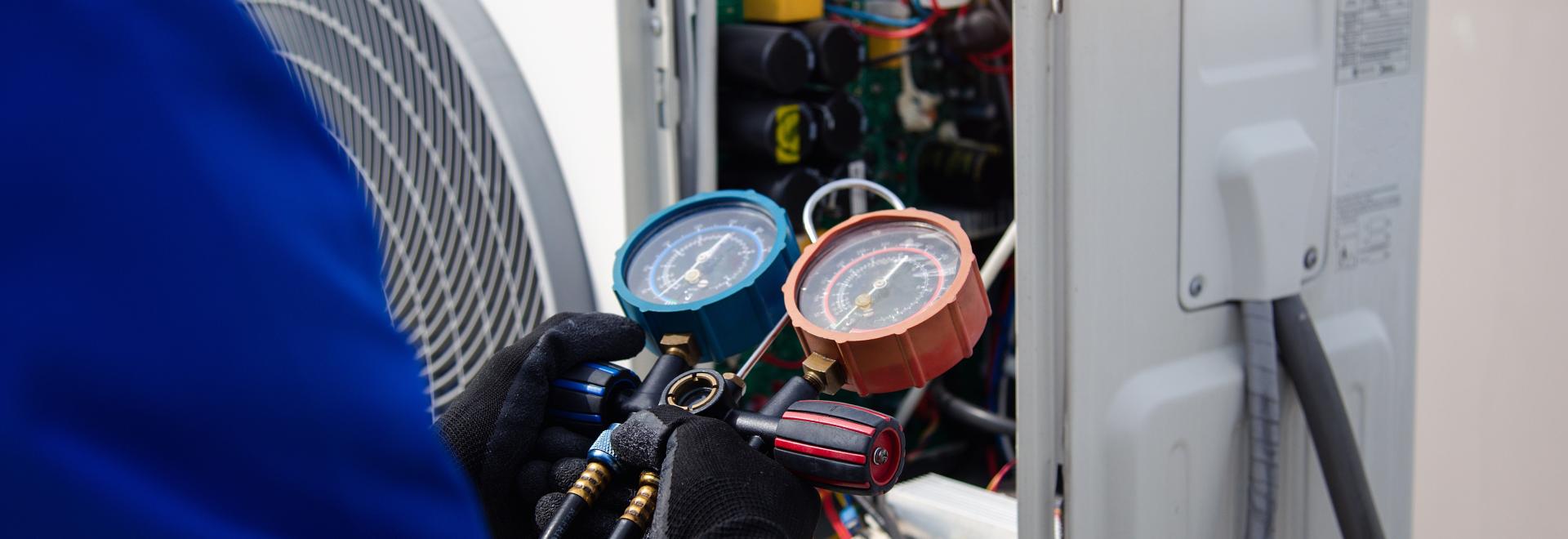
Check your HVAC/R system often to spot problems early. Look for leaks, strange noises, or unusual smells. Inspect electrical connections and clean coils if dirty. A quick visual check can avoid major breakdowns.
Filter Replacement
Replace filters every 1 to 3 months for cleaner air. Dirty filters reduce airflow and force the system to work harder. Choose the right filter size and type for your unit. Clean filters help keep energy bills low.
Troubleshooting Basics
Understand simple fixes before calling a technician. Reset the thermostat or check power switches if the system won’t start. Clear debris from outdoor units and check for ice buildup. Basic troubleshooting can restore system function fast.
Credit: www.pippinbrothers.com
Frequently Asked Questions
What Does Hvac/r Stand For In The Industry?
HVAC/R stands for Heating, Ventilation, Air Conditioning, and Refrigeration. It covers systems that manage indoor climate and air quality. This term is common in building maintenance, HVAC services, and refrigeration technologies.
Why Is Hvac/r Important For Buildings?
HVAC/R systems regulate temperature, humidity, and air quality. They ensure comfort, health, and energy efficiency in homes and workplaces. Proper HVAC/R maintenance prevents system failures and improves indoor air safety.
How Does Hvac Differ From Hvac/r?
HVAC refers to Heating, Ventilation, and Air Conditioning only. HVAC/R adds Refrigeration, which involves cooling and preserving food or goods. The “R” highlights refrigeration’s role in commercial and residential systems.
What Careers Involve Hvac/r Expertise?
Careers include HVAC technician, refrigeration mechanic, system designer, and maintenance engineer. These roles require knowledge of heating, cooling, ventilation, and refrigeration technologies. HVAC/R skills are in high demand worldwide.
Conclusion
HVAC/R stands for heating, ventilation, air conditioning, and refrigeration. These systems keep homes and buildings comfortable year-round. Understanding this term helps you know how indoor air stays clean and cool. The technology behind HVAC/R improves daily life quietly and efficiently.
Now, you can recognize this common term with ease. Knowing HVAC/R basics helps with repairs and maintenance. It also guides better choices for your comfort needs. Keep this in mind for a healthier, safer indoor space.



