
Have you ever plugged in your string of lights, only to find the whole set burnt out? It’s frustrating, especially when you don’t know why it happened.
You might wonder if the lights were faulty or if you did something wrong. Understanding what causes a whole string of lights to burn out can save you time, money, and stress. You’ll discover the common reasons behind this problem and simple tips to keep your lights shining bright.
Keep reading—you’ll be surprised how easy it is to prevent this from happening again.

Credit: www.reddit.com
Common Wiring Issues
Common wiring issues often cause an entire string of lights to burn out unexpectedly. These problems interrupt the flow of electricity, leaving you in the dark and frustrated. Understanding these issues helps you troubleshoot and fix your lights quickly, saving time and money.
Loose Connections
Loose connections are a frequent culprit behind light strings failing all at once. When plugs or wire joints aren’t snug, electricity can’t travel properly along the circuit. You might notice flickering or dim lights before the whole string goes out, signaling a connection problem.
Have you checked if your plugs are fully inserted or if any wires seem wobbly? Tightening these connections often restores power instantly.
Damaged Wires
Wires that are bent, frayed, or cut disrupt the electrical path, causing the entire string to fail. Pets chewing on cords or accidental pinching can create unseen breaks in the wiring.
Inspect your light string carefully for any visible damage or exposed wires. Replacing or repairing damaged sections can bring your lights back to life without needing a new set.
Faulty Sockets
Each bulb socket must hold and connect the bulb firmly for the circuit to work. Over time, sockets can loosen or corrode, preventing proper contact and causing the whole string to shut down.
Have you tried swapping out bulbs or cleaning the sockets? Sometimes, a simple socket fix is all you need to brighten up your display again.

Credit: utahholidaylighting.com
Bulb-related Problems
Bulb-related problems are a common reason a whole string of lights stops working. Small issues with bulbs can affect the entire set. Understanding these problems helps keep lights bright and working longer.
Burned Out Bulbs
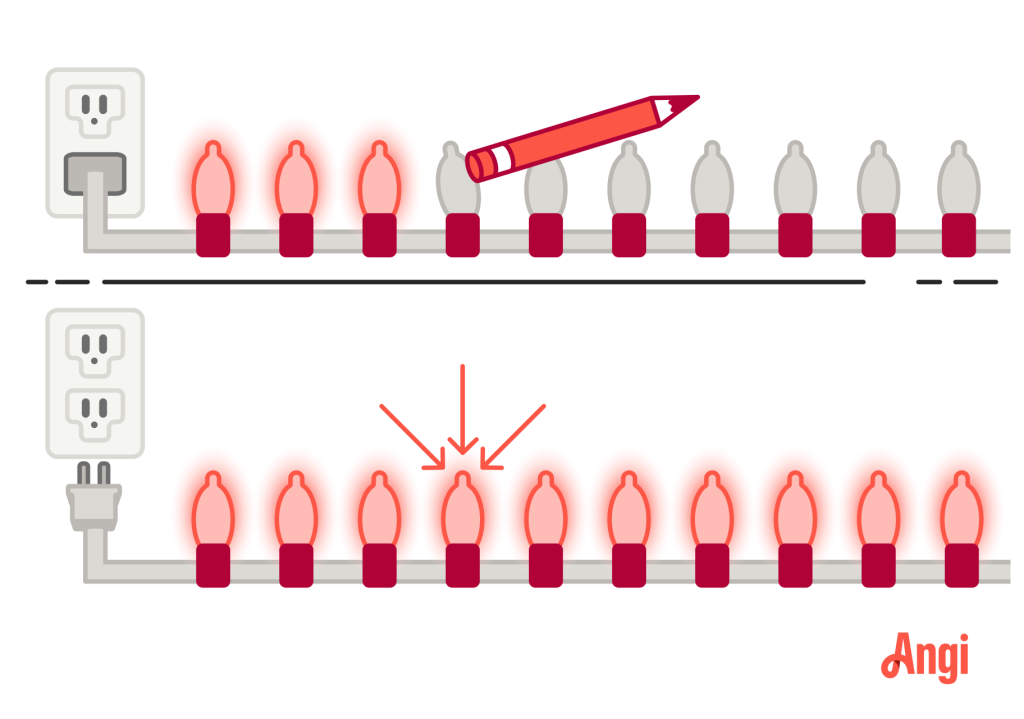
A single burned out bulb can cause the whole string to fail. Many light strings work in series. This means electricity passes from one bulb to the next. If one bulb burns out, it breaks the flow of electricity. The other bulbs go dark. Checking each bulb and replacing burned out ones often fixes the problem quickly.
Incorrect Bulb Type
Using the wrong bulb type can damage the string. Each set is designed for specific bulbs with certain voltage and wattage. A bulb that is too strong or weak may not work properly. It can cause flickering or total failure. Always use bulbs that match the manufacturer’s recommendations to avoid issues.
Overloaded Bulbs
Overloading bulbs means using bulbs with higher wattage than the string supports. This creates excess heat. Heat can damage bulbs and wiring. It leads to bulbs burning out faster. Overloaded bulbs increase the risk of the entire string failing. Stick to the recommended wattage to keep lights safe and lasting longer.
Power Supply Concerns
A whole string of lights can burn out due to a single bulb failure or a loose connection. Power surges and faulty wiring also cause the entire set to stop working. Checking each bulb and the power source helps find the problem quickly.
Power supply concerns can often be the silent culprits behind a string of lights burning out unexpectedly. When your festive decorations suddenly go dark, your first thought might not be about electricity, but it should be. Understanding the role of power supply can save you from future frustrations and keep your holiday spirit shining bright.Voltage Fluctuations
Voltage fluctuations can wreak havoc on your light strings. These fluctuations happen when the voltage supplied to your lights varies beyond its normal range. It’s like feeding your lights a diet of junk food—they can’t handle it, and eventually, they give out. Have you ever noticed how lights flicker during a storm? That’s a classic sign of voltage fluctuation. To protect your lights, consider using a voltage stabilizer or surge protector. It’s a small investment to safeguard your glowing treasures.Faulty Power Source
A faulty power source can be a hidden issue that causes your lights to burn out. Sometimes, the outlet or extension cord you’re using might be the problem. If the power source is unreliable, it can lead to inconsistent power flow. Ensure your extension cords are in good condition and rated for outdoor use if you’re lighting up the exterior of your home. Testing outlets with a lamp or another device can help you identify if the problem lies there. Don’t let a simple oversight dim your celebrations.Tripped Circuit Breakers
Tripped circuit breakers can abruptly cut off power to your light strings. This often happens when too many devices are plugged into the same circuit, causing it to overload. Imagine trying to carry too many groceries at once—eventually, something will fall. Check your circuit breaker panel if your lights suddenly go out. Resetting a tripped breaker can often solve the problem quickly. Make sure your lights are on a dedicated circuit to prevent future issues. Are your light strings protected from these power supply concerns? Taking proactive steps can keep your lights glowing all season long.
Credit: us.govee.com
Environmental Factors
Environmental factors play a key role in causing a whole string of lights to burn out. Outdoor conditions can damage the wires and bulbs over time. Harsh weather and physical impacts often weaken the electrical connections. Understanding these elements helps protect your lights and extend their life.
Moisture And Humidity
Water is one of the biggest enemies of string lights. Moisture can enter through tiny cracks in the bulbs or wiring. This causes short circuits and rust inside the light sockets. High humidity also speeds up corrosion and weakens the metal parts. Even small amounts of water can cause many bulbs to fail at once.
Extreme Temperatures
Both very hot and very cold temperatures affect string lights. Heat can melt the plastic coating on wires and bulbs. Cold weather makes wires brittle and prone to breaking. Rapid temperature changes cause materials to expand and contract, loosening connections. These stresses damage the lights and cause them to stop working.
Physical Damage
Physical impacts from wind, animals, or handling can harm string lights. Tugging or bending the wires too much breaks internal circuits. Falling objects or heavy snow can crush bulbs and sockets. Even small cracks or dents reduce the electrical flow. Physical damage often leads to a whole section of lights failing.
Preventive Measures
Preventing a whole string of lights from burning out starts with consistent care and smart choices. Small efforts on your part can save you from the frustration of sudden dark spots and keep your decorations shining bright throughout the season. Let’s dive into some practical steps you can take to protect your lights.
Regular Inspection
Check your string of lights often for any signs of wear or damage. Look closely for broken bulbs, frayed wires, or loose connections. Catching these issues early can stop a single problem from causing the entire string to fail.
Have you ever noticed a single bulb out and ignored it? That small fault can cause a chain reaction, so replacing it quickly is key. Use a bulb tester or swap bulbs around to identify weak spots before they cause bigger problems.
Proper Storage
How you store your lights can make a big difference in their lifespan. Avoid tangling them by wrapping them carefully around a spool or cardboard. This simple step prevents wire damage and broken bulbs when you unpack them next time.
Store your lights in a cool, dry place to protect them from moisture and extreme temperatures. I learned this the hard way after finding my lights brittle and non-functional after a humid winter. Proper storage saves you time and money by keeping your lights ready to shine year after year.
Using Quality Components
Investing in good quality lights and replacement parts pays off in durability and performance. Cheap bulbs and wires may look fine at first, but they often fail faster and increase the risk of the entire string burning out.
Choose lights with sturdy sockets and thicker wires designed for outdoor or heavy use if needed. You’ll avoid frequent replacements and enjoy brighter, safer displays. Would you rather spend a little more once or keep fixing the same problem repeatedly?
Frequently Asked Questions
Why Does One Bad Bulb Cause All Lights To Fail?
A single faulty bulb breaks the electrical circuit. This stops current flow, causing the entire string to go out. Identifying and replacing the bad bulb restores the connection and lights up the string again.
How Do Loose Connections Affect Light Strings?
Loose connections interrupt electrical flow, causing flickering or complete outages. Ensuring bulbs and plugs fit tightly prevents disconnections and maintains consistent illumination throughout the string.
Can Voltage Issues Cause Entire Light Strings To Burn Out?
Yes, voltage spikes or drops can damage bulbs or wiring. Using a surge protector and proper power sources safeguards lights from electrical damage and extends their lifespan.
What Role Do Fuses Play In Light String Failures?
Fuses protect light strings by breaking the circuit during overloads. A blown fuse causes the entire string to go out. Replacing the fuse often restores function and prevents further damage.
Conclusion
A whole string of lights can burn out due to simple issues. Loose bulbs or a broken fuse often cause the problem. Sometimes, one bad bulb stops the entire string from working. Checking each bulb carefully helps find the trouble spot.
Replacing damaged parts can bring the lights back to life. Regular care and gentle handling keep the lights shining bright. Understanding these causes saves time and frustration during holidays. Bright, working lights make any occasion more joyful and warm.



