
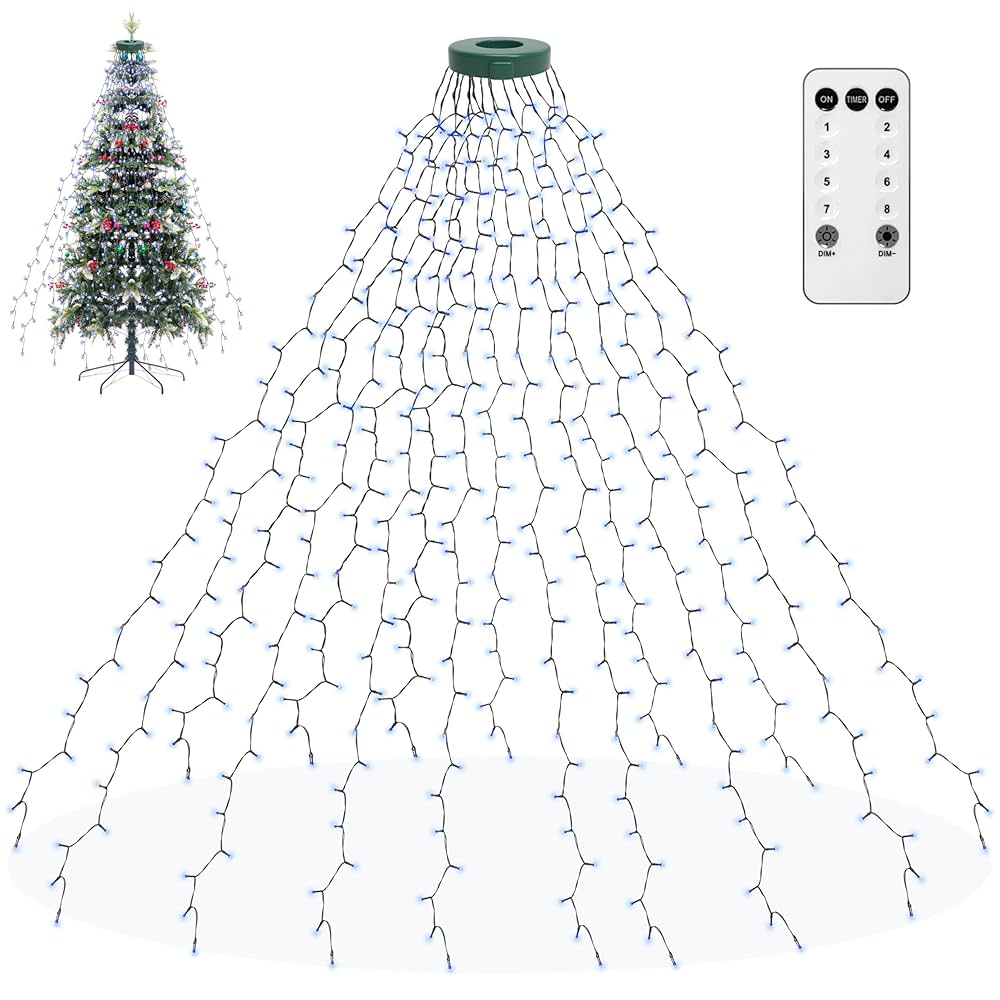
Are you wondering how many Christmas tree lights you can safely string together without blowing a fuse or causing a fire hazard? You’re not alone.
When decorating your tree, it’s easy to get carried away with endless strands of lights. But knowing the right limit can save you from frustration and keep your home safe. You’ll discover the simple rules and tips that will help you light up your tree beautifully and worry-free.
Keep reading to find out exactly how many lights you can connect and still enjoy a bright, festive holiday season.
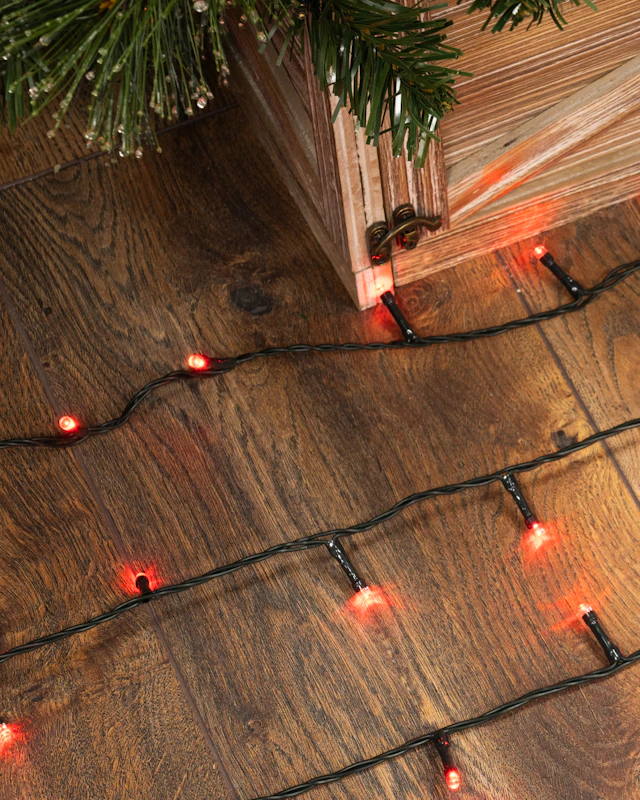
Credit: www.christmastreeworld.co.uk
Types Of Christmas Tree Lights
Christmas tree lights come in different types. Each type has its own look and function. Choosing the right type helps create the perfect holiday mood. It also affects how many strings you can safely connect.
Incandescent Lights
Incandescent lights are the classic choice. They use small bulbs with a warm, soft glow. These lights consume more energy and can get hot. Typically, you can link 3 to 5 strings safely. Going beyond this can cause power issues or blown bulbs.
Led Lights
LED lights are energy-efficient and long-lasting. They stay cool to the touch and use less electricity. LEDs offer brighter colors and more styles. You can connect 10 or more strings without problems. This makes them ideal for large trees or outdoor displays.
Battery-operated Lights
Battery-operated lights are portable and easy to use. They don’t need an outlet, so they work anywhere. These lights are usually smaller and less bright. You cannot connect multiple strings since they rely on batteries. They are great for small trees or decorations.

Credit: www.amazon.ca
Power Limits And Safety
Knowing the power limits and safety measures for stringing Christmas tree lights is essential to avoid electrical hazards and keep your holiday decorations glowing brightly. Exceeding power limits can cause bulbs to burn out, blow fuses, or even start fires. Understanding how to manage wattage, prevent overloads, and use surge protectors will help you create a safe and festive display.
Understanding Wattage
Every string of Christmas lights has a wattage rating, which tells you how much electrical power it uses. You can usually find this information on the packaging or the light strand itself. Adding up the wattage of all the lights you plan to connect helps you figure out if your setup is safe for your home’s electrical system.
For example, if each string uses 40 watts and your outlet can handle 300 watts, you should not connect more than seven strings (7 x 40 = 280 watts). Knowing this prevents you from overloading your circuits and causing potential damage. Have you checked the wattage on your light strings before plugging them together?
Avoiding Overloads
An overload happens when you draw more electricity than the circuit or outlet can handle. This can cause breakers to trip or fuses to blow, interrupting your holiday cheer. To avoid this, never exceed the maximum number of strings recommended by the manufacturer, as they test their products for safe limits.
Be cautious about plugging multiple strings into one outlet or extension cord. Instead, spread your lights across different circuits in your home. Think about how many devices or decorations are also running on the same circuit to keep the total load balanced and safe.
Using Surge Protectors
Surge protectors can be a lifesaver when it comes to protecting your lights from sudden electrical spikes. These spikes may come from lightning, power surges, or even when other appliances turn on and off. Using a surge protector helps prevent damage to your lights and reduces the risk of electrical fires.
Choose surge protectors with enough capacity for your entire setup and make sure they are rated for outdoor use if you’re decorating outside. Have you ever experienced a power surge that damaged your holiday lights? A good surge protector can save you from that headache and expense.
Manufacturer Recommendations
Choosing the right number of Christmas tree lights can be tricky. Manufacturer recommendations can help ensure safety and optimal brightness. Always prioritize safety and efficiency when decorating your tree. Follow the guidelines provided by manufacturers for the best results.
Checking Packaging Guidelines
Always check the packaging for information on stringing lights. Manufacturers provide vital details like maximum connections. This helps avoid overloading circuits. Overloading can lead to blown fuses or even fires. Find the maximum wattage and bulb count listed. These numbers are crucial for safe decorating.
Following Instruction Manuals
Instruction manuals offer detailed guidance. They explain the proper way to connect multiple strings. Always read the manual before setting up your lights. Look for specific instructions about connecting strings. Some lights allow for many connections, others don’t. Follow these instructions to prevent accidents and ensure a beautiful display.
Series Vs. Parallel Wiring
Choosing between series and parallel wiring impacts how many Christmas tree lights you can safely string together. Understanding the difference helps you avoid blown fuses and keeps your display glowing brightly. Let’s break down how each wiring type affects your light limits and why one might be better for your holiday setup.
How Series Wiring Affects Light Limits
In series wiring, all the lights are connected one after another, creating a single pathway for electricity. If one bulb burns out or is removed, the entire string usually goes dark, which can be frustrating when decorating.
Because the current passes through each bulb, the more lights you add, the dimmer they get. This wiring limits the number of lights you can safely connect—usually no more than 50 bulbs in a string.
Think about those old-style holiday lights that went out all at once if one bulb failed. That’s series wiring in action. It’s simple but less reliable for longer strings.
Advantages Of Parallel Wiring
Parallel wiring connects each bulb directly to the power source. This means if one bulb goes out, the rest stay lit, saving you from constant troubleshooting during your holiday setup.
You can string many more lights together safely because each bulb operates independently. This wiring type supports longer strands without dimming the lights.
Parallel wiring also helps maintain consistent brightness across all bulbs, which makes your tree look vibrant and evenly lit. Have you ever noticed how newer LED light sets rarely dim even with long strings? That’s parallel wiring at work.
Calculating Maximum Lights
Calculating how many Christmas tree lights you can safely string together prevents electrical problems. Knowing the limits protects your home from overloads and fire hazards. It also helps you plan a beautiful, bright display without interruptions. Understanding the power and wiring basics is key to this calculation.
Estimating Based On Amperage
Each light set uses a certain amount of current, measured in amps. Check the label for the amperage rating. Your home circuit usually supports 15 or 20 amps total. Avoid using all the circuit’s power on one string of lights. Leave room for other devices on the same circuit.
Divide the circuit’s amp limit by the light string’s amps. This gives a rough maximum number of sets to connect. For example, a string drawing 0.5 amps on a 15-amp circuit allows about 30 sets. Always reduce this number for safety, using 80% of the total capacity.
Considering Wire Gauge
The thickness of the wire affects how much current it can carry. Thicker wires handle more amps without overheating. Light strings use thin wires, limiting how many sets you can safely connect. Check the wire gauge, often marked as AWG (American Wire Gauge).
Lower AWG numbers mean thicker wire. For example, 18 AWG wire supports fewer amps than 16 AWG wire. Using the right wire gauge helps prevent voltage drops and overheating. If unsure, do not exceed three light sets in one string with thin wires.
Tips For Safe Stringing
Stringing Christmas tree lights safely protects your home and family. Follow simple tips to avoid hazards and enjoy a bright holiday season. Safety starts with careful checks and smart setups. These steps help prevent fires and electrical problems.
Inspecting Lights Before Use
Check each string of lights before plugging them in. Look for broken bulbs, frayed wires, or loose connections. Replace or discard damaged lights immediately. Test lights by plugging them in outside the tree. Ensure all bulbs light up evenly and the cord feels intact. This prevents short circuits and sparks.
Avoiding Daisy-chaining Too Many Strings
Do not connect too many light strings together. Each light set has a limit on how many can connect safely. Exceeding this limit causes overheating and electrical fires. Use the manufacturer’s recommendations for safe string limits. Use multiple outlets or power strips with circuit breakers. This spreads the electrical load and reduces risk.
Keeping Lights Away From Flammable Materials
Place lights carefully to avoid contact with curtains, paper, and dry tree needles. Heat from bulbs can ignite these materials. Use LED lights as they run cooler than traditional bulbs. Keep cords and plugs clear of water and snow. Secure lights firmly to prevent them from falling onto flammable objects.
Troubleshooting Common Issues
Christmas tree lights often face common issues that affect their glow. Troubleshooting these problems saves time and keeps your tree bright. Understanding simple fixes helps maintain a festive look without hassle.
Dealing With Burnt Out Bulbs
Burnt out bulbs cause entire light strings to go dark. Check each bulb carefully for broken filaments or dark spots. Replace burnt out bulbs with exact matches to avoid electrical issues. Use a bulb tester or swap bulbs between sections to find the faulty one. Secure each bulb firmly to ensure proper contact.
Fixing Flickering Lights
Flickering lights often result from loose connections or damaged wires. Inspect the string for any gaps or bent bulb sockets. Tighten bulbs by gently pushing them into place. Look for any frayed wires or exposed copper and avoid using damaged sets. A flicker-free display requires steady power and secure bulbs.
Replacing Faulty Fuses
Faulty fuses stop the entire light string from working. Locate the fuse compartment on the plug and open it carefully. Remove the old fuse and replace it with a new one of the same rating. Keep extra fuses handy for quick swaps. Check the fuse holder for corrosion or debris before inserting the new fuse.

Credit: www.amazon.ca
Alternative Lighting Options
Alternative lighting options offer creative ways to decorate your Christmas tree. These choices help you avoid problems with too many string lights. They also add unique looks to your holiday décor. Exploring different lights can brighten your tree safely and beautifully.
Using Plug-in Led Strips
Plug-in LED strips are thin and flexible lights. They can wrap around your tree easily. These strips use less electricity than traditional lights. Many come with different colors and brightness settings. You can connect several strips together for a longer reach. They usually have built-in safety features to prevent overload. LED strips last longer and stay cooler than old-style bulbs.
Solar-powered Lights
Solar-powered lights use energy from the sun. They charge during the day and light up at night. These lights do not need an electrical outlet. Perfect for outdoor Christmas trees or garden decorations. Solar lights reduce electricity bills and are eco-friendly. Some models include sensors to turn on automatically. They come in various colors and styles to fit any theme.
Frequently Asked Questions
How Many Christmas Tree Lights Can I Safely Connect?
You can safely string 50 to 100 standard lights together. Check the manufacturer’s instructions for exact limits. Exceeding this can cause overheating and fire risks. Use LED lights for longer strands and better safety.
What Happens If You Connect Too Many Lights?
Connecting too many lights can overload circuits. This causes bulbs to dim, flicker, or burn out. It also increases fire hazard risk. Always follow safety guidelines and avoid daisy-chaining beyond recommended limits.
Can Led Lights Be Strung Longer Than Traditional Ones?
Yes, LED lights use less power and can be strung longer. Some LED strands allow up to 200 lights or more. Always check the product label for maximum connection limits to ensure safety.
Why Do Christmas Lights Have A Maximum String Limit?
String limits prevent electrical overload and fire hazards. Each string draws power, and too many can exceed circuit capacity. Limits ensure lights operate safely without damage or risk to your home.
Conclusion
Knowing how many Christmas tree lights to string keeps your display safe. Follow the wattage limits on your light strands to avoid overload. Use extension cords and power strips wisely to prevent hazards. Choose LED lights for lower power use and longer life.
Test your setup before decorating fully to spot problems early. Enjoy a bright, festive tree that brings joy safely to all. Simple care makes your holiday lights shine without worry. Bright and safe—that’s the goal every Christmas season.



