
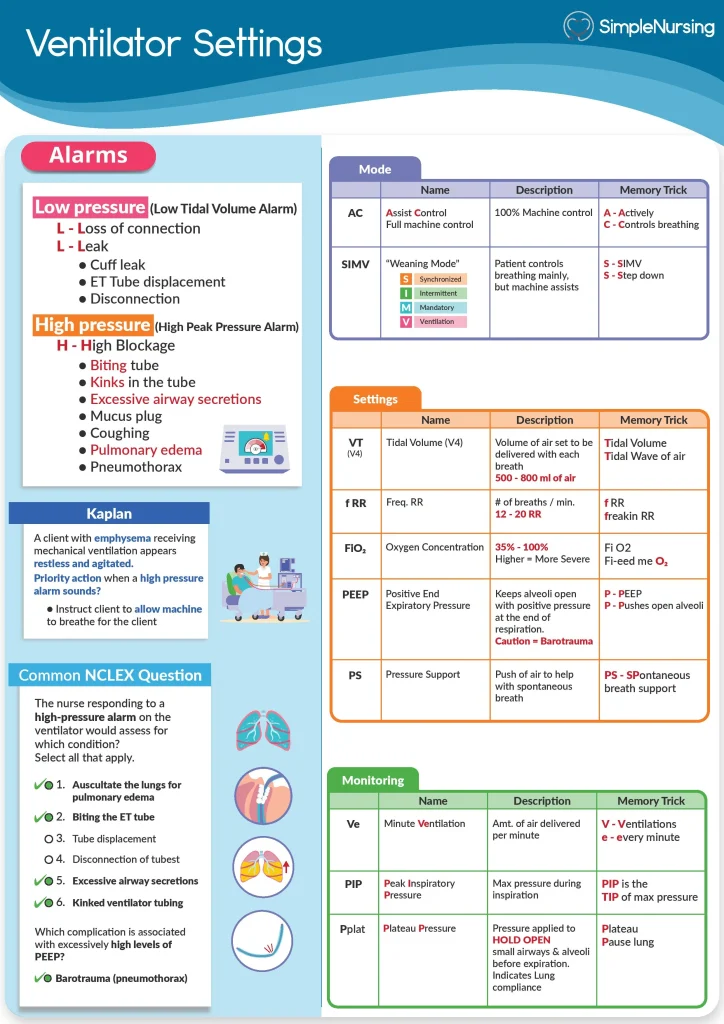
Have you ever wondered why your ventilator suddenly sounds a high pressure alarm? It can be alarming and confusing when this warning goes off.
Understanding what causes high pressure alarms on ventilators is crucial for keeping you or your loved one safe. You’ll discover the most common reasons behind these alarms and what they mean for your care. By knowing the causes, you can act quickly and feel more in control of the situation.
Keep reading to learn how to spot problems early and ensure your ventilator works smoothly every time.

Credit: www.vhtc.org
Common Causes Of High Pressure Alarms
High pressure alarms on ventilators can be alarming for both healthcare providers and patients. Understanding the common causes behind these alarms helps you react quickly and maintain patient safety. Let’s break down some of the most frequent reasons these alarms go off and what they mean for your patient’s care.
Airway Obstruction
Airway obstruction is a leading cause of high pressure alarms. It happens when something blocks the airway, making it difficult for air to flow in or out. This could be due to a foreign object, swelling, or even a misplaced tube.
Imagine trying to breathe through a straw that’s partially blocked—this is similar to what the ventilator senses. Recognizing this early can prevent complications like low oxygen levels or lung injury.
Patient Coughing Or Biting
Sometimes, the patient themselves triggers the alarm by coughing or biting down on the endotracheal tube. These actions increase airway pressure suddenly and can disrupt the ventilator’s normal function.
Have you noticed how a sudden cough during ventilation spikes the pressure? It’s important to monitor for these behaviors and ensure proper sedation or tube placement to reduce alarm frequency.
Kinked Or Blocked Tubing
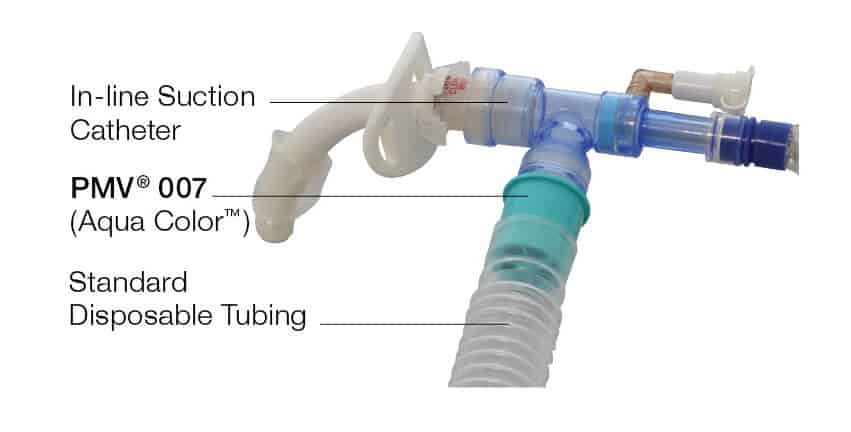
Kinks or blockages in the ventilator tubing can restrict airflow and cause the pressure to rise. Tubing might get bent during patient movement or become clogged with moisture or debris.
Checking the tubing regularly and securing it properly can save you from unnecessary alarms and potential harm. Could a quick inspection of the tubing be the simple fix to your alarm issue?
Excessive Secretions
Excessive secretions in the airway can clog the tube and increase resistance, triggering the high pressure alarm. Patients who cannot clear their secretions effectively are at higher risk.
Regular suctioning and airway management are key to preventing this problem. Have you considered how secretions impact ventilation pressure in your patients?
Mechanical Issues Triggering Alarms
Mechanical issues are a common cause of high pressure alarms on ventilators. These problems can disrupt the airflow, causing the machine to register unsafe pressure levels. Understanding these mechanical triggers can help you troubleshoot and prevent alarm situations quickly.
Ventilator Malfunction
Sometimes the ventilator itself may have internal faults. Components like valves, sensors, or the pressure relief system can wear out or break. A malfunctioning ventilator can falsely detect high pressure, even if the patient’s lungs are fine.
If you ever notice the alarm sounding without any obvious cause, inspect the machine thoroughly. Regular maintenance checks can catch these issues early, saving you from emergency fixes.
Incorrect Ventilator Settings
Setting the ventilator parameters too high can cause excessive pressure buildup. For example, if the tidal volume or inspiratory pressure is set beyond what the patient’s lungs can handle, the alarm will trigger.
Have you ever adjusted a setting and immediately heard the alarm? This is your body telling you to reconsider the settings. Always double-check the parameters based on the patient’s condition before making changes.
Circuit Leaks Or Disconnections
Leaks or disconnections in the ventilator circuit can cause pressure imbalances. A loose tube or a damaged connector lets air escape, forcing the machine to work harder to maintain pressure. This often results in a high-pressure alarm.
Regularly inspect the tubing and connections. Even small cracks or loose fittings can cause major problems. Would you rather catch these early or face a sudden alarm during a critical moment?
Patient-related Factors
High pressure alarms on ventilators often signal an issue that needs immediate attention. Patient-related factors play a significant role in triggering these alarms. Understanding these factors helps you respond effectively and ensure patient safety.
Bronchospasm
Bronchospasm causes the airways to tighten and narrow, making it harder for air to flow in and out of the lungs. This increased resistance raises the pressure in the ventilator circuit.
You might notice wheezing or increased difficulty in breathing during a bronchospasm. Quick recognition and treatment with bronchodilators can reduce airway resistance and lower the alarm pressure.
Pulmonary Edema
Pulmonary edema occurs when fluid builds up in the lungs, reducing the space available for air. This fluid accumulation makes it harder for the lungs to expand, pushing the ventilator pressure higher.
If you see signs like sudden breathlessness or frothy sputum, suspect pulmonary edema. Managing the fluid overload and improving lung function can help normalize ventilator pressures.
Decreased Lung Compliance
When the lungs become stiff or less elastic, the ventilator must work harder to deliver the same volume of air. This stiffness, known as decreased lung compliance, raises airway pressure readings.
Conditions like fibrosis or severe pneumonia often cause this issue. Adjusting ventilator settings and treating the underlying condition can improve lung compliance and reduce alarms.
Credit: tracheostomyeducation.com
Impact Of High Pressure Alarms
High pressure alarms on ventilators are critical alerts that signal potential problems in patient care. Understanding their impact helps you respond effectively and avoid serious complications. These alarms aren’t just technical warnings—they directly affect patient safety and the success of ventilation.
Risks To Patient Safety
High pressure alarms indicate that the airway pressure is higher than safe limits. This can mean the patient is struggling to breathe or there’s an obstruction in the system.
If ignored, these alarms can lead to lung injury or worsen respiratory distress. For example, excessive pressure may cause barotrauma, damaging delicate lung tissues. Have you ever wondered how even a small blockage, like mucus buildup, can rapidly escalate risks?
Addressing these alarms promptly protects patients from complications like pneumothorax or reduced oxygen delivery. Your quick action can mean the difference between recovery and emergency intervention.
Effects On Ventilation Efficiency
High pressure alarms disrupt the smooth delivery of air to the lungs. This means the ventilator may not provide the correct volume or flow needed for effective breathing support.
When pressure spikes, the machine might reduce breaths or delay ventilation cycles. This inefficiency can increase the patient’s work of breathing and cause fatigue.
Have you noticed how even subtle changes in ventilation can impact a patient’s comfort and recovery speed? Monitoring and managing these alarms ensures that the ventilator functions optimally, keeping your patient stable and comfortable.
Steps To Troubleshoot High Pressure Alarms
High pressure alarms on ventilators often happen due to blocked airways or tight tubing. Checking for obstructions and ensuring proper tube placement helps solve the issue quickly. Regularly inspecting equipment prevents these alarms and keeps ventilation safe.
High pressure alarms on ventilators can be a cause for concern, but understanding the steps to troubleshoot them can alleviate anxiety. These alarms indicate that the ventilator is encountering resistance or blockage, preventing it from delivering the set amount of air to the patient. Addressing this issue promptly is crucial for patient safety and comfort. Here’s how you can systematically troubleshoot these alarms.Checking Airway And Tubing
First, ensure that the patient’s airway is clear. A common issue could be mucus obstruction, which can be resolved by gentle suctioning. Next, inspect the tubing for any kinks or blockages. Even a slight bend can restrict airflow, causing the alarm to trigger. Check connections to ensure they are secure and not causing air leaks.Adjusting Ventilator Settings
Sometimes, the settings on the ventilator might need tweaking. Consider reducing the tidal volume or inspiratory pressure if the patient’s current condition demands it. Ensure that the ventilator’s sensitivity settings are appropriate for the patient. Too high a sensitivity can cause unnecessary alarms, while too low may not alert you to genuine issues.Monitoring Patient Condition
Pay close attention to the patient’s condition. Are they exhibiting any signs of distress or discomfort? A sudden change in the patient’s posture or position could impact airflow, leading to high pressure alarms. Adjust the patient’s position if necessary, ensuring they are comfortable and the airway remains open. By systematically checking each of these areas, you can effectively troubleshoot high pressure alarms on ventilators. Have you encountered unexpected challenges while managing ventilators? Your experiences might just hold the key to unlocking solutions for others in similar situations.
Credit: tracheostomyeducation.com
Preventing High Pressure Alarms
Preventing high pressure alarms on ventilators is crucial for patient safety and smooth operation. These alarms often signal issues that can be avoided with proactive measures. Understanding how to prevent them not only reduces stress but also enhances the quality of care you provide.
Regular Equipment Maintenance
Keeping ventilators in top condition is essential. Regular checks help spot worn-out parts, leaks, or blockages that could trigger high pressure alarms. You might notice that even a small clog in the tubing can cause pressure to build up quickly.
Set a clear maintenance schedule and stick to it. Clean filters and inspect valves often to prevent unexpected failures. Proper lubrication and calibration also ensure the machine runs smoothly and safely.
Patient Monitoring Protocols
Monitoring your patient closely can catch early signs of problems before alarms go off. Watch for changes in lung compliance or sudden increases in airway resistance. These changes might mean the patient is coughing, biting the tube, or developing mucus plugs.
Use a checklist to assess breathing patterns and ventilator settings regularly. Adjustments based on patient feedback and vital signs can reduce unnecessary pressure spikes. This kind of vigilance can prevent many alarms from sounding in the first place.
Staff Training And Awareness
Well-trained staff are your best defense against high pressure alarms. Everyone working with ventilators should understand what causes alarms and how to respond quickly. Practical drills and real-case reviews can boost confidence and readiness.
Encourage open communication among team members about alarm causes and solutions. When everyone shares insights, you’ll find common issues get resolved faster. Have you ever seen how a small tip from a colleague saved critical time during a ventilator alarm?
Frequently Asked Questions
What Triggers High Pressure Alarms On Ventilators?
High pressure alarms occur when airway pressure surpasses safe limits. Causes include airway blockages, secretions, patient coughing, or kinked tubes. These alarms prevent lung injury by alerting caregivers to breathing difficulties or equipment issues promptly.
How Do Airway Obstructions Cause High Pressure Alarms?
Airway obstructions limit airflow, increasing pressure in the ventilator circuit. Common obstructions include mucus plugs, secretions, or foreign objects. The ventilator senses this resistance and triggers alarms to alert staff to clear the blockage.
Can Patient Conditions Cause High Pressure Alarms?
Yes, conditions like bronchospasm, pulmonary edema, or decreased lung compliance raise airway pressure. These changes make ventilation harder, triggering alarms. Monitoring patient status helps identify and treat underlying causes effectively.
How Does Ventilator Tubing Affect Pressure Alarms?
Kinked or compressed tubing restricts airflow, causing pressure buildup. Improperly connected or dislodged tubes also increase resistance. Regular inspection and proper tubing management reduce alarm occurrences and ensure patient safety.
Conclusion
High pressure alarms on ventilators often signal a problem. Common causes include blockages, patient coughing, or secretions. Regular checks help catch these issues early. Quick action can keep patients safe and comfortable. Understanding these alarms improves response time and care quality.
Always stay alert to changes during ventilation. This knowledge supports better treatment and patient safety.



