
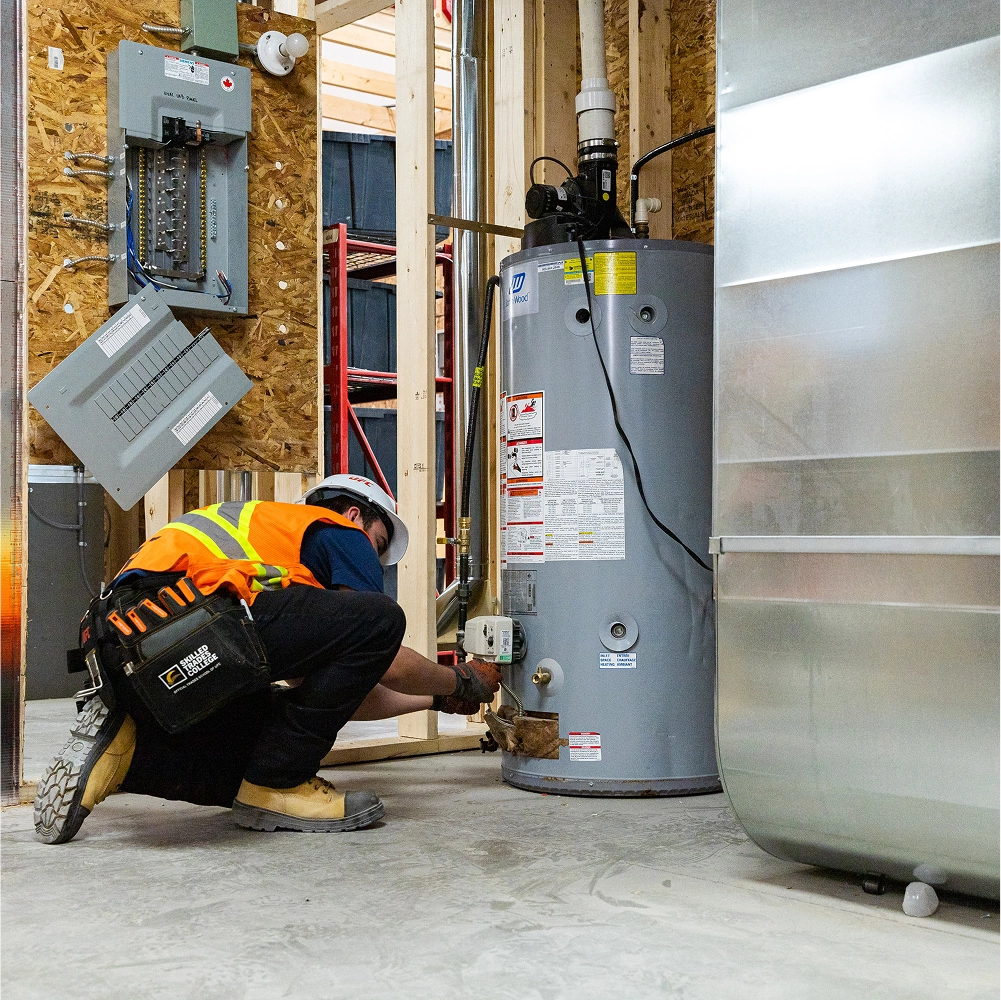
Have you ever wondered what HVAC people actually do? If you’ve ever felt the chill of a broken heater or the sweat of a faulty air conditioner, you know how important they are.
These experts keep your home comfortable, no matter the season. You’ll discover exactly how HVAC professionals work behind the scenes to fix, install, and maintain your heating and cooling systems. By the end, you’ll understand why their skills are crucial—and how they can help you enjoy the perfect indoor climate year-round.
Keep reading to find out what makes HVAC people true comfort heroes.
Core Hvac Roles
HVAC people play different roles to keep heating, ventilation, and air conditioning systems running smoothly. Each role focuses on specific tasks that ensure comfort and safety in homes and businesses. Understanding these core roles helps to see how HVAC systems work and stay maintained.
Technicians And Their Tasks
Technicians install, maintain, and repair HVAC systems. They check parts for wear and fix problems quickly. Their work includes:
- Installing new heating and cooling units
- Cleaning and replacing filters
- Testing system performance and safety
- Fixing leaks and electrical issues
- Performing routine inspections
Technicians often visit homes and businesses to ensure systems work correctly. Their skills keep air quality good and energy use low.
Designers And Engineers
Designers and engineers create HVAC systems for buildings. They plan systems based on size, climate, and needs. Their tasks include:
- Designing efficient heating and cooling layouts
- Selecting equipment that fits the building
- Using software for precise calculations
- Ensuring systems meet safety codes
- Improving energy efficiency
Their work makes sure HVAC systems perform well and last long. They solve complex problems before installation.
Sales And Customer Service
Sales and customer service teams help clients find the right HVAC solutions. They explain options clearly and answer questions. Their duties cover:
- Providing information on products and services
- Scheduling appointments and estimates
- Helping customers understand costs and benefits
- Following up after installation or repair
- Handling complaints and support requests
These roles build trust and ensure customers feel confident in their HVAC choices.
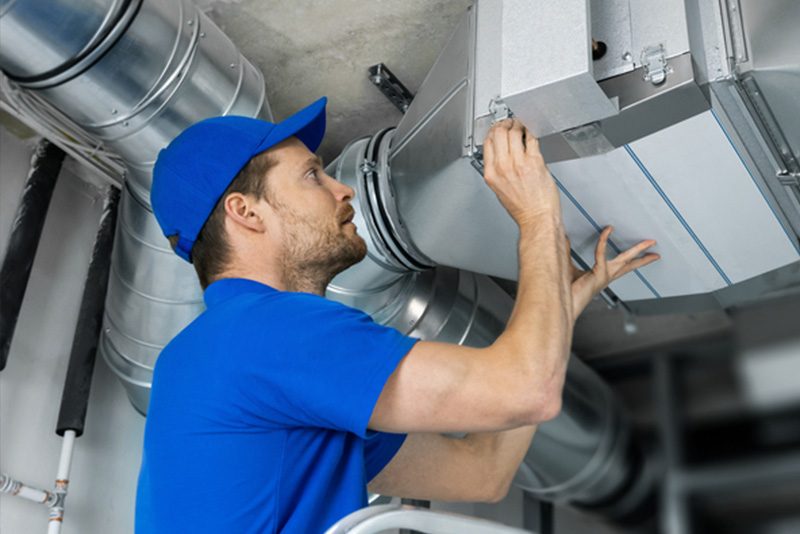
Credit: www.daikinmea.com
Installation Responsibilities
HVAC professionals handle many tasks during installation. Their work sets the foundation for a system’s performance and durability. They ensure the equipment fits perfectly and works efficiently. Proper installation prevents future problems and costly repairs.
System Setup And Configuration
Technicians carefully place heating and cooling units in the right spots. They connect ducts, pipes, and electrical wiring. Each part must link correctly for smooth operation. They program thermostats and control systems for user needs. Adjustments happen to balance airflow and temperature. The goal is a system that runs quietly and saves energy.
Safety And Compliance Checks
Safety is a top priority during installation. HVAC workers test all connections for leaks or faults. They check electrical systems to avoid hazards. Compliance with local codes and standards is mandatory. Inspections guarantee the system meets legal rules. These steps protect both the home and its residents.
Maintenance And Repairs
Maintenance and repairs form the backbone of HVAC services. These tasks keep heating, ventilation, and air conditioning systems running efficiently. Skilled HVAC professionals perform regular checks and fix problems quickly. This prevents costly breakdowns and ensures comfort in homes and businesses.
Routine Inspections
HVAC technicians conduct routine inspections to find small issues early. They check filters, belts, and electrical connections. Cleaning components like coils and vents is part of the process. Inspections help maintain system efficiency and extend equipment life. They also improve air quality and save energy costs.
Troubleshooting Common Issues
When an HVAC system acts up, experts diagnose the problem fast. They test thermostats, motors, and refrigerant levels. Common problems include strange noises, uneven temperatures, and leaks. Technicians use tools and experience to pinpoint the cause. Fixing these issues restores system performance and comfort quickly.
Emergency Repairs
HVAC emergencies can happen anytime, especially during extreme weather. Professionals respond promptly to restore heating or cooling. They repair broken compressors, faulty wiring, and system failures. Emergency repairs prevent damage and reduce downtime. Quick action keeps homes safe and comfortable through sudden breakdowns.
Credit: www.johnsoncomfort.com
Energy Efficiency Focus
HVAC professionals play a key role in making homes and buildings more energy efficient. They ensure heating, ventilation, and air conditioning systems use less energy while maintaining comfort. Their focus on energy efficiency helps save money and reduces environmental impact.
Optimizing System Performance
HVAC technicians check and tune systems to run at peak efficiency. They clean filters, inspect ducts, and adjust settings. Proper maintenance prevents energy waste and extends equipment life. Efficient systems lower utility bills and improve indoor air quality.
Advising On Energy-saving Solutions
HVAC experts recommend upgrades and practices to save energy. They suggest programmable thermostats, better insulation, and energy-efficient units. They explain benefits clearly so homeowners can make informed choices. Their advice helps reduce energy use without sacrificing comfort.
Specialized Hvac Roles
HVAC specialists install, repair, and maintain heating, cooling, and ventilation systems. They ensure indoor air stays comfortable and safe year-round. Their work helps homes and businesses run smoothly.
In the diverse world of HVAC, specialized roles play a crucial part in ensuring our comfort. These experts bring unique skills to the table, making them indispensable in their fields. Let’s dive into two such specialized roles that stand out for their expertise and impact.Refrigeration Experts
Refrigeration experts are the backbone of industries that rely on cooling systems. Their role extends beyond just fixing a broken fridge. They design, maintain, and optimize refrigeration systems for everything from supermarkets to ice rinks. Have you ever marveled at how fresh produce stays crisp in grocery stores? That’s the magic of a well-maintained refrigeration system. These experts ensure that perishable goods remain at the right temperature, preventing spoilage and saving businesses money. Refrigeration experts also stay ahead of the curve by learning about eco-friendly refrigerants. This knowledge is crucial as regulations on traditional refrigerants become stricter. By focusing on sustainability, they help reduce environmental impact while keeping systems efficient.Controls And Automation Specialists
Controls and automation specialists bring HVAC systems into the future. They integrate cutting-edge technology to automate and optimize heating, ventilation, and air conditioning processes. Imagine walking into a building where the temperature adjusts automatically based on the number of occupants. This isn’t science fiction; it’s the work of these specialists. They program systems to respond to real-time data, ensuring comfort and energy efficiency. A friend once shared how their office building’s HVAC system adjusted to the changing weather outside. It wasn’t just convenient; it was a revelation in energy savings. Such innovations are the hallmark of controls and automation specialists. These experts also ensure that systems are user-friendly. By making complex technology accessible, they empower building managers to make informed decisions. This hands-on approach makes a tangible difference in how HVAC systems operate daily. In what ways do you think these specialized roles impact your daily life? Understanding their contributions can deepen your appreciation for the comfort we often take for granted.Training And Certification
Training and certification form the backbone of a successful career in HVAC. Without proper education and credentials, technicians struggle to keep up with evolving technology and safety protocols. Your investment in training not only sharpens your skills but also builds trust with clients and employers.
Skills Development
Hands-on training is crucial for mastering HVAC systems. You’ll learn to install, repair, and maintain heating and cooling units through real-world practice rather than just theory. This practical experience helps you understand how different parts work together, making troubleshooting faster and more accurate.
Many programs include simulated environments or apprenticeships, allowing you to get comfortable with tools and techniques before facing actual job sites. Have you ever noticed how confident technicians are when they’ve spent hours working on the exact system you need fixed? That confidence comes from solid skills development.
- Electrical wiring and circuit analysis
- Refrigeration cycle understanding
- Use of diagnostic instruments
- Safety procedures and compliance
Industry Standards
Certification ensures you meet the requirements set by industry authorities and government regulations. For instance, EPA Section 608 certification is mandatory for handling refrigerants. Without it, you can’t legally perform many core HVAC tasks.
Certifications vary by region but generally include exams testing knowledge of safety, environmental laws, and technical skills. Staying certified requires ongoing education to keep up with changing codes and innovations. How do you plan to stay ahead in a field that constantly updates its standards?
| Certification | Focus Area | Renewal Period |
|---|---|---|
| EPA Section 608 | Refrigerant handling | Lifetime |
| NATE (North American Technician Excellence) | General HVAC skills | Every 2 years |
| HVAC Excellence | Technical knowledge and safety | Every 5 years |
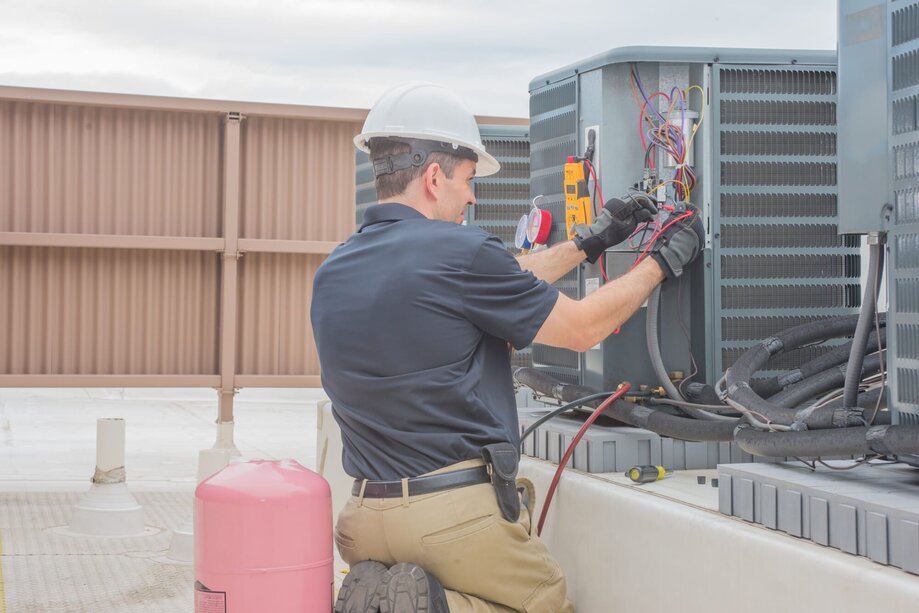
Credit: www.furnaceprices.ca
Frequently Asked Questions
What Do Hvac Technicians Do Daily?
HVAC technicians install, maintain, and repair heating, ventilation, and air conditioning systems. They ensure optimal indoor air quality and comfort for homes and businesses. Tasks include inspecting equipment, diagnosing issues, and replacing parts to keep systems efficient and safe.
How Do Hvac Specialists Improve Air Quality?
HVAC specialists clean and maintain ventilation systems to reduce pollutants. They install air filters and purifiers to remove dust, allergens, and contaminants. Regular maintenance helps improve airflow and prevents mold growth, enhancing indoor air quality and health.
Why Is Hvac Maintenance Important?
Regular HVAC maintenance prevents breakdowns and extends system lifespan. It improves energy efficiency, reducing utility costs. Routine checks help detect issues early, ensuring consistent comfort and safer operation in homes and commercial buildings.
What Skills Do Hvac Professionals Need?
HVAC professionals need technical knowledge of heating and cooling systems. They require problem-solving skills, attention to detail, and physical stamina. Communication skills are essential to explain repairs and maintenance to clients effectively.
Conclusion
HVAC people keep homes and buildings comfortable year-round. They install, repair, and maintain heating and cooling systems. Their work helps save energy and lower bills. You can trust them to fix problems quickly and safely. Knowing what they do makes it easier to get the right help.
Clear, clean air and steady temperatures matter to everyone. HVAC workers play a key role in that. Their skills keep your space cozy and healthy. Simple, smart work behind the scenes.



