
Have you ever wondered what HVAC techs really do behind the scenes? Whether your home feels too hot in the summer or too cold in the winter, these experts are the ones who keep your comfort steady.
But their job is more than just fixing units—they ensure your air quality is safe, your energy bills stay low, and your system runs smoothly all year long. If you want to understand how they make your indoor world comfortable, keep reading.
This article will give you a clear picture of what HVAC techs do and why their work matters to you every day.

Credit: www.furnaceprices.ca
Hvac Techs’ Core Duties
The core duties of HVAC technicians cover a wide range of tasks that keep your heating, ventilation, and air conditioning systems running smoothly. These professionals ensure comfort and safety in homes and businesses by handling everything from setup to repairs. Understanding what they do can help you appreciate the skill and precision involved in their work.
Installation Tasks
Installing HVAC systems involves more than just placing equipment. Technicians carefully assess your space to choose the right size and type of system. They connect ductwork, wiring, and controls to ensure everything works together efficiently.
During installation, accuracy is key. A small mistake can lead to poor performance or higher energy bills. Have you ever wondered why a new AC unit sometimes doesn’t cool as expected? Installation quality often plays a big role.
Maintenance Procedures
Regular maintenance keeps your HVAC system running at its best. Techs clean or replace filters, check refrigerant levels, and inspect electrical components. These steps prevent breakdowns and extend the life of your equipment.
Maintenance also involves testing system performance and adjusting settings for optimal comfort. Skipping routine checks can lead to costly repairs later. How often do you schedule HVAC tune-ups for your home?
Repair Responsibilities
When your HVAC system breaks down, technicians diagnose and fix the issue. Repairs can range from replacing worn-out parts to fixing leaks or electrical faults. They work quickly to restore comfort without compromising safety.
Techs must stay updated on the latest technology and repair techniques. This ensures they can handle modern systems effectively. Have you noticed how some repairs take longer than others? Complex systems often require more expertise.
System Troubleshooting
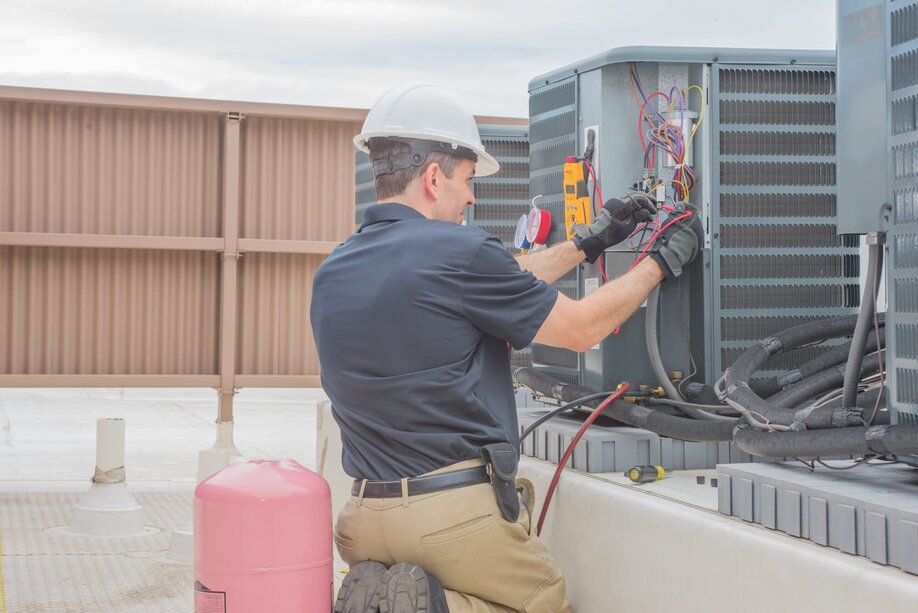
Troubleshooting is a critical skill for HVAC techs. They use specialized tools to identify what’s causing a system to malfunction. This might involve testing sensors, checking airflow, or analyzing control signals.
Effective troubleshooting saves you time and money by targeting the exact problem. It’s not just guesswork; it’s a careful process of elimination. Next time your system acts up, consider how a technician’s diagnostic skills make all the difference.
Credit: www.housecallpro.com
Key Technical Skills
HVAC technicians rely on several key technical skills to perform their jobs well. These skills help them install, maintain, and repair heating, ventilation, and air conditioning systems efficiently. Understanding these skills offers insight into the complex work that HVAC techs manage daily.
Mechanical Aptitude
Mechanical aptitude is essential for HVAC techs. They work with many moving parts like motors, belts, and fans. Knowing how these parts fit and move helps diagnose problems quickly. This skill also aids in assembling and disassembling equipment safely.
Electrical Knowledge
Electrical knowledge is critical for HVAC work. Systems often include wiring, circuit boards, and electrical controls. Techs must read wiring diagrams and check electrical connections. This skill ensures systems run safely and avoid electrical hazards.
Use Of Diagnostic Tools
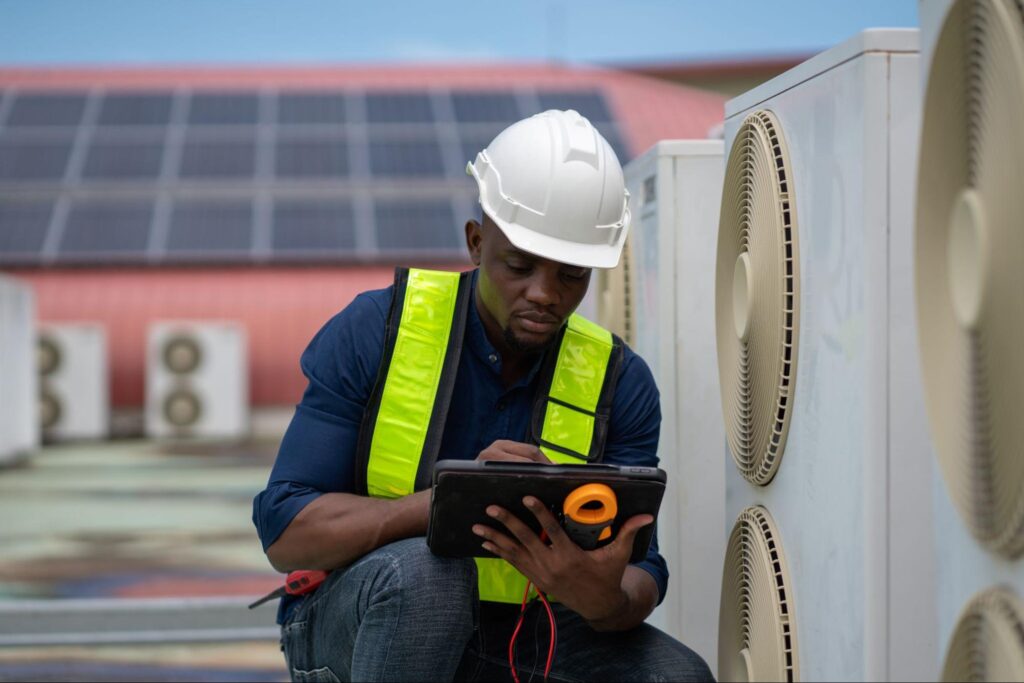
HVAC technicians use various diagnostic tools daily. Tools like multimeters, pressure gauges, and leak detectors help find issues fast. These tools provide data to pinpoint faults and verify repairs. Skill in using these devices improves accuracy and efficiency.
Understanding Hvac Systems
Knowing how HVAC systems operate is fundamental. This includes heating units, air conditioners, and ventilation components. Techs learn how air flows and how temperature control works. This knowledge guides proper installation and troubleshooting.
Soft Skills That Matter
HVAC technicians need more than technical skills to excel. Soft skills play a vital role in their day-to-day tasks. These skills help them interact effectively with clients and colleagues. Let’s explore the key soft skills that matter in this profession.
Customer Communication
Effective communication is crucial for HVAC techs. They must explain complex issues in simple terms. Clear communication builds trust with clients. It ensures clients understand the work being done. Miscommunication can lead to dissatisfaction and errors.
Problem-solving Abilities
HVAC systems can be complex and unpredictable. Techs often face unexpected challenges. Strong problem-solving skills help them find quick solutions. This skill ensures efficient and effective repairs. It minimizes downtime and keeps systems running smoothly.
Time Management
HVAC technicians often handle multiple tasks daily. Good time management is essential. It helps them prioritize tasks and meet deadlines. Efficient time use reduces stress and increases productivity. Clients appreciate prompt and timely service.
Team Collaboration
HVAC projects often require teamwork. Techs need to collaborate with other professionals. Effective collaboration leads to successful project outcomes. It fosters a positive work environment. Good teamwork enhances service quality and client satisfaction.
Work Environment Insights
The work environment of HVAC technicians is varied and dynamic. These professionals spend time in many locations, each with unique conditions. Understanding their work settings helps appreciate the challenges and skills needed. Safety and physical effort are key parts of their daily routine.
Typical Job Settings
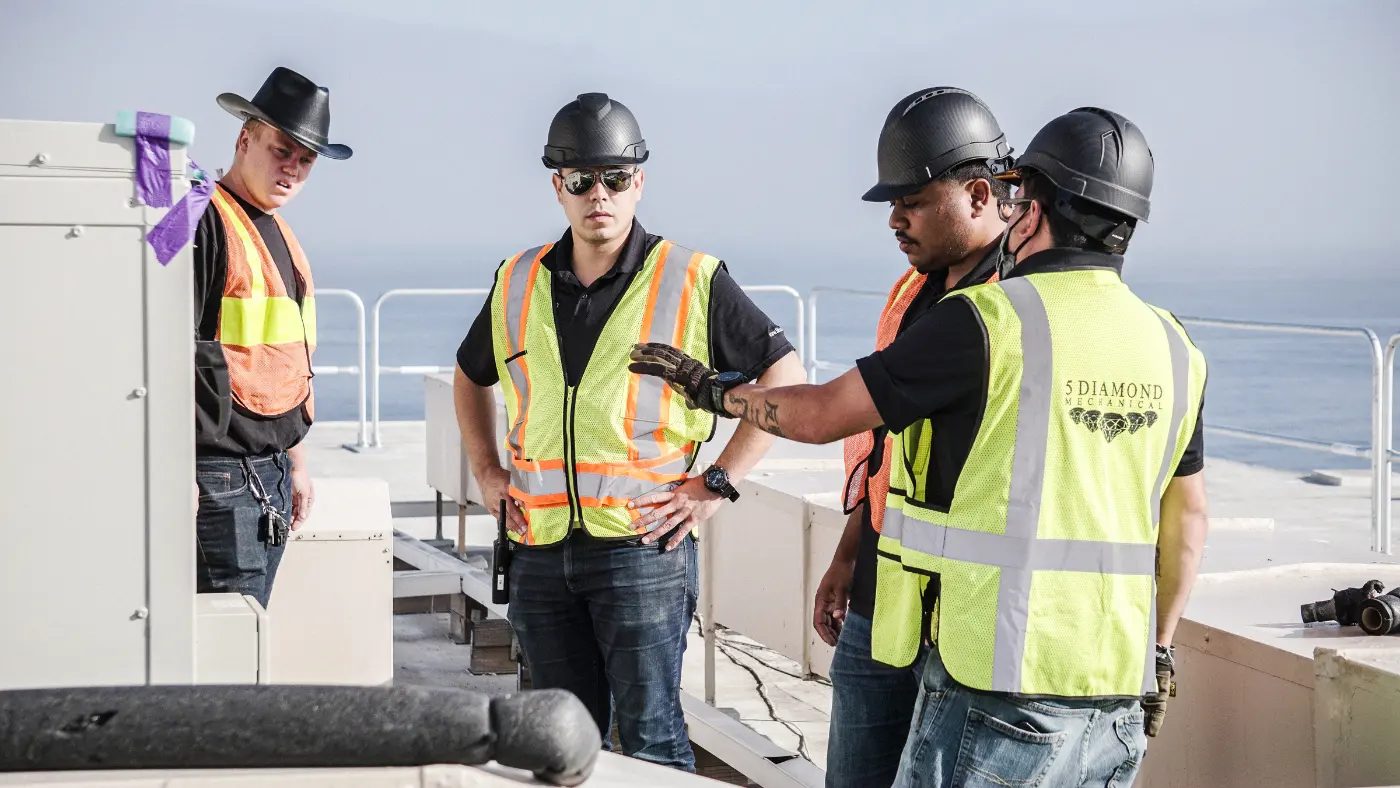
HVAC techs work in homes, offices, and industrial sites. They may enter cramped attics or large commercial buildings. Some tasks happen outdoors on rooftops or near machinery. Weather and space vary greatly between jobs. Each setting demands different tools and techniques.
Physical Demands
Technicians often lift heavy equipment and tools. They climb ladders and crouch in tight spaces. Standing for long hours is common. The work needs good hand-eye coordination and strength. Physical fitness helps perform tasks safely and efficiently.
Safety Practices
Safety is a top priority for HVAC techs. They wear protective gear like gloves and goggles. Proper handling of electrical parts prevents injuries. Working with refrigerants requires caution and training. Following safety rules keeps technicians and clients safe.
Career Growth Paths
HVAC technicians have many paths to grow their careers. The field offers various options to gain skills and increase responsibility. Career growth depends on training, experience, and specialization. Each path leads to better job roles and higher pay. Understanding these paths helps plan the next step effectively.
Certification Options
Certifications improve knowledge and job prospects for HVAC techs. They prove skills and help meet industry standards. Popular certifications include:
- EPA Section 608 Certification for handling refrigerants
- NATE Certification, a recognized industry standard
- HVAC Excellence Certification for technical proficiency
Certifications often require passing exams and renewing periodically. They increase trust with employers and customers alike.
Specialization Areas
Specializing helps HVAC techs focus on specific systems or skills. Specialization can lead to higher pay and expert status. Common areas include:
- Residential HVAC systems
- Commercial HVAC systems
- Refrigeration systems
- Energy management and green technologies
Specialists often work on complex projects and advanced technologies. This makes their role more valuable and challenging.
Advancement Opportunities
Experience and skills open doors to higher positions. HVAC techs can advance to roles such as:
- Lead technician supervising teams
- HVAC system designer or engineer
- Project manager handling installations
- Business owner running their own company
Advancement brings more responsibility and better income. Continuing education and networking support career growth.
Credit: www.cantrellsheatingandairconditioning.com
Common Challenges Faced
HVAC technicians face many challenges in their daily work. These challenges test their skills and patience. They must solve problems quickly and correctly. The job requires constant learning and strong communication with customers. Understanding these challenges helps appreciate the work HVAC techs do.
Dealing With Complex Repairs
Many HVAC systems are complicated. Technicians often encounter unexpected problems. They must find the root cause fast. Fixing issues may require special tools and parts. Sometimes, older systems lack manuals or clear instructions. Techs rely on experience and training to solve tough repairs.
Adapting To New Technologies
HVAC technology changes quickly. New systems use smart controls and energy-saving features. Technicians need to learn these new tools and methods. Training is needed to handle modern equipment safely. Keeping up with technology ensures better service and fewer mistakes.
Managing Customer Expectations
Customers want fast, affordable service. They may not understand the repair process. HVAC techs must explain issues clearly and kindly. Setting realistic timelines helps avoid frustration. Good communication builds trust and satisfaction.
Frequently Asked Questions
What Tasks Do Hvac Techs Perform Daily?
HVAC techs install, maintain, and repair heating, ventilation, and air conditioning systems. They inspect equipment, replace parts, and ensure optimal performance. Their work keeps indoor environments comfortable and energy-efficient.
How Do Hvac Technicians Diagnose System Problems?
Technicians use tools and diagnostic equipment to identify system faults. They check electrical components, refrigerant levels, and airflow. Accurate diagnosis helps in timely repairs and prevents costly breakdowns.
What Skills Are Essential For Hvac Technicians?
Key skills include mechanical knowledge, problem-solving, and attention to detail. HVAC techs must understand electrical systems and refrigerant handling. Good communication helps explain issues and solutions to customers.
How Often Should Hvac Systems Be Serviced By Technicians?
Regular servicing is recommended twice a year, ideally before summer and winter. This maintenance improves efficiency, extends system lifespan, and reduces repair risks. Technicians perform thorough inspections and cleanings during these visits.
Conclusion
HVAC techs keep your home comfortable all year. They install, fix, and maintain heating and cooling systems. Their work saves energy and lowers bills. Skilled hands ensure your system runs smoothly and safely. Understanding their role helps you appreciate their work more.
Trusting a good HVAC tech means fewer problems later. Clean air, warm winters, and cool summers start here. HVAC techs do more than you might think. They make your indoor life better every day.



