
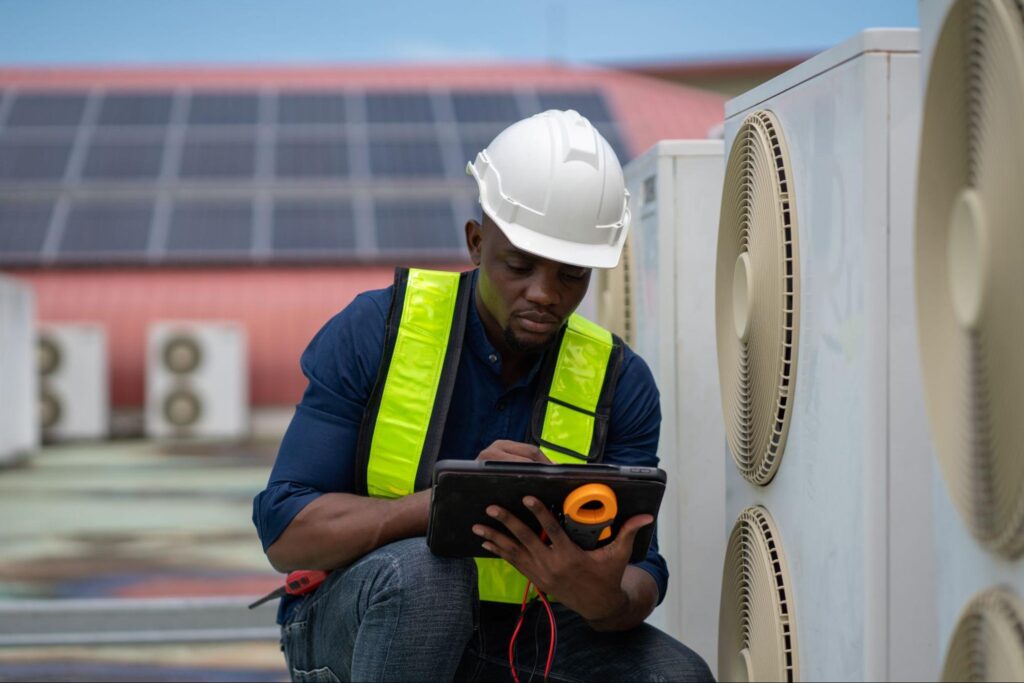
Have you ever wondered who keeps your home comfortable no matter the weather? An HVAC technician is the expert behind the scenes, making sure your heating, ventilation, and air conditioning systems work perfectly.
If you want to understand what they really do and why their job matters to your daily comfort, you’re in the right place. Keep reading, and you’ll discover the key tasks an HVAC technician handles—and how their skills can save you time, money, and hassle.
Credit: www.carrierenterprise.com
Role Of An Hvac Technician
The role of an HVAC technician is crucial in keeping your indoor environment comfortable and safe. These skilled professionals handle everything from installation to repair and maintenance of heating, ventilation, and air conditioning systems. Their expertise ensures your home or workplace stays warm in winter, cool in summer, and properly ventilated year-round.
Daily Responsibilities
Every day, an HVAC technician tackles a variety of tasks. They inspect equipment for wear and tear, diagnose problems, and perform repairs. You might find them replacing filters, checking refrigerant levels, or testing electrical connections.
They also install new systems and ensure they run efficiently. Documentation is key—they keep detailed records of services performed and parts used. Customer communication plays a big role too; technicians explain issues and solutions clearly to help you make informed decisions.
Types Of Systems Serviced
HVAC technicians work with multiple types of systems. These include central air conditioning units, furnaces, heat pumps, and ductless mini-split systems. Each system requires specific knowledge and tools to service properly.
They also handle ventilation systems that improve indoor air quality. This might involve cleaning ducts or installing air purifiers. Ever wondered how complex your building’s climate control can be? A skilled technician is trained to manage both residential and commercial systems, adapting techniques to meet different needs.
Key Technical Skills
HVAC technicians need strong technical skills to handle complex systems. These skills help them install, maintain, and repair heating and cooling units. Understanding these abilities gives insight into the work they perform daily.
System Installation
Installing HVAC systems requires precise knowledge and careful planning. Technicians must read blueprints and follow safety rules. They measure spaces, connect electrical wiring, and set up ductwork. Proper installation ensures efficient system performance and long-lasting operation.
Maintenance Techniques
Regular maintenance keeps HVAC systems running smoothly. Technicians clean filters, check refrigerant levels, and inspect components for wear. They lubricate moving parts and test system controls. Routine care prevents breakdowns and improves energy efficiency.
Troubleshooting And Repairs
Diagnosing problems demands sharp observation and problem-solving skills. Technicians use tools to test electrical circuits and measure temperatures. They identify faulty parts and fix issues quickly. Effective repairs restore comfort and safety in homes and buildings.
Safety Practices
Safety is not just a checklist for HVAC technicians; it’s a daily commitment that protects both the worker and the people in the buildings they service. Every task, from routine maintenance to emergency repairs, involves risks that must be managed carefully. Understanding the key safety practices can make a real difference in preventing accidents and ensuring a smooth job.
Handling Hazardous Materials
HVAC technicians often work with refrigerants, chemicals, and other hazardous materials. These substances can be harmful if inhaled, ingested, or if they come into contact with your skin.
You need to know how to store and dispose of these materials safely. Using proper protective gear like gloves and goggles is essential to avoid exposure. Always check the labels and safety data sheets before handling any chemical. Have you ever paused to think about the consequences of ignoring these warnings?
Workplace Safety Standards
Following workplace safety standards is a must for HVAC professionals. These standards include wearing personal protective equipment (PPE), using tools correctly, and maintaining a clean work environment.
Safety protocols such as lockout/tagout procedures prevent accidental machine start-ups during repairs. Keeping your workspace organized helps avoid slips and falls. Have you noticed how a simple habit like tidying up can make a big difference in your safety?
Customer Interaction
HVAC technicians talk with customers to understand heating and cooling problems. Clear communication helps them find the right solution quickly. They explain repairs and maintenance in simple terms.
Customer interaction is a crucial part of an HVAC technician’s role. Technicians must communicate effectively with clients to understand their needs. Building trust through clear communication ensures a positive experience.Communicating Issues And Solutions
Technicians explain HVAC problems in simple terms. They describe what went wrong and why. This helps customers understand the situation better. Then, they outline potential solutions. They provide options that fit the customer’s budget and needs. This transparency builds trust with clients.Providing Maintenance Advice
Technicians offer tips to prevent future issues. Simple maintenance advice keeps systems running smoothly. Customers appreciate easy-to-follow guidance. This knowledge empowers them to maintain their HVAC systems. Regular check-ups ensure long-lasting performance.Tools And Equipment Used
HVAC technicians rely on a variety of tools and equipment to diagnose, repair, and maintain heating and cooling systems efficiently. The right tools not only speed up the work but also ensure accuracy and safety. Understanding these tools can give you a better appreciation of the skill and precision involved in their daily tasks.
Diagnostic Tools
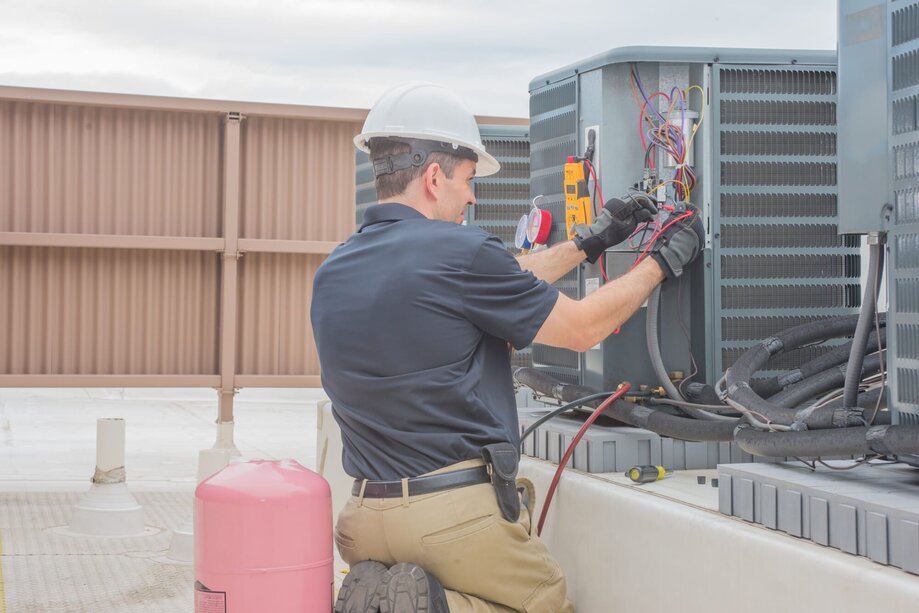
Diagnostic tools help HVAC technicians identify issues quickly and accurately. These include multimeters that measure electrical current and voltage, allowing the technician to check if components are receiving power properly.
Another key device is the refrigerant leak detector, which pinpoints leaks in the cooling system that can cause inefficiency or damage. Technicians also use digital thermometers and pressure gauges to monitor system performance in real-time.
Have you ever wondered how they find hidden problems without tearing apart your system? These diagnostic tools provide that insight, saving time and avoiding unnecessary repairs.
Repair Instruments
Once the problem is identified, repair instruments come into play. Wrenches and screwdrivers of various sizes are essential for loosening and tightening components.
Specialized tools like pipe cutters and flaring tools help technicians work with refrigerant lines, ensuring tight seals and proper flow. Vacuum pumps are used to remove air and moisture from refrigerant lines before recharging the system.
Safety gear such as gloves and goggles protect the technician during these hands-on repairs. These tools are not just about fixing parts—they ensure the repair lasts and the system runs smoothly afterward.

Credit: www.furnaceprices.ca
Career Path And Certifications
The career path of an HVAC technician involves learning key skills and gaining certifications. These credentials prove a technician’s knowledge and improve job opportunities. Training and licensing are important steps to become a trusted professional in heating, ventilation, and air conditioning.
Training Programs
Training programs provide the foundation for an HVAC career. Many community colleges and trade schools offer courses on system installation, repair, and maintenance. These programs teach electrical work, refrigeration, and safety procedures. Programs vary in length, usually from six months to two years.
Hands-on experience is part of most training programs. This practice helps students understand real-world challenges. Some programs include internships or apprenticeships with experienced technicians. These experiences build confidence and skill.
Licensing Requirements
Licensing rules differ by state or country but often require passing exams. These tests check knowledge of HVAC systems and local safety codes. Technicians must also demonstrate practical skills. Licensing ensures technicians work safely and follow regulations.
Many regions require technicians to renew licenses regularly. This process may include continuing education to stay updated on new technology. Certified technicians often have better job security and higher pay. Licensing is a key step in a successful HVAC career.
Credit: www.furnaceprices.ca
Frequently Asked Questions
What Tasks Does An Hvac Technician Perform Daily?
An HVAC technician installs, maintains, and repairs heating and cooling systems. They inspect equipment, diagnose issues, and replace faulty parts to ensure efficient operation.
How Do Hvac Technicians Troubleshoot System Problems?
They use specialized tools to identify system malfunctions. Technicians test components, analyze data, and apply solutions to fix heating, ventilation, or air conditioning issues.
What Skills Are Essential For Hvac Technicians?
Key skills include mechanical aptitude, problem-solving, and knowledge of electrical systems. Good communication and customer service skills are also important for effective work.
Why Is Regular Hvac Maintenance Important?
Regular maintenance prevents breakdowns, improves system efficiency, and extends equipment lifespan. It ensures optimal indoor air quality and reduces energy costs over time.
Conclusion
An HVAC technician keeps your heating and cooling systems working well. They install, repair, and maintain these systems every day. Their work ensures your home stays comfortable year-round. Skilled technicians also improve energy efficiency and save money. Knowing what they do helps you appreciate their role.
Trusting a qualified technician means better system performance and safety. Regular check-ups prevent costly breakdowns and extend system life. HVAC technicians play an important role in your comfort and health. Their expertise makes a real difference in your daily life.



