
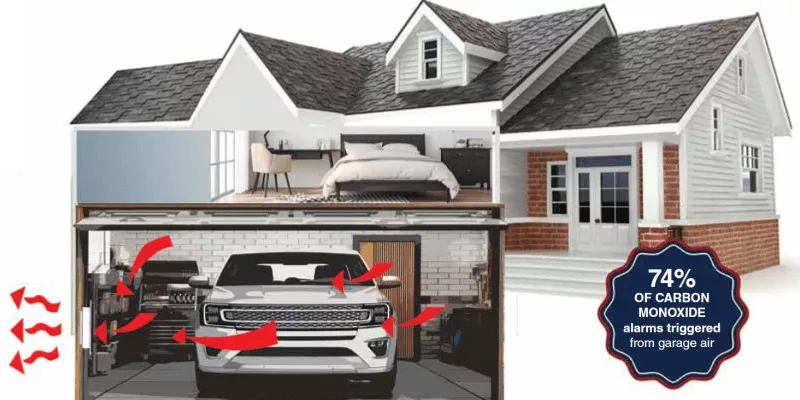
Are you worried about stale air, unpleasant smells, or even harmful fumes building up in your garage? Proper ventilation is the key to keeping your garage fresh, safe, and comfortable.
Whether you use your garage for parking, storage, or as a workshop, knowing how to ventilate it correctly can make a huge difference. You’ll discover simple, effective ways to improve airflow and protect your space. Keep reading, and you’ll learn how easy it is to create a healthier environment in your garage right now.

Credit: ezbreathe.com
Importance Of Garage Ventilation
Proper ventilation is key to maintaining a safe and comfortable garage. It helps keep air fresh and reduces risks linked to poor airflow. Ventilation also protects your garage structure and stored items. Understanding its importance encourages better care and healthier space.
Health And Safety Benefits
Good ventilation improves air quality by removing harmful gases. It lowers the chances of breathing in toxic fumes from cars or chemicals. Proper airflow also reduces the risk of carbon monoxide buildup. This keeps both people and pets safe while inside or near the garage.
Preventing Moisture And Mold
Ventilation controls humidity and prevents damp conditions. Moisture can cause mold growth, which damages walls and stored belongings. Dry air stops wood rot and rust on tools or vehicles. A well-ventilated garage stays cleaner and lasts longer.
Reducing Fumes And Odors
Cars and stored chemicals release strong odors and fumes. Ventilation pushes these out quickly to avoid unpleasant smells. It helps keep the garage smelling fresh and lessens health hazards. Continuous airflow prevents buildup of toxic and flammable gases.
Credit: www.homedepot.com
Types Of Garage Ventilation
Choosing the right type of ventilation for your garage can make a huge difference in air quality and comfort. Different ventilation types suit different garage setups and budgets. Understanding these options will help you decide what fits your space and needs best.
Natural Ventilation Methods
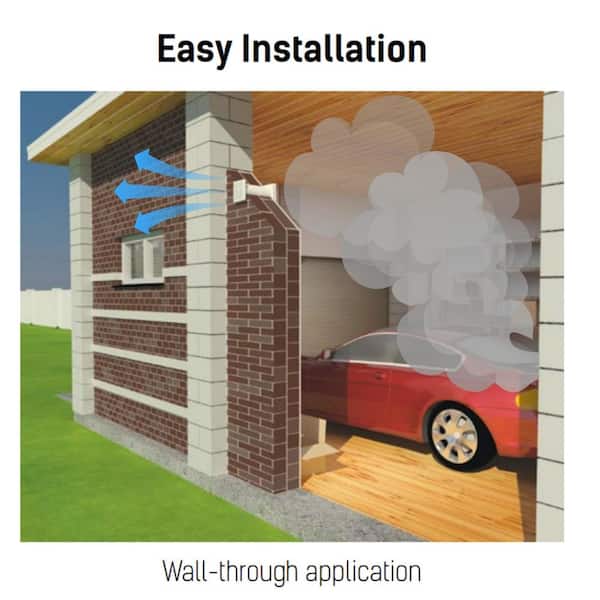
Natural ventilation uses airflow without electrical help. You can add vents on opposite walls to let fresh air in and push stale air out. Simple additions like louvered vents, windows, or even a ridge vent on the roof work well.
I once installed small vents near the floor and the roof in my garage. The cool air came in low, and warm air escaped up high, keeping the space fresh without extra cost. Have you considered where air naturally moves in your garage?
- Wall vents for cross-ventilation
- Windows that open to allow airflow
- Ridge vents or soffit vents to release hot air
Mechanical Ventilation Options
Mechanical ventilation uses fans or blowers to move air actively. Exhaust fans help remove fumes and moisture quickly, especially after working on projects or running engines. Intake fans can bring fresh air in when needed.
Adding a small, quiet exhaust fan near the ceiling made a big difference in my garage’s air quality after I started doing woodworking. It cleared sawdust and fumes fast. What tasks in your garage create the most air pollution?
- Exhaust fans mounted high on walls or ceilings
- Inline duct fans for larger garages
- Ceiling fans to circulate air
Hybrid Ventilation Systems
Hybrid systems combine natural and mechanical ventilation to get the best of both worlds. You might rely on vents for daily airflow but switch on fans during heavy work or hot days. This approach balances energy use and air quality.
My hybrid setup uses wall vents for constant airflow and a timer-controlled exhaust fan for busy days. It’s energy efficient and keeps the garage comfortable year-round. How could a hybrid system fit your garage use and climate?
- Natural vents paired with ceiling or exhaust fans
- Automated systems that activate fans when humidity or fumes rise
- Adjustable vents combined with mechanical fans for seasonal changes
Planning Your Ventilation Setup
Planning your garage ventilation setup is essential to ensure fresh air circulates effectively and harmful fumes don’t build up. A well-thought-out plan saves you time and money while improving the air quality inside your garage. Before installing vents or fans, it’s crucial to understand the specific needs of your garage space.
Assessing Garage Size And Layout
Start by measuring your garage’s dimensions—length, width, and height. Larger garages need more ventilation points, while smaller ones might require just a simple vent or exhaust fan.
Think about how your garage is arranged. Are there workbenches, storage shelves, or vehicles parked inside? These elements can block airflow or create pockets of stagnant air.
Consider whether your garage is attached to your home or detached. Attached garages might need extra precautions to prevent fumes from entering living spaces.
Identifying Airflow Patterns
Observe how air moves naturally through your garage. Open the door and windows (if any) and notice where the air comes in and goes out.
Do you feel any areas where air feels trapped or still? These spots often need additional ventilation to avoid moisture buildup and odors.
Try a simple test: light a stick of incense or use a small piece of tissue near vents or openings. Watch how smoke or the tissue moves to understand the direction and strength of airflow.
Local Climate Considerations
Your local weather plays a big role in deciding the best ventilation setup. In hot, humid climates, you’ll want vents that promote strong airflow to reduce moisture and heat.
In colder areas, it’s important to balance ventilation with insulation to keep your garage warm while preventing dampness.
Think about seasonal changes too—what works well in summer might not be ideal in winter. Adjustable vents or fans can provide flexibility throughout the year.

Credit: www.duramaxshedsdirect.com
Installing Vents And Fans
Installing vents and fans is key to good garage ventilation. They help move fresh air in and push stale air out. Proper installation reduces moisture and harmful fumes. It keeps the garage safe and comfortable.
Choosing The Right Vent Types
Select vents based on garage size and wall type. Common vents include:
- Louvered vents for wall installation.
- Ridge vents for roof placement.
- Gable vents near the top of walls.
Pick vents that allow airflow but block rain and pests. Materials like metal or durable plastic last longer.
Proper Placement Of Vents
Place vents to create natural airflow paths. Install intake vents low on one wall. Exhaust vents should be high on the opposite wall or roof.
This setup encourages warm air to rise and exit. Keep vents clear of obstructions like shelves or tools. Balance intake and exhaust vents for steady air movement.
Selecting And Positioning Exhaust Fans
Choose exhaust fans sized for your garage volume. Larger garages need fans with higher airflow rates (CFM). Fans with thermostats turn on automatically at set temperatures.
Install exhaust fans near the ceiling or roof. This removes hot air and fumes efficiently. Position fans away from intake vents to avoid short-circuiting airflow. Make sure fans are weatherproof and properly sealed.
Maintaining Garage Air Quality
Ensure fresh air in your garage with proper ventilation. Open windows and doors to improve airflow. Use fans or vents to remove pollutants and maintain a healthy environment.
Maintaining air quality in your garage is crucial for health and safety. Poor ventilation can lead to harmful fumes and odors. Proper air flow keeps the space fresh and breathable. Several strategies can help maintain good air quality in your garage.Regular Cleaning And Inspection
Clean your garage regularly to reduce dust and debris. Sweep and mop the floors at least once a month. Inspect the garage for mold and mildew signs. Check for leaks or water damage. Remove clutter to improve air circulation. A tidy garage is easier to ventilate.Using Air Purifiers And Dehumidifiers
Air purifiers can remove pollutants from the air. Choose a purifier suitable for your garage size. Dehumidifiers help by reducing moisture levels. This prevents mold and mildew growth. Place them in damp or musty areas. These devices improve air quality significantly.Sealing Gaps And Cracks
Gaps and cracks allow pollutants to enter. Seal them to improve insulation and air quality. Use caulk or weatherstripping for doors and windows. Inspect the garage door for gaps. Sealing keeps out dust, pests, and outside air. It makes ventilation more efficient.Energy Efficiency Tips
Keeping your garage well-ventilated saves energy and cuts costs. Proper ventilation controls temperature and moisture. It also protects your tools and stored items. Smart choices can improve airflow without wasting heat or cooling. These energy efficiency tips help maintain comfort and lower bills.
Balancing Ventilation And Insulation
Good insulation keeps heat inside during winter. Ventilation removes hot air in summer. Both must work together for energy savings. Use vents that allow air to flow but limit heat loss. Seal gaps around doors and windows to keep air tight. Choose insulation materials that suit your climate.
Automated Ventilation Controls
Automatic vents adjust airflow based on temperature and humidity. They open when the garage gets too warm or damp. Close vents during cold weather to keep heat inside. These controls reduce energy waste by running only when needed. Sensors and timers improve efficiency and convenience.
Weatherproofing Vents
Weatherproof vents block rain, snow, and pests. Use covers or screens to protect openings. Proper sealing prevents drafts that raise heating or cooling costs. Check vents regularly for damage or blockages. Choose vents made from durable, weather-resistant materials for long life.
Common Mistakes To Avoid
Proper garage ventilation is essential for safety and comfort. Many people make mistakes that reduce ventilation effectiveness or cause hazards. Avoiding common errors can help maintain fresh air and prevent damage.
Overventilation Issues
Too much ventilation can cause problems like energy loss and drafts. Excess air flow may bring dust and pests inside. Balance is key—ventilate enough to clear fumes but not so much that it lowers temperature control.
Ignoring Safety Codes
Local building codes set rules for garage ventilation. Ignoring these rules risks fines and unsafe conditions. Follow guidelines for vent size, placement, and materials. Proper installation protects your home and family.
Neglecting Regular Maintenance
Vents and fans need regular checks to work well. Dirt and debris can block airflow and reduce efficiency. Clean vents often and inspect fans for damage. Timely upkeep extends system life and keeps air fresh.
Frequently Asked Questions
How Can I Improve Garage Ventilation Effectively?
To improve garage ventilation, install vents, exhaust fans, or windows. This helps circulate fresh air and remove fumes. Proper ventilation prevents moisture buildup and reduces harmful gases.
Why Is Garage Ventilation Important For Safety?
Garage ventilation removes toxic fumes from vehicles and chemicals. Proper airflow reduces fire risks and improves air quality. It protects your health and prevents mold growth.
What Types Of Vents Work Best For Garages?
Louvered vents, ridge vents, and soffit vents work well. Combining intake and exhaust vents ensures efficient air exchange. Choose vents based on garage size and climate.
Can I Ventilate My Garage Without Windows?
Yes, use powered exhaust fans or wall vents if no windows exist. These devices promote airflow and remove stale air. Ensure vents are placed for optimal cross-ventilation.
Conclusion
Proper garage ventilation keeps air fresh and reduces moisture. Good airflow helps prevent mold and rust on tools and vehicles. Simple steps like adding vents or fans make a big difference. Safe air improves your health and protects your belongings.
Take time to check your garage’s ventilation regularly. Small changes lead to a cleaner, safer space for work and storage. Breathe easier and keep your garage comfortable all year round.



