
Have you ever wondered what the “R” in HVAC R stands for? If you’ve come across this term and felt a bit confused, you’re not alone.
Understanding this simple letter can change the way you think about heating, ventilation, and air conditioning systems in your home or workplace. By the time you finish reading, you’ll know exactly what HVAC R means—and why it matters to your comfort and energy bills.
Keep reading to uncover the key to smarter climate control.
Hvac Basics
Understanding the basics of HVAC is essential if you want to know what HVAC R stands for and how these systems work in your home or workplace. HVAC systems control the indoor climate, providing comfort regardless of the weather outside. Grasping the key elements helps you make better decisions about maintenance, repairs, or upgrades.
What Hvac Means
HVAC stands for Heating, Ventilation, and Air Conditioning. Each part plays a crucial role:
- Heating:Warms your space during cold months.
- Ventilation:Circulates fresh air, removes odors, and controls humidity.
- Air Conditioning:Cools down your environment in hot weather.
Have you ever wondered why your air feels stale sometimes? That’s often due to poor ventilation, showing just how important this part of HVAC really is.
Key Components In Hvac Systems
Your HVAC system is made up of various parts working together to keep your space comfortable. Here are the main components:
- Thermostat:The control center that lets you set your desired temperature.
- Furnace or Heat Pump:Provides heat to your home.
- Air Conditioner:Removes heat and cools the air.
- Evaporator Coil:Absorbs heat from the air inside your home.
- Condensing Unit:Releases the heat outside.
- Ductwork:Channels the air throughout your space.
Knowing these parts can help you identify issues faster. For instance, if your thermostat is faulty, your system won’t maintain the right temperature, causing discomfort and higher energy bills.
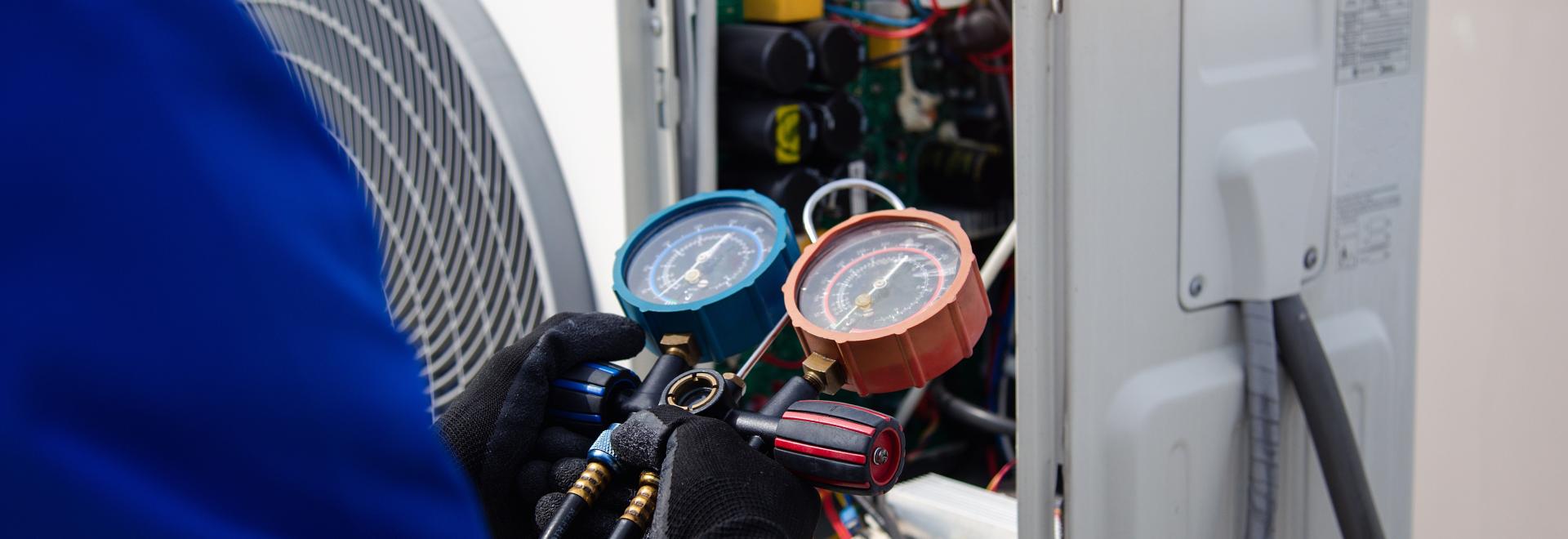
Credit: www.pippinbrothers.com
Meaning Of Hvac R
The term HVAC Roften pops up when discussing heating, ventilation, air conditioning, and refrigeration systems. But what exactly does it mean? Understanding the full scope of HVAC R can help you make smarter decisions about your home’s comfort and energy efficiency.
Role Of Refrigeration In Hvac
Refrigeration is the key element that sets HVAC R apart from just HVAC. It involves removing heat from a space to cool it down, which is crucial for air conditioning systems.
Think about your refrigerator at home. It uses refrigeration to keep food fresh by removing heat. Similarly, HVAC R systems use refrigeration to control indoor temperatures, making your environment comfortable during hot days.
Without refrigeration, air conditioning wouldn’t work effectively. It’s the backbone of cooling technology, and understanding it helps you appreciate how these systems maintain your comfort.
Differences Between Hvac And Hvacr
The main difference lies in the addition of refrigeration. HVAC covers heating, ventilation, and air conditioning, focusing on temperature and air quality control.
HVAC R includes refrigeration, which means it handles cooling in a more technical sense, especially for commercial and industrial needs like cold storage and food preservation.
- HVAC:Heating, Ventilation, Air Conditioning
- HVAC R:Heating, Ventilation, Air Conditioning, Refrigeration
Knowing the difference can influence your choice when hiring professionals or purchasing equipment. Are you looking for basic temperature control or do you need specialized refrigeration services? This distinction matters for your comfort and budget.
Common Hvacr Terminology
Understanding common HVACR terminology can make a huge difference when you’re dealing with heating, ventilation, air conditioning, and refrigeration systems. Knowing the right terms helps you communicate clearly with technicians and make smarter choices for your home or business. Let’s break down some key terms that often come up, so you’re never left guessing what an acronym or rating means.
Types Of Refrigerants
Refrigerants are the substances that transfer heat in HVACR systems. You might see names like R-22, R-410A, or R-134a. Each type has different properties and environmental impacts.
- R-22:Once common, but now being phased out due to ozone depletion concerns.
- R-410A:A popular, more eco-friendly replacement that offers better cooling efficiency.
- R-134a:Mostly used in refrigeration and automotive air conditioning systems.
Have you checked which refrigerant your system uses? It affects maintenance costs and system lifespan.
Hvac System Ratings
Ratings tell you how well your HVAC system performs. The most common ones include SEER, EER, and AFUE.
- SEER (Seasonal Energy Efficiency Ratio):Measures cooling efficiency over a season. Higher SEER means lower electricity bills.
- EER (Energy Efficiency Ratio):Measures efficiency at a specific outdoor temperature.
- AFUE (Annual Fuel Utilization Efficiency):Used for furnaces, indicating how efficiently fuel is converted into heat.
Knowing these ratings can help you compare different units before buying or upgrading. What rating does your current system have?
Energy Efficiency Terms
Energy efficiency terms tell you how much energy your HVACR system saves. These include ENERGY STAR certification and HSPF.
- ENERGY STAR:A label for products that meet strict energy-saving guidelines.
- HSPF (Heating Seasonal Performance Factor):Measures heating efficiency for heat pumps over a season.
Choosing energy-efficient equipment lowers your bills and reduces your environmental footprint. Are you ready to prioritize efficiency in your next HVAC purchase?
Importance Of Hvacr Knowledge
Understanding HVACR is important for many reasons. It covers heating, ventilation, air conditioning, and refrigeration. Knowing how these systems work helps people maintain comfort and safety indoors. It also saves energy and reduces bills.
Good HVACR knowledge helps spot problems early. This can prevent costly repairs or system failures. It also improves air quality by ensuring systems run properly.
Benefits For Homeowners
Homeowners with HVACR knowledge enjoy many benefits. They can maintain their systems better. This extends the life of equipment and keeps homes comfortable. They also know when to call a professional for repairs.
- Save money on energy bills
- Improve indoor air quality
- Prevent major system breakdowns
- Understand how to use controls effectively
Career Opportunities In Hvacr
HVACR knowledge opens many career paths. Technicians, installers, and engineers work in this field. Jobs are in homes, offices, factories, and stores. The demand for skilled workers is high worldwide.
- Good pay and job security
- Work indoors and outdoors
- Opportunities for training and growth
- Help people stay comfortable and safe
Choosing Hvacr Systems
Choosing the right HVACR system is essential for home comfort. HVACR stands for Heating, Ventilation, Air Conditioning, and Refrigeration. These systems regulate indoor temperature and air quality. Picking the best one means considering various factors.
Factors To Consider
Several factors influence the choice of an HVACR system. First, consider the size of your space. A system too large or small can be inefficient. Next, look at energy efficiency ratings. Higher ratings mean lower energy bills. Also, assess the climate of your area. Some systems work better in certain climates.
Consider the system’s noise levels. Quieter systems offer a more peaceful environment. Don’t forget your budget. Initial costs and long-term savings are important. Lastly, think about the system’s features. Modern HVACR systems offer smart controls and advanced settings.
Maintenance Tips For Efficiency
Regular maintenance keeps HVACR systems efficient. Clean or replace filters monthly. Dirty filters reduce airflow and efficiency. Check the thermostat regularly. Ensure it’s working correctly to maintain desired temperatures. Inspect the outdoor unit. Remove debris and ensure proper airflow.
Schedule professional inspections twice a year. Technicians can identify and fix potential issues early. Keep vents and ducts clean. Dust and dirt can block airflow and reduce system efficiency. Follow these tips for a long-lasting, efficient HVACR system.
Credit: www.trane.com
Credit: www.hvacr-world.com
Frequently Asked Questions
What Does Hvac R Stand For In Systems?
HVAC R stands for Heating, Ventilation, Air Conditioning, and Refrigeration. It refers to technologies that control indoor climate and air quality. The “R” highlights the refrigeration component, essential for cooling and preserving environments. This term covers all systems managing temperature and air flow.
Why Is The “r” Important In Hvac R?
The “R” represents refrigeration, vital for cooling processes. It distinguishes HVAC R from basic HVAC by including cooling and freezing functions. Refrigeration enables air conditioning units to maintain comfortable temperatures. It also supports food preservation and industrial cooling needs.
How Does Hvac R Impact Indoor Comfort?
HVAC R systems regulate temperature, humidity, and air purity efficiently. They provide heating in winter and cooling in summer. Proper ventilation ensures fresh air circulation. Refrigeration in these systems helps maintain ideal environments year-round, boosting comfort and health.
What Careers Use Hvac R Knowledge?
Careers in HVAC R include technicians, engineers, and installers. Professionals work on heating, cooling, and refrigeration system design and maintenance. This expertise is crucial for residential, commercial, and industrial climate control. The field offers diverse job opportunities with growing demand.
Conclusion
HVAC R stands for refrigerant used in heating and cooling systems. It helps move heat to keep indoor air comfortable. Knowing this term helps you understand HVAC basics. Proper use of refrigerants ensures your system works well and lasts longer.
Now, you can talk about HVAC with more confidence. Remember, simple terms make complex ideas easier. Keep learning to maintain a cozy home all year.



