
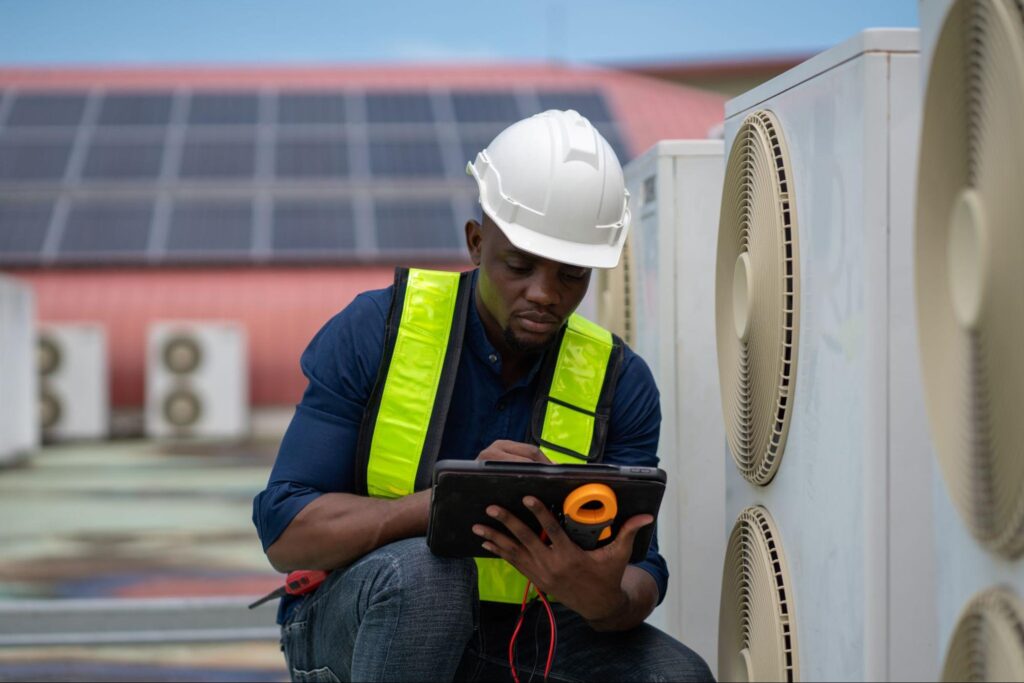
Have you ever wondered what an HVAC tech actually does? If you’ve ever felt confused about the people who fix your heater or air conditioner, you’re not alone.
Understanding what HVAC technicians do can help you take better care of your home’s comfort and save money on repairs. You’ll discover the key tasks these experts handle, how they keep your systems running smoothly, and why their work matters to your everyday life.
Keep reading—you might find out more than you expect about the people behind your perfect indoor climate.

Credit: www.furnaceprices.ca
Role Of An Hvac Technician
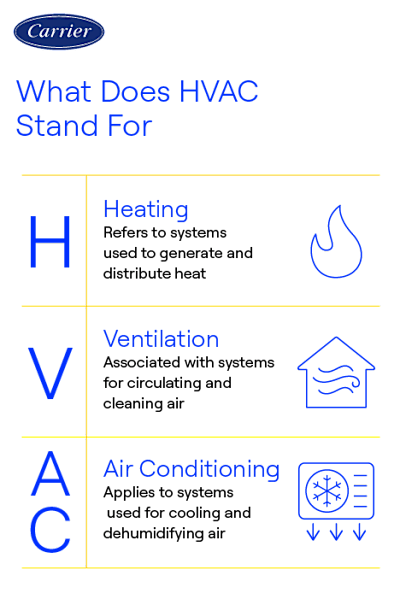
An HVAC technician plays a key role in keeping indoor spaces comfortable. They handle heating, ventilation, and air conditioning systems. Their work ensures homes and businesses stay warm in winter and cool in summer. These professionals also help improve air quality and energy efficiency.
Their job requires strong technical skills and problem-solving abilities. They inspect, install, and repair HVAC systems. Each day brings new challenges and tasks to complete.
Daily Responsibilities
- Inspect HVAC systems for proper operation
- Diagnose and fix mechanical and electrical issues
- Install new heating and cooling equipment
- Perform routine maintenance tasks
- Test system performance and safety
- Explain repairs and recommendations to customers
- Keep records of service and repairs
Types Of Systems Serviced
- Central air conditioning units
- Furnaces and boilers
- Heat pumps
- Ventilation fans and ducts
- Thermostats and controls
- Refrigeration systems
Work Environments
HVAC technicians work in diverse settings. They visit residential homes for repairs and installations. Commercial buildings require larger, complex systems. Industrial sites have specialized HVAC needs. Some technicians work indoors, others outdoors. The job may involve climbing ladders and crawling in tight spaces.
Credit: www.carrier.com
Key Technical Skills
Mastering key technical skills is essential for any HVAC technician to perform effectively. These skills ensure you can handle the complex systems involved in heating, ventilation, and air conditioning with confidence. Whether installing a new unit or diagnosing a tricky problem, your technical abilities make all the difference.
System Installation
Installing HVAC systems demands precision and a thorough understanding of various components. You need to read blueprints and wiring diagrams accurately to place equipment correctly.
Handling refrigerants safely and connecting electrical wiring without error are crucial steps. Have you ever struggled to align ducts or pipes in tight spaces? That hands-on experience sharpens your skills faster than any manual.
Maintenance And Repair
Regular maintenance keeps HVAC systems running smoothly and prevents costly breakdowns. You should know how to clean filters, lubricate moving parts, and check system pressures.
Repairs often require replacing faulty parts or fixing leaks quickly. Your ability to spot worn-out components before they fail can save your customers time and money, building their trust in your expertise.
Troubleshooting Techniques
Effective troubleshooting starts with a systematic approach to identify problems. You gather symptoms, test system functions, and use diagnostic tools like multimeters and pressure gauges.
Thinking logically helps you narrow down issues step-by-step. Have you ever found that a simple sensor reset fixed what seemed like a major breakdown? These moments highlight how sharp troubleshooting skills boost your efficiency and customer satisfaction.
Soft Skills For Success
Soft skills play a big role in the success of an HVAC technician. These skills help in handling daily tasks smoothly and building trust with customers. Good soft skills make technical knowledge more effective and improve teamwork.
Communication Abilities
Clear communication helps HVAC techs explain problems and solutions simply. They must listen carefully to customer concerns. Good communication prevents misunderstandings and builds customer trust. It also helps in working well with other team members.
Problem-solving Skills
HVAC technicians face new challenges every day. Strong problem-solving skills help them find quick and effective solutions. They analyze the issue, test different fixes, and choose the best option. This skill reduces downtime and keeps customers happy.
Time Management
Managing time well is key for HVAC techs. They often handle multiple jobs in one day. Good time management ensures each job finishes on schedule. It also helps techs prepare for emergencies without stress.
Tools And Equipment Used
HVAC technicians rely on a variety of tools and equipment to fix, maintain, and install heating and cooling systems. These tools help them work accurately and safely. Each tool plays a special role in solving different HVAC problems. Understanding these tools gives a clear picture of what an HVAC tech does daily.
Diagnostic Instruments
Diagnostic instruments help HVAC techs find system issues quickly. They measure temperature, pressure, and electrical currents. Common tools include:
- Multimeters for checking voltage and resistance
- Manifold gauges to test refrigerant pressure
- Thermometers to measure air and surface temperatures
- Leak detectors for finding refrigerant leaks
These instruments provide precise data. They guide the tech in fixing problems correctly.
Safety Gear
Safety gear protects HVAC technicians from injuries. Working with electricity and chemicals can be risky. Essential safety equipment includes:
- Gloves to protect hands from sharp edges and chemicals
- Safety glasses to shield eyes from debris
- Respirators to avoid inhaling dust and fumes
- Steel-toe boots for foot protection
Using safety gear reduces accidents on the job.
Common Hand Tools
Hand tools are the basics for any HVAC repair or installation. They help technicians handle parts and components. Typical hand tools are:
- Screwdrivers for tightening or loosening screws
- Pliers for gripping and bending wires
- Wrenches to tighten nuts and bolts
- Wire strippers for cutting and stripping wires
These tools are easy to carry and essential for daily tasks.
Training And Certification
Training and Certification HVAC technicians install, maintain, and repair heating, ventilation, and air conditioning systems. They ensure optimal climate control in buildings. Proper training and certification equip them to handle complex systems and ensure safety standards are met.
Training and certification are crucial for HVAC technicians. These professionals handle heating, ventilation, and air conditioning systems. Proper training ensures they have the right skills. Certification validates their expertise. This section explores the training and certification path for HVAC techs.Education Pathways
Aspiring HVAC techs can start with a high school diploma. Courses in math, physics, and engineering are beneficial. Technical schools offer specialized HVAC programs. These programs provide hands-on training. They cover system design, installation, and maintenance. Some programs offer apprenticeships. Apprenticeships combine classroom learning and on-the-job training.Industry Certifications
Certifications improve job prospects for HVAC techs. The EPA Section 608 Certification is essential. It allows techs to handle refrigerants safely. Other popular certifications include NATE and HVAC Excellence. NATE is widely recognized. It tests knowledge in specific HVAC areas. HVAC Excellence offers both entry-level and advanced certifications.Continuing Education
Continuing education keeps HVAC techs updated. Technology and regulations often change. Courses and workshops help techs learn new skills. Some states require ongoing education for license renewal. Online courses offer flexible learning options. This allows techs to balance work and study. Continuing education benefits both the tech and their employer.Career Growth Opportunities
Career growth opportunities in the HVAC field are diverse and promising. If you’re wondering how far you can go as an HVAC technician, the potential paths and specializations can shape your professional future. Understanding these options helps you plan your next steps and maximize your skills.
Specializations
HVAC technicians can specialize in various areas, each offering unique challenges and rewards. You might focus on residential systems, commercial refrigeration, or industrial HVAC setups. Some technicians choose to work with green technologies, like solar-powered heating and cooling, which is becoming increasingly popular.
Specializing lets you become an expert in a niche, which can make you more valuable to employers and clients. Have you considered which specialization aligns with your interests and the market demand in your area?
Advancement Paths
Moving up in the HVAC field often means gaining certifications and experience. You could advance from a technician role to a supervisor or even a project manager overseeing multiple jobs. Some HVAC pros start their own service companies, controlling their work and income.
Technical skills combined with leadership ability open doors to management and training positions. Are you ready to take on responsibilities beyond hands-on work, like mentoring new technicians or managing a team?
Earning Potential
Salary growth in HVAC careers varies with specialization, location, and experience. Entry-level technicians earn a solid income, but with certifications and expertise, your earning potential rises significantly. Specialized skills, such as working on commercial refrigeration systems, can command higher pay.
Contracting your own services or working for high-end clients can also boost your income. What steps can you take today to increase your value and boost your paycheck in the HVAC industry?
Challenges In The Hvac Field
Working as an HVAC technician comes with unique challenges that test both your physical endurance and mental agility. Understanding these hurdles can help you prepare better for the demands of the job and excel in your career. Let’s dive into some of the main challenges you’ll face in the HVAC field.
Physical Demands
HVAC work is far from a desk job. You’ll often find yourself lifting heavy equipment, crawling into tight spaces, and working in awkward positions for extended periods.
One day, I had to carry a bulky air conditioning unit up a narrow staircase. It was exhausting, but it reminded me that physical strength and stamina are crucial. Are you ready to stay active and strong to meet these demands?
Weather Conditions
Unlike many other jobs, HVAC techs work in all types of weather. Whether it’s scorching heat, freezing cold, or pouring rain, you’re expected to fix systems on-site.
Imagine repairing a furnace during a snowstorm or installing an AC unit on a 100-degree day. These conditions can be tough and dangerous. How do you plan to protect yourself while maintaining high-quality work?
Staying Updated With Technology
The HVAC industry evolves quickly with new tools, energy-efficient systems, and smart home integrations. Keeping your knowledge current is essential to stay competitive.
When I first encountered a new smart thermostat system, I had to learn the software and wiring quickly to avoid delays. Regular training and self-study can keep you ahead. How will you make continuous learning part of your routine?

Credit: www.searshomeservices.com
Frequently Asked Questions
What Are The Main Duties Of An Hvac Technician?
An HVAC technician installs, maintains, and repairs heating, ventilation, and air conditioning systems. They ensure systems run efficiently and safely. Tasks include troubleshooting, cleaning, and replacing parts. They also perform inspections and advise on energy-saving options.
How Does An Hvac Tech Diagnose System Problems?
HVAC techs use tools like gauges and meters to test system components. They check for leaks, electrical faults, and airflow issues. Diagnostics involve visual inspections and performance testing. This helps identify problems quickly and accurately for effective repairs.
What Skills Are Essential For An Hvac Technician?
Key skills include mechanical knowledge, problem-solving, and attention to detail. Technicians must understand electrical systems and safety protocols. Good communication helps explain issues to clients. Physical stamina and technical training are also crucial for success.
Why Is Regular Hvac Maintenance Important?
Regular maintenance keeps systems efficient and extends their lifespan. It prevents breakdowns by identifying issues early. Clean filters and components improve air quality. Maintenance also reduces energy costs and ensures safe operation.
Conclusion
HVAC technicians keep homes and buildings comfortable year-round. They install, repair, and maintain heating and cooling systems. These pros ensure air quality stays good and energy use stays low. Their work helps prevent costly breakdowns and saves money. Understanding their role shows why they are important.
Next time your system acts up, you’ll know who to call. HVAC techs play a key part in daily comfort and safety. Simple but vital work that often goes unseen.



