
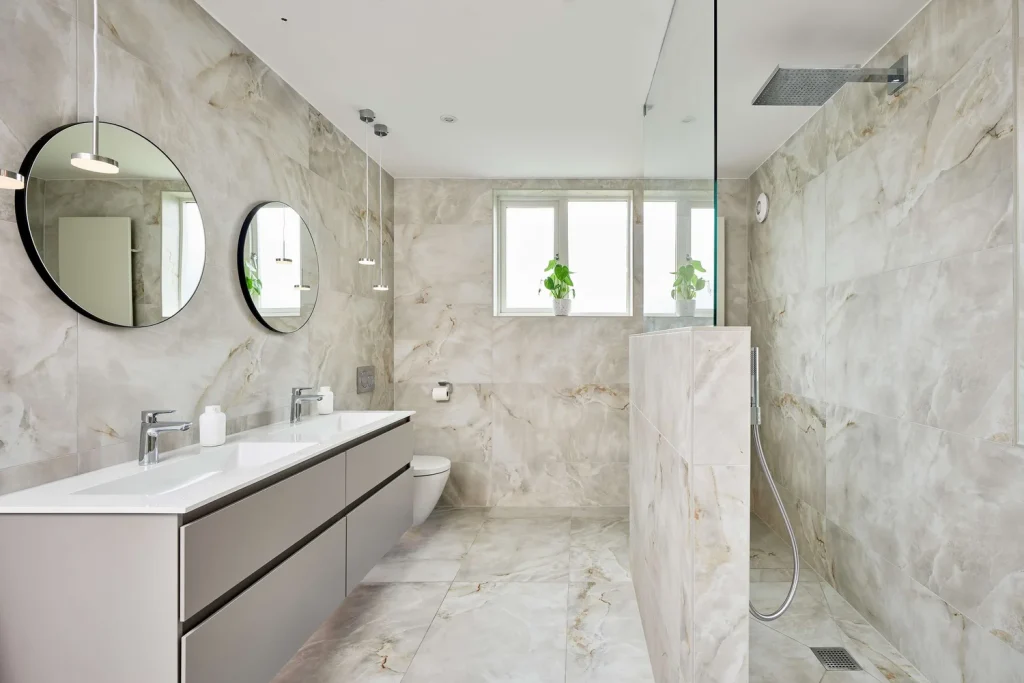
Is your bathroom feeling damp, musty, or foggy after every shower? Poor ventilation can cause all these problems and more, like mold growth and bad odors.
You might not realize it, but proper airflow in your bathroom is key to keeping it fresh, healthy, and comfortable. You’ll discover simple, effective ways to ventilate your bathroom. By the end, you’ll have easy solutions that protect your space and make your daily routine much better.
Ready to breathe new life into your bathroom? Let’s get started!

Credit: fbcremodel.com
Why Bathroom Ventilation Matters
Proper bathroom ventilation is more than just a comfort feature; it plays a crucial role in maintaining a safe and pleasant environment. Without adequate airflow, moisture lingers and creates problems that affect your health, your home, and your wallet. Understanding why ventilation matters helps you take the right steps to keep your bathroom fresh and damage-free.
Health Risks Of Poor Ventilation
Stale, humid air in your bathroom can lead to serious health concerns. Excess moisture encourages bacteria and allergens to grow, which can worsen asthma and allergies. You might not notice immediately, but over time, poor ventilation can cause headaches, respiratory issues, and skin irritations.
Have you ever felt uncomfortable breathing in your bathroom? That’s a clear sign you need better ventilation to protect your lungs and overall well-being.
Preventing Mold And Mildew
Mold and mildew thrive in damp, poorly ventilated spaces. These fungi not only damage walls and ceilings but also release spores that harm your health. Once mold appears, it can spread quickly and become costly to remove.
Keeping your bathroom dry and aired out prevents mold growth. Simple actions like using an exhaust fan or opening a window after a shower can stop mold before it starts.
Protecting Bathroom Fixtures
Moisture buildup can ruin your bathroom fixtures over time. Wood cabinets warp, metal faucets corrode, and paint peels away when exposed to constant humidity. This leads to expensive repairs and replacements you could avoid.
Good ventilation helps maintain the condition of your bathroom’s surfaces and fixtures. It preserves your investment and keeps your space looking fresh longer.
Credit: www.angi.com
Types Of Bathroom Ventilation
Knowing the types of bathroom ventilation can help you choose the right solution for your space. Proper ventilation removes moisture, prevents mold growth, and keeps your bathroom fresh. Let’s look at some popular options that can work for different bathrooms and budgets.
Exhaust Fans
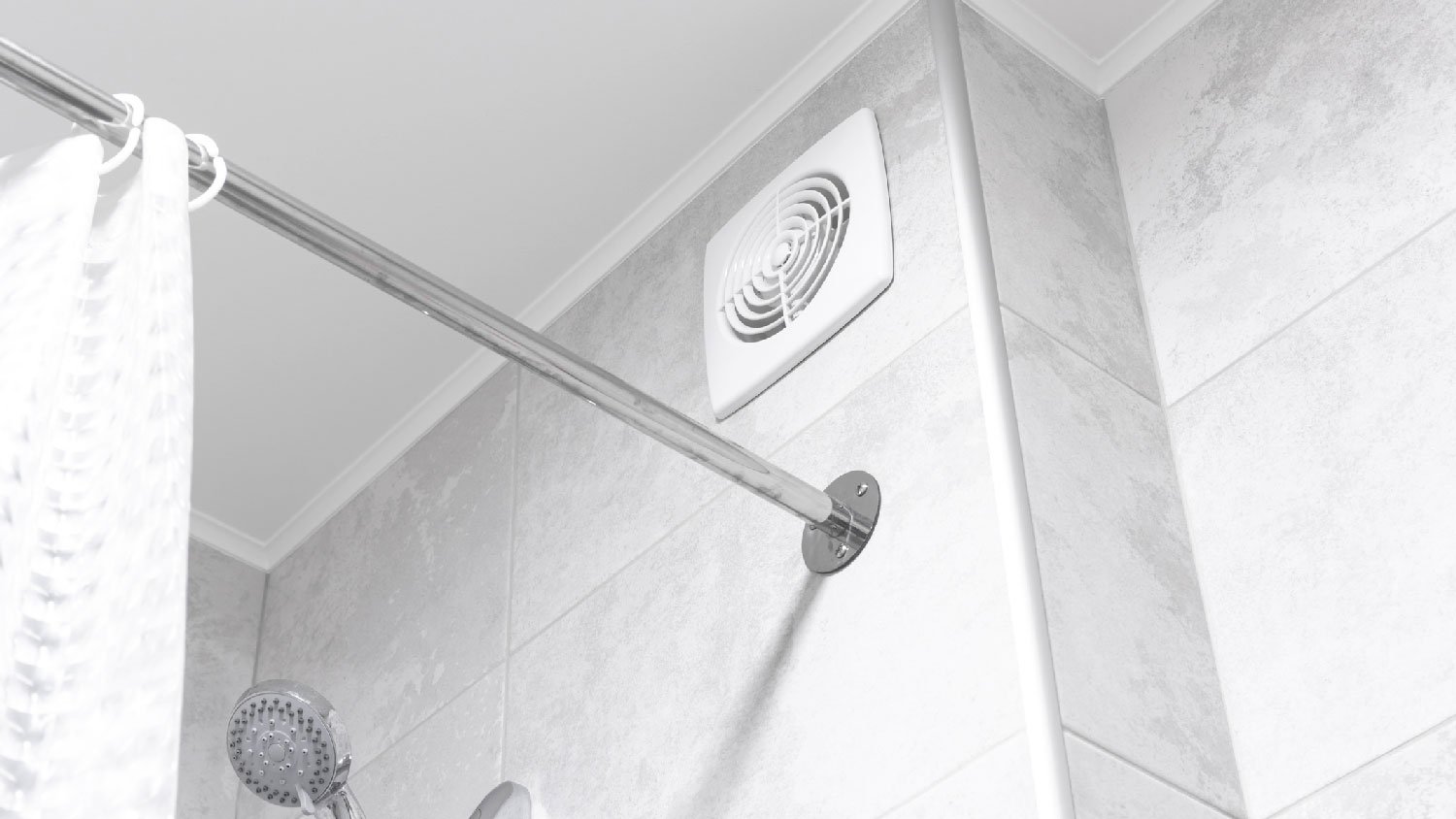
Exhaust fans are the most common choice for bathroom ventilation. They quickly pull humid air out and send it outside, reducing moisture buildup.
Installing an exhaust fan close to the shower or tub maximizes efficiency. Some models come with built-in lights or heaters, adding extra comfort.
Think about the fan’s size and noise level. A quiet, powerful fan makes a big difference in your daily experience.
Windows And Natural Ventilation
Windows offer a simple and cost-free way to ventilate your bathroom. Opening a window lets fresh air in and moist air out naturally.
If your bathroom has a window, use it regularly, especially after showers. Adding a screen keeps bugs away while letting air flow.
Not all bathrooms have windows, though. If yours does, consider how often you can realistically open it to maintain good air quality.
Dehumidifiers And Air Purifiers
Dehumidifiers help reduce moisture when installing a fan or window isn’t an option. They suck moisture from the air, cutting down on dampness and mildew.
Air purifiers improve air quality by removing odors and airborne particles, which is helpful if your bathroom lacks ventilation.
Both devices need regular maintenance, like emptying water tanks or changing filters. Are you ready to add this extra step to your routine?
Choosing The Right Exhaust Fan
Choosing the right exhaust fan is key for a fresh, dry bathroom. A good fan controls moisture and prevents mold. It also keeps the air clear and odor-free. Picking the right one depends on several factors.
Fan Capacity And Size
Fan capacity is measured in cubic feet per minute (CFM). This shows how much air the fan moves in one minute. A bigger bathroom needs a fan with higher CFM. Use this rule: multiply the room’s square footage by 1.1 to 1.5. For example, a 50 sq ft bathroom needs a fan around 55 to 75 CFM.
Size matters. The fan must fit your bathroom space and ceiling height. A fan too small won’t clear moisture well. Too large can waste energy and be noisy.
Noise Levels
Noise level is measured in sones. Lower sone means quieter fan operation. Quiet fans score 1.0 sone or less. Noisy fans can be 4 sones or higher. A loud fan may annoy you and stop you from using it.
Choose a fan with low sones for comfort. Check product labels for noise ratings before buying.
Energy Efficiency
Energy-efficient fans save money on electric bills. Look for fans with ENERGY STAR ratings. These fans use less power but still work well. Some models have timers or humidity sensors. These features turn the fan off automatically, saving energy.
Investing in an efficient fan helps the environment. It also reduces your home’s overall energy use.
Installing Bathroom Ventilation
Installing bathroom ventilation is crucial to keep your space fresh, reduce moisture buildup, and prevent mold growth. A well-placed, properly installed vent fan can make a big difference in air quality and comfort. Let’s look at what you need to consider for a successful installation.
Placement Tips
Position your bathroom vent fan close to the shower or bathtub where most moisture is generated. This helps capture steam right at the source before it spreads.
Make sure the fan is centrally located if your bathroom has multiple moisture sources. Avoid installing it too close to lighting fixtures to prevent heat issues.
Think about the direction of airflow. Venting directly outside through an exterior wall or roof is best to avoid moisture problems inside your home.
Ductwork Essentials
Use smooth, rigid ductwork to connect the fan to the vent outlet. Flexible ducts can trap moisture and reduce airflow efficiency.
Keep the duct as short and straight as possible. Long or winding ducts make it harder for air to escape and can cause the fan to work harder.
Seal all duct connections tightly with metal tape, not duct tape, to prevent leaks. Insulate ducts running through cold spaces to avoid condensation buildup.
Professional Vs Diy Installation
Installing a bathroom vent fan yourself can save money, but it requires basic electrical and carpentry skills. Are you comfortable handling wiring and cutting holes in walls or ceilings?
Hiring a professional ensures the job is done safely and meets local building codes. They can also advise on the best fan size and placement for your space.
Consider your budget and skill level. A poorly installed vent can cause more harm than good, so weigh the risks before deciding.
Maintaining Fresh Air Daily
Opening a window or using an exhaust fan helps remove moisture and odors from the bathroom. Proper ventilation keeps the air fresh and prevents mold growth. Regularly airing out the space improves comfort and hygiene.
Maintaining fresh air daily in your bathroom is essential for your health and comfort. Stale air can lead to unpleasant odors and even mold growth. Let’s explore some practical ways to ensure your bathroom remains a fresh and inviting space every day.Regular Cleaning
Regular cleaning is your first line of defense against odor and bacteria. Keeping surfaces clean helps prevent the buildup of mold and mildew, which thrive in moist environments. Wipe down tiles, sinks, and other surfaces frequently to maintain a sparkling bathroom. Incorporate natural cleaning agents like vinegar and baking soda. They not only clean effectively but also leave a fresh scent. Make it a habit to clean at least once a week.Using Windows Effectively
Open your windows to let fresh air in whenever possible. This simple action can dramatically improve air circulation. If privacy is a concern, consider using frosted glass or blinds. Even if it’s cold outside, cracking the window slightly during or after a shower can prevent excessive moisture buildup. This reduces the risk of mold, keeping your bathroom fresh and healthy.Controlling Humidity Levels
Controlling humidity is crucial for preventing mold and maintaining fresh air. Use a dehumidifier or install an exhaust fan to remove excess moisture. These devices help maintain optimal humidity levels effortlessly. Consider placing moisture-absorbing products in corners where water tends to accumulate. Keeping humidity in check not only freshens the air but also prolongs the life of your bathroom fixtures. Which of these strategies will you try first to keep your bathroom fresh every day?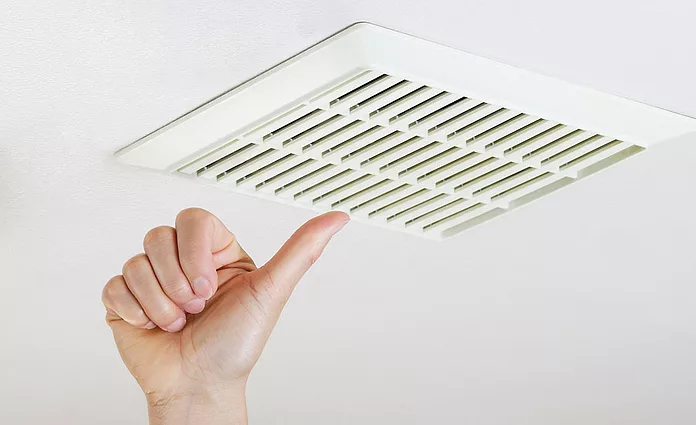
Credit: www.pmmag.com
Additional Tips To Prevent Mold
Preventing mold in your bathroom requires more than just proper ventilation. Taking extra steps helps keep mold spores at bay. These tips focus on drying, materials, and regular checks to maintain a healthy space.
Quick Drying Techniques
Remove wet towels and bath mats promptly. Use a squeegee to wipe down shower walls and glass after use. Leave the bathroom door or window open to speed up drying. A small fan can help air circulate and dry damp areas faster. Avoid leaving wet clothes or sponges inside the bathroom.
Using Mold-resistant Materials
Choose mold-resistant paint for bathroom walls and ceilings. Install moisture-resistant drywall or green board. Use grout mixed with a mold inhibitor for tiles. Select shower curtains made from mildew-resistant fabric. These materials reduce the chance of mold growth in humid conditions.
Routine Inspections
Check corners, behind toilets, and under sinks regularly. Look for discoloration, musty odors, or peeling paint. Fix leaks immediately to prevent water buildup. Clean grout and caulk lines with mild bleach or vinegar solutions. Early detection stops mold before it spreads.
Frequently Asked Questions
How Often Should I Ventilate My Bathroom?
Ventilate your bathroom daily to reduce moisture and prevent mold. Use exhaust fans or open windows during and after showers. Proper ventilation helps maintain air quality and protects walls and fixtures from damage.
What Is The Best Bathroom Ventilation Method?
Exhaust fans are the most effective bathroom ventilation method. They quickly remove humid air and odors. Installing a fan with the right capacity ensures efficient moisture control and improves air circulation.
Can I Use A Window Instead Of A Fan?
Yes, opening a window can ventilate a bathroom if it provides adequate airflow. However, exhaust fans are better in small or windowless bathrooms. Combining both methods maximizes moisture removal and fresh air exchange.
How Do I Maintain My Bathroom Ventilation System?
Clean exhaust fan covers and vents regularly to ensure proper airflow. Replace filters if applicable and check for blockages. Proper maintenance extends the system’s life and keeps your bathroom fresh and dry.
Conclusion
Proper bathroom ventilation keeps your space fresh and dry. It helps stop mold and mildew growth effectively. Good airflow also prevents damage to walls and ceilings. Simple tools like exhaust fans or windows work well. Regularly check your ventilation system for any issues.
Clean fans and vents to keep air moving freely. A well-ventilated bathroom feels cleaner and more comfortable. Taking small steps today protects your bathroom for years. Breathe easier with proper bathroom ventilation in place.



