

Have you ever wondered how doctors help patients breathe when their lungs can’t do the job alone? Understanding what positive pressure ventilation means can be the key to grasping how life-saving machines support breathing.
If you want to know how this process works and why it’s so important for many people’s health, keep reading. This article will break down the concept into simple terms you can easily follow, so you’ll feel confident and informed about this vital medical technique.
What Is Positive Pressure Ventilation
Positive pressure ventilation is a medical technique that helps people breathe. It pushes air into the lungs using a machine. This process supports or replaces natural breathing. It is often used in hospitals and emergency care.
Understanding positive pressure ventilation is important for patients and caregivers. It ensures proper use and awareness of the benefits and risks. The method improves oxygen delivery and removes carbon dioxide effectively.
The machine delivers air through a tube or mask. Air pressure pushes the lungs to expand. This helps oxygen enter the bloodstream. When the pressure stops, the lungs relax and release air.
- Invasive ventilation uses a tube placed in the windpipe.
- Non-invasive ventilation uses masks or nasal devices.
Why Positive Pressure Ventilation Is Used
- To support patients with breathing failure.
- To assist during surgery under anesthesia.
- To treat lung diseases like pneumonia or COPD.
How Positive Pressure Ventilation Works
Understanding how positive pressure ventilation works can change how you view respiratory support. This technique pushes air into the lungs, unlike natural breathing, which pulls air in. It’s a simple idea but has complex effects on your body’s oxygen levels.
Mechanism Of Air Delivery
Positive pressure ventilation works by using a machine to push air into your lungs through a mask or tube. This forced airflow increases the pressure inside your airways, helping to open up collapsed alveoli—the tiny air sacs where oxygen exchange happens.
Have you ever noticed how difficult it is to breathe when your airways are blocked? Positive pressure helps by ensuring that air reaches deep into your lungs, improving oxygen supply efficiently.
- Continuous Positive Airway Pressure (CPAP):Delivers a steady stream of air to keep airways open, often used for sleep apnea.
- Bi-level Positive Airway Pressure (BiPAP):Provides two levels of pressure—higher when you inhale, lower when you exhale—to make breathing easier.
- Mechanical Ventilation:Used in critical care, this method fully controls breathing when patients cannot breathe on their own.
Each type serves a different purpose, but all rely on the principle of pushing air to improve breathing.
Effects On Lung Function And Oxygenation
By forcing air into your lungs, positive pressure ventilation helps increase the amount of oxygen that enters your bloodstream. It also helps remove carbon dioxide more effectively.
This technique can reduce the work your respiratory muscles need to do. Imagine how much easier it feels when you don’t have to fight for every breath during illness or sleep disturbances.
Potential Challenges And Considerations
While positive pressure ventilation supports breathing, it’s not without challenges. Too much pressure can cause discomfort or even lung injury if not monitored properly.
Are you aware of how carefully settings must be adjusted to balance support and safety? This is why medical supervision is crucial during its use.
Types Of Positive Pressure Ventilation
Positive pressure ventilation helps push air into the lungs. It supports breathing when natural breathing is weak or stopped. There are two main types of positive pressure ventilation. Each type suits different patient needs and medical conditions. Understanding these types helps clarify how ventilation supports breathing.
Invasive Ventilation
Invasive ventilation uses a tube inserted into the airway. This tube connects to a machine that controls breathing. It delivers air directly to the lungs under pressure. This method is common in hospitals, especially in intensive care units. It helps patients who cannot breathe on their own.
Invasive ventilation offers precise control over oxygen and air delivery. It can support breathing fully or partially. This type requires close monitoring by healthcare professionals. It is often used during surgery or for severe lung problems.
Non-invasive Ventilation
Non-invasive ventilation uses masks or similar devices on the face. It does not require tubes inside the airway. This method provides air pressure through a sealed mask. It supports breathing without the need for intubation.
Non-invasive ventilation suits patients with mild to moderate breathing issues. It is often used for sleep apnea or chronic lung diseases. This type reduces the risk of infections linked to invasive methods. It allows patients to speak and eat during treatment.

Credit: www.sciencedirect.com
Benefits For Respiratory Support
Positive Pressure Ventilation (PPV) offers several key benefits for anyone needing respiratory support. It helps your lungs get the oxygen they need more effectively while easing the effort your body makes to breathe. Understanding these benefits can make a real difference if you or a loved one faces breathing difficulties.
Improved Oxygen Delivery
PPV pushes air directly into your lungs, which boosts the amount of oxygen reaching your bloodstream. This can be crucial when your natural breathing isn’t enough to meet your body’s demands.
People with conditions like pneumonia or chronic obstructive pulmonary disease (COPD) often find that PPV helps maintain better oxygen levels. When your blood carries more oxygen, your organs work more efficiently and you feel less tired.
Reduced Work Of Breathing
Breathing can become exhausting if your lungs are weak or blocked. PPV takes over some of the effort, making it easier for you to breathe without using as much energy.
Think about how much energy you save when a machine helps you breathe. This extra energy can be used for healing and daily activities, improving your overall quality of life.
Applications In Medical Settings
Positive pressure ventilation (PPV) plays a crucial role in various medical settings. It helps patients breathe when their natural ability to do so is compromised. Understanding its applications can give you a clearer picture of how vital this technology is in saving lives and improving health outcomes.
Critical Care And Icu
In critical care units and intensive care units (ICUs), PPV supports patients who cannot breathe adequately on their own. Machines like ventilators deliver controlled breaths to maintain oxygen levels and remove carbon dioxide. This support can be life-saving during surgeries, severe infections, or trauma.
Have you ever wondered how doctors keep patients stable after major surgery? Positive pressure ventilation is often the answer, providing the necessary respiratory assistance while the body recovers.
Emergency Situations
Emergency responders use PPV to stabilize patients experiencing respiratory failure or cardiac arrest. Devices such as bag-valve masks and portable ventilators deliver quick breaths in high-pressure moments. This immediate intervention can prevent brain damage and increase survival chances.
Imagine being at the scene of an accident—how vital is the ability to provide effective ventilation right away? Positive pressure systems make a huge difference by ensuring oxygen reaches the lungs when every second counts.
Chronic Respiratory Conditions
For patients with chronic lung diseases like COPD or sleep apnea, PPV offers ongoing breathing support. Non-invasive positive pressure ventilation (NIPPV) helps reduce fatigue and improve quality of life without the need for invasive tubes. Regular use can prevent hospital admissions and enhance daily functioning.
If you or someone you know struggles with breathing issues, how might positive pressure ventilation change the way you manage those challenges? This technology often allows patients to breathe easier and feel more energetic in their everyday lives.

Credit: www.jacc.org
Potential Risks And Management
Positive Pressure Ventilation (PPV) can be a lifesaver, but it’s important to understand the potential risks involved. Managing these risks properly can make a big difference in outcomes. Let’s look at two key concerns: barotrauma and infection control.
Barotrauma And Lung Injury
Barotrauma happens when the pressure from ventilation damages your lungs. This can cause air leaks or even collapsed lungs, which makes breathing harder.
To avoid this, ventilators need careful adjustment. Lower pressure settings and careful monitoring can protect your lungs. Have you ever wondered how small changes in pressure can prevent serious injury? That’s why healthcare teams watch for signs of lung stress constantly.
Infection Control
Using a ventilator increases the risk of infections like pneumonia. Bacteria can enter through the breathing tube, leading to complications.
Strict hygiene and sterilization are key. Regular cleaning of equipment and hands, along with using sterile techniques, help reduce infection chances. You might think it’s just routine care, but these steps actually save lives every day.
Future Trends In Positive Pressure Ventilation
Positive pressure ventilation pushes air into the lungs to help with breathing. Future trends focus on enhancing patient comfort and integrating smart technology for better control and efficiency.
The world of positive pressure ventilation is evolving rapidly. With technology advancing, new trends are emerging. These trends promise improved patient outcomes and enhanced efficiency. Let’s explore these exciting developments shaping the future.1. Integration With Smart Technology
Smart technology is changing healthcare. Ventilation systems now integrate with smart devices. This allows real-time monitoring and data analysis. Medical professionals can make informed decisions quickly. It enhances patient care and safety.2. Increased Use Of Ai And Machine Learning
AI and machine learning are becoming essential. These technologies predict patient needs. They adjust ventilation settings automatically. This reduces the workload on healthcare staff. It also minimizes human error.3. Personalized Ventilation Solutions
Personalized care is a growing trend. Ventilation systems now offer tailored solutions. They adapt to individual patient needs. This personalization leads to better recovery rates.4. Enhanced Portability And Mobility
Portable ventilation units are becoming more common. They provide flexibility in patient care. Patients can move more freely. This improves their overall quality of life.5. Focus On Energy Efficiency
Energy efficiency is crucial for modern systems. New ventilation units consume less power. They are environmentally friendly. This reduces operational costs in healthcare settings.6. Improved User Interface Design
User-friendly interfaces are in demand. Modern systems have intuitive controls. This simplifies operation for healthcare providers. It ensures smooth and effective usage.7. Development Of Hybrid Systems
Hybrid systems combine different ventilation modes. They offer versatility in treatment options. This adaptability meets diverse patient needs. It enhances the effectiveness of medical interventions.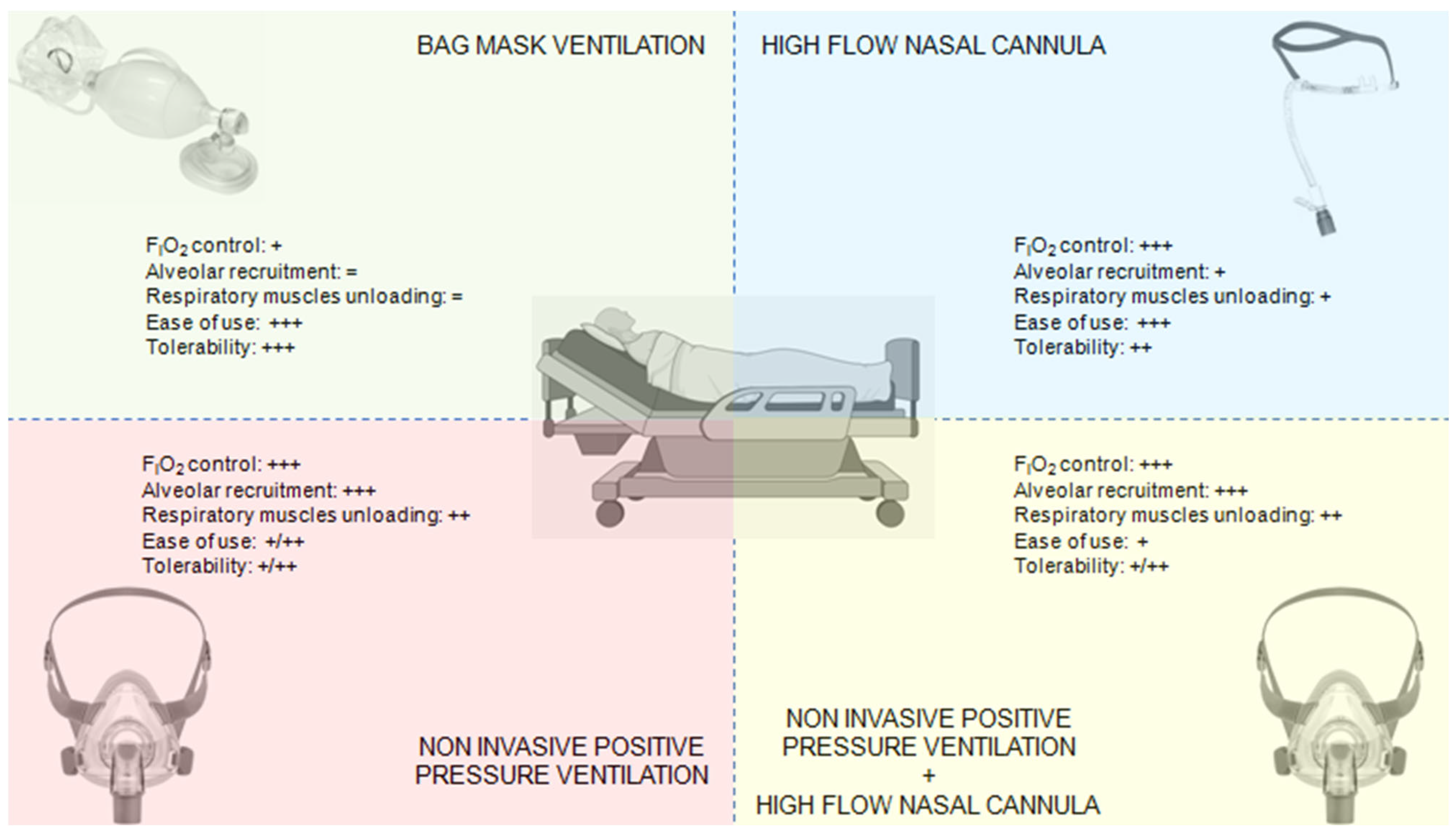
Credit: www.mdpi.com
Frequently Asked Questions
What Is Positive Pressure Ventilation?
Positive pressure ventilation is a breathing support technique. It pushes air into the lungs to improve oxygen delivery. This method helps patients who cannot breathe adequately on their own.
How Does Positive Pressure Ventilation Work?
It forces air into the lungs using a machine or device. This increases lung volume and oxygen exchange. The pressure helps keep airways open during inhalation.
Who Needs Positive Pressure Ventilation?
Patients with breathing difficulties, respiratory failure, or lung diseases often need it. It supports oxygen delivery and carbon dioxide removal effectively.
What Are Common Types Of Positive Pressure Ventilation?
Common types include invasive ventilation via an endotracheal tube and non-invasive ventilation using masks. Both assist breathing but differ in application and invasiveness.
Conclusion
Positive pressure ventilation helps people breathe easier. It pushes air into the lungs. This process supports patients with breathing problems. Doctors use it in hospitals and emergency care. It can save lives during serious illness. Understanding this term can reduce fear and confusion.
Knowing how it works brings peace of mind. Breathing support is vital for many patients. It helps the body get the oxygen it needs. Positive pressure ventilation is a key part of health care today.



