
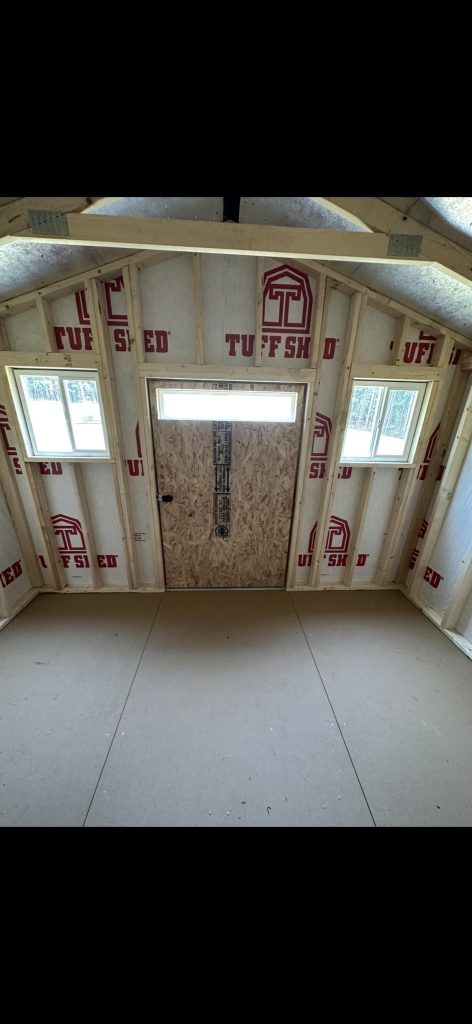
Is your shed feeling stuffy or damp? Proper ventilation can make all the difference in keeping your shed fresh, dry, and safe for your tools and belongings.
You might not realize it, but without the right airflow, moisture builds up, leading to mold, rust, and unpleasant odors. But don’t worry—ventilating your shed is easier than you think. In this guide, you’ll discover simple, practical steps to improve your shed’s ventilation and protect your investments.
Keep reading to learn how to breathe new life into your shed and create a healthier space you’ll actually enjoy using.
Benefits Of Shed Ventilation
Ventilating your shed is more than just a simple fix; it directly impacts the longevity of your structure and the condition of the items stored inside. Proper ventilation keeps the air fresh, controls temperature, and prevents damage caused by trapped moisture. Have you ever stepped into a shed and immediately noticed a damp, musty smell? That’s a clear sign your shed needs better airflow.
Preventing Moisture Build-up
Moisture can sneak into your shed through rain, humidity, or even the ground beneath it. Without ventilation, this moisture lingers, creating a damp environment. By allowing fresh air to circulate, you reduce the chances of condensation forming on walls and tools.
Think about the last time you found rust on your gardening tools. That rust likely developed because moisture wasn’t allowed to escape. Ventilation helps keep surfaces dry, protecting your valuable equipment.
Reducing Mold And Mildew
Mold and mildew thrive in dark, damp spaces with poor airflow. These fungi can damage wooden shelves, fabrics, and even paint inside your shed. Improved ventilation helps keep humidity levels low enough to stop mold spores from growing.
Have you noticed black spots or a musty odor in your shed? Those are early signs of mold. Ventilation acts as a natural defense, reducing these health hazards and preserving your stored items.
Improving Air Quality
Stale air inside a shed can quickly become unpleasant and unhealthy, especially if you store chemicals or fertilizers. Ventilation brings in fresh air and pushes out pollutants, making the space safer to enter and work in.
Imagine cleaning your shed on a hot day without any breeze—air feels thick and uncomfortable. Adding vents or windows can change that atmosphere completely, making your shed a more enjoyable place to spend time.

Credit: pinecraftstructures.com
Common Ventilation Methods
Ventilating a shed is essential to keep air fresh and reduce moisture. Proper airflow prevents mold, rot, and unpleasant odors. Various ventilation methods suit different shed types and budgets. Choosing the right one improves air circulation and protects stored items.
Passive Vents
Passive vents rely on natural air movement. They have no fans or mechanical parts. These vents allow hot air to escape and fresh air to enter. Common types include louvered vents and mesh-covered openings. Passive vents are affordable and easy to install.
Ridge Vents
Ridge vents run along the shed roof peak. They provide continuous airflow across the entire roofline. Hot air rises and exits through the ridge vent. Cooler air enters from lower vents, creating a natural flow. Ridge vents work well on larger sheds with sloped roofs.
Gable Vents
Gable vents sit on the shed’s triangular end walls. They allow air to flow in and out horizontally. These vents improve cross ventilation, especially in smaller sheds. Gable vents come in various sizes and styles to match shed design. They are simple but effective for fresh air circulation.
Soffit Vents
Soffit vents install under the eaves of the shed roof. They bring cool air inside at the bottom of the roof space. This air pushes warm air up toward roof vents or ridge vents. Soffit vents help balance airflow and reduce heat build-up. Using them with ridge vents creates efficient ventilation.
Choosing The Right Vent Placement
Choosing the right vent placement is key to making your shed comfortable and dry. Proper vent locations control airflow, reduce moisture buildup, and keep the temperature balanced. Think about how air moves around your shed and what might block or help that flow.
Positioning For Airflow
Place vents on opposite walls or high and low points to create a natural airflow path. Hot air rises, so installing vents near the roof lets warm air escape easily. Lower vents bring fresh air in, pushing stale or humid air out.
Have you noticed how a breeze feels stronger in certain spots? Position vents where wind hits your shed most often to boost ventilation without extra effort. Avoid placing vents too close together, or airflow will be limited.
Considering Sun Exposure
Sunlight affects the temperature inside your shed and the vent’s efficiency. Vents facing shaded areas stay cooler, preventing hot air from being trapped inside. But vents in direct sun can help warm air escape faster during cold months.
Think about your shed’s daily sun exposure. If one side bakes in sunlight, a vent there might work better in summer but cause heat loss in winter. Balancing sun exposure with your climate needs ensures better year-round comfort.
Avoiding Obstructions
Check for anything that might block your vents, such as nearby trees, fences, or stored items. Even a small obstruction can reduce airflow and trap moisture inside. Keep the area around vents clear for maximum effectiveness.
Inside your shed, avoid stacking tools or boxes near vents. This allows air to circulate freely and prevents damp spots. Have you seen how air struggles to move in a cluttered room? The same happens in your shed if you don’t plan vent placement carefully.
Installing Fans For Better Airflow
Installing fans in your shed boosts airflow and keeps the space fresh. Fans help move hot air out and bring cooler air in. This reduces moisture, prevents mold, and protects stored items. Proper fan installation improves comfort and extends the life of your shed.
Types Of Fans
- Exhaust Fans:Pull hot, stale air out of the shed.
- Intake Fans:Bring fresh air into the shed from outside.
- Ceiling Fans:Circulate air inside for even cooling.
- Wall-Mounted Fans:Save floor space and direct airflow.
- Portable Fans:Easy to move and use where needed.
Placement Tips
- Install exhaust fans near the roof to remove hot air.
- Place intake fans low on walls to draw in cool air.
- Use ceiling fans in the center for balanced airflow.
- Avoid placing fans near doors to reduce drafts.
- Ensure fans do not blow directly on stored items.
Power Options
- Electric Fans:Require a power source and offer steady airflow.
- Solar-Powered Fans:Use sunlight, ideal for sheds without electricity.
- Battery-Operated Fans:Portable but need frequent recharging.
- Manual Fans:No power needed, but limited airflow.
Diy Ventilation Solutions
Improving your shed’s ventilation doesn’t have to be complicated or expensive. You can tackle it yourself with simple changes that make a big difference. These DIY ventilation solutions help keep air moving, reduce moisture, and protect your stored items.
Window Modifications
Adding or modifying windows can boost airflow inside your shed easily. Installing windows that open, like awning or casement styles, lets you control how much fresh air comes in.
If your shed already has windows, try adding mesh screens to keep bugs out while letting air flow freely. You might also consider cutting a larger opening and fitting a louvered vent for continuous ventilation without opening the window fully.
Using Vented Doors
Doors are often overlooked but can be a great ventilation point. Replacing a solid door with one that has built-in vents or installing vent panels on your existing door encourages air to circulate.
Think about adding adjustable vents so you can control airflow based on the weather. If you spend time in your shed, vented doors can improve comfort and reduce musty smells.
Portable Ventilation Devices
Sometimes fixed vents aren’t enough or practical. Portable fans or exhaust units give you flexibility to direct airflow where you need it most.
Using a small solar-powered fan near a vent can enhance air movement without increasing energy costs. Have you tried placing a fan near a window or door to create a cross breeze? It’s a quick way to refresh the space.

Credit: thebigsteel.com.au
Maintaining Shed Ventilation
Proper shed ventilation prevents moisture buildup and ensures fresh air circulation. Install vents or windows for effective airflow. Regularly check for blockages and clean vents to maintain efficiency.
Maintaining proper ventilation in your shed is crucial for preventing moisture build-up and ensuring a healthy storage environment. Without adequate airflow, your shed can become a breeding ground for mold and mildew, potentially damaging your stored items. Regular upkeep of ventilation systems not only protects your belongings but also enhances the lifespan of the shed itself. Let’s dive into some essential practices to maintain optimal shed ventilation.Regular Cleaning
Regular cleaning of vents and openings is a simple yet effective way to ensure your shed remains well-ventilated. Dust and debris can accumulate over time, blocking airflow and reducing efficiency. Make it a habit to clean these areas at least once a month. Use a soft brush or vacuum to remove any dirt or cobwebs. This small effort can make a big difference in maintaining air circulation.Checking For Blockages
Blockages can occur without you even noticing. Leaves, twigs, and even small animal nests can obstruct vents and reduce airflow. Inspect your shed’s ventilation points regularly. During an inspection, look for anything that might obstruct the airflow. Remove any potential blockages immediately to ensure your shed remains properly ventilated.Seasonal Adjustments
As seasons change, so do your shed’s ventilation needs. In winter, closing vents slightly can help retain warmth, while in summer, opening them fully can maximize airflow. Consider adding or removing temporary covers depending on the weather. Adapting to seasonal changes can significantly improve your shed’s ventilation efficiency. Are there other factors affecting your shed’s ventilation that you haven’t considered? Regular maintenance can uncover hidden issues before they become major problems. Keep your shed well-ventilated and enjoy peace of mind knowing your belongings are safe and sound.Cost-effective Ventilation Ideas
Finding cost-effective ways to ventilate your shed can save you money without sacrificing airflow. Good ventilation prevents moisture buildup, reduces odors, and keeps your shed comfortable year-round. You don’t need expensive equipment to achieve this; simple ideas and smart choices can do the trick.
Budget-friendly Materials
Look for materials that are affordable yet durable. Basic window screens, metal vents, and PVC pipes often cost little and last long. You can even repurpose old shutters or use inexpensive vent covers from hardware stores.
Think about using mesh panels to keep bugs out while allowing air to flow. These are cheap and easy to cut to size. Using scrap wood for framing vents can also reduce costs.
Simple Installation Tricks
Installing ventilation doesn’t have to be complicated or require special tools. Drill holes near the roofline for passive vents or cut out sections for vent panels.
Use weatherproof caulk to seal gaps and prevent water leaks. You can also attach vents with screws instead of nails for easier future adjustments or replacements.
Ask yourself: could a few well-placed vents make a big difference? Often, adding just two vents—one low and one high—can create a natural airflow without extra fans or electric devices.
Maximizing Natural Ventilation
Position your vents to take advantage of prevailing winds. Openings on opposite sides of the shed encourage cross ventilation, moving stale air out and fresh air in.
Consider adding a small window or louvered vent that you can open during warm days and close when it’s cooler or rainy. This flexibility helps control the shed’s environment without extra cost.
Have you noticed how air naturally flows in your yard? Aligning your vents with that flow uses nature’s power to ventilate efficiently and cheaply.

Credit: www.reddit.com
Frequently Asked Questions
How Do I Improve Shed Ventilation Effectively?
To improve shed ventilation, install vents near the roof and floor. Use ridge vents, soffit vents, or louvered vents. Adding windows or exhaust fans also enhances airflow and reduces moisture buildup inside the shed.
What Are The Best Vents For Shed Ventilation?
Best vents include ridge vents, soffit vents, and gable vents. Ridge vents allow hot air to escape at the top. Soffit vents bring in cool air at the bottom. Gable vents promote cross-ventilation for better airflow.
Why Is Shed Ventilation Important?
Ventilation prevents moisture buildup, mold growth, and wood rot. It also regulates temperature and keeps tools rust-free. Proper ventilation improves air quality and prolongs the shed’s lifespan.
Can I Use A Fan To Ventilate My Shed?
Yes, fans boost air circulation inside the shed. Exhaust fans remove hot, stale air, while intake fans bring fresh air. Fans are especially useful in larger or poorly ventilated sheds.
Conclusion
Good shed ventilation keeps air fresh and prevents moisture build-up. Use vents and fans to keep air moving well. Proper airflow stops mold and damage to your tools. Regular checks help you spot problems early. A well-ventilated shed stays safe and lasts longer.
Taking these simple steps protects your investment. Breathe easy knowing your shed stays dry and cool. Ventilation matters for any shed, big or small.



