
Have you ever wondered what the “V” in HVAC stands for? If you’ve come across this term but felt a bit lost about its meaning, you’re not alone.
Understanding each part of HVAC can help you make smarter choices for your home’s comfort and energy use. Keep reading to discover what that crucial letter means and why it matters to you and your living space.
Credit: www.jlconline.com
Hvac Basics
Understanding the basics of HVAC helps you appreciate how this system impacts your daily comfort. HVAC stands for a combination of essential home and building functions, but do you know what each letter means? Let’s break down the acronym and look at the crucial roles heating and cooling play in your environment.
Breaking Down The Acronym
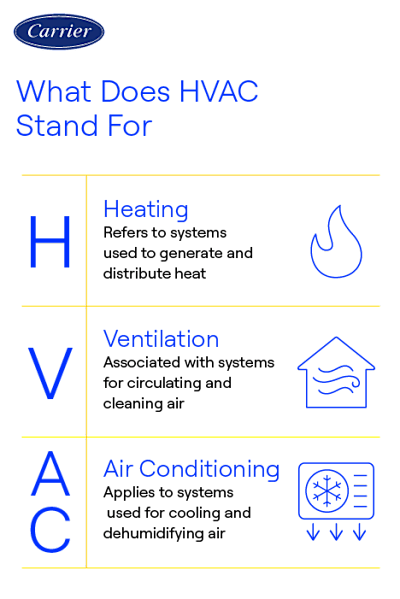
HVAC stands for Heating, Ventilation, and Air Conditioning. Each part plays a unique role in managing indoor air quality and temperature. The Heatingcomponent keeps your space warm during cold weather. Ventilationensures fresh air circulates, removing stale air and controlling humidity. Lastly, Air Conditioningcools your space when temperatures rise.
Many people focus only on heating and cooling but overlook ventilation. Have you noticed how a room feels stuffy despite the AC running? That’s often a ventilation issue rather than a cooling failure.
Role Of Heating And Cooling
Heating and cooling systems work together to maintain a comfortable temperature year-round. When winter arrives, heating systems like furnaces or heat pumps activate to keep your home cozy. In summer, air conditioners remove heat and moisture to provide relief from the heat.
Your energy bills and comfort levels depend heavily on how well these systems function. Have you checked if your heating or cooling units are running efficiently? Simple maintenance like changing filters can boost performance and lower costs.
- Heating keeps you warm and prevents issues like frozen pipes.
- Cooling protects against heat exhaustion and improves sleep quality.
- Both systems help maintain healthy humidity levels inside.
What small changes can you make today to improve your HVAC system’s efficiency? Sometimes, the answer lies in understanding these basics better.

Credit: www.youtube.com
The V In Hvac
The “V” in HVAC stands for Ventilation, a crucial component that often gets overlooked compared to heating and air conditioning. Ventilation is all about moving fresh air into your space and pushing stale air out. Understanding this part of HVAC can change how you think about indoor air quality and comfort.
Meaning Of Ventilation
Ventilation means the process of exchanging indoor air with outdoor air. It helps remove odors, moisture, and pollutants from your home or office. Without proper ventilation, your HVAC system can’t maintain a healthy and comfortable environment.
Think about a time when you entered a stuffy room. That discomfort comes from poor ventilation. Good ventilation keeps the air fresh and your space feeling clean.
Importance In Hvac Systems
Ventilation plays a vital role in your HVAC system’s performance. It controls the air quality and prevents buildup of harmful gases like carbon monoxide. This keeps you and your family safe.
Besides safety, ventilation affects energy efficiency. Proper airflow reduces the strain on heating and cooling units, potentially lowering your energy bills. Have you ever noticed your HVAC working harder in certain rooms? That’s often due to poor ventilation.
- Removes indoor pollutants
- Controls humidity levels
- Maintains oxygen levels
- Improves overall comfort
When you focus on ventilation, you’re not just improving air flow—you’re enhancing your entire HVAC system’s effectiveness. How well is your space ventilated right now?
How Ventilation Works
Ventilation plays a crucial role in maintaining a comfortable and healthy indoor environment. It controls how fresh air enters your space and how stale air exits. Understanding how ventilation works can help you improve your home’s air quality and reduce energy costs.
Types Of Ventilation
There are several ways to bring fresh air into your home and remove stale air. The main types include:
- Natural Ventilation:This uses windows, vents, and openings to allow air to flow naturally. It depends on wind and temperature differences.
- Mechanical Ventilation:This involves fans and duct systems to force air in and out. It’s useful when natural airflow isn’t enough.
- Hybrid Ventilation:Combines natural and mechanical methods to optimize airflow depending on conditions.
Which type suits your home best? Think about your climate and how airtight your building is.
Airflow And Quality
Good ventilation isn’t just about moving air—it’s about improving air quality. Proper airflow reduces humidity, removes pollutants, and controls odors. You might not notice poor air quality right away, but it can affect your health over time.
Using filters can trap dust and allergens, while regular maintenance keeps systems working efficiently. Have you checked your ventilation system lately? Small adjustments can make a big difference in how fresh your home feels.
Credit: www.uniqueheatingandcooling.com
Ventilation Benefits
Ventilation is a key part of HVAC systems, and its benefits reach far beyond just moving air. Proper ventilation improves the air quality inside your home or workplace, making your environment healthier and more comfortable. Understanding these benefits helps you appreciate why the “V” in HVAC is so important.
Health And Comfort
Good ventilation removes pollutants, allergens, and stale air from your living space. This means fewer headaches, less fatigue, and reduced allergy symptoms for you and your family. Have you ever noticed how stuffy rooms make you feel tired or irritated? Proper ventilation fixes that by bringing in fresh air and pushing out harmful contaminants.
Ventilation also helps control humidity levels. Too much moisture can cause mold growth, which worsens respiratory problems. By keeping humidity in check, ventilation protects your home and your health.
Energy Efficiency
Ventilation plays a smart role in energy use. Instead of just opening windows and losing cool or warm air, an HVAC system uses controlled ventilation to maintain air quality without wasting energy. This means your heating and cooling systems don’t have to work as hard.
Some ventilation systems recover heat from outgoing air to warm incoming fresh air. This reduces energy bills and keeps your indoor temperature steady. Have you checked if your system has energy recovery ventilation? It could save you money while improving your air quality.
Common Ventilation Systems
Ventilation is a key part of HVAC systems. It ensures fresh air circulates in buildings. It also removes stale air, maintaining a healthy environment. There are common types of ventilation systems. Each serves its purpose in different settings.
Natural Ventilation
Natural ventilation uses the natural forces of wind and temperature. It involves opening windows and vents to let fresh air in. This method is energy-efficient. It works best in mild climates. Buildings designed for natural ventilation often have wide openings. They may also use architectural features like atriums or courtyards. These features enhance air movement. They help keep indoor air fresh without machines.
Mechanical Ventilation
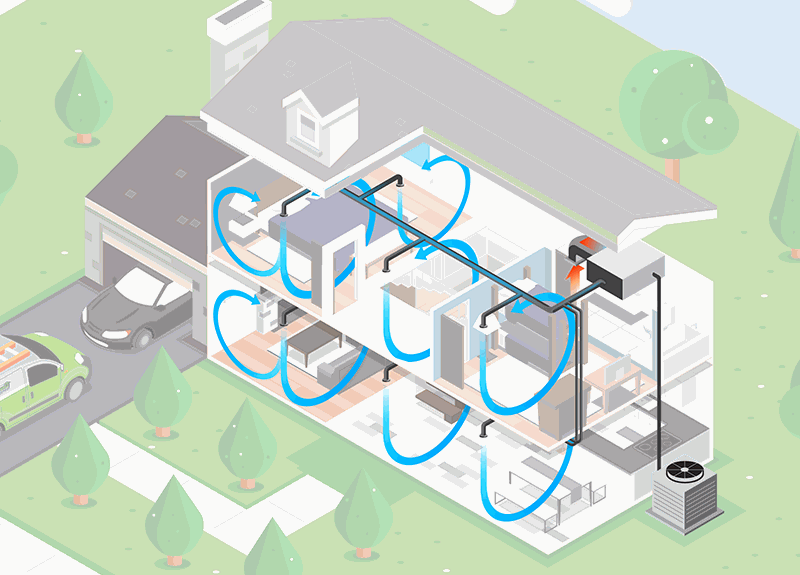
Mechanical ventilation uses machines to move air. It is common in modern buildings. Fans and ducts push air in and out. This system offers more control over air quality. It operates regardless of outdoor conditions. Mechanical ventilation is vital in places with poor air quality. It is also used in buildings with sealed windows. Different types of mechanical systems exist.
- Exhaust Systems:These remove stale air from indoor spaces.
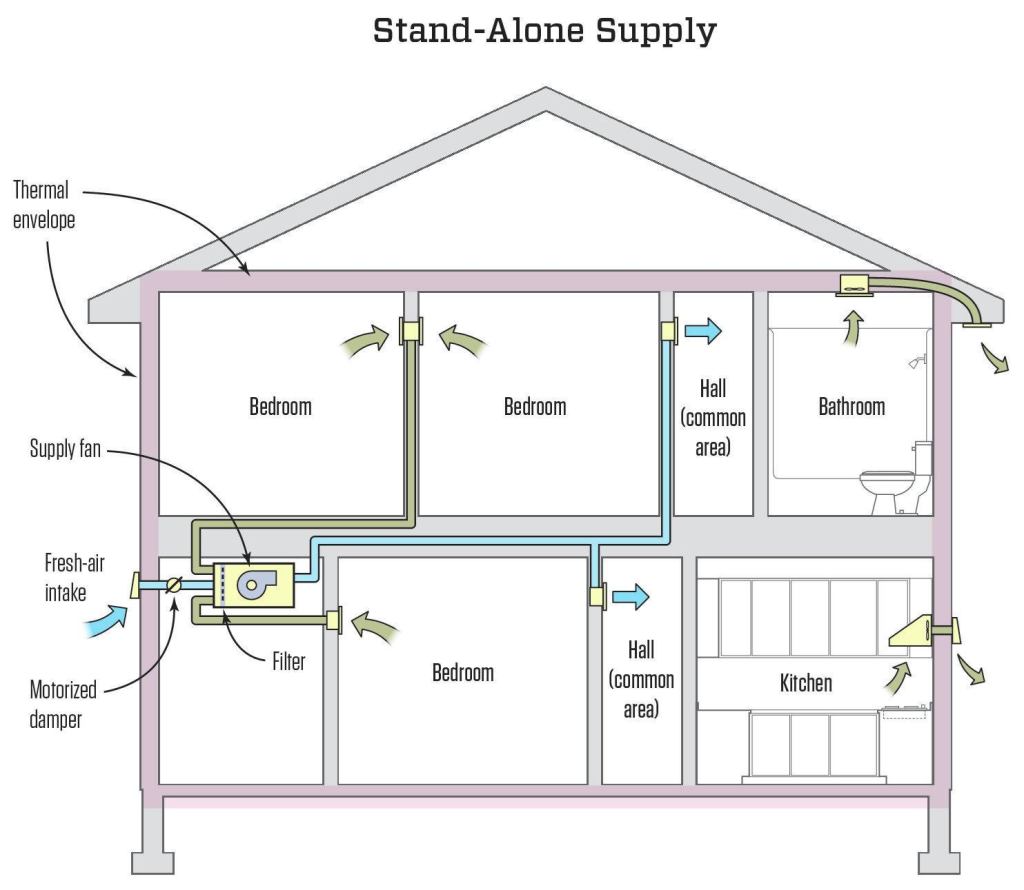
- Supply Systems:These bring fresh air into the building.
- Balanced Systems:These do both, maintaining consistent air pressure.
Understanding these systems helps in choosing the right one. It ensures a healthy and comfortable indoor environment. Each system has its advantages based on needs and conditions.
Choosing The Right Ventilation
Choosing the right ventilation is key for a healthy indoor environment. Ventilation moves fresh air inside and removes stale air. It controls humidity, odors, and airborne pollutants. Proper ventilation helps maintain comfort and safety in homes and buildings.
Different spaces need different ventilation types. Some use natural airflow through windows. Others require mechanical systems like fans or ducts. Selecting the right system depends on the building’s size, usage, and climate.
Factors To Consider
- Airflow capacity: Ensure enough fresh air for the space.
- Energy efficiency: Choose systems that save power and reduce bills.
- Noise levels: Pick quiet options for bedrooms or offices.
- Installation cost: Consider initial expenses and long-term savings.
- Space requirements: Check available room for ducts or equipment.
- Climate: Humidity and temperature affect ventilation needs.
- Air quality: Use filters to reduce dust, allergens, and pollutants.
Maintenance Tips
- Clean or replace filters regularly to keep airflow smooth.
- Inspect vents for blockages or dust buildup.
- Check fans and motors for proper operation.
- Schedule professional inspections yearly.
- Seal leaks in ductwork to avoid air loss.
- Keep outdoor vents clear of debris and snow.
Frequently Asked Questions
What Does The V In Hvac Stand For?
The V in HVAC stands for “Ventilation. ” Ventilation involves exchanging indoor air with fresh outdoor air. It helps maintain air quality and comfort in buildings by removing pollutants and controlling humidity.
Why Is Ventilation Important In Hvac Systems?
Ventilation improves indoor air quality by removing contaminants and moisture. It prevents mold growth and reduces odors. Proper ventilation ensures a healthy and comfortable environment in homes and workplaces.
How Does Ventilation Differ From Heating And Cooling?
Ventilation focuses on air exchange, unlike heating and cooling. Heating raises indoor temperature, while cooling lowers it. Ventilation ensures fresh air circulation, balancing temperature and air quality in HVAC systems.
Can Poor Ventilation Affect Hvac Efficiency?
Yes, poor ventilation can reduce HVAC efficiency. It causes stale air buildup, increasing system strain. Proper ventilation helps maintain airflow, reduces energy costs, and improves overall HVAC performance.
Conclusion
The “V” in HVAC stands for ventilation. It plays a key role in moving fresh air inside buildings. Good ventilation helps keep air clean and fresh. It also removes moisture and odors. Together with heating and cooling, ventilation makes indoor spaces comfortable.
Understanding this helps you better appreciate HVAC systems. Now, you know what each letter means. This knowledge makes it easier to discuss home or office air systems. Ventilation truly completes the HVAC trio.



