
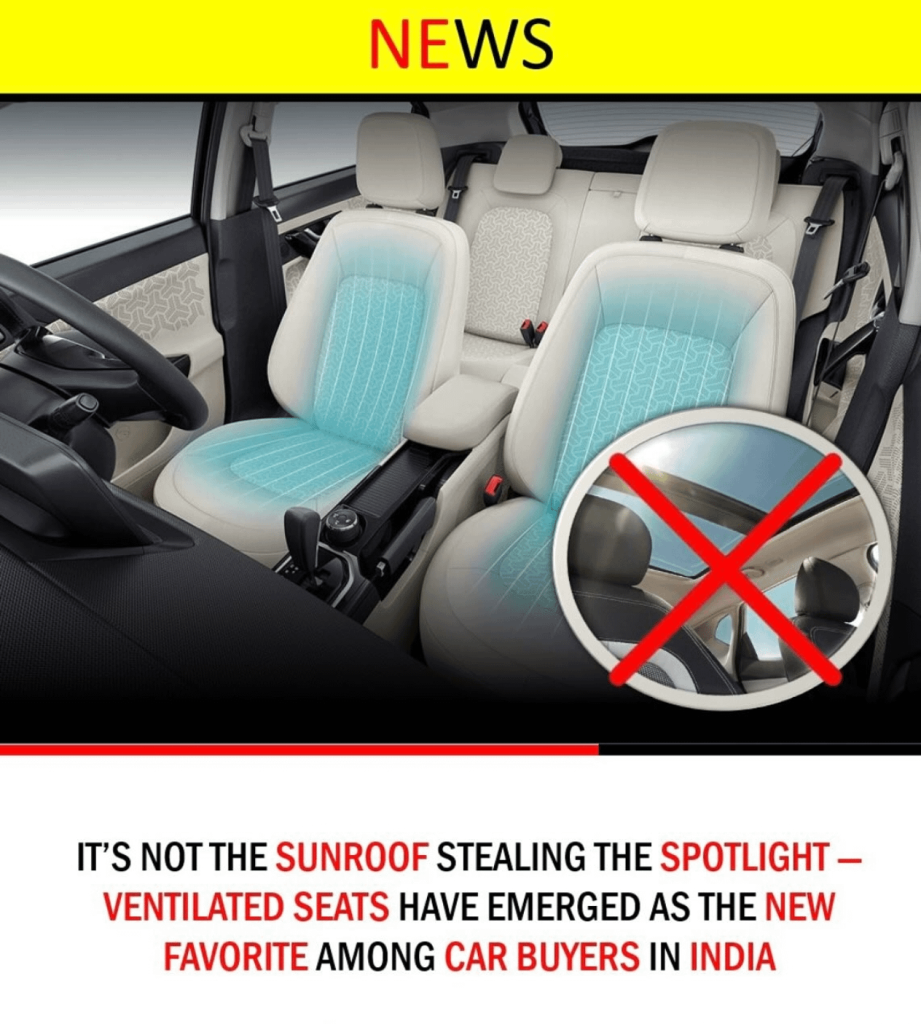
Have you ever heard the term “ventilated seats” and wondered what it really means for your comfort while driving? If you want to know how these seats can make your rides cooler and more enjoyable, you’re in the right place.
Understanding ventilated seats will change the way you think about car comfort. Keep reading to discover how this feature works and why it might be exactly what your vehicle needs.
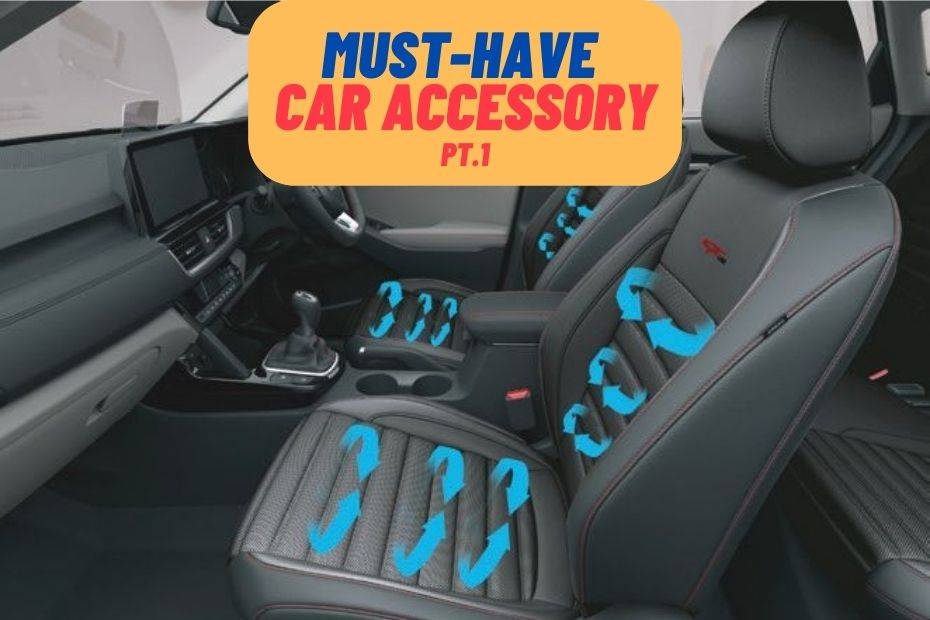
Credit: www.cardekho.com
Ventilated Seats Basics
Ventilated seats offer comfort by keeping you cool during warm weather. They use built-in fans to circulate air through the seat surface. This airflow helps reduce sweat and heat, making long drives more pleasant. Understanding the basics of ventilated seats shows why they matter in modern vehicles.
How Ventilated Seats Work
Ventilated seats contain small fans or blowers inside the seat cushion and backrest. These fans pull air from outside and push it through tiny holes or perforations in the seat material. This airflow cools the seat surface and your body. Some systems allow adjusting the fan speed for more or less cooling.
Difference Between Ventilated And Heated Seats
- Ventilated seats cool you by circulating air.
- Heated seats warm you by using heating elements.
- Ventilation helps reduce sweat and moisture.
- Heating provides warmth during cold weather.
- Both systems often use perforated leather or fabric.
Both ventilated and heated seats improve comfort but serve opposite functions. Many cars offer both options for year-round use.

Credit: www.seatcoversolutions.com
Benefits Of Ventilated Seats
Ventilated seats offer more than just a sleek look in your car—they bring practical benefits that improve your driving experience, especially during warmer days. These seats use built-in fans or air channels to circulate air through the seat surface, keeping you cool and comfortable. Understanding their benefits can help you decide if this feature is worth adding to your vehicle.
Enhanced Comfort In Hot Weather
Have you ever felt stuck to your car seat after a long drive in the heat? Ventilated seats prevent that uncomfortable stickiness by cooling the seat surface. This feature makes every ride more enjoyable, even on scorching summer days.
The gentle airflow keeps your body temperature regulated. You stay fresh without needing to blast the air conditioning, which can save fuel and reduce noise inside the cabin.
Improved Air Circulation
Ventilated seats improve air movement between your body and the seat. This constant airflow helps prevent heat buildup and moisture accumulation. The result is a more breathable and pleasant seating environment.
Think about how this feature helps during heavy traffic jams or long trips. Instead of feeling trapped in a warm space, you get a light breeze that keeps you alert and relaxed.
Reduced Sweating And Odor
Sweat can make your seat damp and cause unpleasant smells over time. Ventilated seats reduce sweating by allowing air to pass through, which helps dry moisture quickly. This keeps your seat cleaner and fresher for longer.
If you often drive after workouts or outdoor activities, this feature can make a big difference. You won’t have to worry about lingering odors or uncomfortable dampness, making your car feel inviting every time you get in.
Technology Behind Ventilated Seats
Ventilated seats use smart technology to keep you comfortable, especially during hot weather. They work by moving air through the seat surface, preventing sweat and stickiness. Understanding the technology behind these seats helps you appreciate how they enhance your driving experience.
Built-in Fans And Air Vents
At the core of ventilated seats are tiny fans placed inside the seat cushion and backrest. These fans pull air from outside and push it through small air vents in the seat’s surface. This air circulation cools the seat and your body, reducing discomfort on long drives.
These fans are designed to be quiet and energy-efficient, so you might not even notice they’re running. Some systems allow you to adjust the fan speed, giving you control over the cooling effect. Have you ever wondered how something so small can change your comfort level so much?
Material Choices For Breathability
The materials used in ventilated seats are just as important as the fans. Manufacturers often choose perforated leather or specially woven fabric that lets air pass through easily. These materials work with the air vents to maximize airflow and keep the seat surface dry.
Beyond comfort, breathable materials also help maintain the seat’s durability by preventing moisture buildup. Next time you sit in a car with ventilated seats, check the feel of the material—it’s designed to enhance airflow without sacrificing style or support.
Common Features And Controls
Ventilated seats come with a range of features and controls designed to maximize your comfort. These controls give you the power to tailor the airflow and cooling effect to your preference. Understanding these common features helps you make the most out of your driving experience, especially during hot weather.
Adjustable Fan Speeds
One key feature of ventilated seats is the ability to adjust fan speeds. You can usually choose from multiple levels, allowing you to control how much air circulates through the seat.
This customization means you won’t feel too cold or too warm. Have you ever struggled with a seat that only offers one cooling level? Adjustable fan speeds solve that by giving you precise control.
Integration With Climate Control Systems
Many ventilated seats work in sync with your car’s overall climate control system. This integration ensures the seat cooling complements the cabin temperature settings.
For example, if you lower the AC temperature, the ventilated seats might automatically increase airflow to keep you comfortable. This smart coordination can reduce how much you rely on the car’s air conditioning, potentially saving energy.
Who Benefits Most From Ventilated Seats
Ventilated seats offer relief by circulating air through tiny holes, perfect for those in hot climates. Drivers and passengers who often experience sweaty backs will find comfort. It enhances the driving experience by keeping the seat cool and dry.
Ventilated seats offer a luxurious driving experience, especially in hot weather. They keep you cool and comfortable by circulating air through the seat. But who benefits most from this feature? Let’s explore the groups who find ventilated seats most valuable.Drivers In Warm Climates
Drivers living in warm areas appreciate ventilated seats. The heat can make car interiors uncomfortable. Ventilated seats provide relief by reducing sweat and stickiness. This leads to a more pleasant drive. They help maintain focus by keeping drivers cool.Long-distance Travelers
Long trips can be tiring and uncomfortable. Ventilated seats help make these journeys easier. They keep the seat cool, reducing fatigue over time. Comfortable seating is essential for long drives. This feature helps travelers stay alert and relaxed.Individuals With Sensitive Skin
People with sensitive skin often face challenges with heat. Ventilated seats can be a great solution for them. These seats help prevent irritation and discomfort. They ensure a pleasant driving experience. This feature makes a big difference for those with skin concerns.Maintenance And Care Tips
Maintaining ventilated seats is key to keeping their cooling feature working smoothly and ensuring your comfort lasts. These seats have built-in fans and perforations that need gentle care to avoid clogs and mechanical issues. Paying attention to cleaning and handling can extend the life of the ventilation system and keep your ride fresh.
Cleaning Ventilated Seats
Cleaning ventilated seats requires a soft touch to avoid blocking the tiny air holes. Use a vacuum with a brush attachment to gently remove dust and dirt from the perforations. You can also wipe the seats with a damp microfiber cloth, avoiding too much water that could seep into the seat’s electronics.
If you spill something, clean it up quickly with mild soap and water. Harsh chemicals can damage the seat material and harm the ventilation system. Have you noticed how quickly dust can build up in the holes? Regular light cleaning prevents that buildup and keeps the air flowing freely.
Avoiding Damage To Components
Ventilated seats contain delicate fans and wiring under the surface, so avoid sharp objects like keys or pens in your pockets. Sitting with heavy or pointed items can puncture the seat or disrupt the ventilation mechanism. Think about how your daily habits might unintentionally stress these components.
Also, be careful when using seat covers; some can block airflow or trap heat, reducing the ventilation effect. Choose covers designed specifically for ventilated seats to maintain proper airflow. Do you check the compatibility of accessories with your car’s features before buying?
Choosing Vehicles With Ventilated Seats
Choosing a vehicle with ventilated seats can significantly enhance your driving comfort, especially if you live in warmer climates or spend long hours on the road. These seats help keep you cool by circulating air through tiny perforations, reducing sweat and discomfort. But how do you find the right model that fits your needs and budget?
Popular Models Offering Ventilated Seats
Many car manufacturers now include ventilated seats in their mid-range to luxury models. Brands like BMW, Audi, and Lexusare well-known for offering this feature in their sedans and SUVs.
- BMW 5 Series:Ventilated seats come as standard in higher trims, providing excellent airflow and comfort.
- Audi Q5:This SUV offers ventilated seats in its Premium Plus package, blending luxury with practicality.
- Lexus RX:Known for smooth rides, the RX includes ventilated front seats in most trims.
- Ford F-150:Even trucks like the F-150 offer ventilated seats, showing the feature isn’t limited to luxury cars.
Are you willing to prioritize comfort over other features? Checking out test drives can help you experience how much ventilated seats improve your daily commute.
Cost Considerations
Ventilated seats often come as part of a package or higher trim level, which means additional cost. You might pay anywhere from $500 to $1,500more depending on the vehicle and the manufacturer.
Sometimes, ventilated seats are bundled with heated seats and other luxury upgrades. This can increase the price but also adds to the overall value and resale potential of your car.
Think about how much you’ll use this feature. Does the benefit of staying cool justify the extra cost in your budget? Sometimes, choosing a model with ventilated seats as standard can save money in the long run compared to adding them as an option.

Credit: www.seatcoversolutions.com
Frequently Asked Questions
What Does Ventilated Seats Mean In Cars?
Ventilated seats use fans to circulate air through seat cushions. This helps cool the seat surface, increasing comfort during hot weather. It prevents sweating and keeps drivers and passengers fresh on long drives.
How Do Ventilated Seats Improve Driving Comfort?
Ventilated seats reduce heat buildup by allowing air flow. This keeps the seat cool and dry, preventing discomfort from sweating. The technology enhances overall comfort, especially on warm days or in sunny climates.
Are Ventilated Seats Different From Heated Seats?
Yes, ventilated seats cool by circulating air, while heated seats provide warmth. Ventilation is ideal for hot weather, heating suits cold conditions. Many cars offer both features for year-round comfort.
Do Ventilated Seats Consume More Car Battery Power?
Ventilated seats use small fans powered by the car’s electrical system. They consume minimal energy and rarely impact battery life. Modern vehicles efficiently manage power for these comfort features.
Conclusion
Ventilated seats help keep you cool and comfortable while driving. They use small fans to move air through the seat. This feature is especially useful in hot weather. It can reduce sweating and make long trips nicer. Many cars now offer ventilated seats as an option.
Knowing what ventilated seats mean can help you choose the right car. Comfort matters, and these seats add an extra touch. Simple technology, big difference in your driving experience.



