
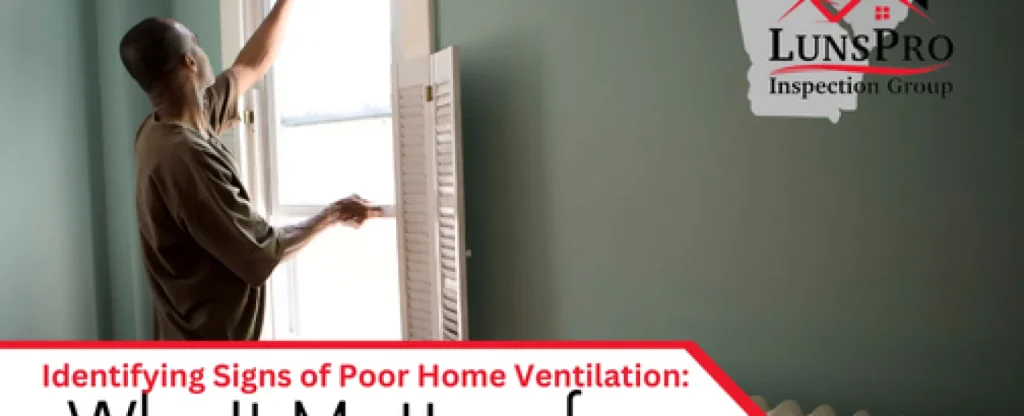
Have you ever walked into a room and instantly felt stuffy or noticed a strange odor lingering in the air? That’s often a sign of inadequate ventilation.
When your space doesn’t get enough fresh air, it can affect more than just comfort—it can impact your health, mood, and even the condition of your home. You might not realize it, but poor ventilation can lead to serious problems that quietly build up over time.
Keep reading to discover exactly what happens when ventilation is inadequate and why fixing it should be a priority for your well-being.
Credit: mccormickrenovationpgh.com
Causes Of Poor Ventilation
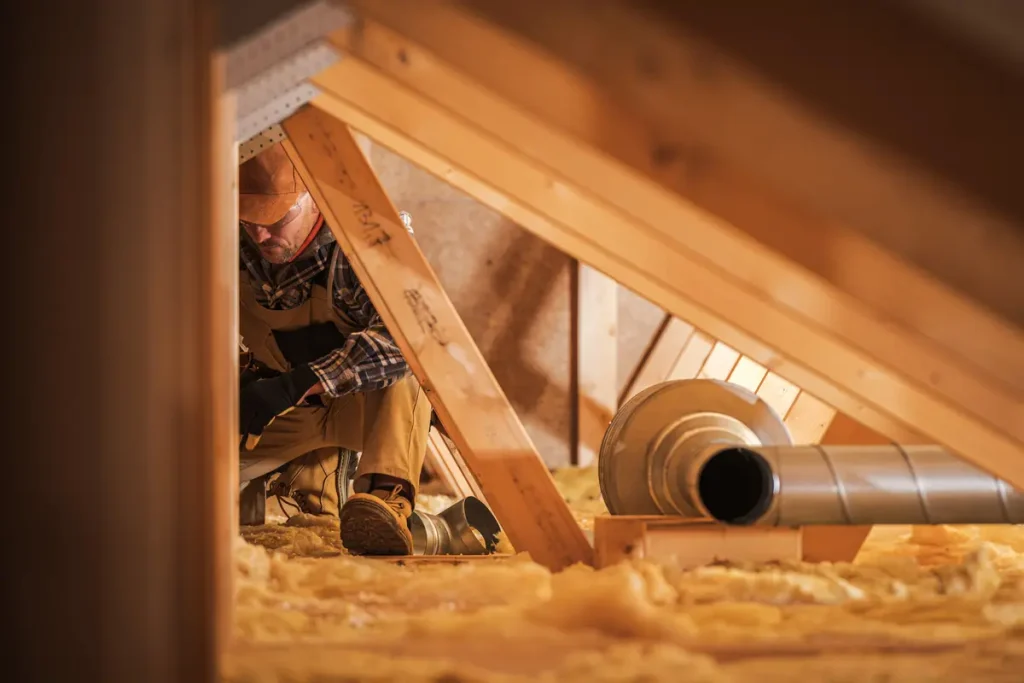
Poor ventilation happens for several reasons. Understanding these causes helps fix air problems fast. Poor air quality and dampness often start with blocked airflow. Air exchange might be too low to refresh indoor spaces properly. Faulty ventilation systems also reduce air movement and clean air supply.
Blocked Airflow
Airflow gets blocked by dirt, dust, or debris in vents. Closed or covered vents stop air from moving. Furniture or curtains placed near vents block air paths. These blockages trap stale air inside rooms. Blocked airflow causes stuffy, uncomfortable spaces.
Insufficient Air Exchange
Air exchange means replacing indoor air with fresh outdoor air. Small or sealed windows limit fresh air entry. Buildings without enough openings trap polluted air inside. Lack of air exchange raises humidity and harmful gases. People inside feel tired or dizzy due to poor air.
Faulty Ventilation Systems
Broken fans or air filters reduce air cleaning ability. Old or poorly maintained systems fail to move air well. Incorrect installation of vents causes uneven airflow. Faulty systems waste energy and lower air quality. Regular checks prevent system failures and improve ventilation.
Credit: www.ishn.com
Health Risks Linked To Inadequate Ventilation
Poor ventilation harms indoor air quality. It allows harmful particles and pollutants to build up. This creates several health risks. People inside can suffer from various illnesses and discomfort. Understanding these risks helps in improving air circulation and safety.
Respiratory Issues
Inadequate ventilation increases dust, smoke, and chemical levels. Breathing these irritants can cause coughing and shortness of breath. It may lead to chronic bronchitis or worsen lung diseases. Children and elderly people are especially vulnerable.
Allergies And Asthma Triggers
Stale air allows allergens like mold spores and pet dander to grow. These allergens can trigger asthma attacks and allergic reactions. Symptoms include sneezing, itchy eyes, and wheezing. Proper ventilation reduces allergen concentration and eases symptoms.
Spread Of Airborne Diseases
Viruses and bacteria spread faster in poorly ventilated spaces. This increases the risk of colds, flu, and other infections. Crowded rooms with little fresh air raise transmission rates. Good airflow helps remove germs and protects health.
Structural And Environmental Impacts
Inadequate ventilation affects more than just air quality; it has serious structural and environmental consequences. When air fails to circulate properly, moisture and pollutants accumulate, creating conditions that can harm your home and health. Understanding these impacts helps you take action before problems become costly.
Moisture Buildup And Mold Growth
Poor ventilation traps moisture inside your home. This creates the perfect environment for mold to grow on walls, ceilings, and floors. Mold not only damages surfaces but also triggers allergies and respiratory issues.
Have you noticed a musty smell or dark spots in hidden corners? These are signs your ventilation might be failing. Addressing moisture buildup early can save you from expensive repairs and health problems.
Damage To Building Materials
Excess moisture weakens wood, drywall, and insulation over time. Walls may warp, paint can peel, and structural beams might rot. This compromises your home’s integrity and safety.
Ignoring ventilation issues means risking costly renovations later. Regularly check for damp patches or soft spots in floors and walls. These clues point to hidden damage caused by poor airflow.
Increased Indoor Pollutants
Without fresh air, pollutants like dust, pet dander, and volatile organic compounds (VOCs) build up inside your home. These substances worsen allergies, asthma, and other respiratory conditions.
Think about the last time you opened a window or turned on an exhaust fan. That simple action helps remove harmful particles and keeps your indoor environment healthier. Don’t underestimate the power of proper ventilation in protecting your well-being.
Signs Of Poor Ventilation
Recognizing the signs of poor ventilation is essential to maintaining a healthy and comfortable living space. When airflow is restricted, you might notice subtle changes that affect your home’s atmosphere and even your well-being. Paying attention to these clues can help you address ventilation issues before they become serious problems.
Unpleasant Odors
Have you ever walked into a room and immediately sensed a stale or musty smell? This is often one of the first signs that ventilation is lacking. Without fresh air circulating, odors from cooking, pets, or moisture build up and linger longer than they should.
You might try airing out the room, but if the smell returns quickly, it’s a strong hint that your ventilation system isn’t doing its job. Persistent bad smells can also indicate mold or mildew growth, which thrives in poorly ventilated spaces.
Excess Humidity
Feeling sticky or damp indoors, even when the weather outside is dry, suggests excess humidity. Poor ventilation traps moisture from activities like showering, cooking, and breathing, raising indoor humidity levels.
High humidity can cause discomfort and even trigger allergies or respiratory issues. Do you notice your clothes or towels staying damp longer than usual? This is another red flag pointing to inadequate airflow in your home.
Condensation On Windows
Have you spotted water droplets collecting on your windows during cold mornings? This condensation is a clear sign that moisture isn’t escaping properly due to poor ventilation.
Over time, this trapped moisture can damage window frames, cause paint to peel, and promote mold growth. Keeping an eye on window condensation can give you an early warning to improve your home’s ventilation before bigger damage occurs.
Improving Indoor Air Quality
Poor ventilation can lead to health issues like allergies and respiratory problems. Stale air may increase pollutants indoors, affecting overall well-being. Improving air circulation reduces these risks.
Improving indoor air quality is essential for a healthy living environment. Poor ventilation can lead to health issues and discomfort. By addressing ventilation issues, we ensure fresher and cleaner air indoors. Let’s explore practical ways to enhance air quality.Regular Maintenance Of Systems
Regular maintenance keeps ventilation systems effective. Clean filters and ducts often. Inspect for blockages to maintain air flow. Well-maintained systems reduce dust and allergens. This improves overall air quality in your space.Using Air Purifiers
Air purifiers remove pollutants from indoor air. Choose purifiers with HEPA filters for best results. Place them in rooms where you spend most time. They capture dust, pollen, and smoke particles. This helps you breathe easier and stay healthier.Increasing Natural Ventilation
Open windows and doors to boost natural ventilation. This allows fresh air to replace stale indoor air. Use exhaust fans in kitchens and bathrooms. They help remove odors and humidity. Natural ventilation is a simple way to improve air quality.
Credit: www.mdpi.com
Upgrading Ventilation Systems
Upgrading ventilation systems improves air quality and comfort. It helps remove stale air and brings fresh air inside. Proper upgrades also reduce moisture, odors, and indoor pollutants. This keeps homes and offices healthier and safer. Several options exist to enhance ventilation efficiently and effectively.
Installing Mechanical Ventilation
Mechanical ventilation uses fans and ducts to move air. It controls airflow better than natural ventilation. Systems like exhaust fans or supply fans push air in or out. Balanced systems combine both to maintain steady airflow. Mechanical ventilation reduces humidity and removes indoor pollutants fast.
Energy Recovery Ventilators
Energy Recovery Ventilators (ERVs) exchange heat between outgoing and incoming air. This saves energy by warming or cooling fresh air. ERVs improve indoor air quality without wasting energy. They work well in tight, modern buildings where natural airflow is low. Using ERVs lowers heating and cooling costs while providing fresh air.
Smart Ventilation Controls
Smart controls adjust ventilation based on air quality and humidity. Sensors detect changes and turn systems on or off automatically. This avoids wasting energy and keeps air fresh. Smart systems can be programmed for different times or needs. They offer convenience and better control over indoor air quality.
Preventive Measures For Better Ventilation
Taking steps to improve ventilation can make a big difference in your indoor air quality and overall comfort. Addressing ventilation issues early helps you avoid problems like moisture buildup, unpleasant odors, and even health risks. Let’s look at practical ways you can keep your space well-ventilated and fresh.
Routine Inspections
Checking your ventilation system regularly is key. Look out for clogged vents, dust accumulation, or any strange noises from fans. These simple checks can prevent bigger problems down the line and ensure your system runs smoothly.
Think about the last time you noticed stale air in your home. A quick inspection might have revealed a blocked vent or a dirty filter that you could clean right away. How often do you really pay attention to the airflow in your space?
Sealing Air Leaks
Unsealed cracks and gaps around windows, doors, and ducts let outside air sneak in or indoor air escape. This disrupts the balance of fresh air and can strain your ventilation system.
Use weatherstripping or caulk to close these leaks. Not only will this improve airflow control, but it can also reduce your energy bills. Have you checked your home for air leaks recently?
Educating Occupants
Everyone using the space plays a role in maintaining good ventilation. Teach your family or coworkers simple habits like opening windows when weather allows or using exhaust fans during cooking and showers.
Encourage awareness about how blocked vents or heavy use of air fresheners can affect air quality. When everyone understands the impact of their actions, keeping the air fresh becomes a shared effort. How often do you discuss ventilation habits with those around you?
Frequently Asked Questions
What Are Common Signs Of Inadequate Ventilation?
Inadequate ventilation often causes stuffy air, excess moisture, and unpleasant odors. It may lead to condensation on windows and mold growth. People might experience headaches, fatigue, or respiratory issues due to poor air quality indoors.
How Does Poor Ventilation Affect Indoor Air Quality?
Poor ventilation traps pollutants, allergens, and carbon dioxide inside. This lowers indoor air quality, causing discomfort and health risks. It can worsen asthma, allergies, and other respiratory problems, making the environment unhealthy.
Can Inadequate Ventilation Cause Structural Damage?
Yes, inadequate ventilation leads to excess moisture buildup. This moisture can damage walls, ceilings, and insulation. Over time, it promotes mold growth and wood rot, compromising the building’s structural integrity.
How To Improve Ventilation In Poorly Ventilated Spaces?
To improve ventilation, use exhaust fans, open windows, or install air vents. Regular maintenance of HVAC systems also helps. Ensuring proper airflow reduces moisture, removes pollutants, and improves indoor air quality effectively.
Conclusion
Poor ventilation causes many problems inside buildings. It leads to bad air quality and health issues. People may feel tired, dizzy, or develop allergies. Mold and moisture can grow, damaging walls and furniture. Energy costs might increase as heating or cooling works harder.
Fixing ventilation improves comfort and safety. Regular checks help keep air fresh and clean. Good airflow supports healthy living and saves money. Don’t ignore signs of poor ventilation in your home or office. Take action early to create a better environment for everyone.



