

Are you struggling with a damp, musty basement that just won’t air out? Ventilating your basement properly can make all the difference in keeping your home fresh and healthy.
But where exactly should you place vents to get the best airflow and avoid problems like mold or stale air? Finding the right location to ventilate your basement isn’t just about opening a window—it’s about smart planning that protects your space and improves your comfort.
Keep reading to discover the preferred spots for basement ventilation and how making the right choice can transform your home environment.
Importance Of Basement Ventilation
Basement ventilation plays a vital role in maintaining a healthy and safe home environment. Without proper airflow, basements tend to accumulate moisture, leading to mold growth and poor air quality. This can cause health problems and damage to your home’s structure.
Good ventilation helps remove damp air and brings in fresh air. It controls humidity levels, reducing the risk of mold and mildew. Proper airflow also helps prevent musty odors that often plague basements.
Ventilating a basement correctly can protect your belongings stored there. It supports the overall comfort of your home by keeping the basement dry and fresh. Understanding the importance of basement ventilation guides you in choosing the best location to vent your basement efficiently.
Prevents Mold And Mildew Growth
Moisture in basements creates a perfect environment for mold and mildew. Ventilation removes excess moisture from the air. This stops mold from growing on walls, floors, and stored items.
Improves Air Quality
Stale air in basements can contain harmful pollutants. Proper ventilation exchanges stale air with fresh air. This keeps the basement air clean and safe to breathe.
Protects Structural Integrity
Excess moisture damages wood, drywall, and concrete. Ventilation helps keep these materials dry. This prevents costly repairs caused by water damage.
Reduces Musty Odors
Basements often have a damp, musty smell. Good ventilation removes odor-causing moisture. This makes the basement smell fresh and inviting.
Enhances Comfort And Usability
A well-ventilated basement stays dry and comfortable. This makes it suitable for living spaces or storage. Ventilation increases the value and use of your basement.
Credit: www.diychatroom.com
Common Ventilation Locations
Ventilating a basement properly helps keep air fresh and moisture low. Choosing the right place to add vents improves airflow. Below are common locations where basement ventilation works well.
Wall Vents
Wall vents allow outside air to enter directly into the basement. They help remove damp air and bring in fresh air. Installing vents on opposite walls creates cross ventilation. This helps air move through the space more efficiently. Wall vents are easy to install and maintain.
Window Vents
Window vents use basement windows to allow air circulation. Small vent openings in the window frame can bring fresh air inside. This method keeps the basement brighter and well-ventilated. Window vents work best if windows are large enough and can open safely.
Floor Vents
Floor vents connect the basement to the upper floors of the house. They let warm air from above enter the basement, helping to regulate temperature. These vents also improve airflow between floors. Floor vents need to be placed carefully to avoid drafts or moisture buildup.
Ceiling Vents
Ceiling vents connect the basement to rooms above or to attic spaces. They allow warm air to rise from the basement into upper levels. This helps reduce dampness and keeps the basement dry. Ceiling vents require proper sealing to prevent heat loss.
Factors Affecting Vent Placement
Choosing the right spot to place vents in your basement isn’t just about convenience. Several key factors shape how effective your ventilation will be. Understanding these can help you make smarter decisions that keep your basement fresh, dry, and comfortable.
Airflow Patterns
Think about how air naturally moves in your basement space. Vents should be placed where air can flow freely, avoiding dead zones where air gets trapped. Placing vents near doors or windows can encourage cross-ventilation, allowing fresh air to push out stale air efficiently.
Have you noticed areas in your basement where the air feels stagnant? Positioning vents to target these spots can make a big difference in air quality. Sometimes, installing a vent low and another high on opposite walls helps create a natural airflow cycle.
Moisture Control
Moisture is often the biggest challenge in basements. Vent placement must help reduce dampness by allowing moist air to escape. Placing vents near potential sources of moisture, like laundry areas or near the sump pump, helps prevent mold and mildew buildup.
Consider if your basement walls or floors tend to be damp. Installing vents close to these areas gives moisture a way out before it causes damage. You might also want to add vents in spots where condensation frequently forms.
Basement Layout
Your basement’s shape and size influence where vents will work best. In open layouts, vents placed strategically along the perimeter promote steady air circulation. For segmented basements, vents in each separate room or zone ensure no area is left without airflow.
Do you have storage rooms or home offices down there? Each enclosed space needs ventilation to keep air fresh. Planning vent locations around your basement’s unique layout ensures every corner benefits.
Local Climate
Where you live affects how you should ventilate your basement. In humid climates, vents should help reduce moisture buildup without letting in too much outside humidity. In colder regions, vents might need covers or dampers to prevent cold drafts during winter.
Ask yourself how often your area experiences heavy rain or extreme temperature swings. Your vent placement and design should account for these conditions to protect your basement year-round. Adjusting vent positions seasonally can also help balance airflow and moisture control.
Expert Recommendations For Vent Placement
Proper vent placement is crucial for effective basement ventilation. Experts suggest several key factors to consider. These elements ensure fresh air flows in and stale air moves out efficiently. Good vent placement helps prevent moisture buildup and mold growth. It also maintains a healthier basement environment.
Optimal Height For Vents
Placing vents at the right height improves airflow. Experts recommend vents near the floor and close to the ceiling. Low vents allow cooler air to enter. High vents let warm, moist air escape. This natural flow creates better ventilation without extra energy use. Avoid placing vents too close to the ground to prevent water entry.
Vent Size And Type
Choosing the correct size and type of vent matters. Larger vents allow more air to pass through. Fixed vents are simple but may limit airflow control. Adjustable vents provide flexibility for changing weather. Screened vents stop insects and debris from entering. Materials like metal or durable plastic last longer in damp conditions.
Using Mechanical Ventilation
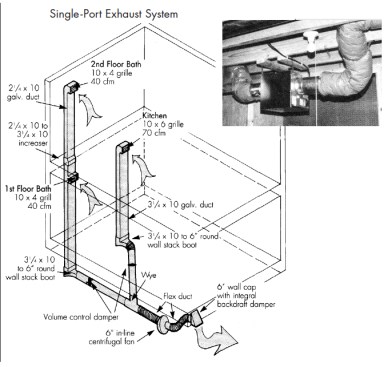
Mechanical fans boost airflow when natural ventilation is weak. Exhaust fans pull humid air out of the basement. Intake fans push fresh air inside. Timers and humidity sensors make fans run only when needed. This saves energy and keeps air fresh. Mechanical systems work well in basements with few windows or vents.
Combining Multiple Vent Locations
Multiple vents spread across different walls improve air circulation. Placing vents on opposite sides creates cross-ventilation. This airflow pattern moves air quickly through the space. Combining low and high vents balances temperature and moisture. Avoid clustering vents in one area to prevent poor air movement.
Common Mistakes To Avoid
Placing basement vents too close to the ground can cause moisture problems. Avoid blocking vents with furniture or debris to ensure good airflow. Choose locations that promote fresh air circulation and prevent dampness.
Ventilating a basement properly is crucial for maintaining a healthy home. Many homeowners make mistakes when choosing the best location for vents. These errors can lead to moisture issues, mold growth, and poor air quality. Understanding these common pitfalls can help avoid them and ensure a well-ventilated space.Blocking Vents
Blocking vents is a frequent mistake. Homeowners often place furniture or boxes in front of vents. This restricts airflow, causing stagnant air and humidity. Always keep vents clear of obstructions for effective ventilation.Improper Sealing
Improper sealing is another common error. Gaps around vents can let in unwanted moisture and pests. Ensure vents are sealed correctly to maintain air quality. Check seals regularly for any signs of wear or damage.Ignoring Insulation
Ignoring insulation can affect ventilation efficiency. Without proper insulation, drafts can occur. This makes temperature control difficult. Insulate around vents to keep air consistent and energy costs down.Overlooking Air Exchange Rates
Overlooking air exchange rates leads to poor ventilation. It’s essential to know how much air should circulate. Ensure your ventilation system meets the necessary exchange rates. This keeps air fresh and reduces pollutants.
Credit: quizlet.com
Maintenance Tips For Basement Vents
Maintaining basement vents is essential for good air flow and preventing moisture issues. Proper care keeps air fresh and reduces mold risks. Simple steps can extend the life of your vents and improve basement health.
Regular Cleaning
Dust and debris block vents and reduce air flow. Clean vents every few months using a vacuum or soft brush. Remove any leaves or dirt outside the vent opening. Keep the vent covers free of cobwebs and grime for better air exchange.
Inspecting For Damage
Check vents for cracks, rust, or broken parts regularly. Damaged vents let pests and water inside. Replace or repair any damaged vent covers quickly. Tighten loose screws and seals to keep vents secure and functional.
Seasonal Adjustments
Adjust vents according to the season to control moisture and temperature. Close vents during winter to keep cold air out. Open them in spring and fall to allow fresh air circulation. Seasonal care helps maintain a balanced basement environment year-round.
Credit: www.jlconline.com
Frequently Asked Questions
What Is The Best Spot To Ventilate A Basement?
The best spot to ventilate a basement is near windows or vents at ground level. This allows fresh air to circulate and moisture to escape, reducing dampness and improving air quality effectively.
Why Should Basement Ventilation Be Near The Ceiling Or Floor?
Ventilation near the floor removes cold, damp air, while vents near the ceiling let warm, moist air escape. This combination helps maintain balanced airflow and prevents mold growth in basements.
How Does Location Affect Basement Air Circulation?
Proper vent placement ensures continuous airflow, preventing stagnant air pockets. Locating vents on opposite walls or near entry points maximizes fresh air intake and exhaust, improving basement ventilation efficiency.
Can Window Vents Improve Basement Ventilation?
Yes, window vents allow natural airflow, bringing in fresh air and pushing out stale air. They are cost-effective and easy to install, making them ideal for ventilating basements.
Conclusion
Choosing the right spot to ventilate your basement matters a lot. Proper ventilation keeps air fresh and stops dampness. Placing vents near windows or at opposite ends helps air flow well. This reduces mold and keeps your basement dry. Remember, good airflow means a healthier home.
Simple steps can make your basement more comfortable. Think about where air enters and leaves. That’s the key to effective basement ventilation.



