
Have you ever wondered how your home stays comfortable no matter the season? The answer lies in your HVAC system.
But what exactly is an HVAC system for a house, and why is it so important for your daily life? Understanding this can help you make smarter choices about heating, cooling, and air quality. Keep reading, and you’ll discover how this hidden hero works to keep your home cozy, fresh, and energy-efficient all year round.
Basics Of Hvac Systems
Understanding the basics of HVAC systems can help you maintain a comfortable home all year round. These systems control the temperature, humidity, and air quality inside your house. Knowing how they work and what parts they include will empower you to spot issues early and make better decisions about repairs or upgrades.
Key Components
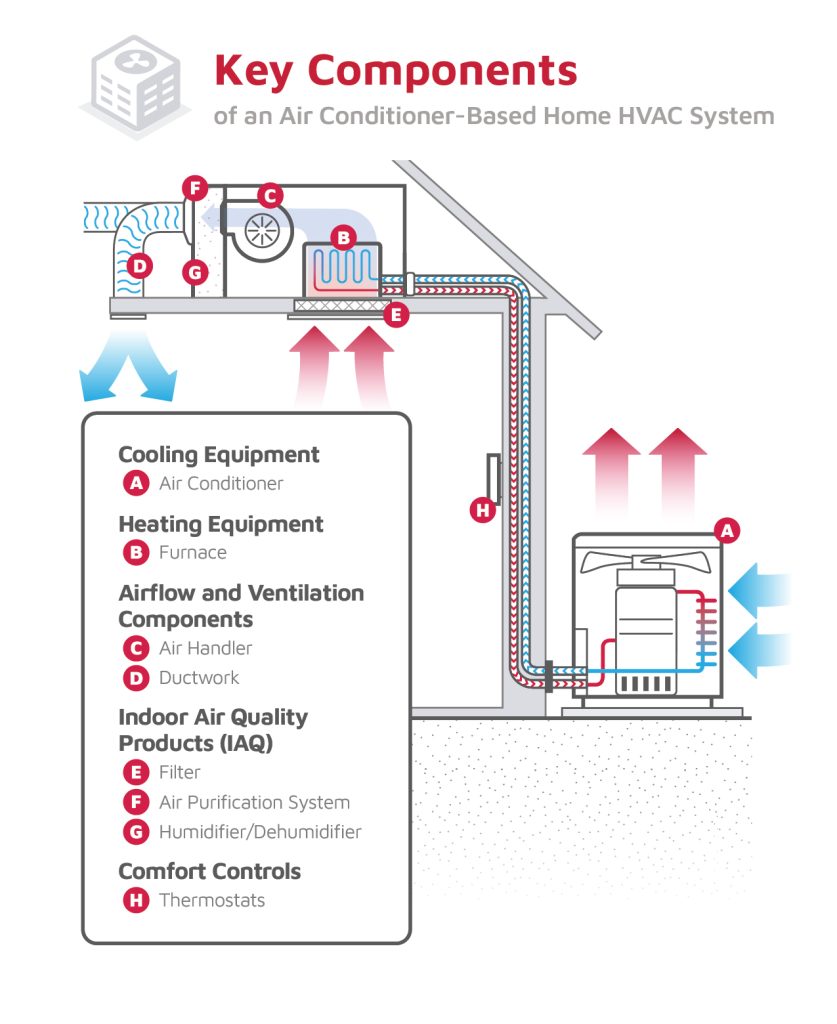
An HVAC system includes several essential parts that work together to keep your home comfortable:
- Heating unit:Often a furnace or heat pump, this component warms your home during cold months.
- Cooling unit:Usually an air conditioner or heat pump, it cools the air when temperatures rise.
- Ventilation:This moves fresh air into your home and removes stale air, improving indoor air quality.
- Ductwork:Channels that carry heated or cooled air throughout your house.
- Thermostat:The control center where you set your desired temperature.
Each part plays a vital role, so if one fails, the whole system can struggle. Have you ever had your heating stop working on a cold night? That’s often because one component, like the thermostat or furnace, wasn’t functioning right.
How Hvac Works
Your HVAC system works by moving air through a cycle of heating or cooling and ventilation. It starts with the thermostat, which senses the room temperature and signals the system to adjust accordingly.
In heating mode, the system heats air and pushes it through ducts into your rooms. In cooling mode, it removes heat from inside air and releases it outside, then circulates the cooled air back inside.
Ventilation continuously exchanges indoor and outdoor air to keep the environment fresh and healthy. Think about how closing a window on a hot day traps heat—ventilation helps prevent that by bringing in fresh air.
Have you noticed how quickly your house cools down after turning on the AC? That’s the system working efficiently to balance temperature and airflow. Understanding this process helps you see why regular maintenance, like changing filters, keeps your system running smoothly.
Credit: www.carrier.com
Types Of Hvac Systems
Understanding the different types of HVAC systems can help you choose the right setup for your home. Each system has unique features that impact installation, efficiency, and maintenance. Let’s break down the most common types so you can see which fits your needs best.
Split Systems
Split systems are the most familiar type of HVAC setup. They include two main parts: an outdoor unit that handles the heat exchange and an indoor unit that distributes air through ducts.
This system works well if your home already has ductwork installed. It’s efficient and generally easier to maintain because the components are separate but connected.
Ductless Systems
Ductless systems, also known as mini-split systems, don’t use ducts to move air. Instead, they have an outdoor compressor and one or more indoor air handlers mounted on walls.
These are great for homes without existing ductwork or for adding heating and cooling to specific rooms. You gain flexibility and can control temperatures room-by-room.
Packaged Systems
Packaged systems combine heating and cooling components into a single outdoor unit. This setup is common in homes with limited indoor space.
Since everything is housed outside, you save indoor room but may face higher exposure to weather-related wear. It’s a neat solution if you want to avoid indoor units.
Hybrid Systems
Hybrid systems mix a traditional furnace with an electric heat pump. The system decides which to use based on outdoor temperature, aiming to save energy.
This type can lower your utility bills by switching between gas and electric heating. It’s a smart choice if you want to balance comfort with efficiency.
Choosing The Right System
Choosing the right HVAC system for your home is important. It affects comfort, energy bills, and air quality. Selecting a system that fits your needs can save money and keep your home comfortable year-round.
Size And Capacity
Picking the correct size is key. A system too small will struggle to heat or cool your space. One too large will cycle on and off too often, wasting energy. Professionals use calculations based on your home’s square footage, insulation, and windows to find the right capacity.
Energy Efficiency
Energy-efficient systems reduce utility bills and help the environment. Look for units with high SEER (cooling) and AFUE (heating) ratings. Efficient models use less electricity or fuel to run. This means lower costs and less pollution.
Climate Considerations
Your local climate impacts the best HVAC choice. Warmer areas need strong cooling features. Colder climates require powerful heating options. Some systems are designed to handle both extremes effectively. Choose a system built for your region’s weather patterns.
Installation Process
Installing an HVAC system involves placing heating and cooling units inside and outside the house. Experts connect ducts and vents to spread air evenly throughout rooms. This setup helps maintain comfortable temperatures year-round.
Installing an HVAC system in your home is a journey toward comfort and efficiency. Understanding the process can make it less daunting and more exciting. It’s not just about setting up a machine; it’s about tailoring the system to fit your home’s unique needs. Let’s dive into the essential steps involved in the installation process to ensure your home stays perfectly cozy.Site Assessment
Before any installation begins, a thorough site assessment is crucial. This involves evaluating the size and layout of your home to determine the best type of HVAC system. Experts will consider factors like insulation, window placement, and even the number of occupants. Imagine you’re designing a custom suit; the system must fit your home perfectly. Misjudging this step could lead to inefficiencies and higher energy bills. Have you ever wondered why some rooms in your house are colder or hotter than others? A proper site assessment helps eliminate these inconsistencies.System Setup
Once the assessment is complete, the actual setup process begins. Technicians will carefully install the components of the HVAC system, ensuring each part is perfectly in place. This includes positioning the indoor and outdoor units, laying out ductwork, and installing necessary wiring. Think of this step as assembling a complex puzzle. Each piece needs to fit together seamlessly to ensure optimal performance. If you’ve ever tried to fix a DIY project that went wrong, you know how crucial precision is here.Testing And Calibration
After installation, testing and calibration ensure everything runs smoothly. Technicians will check for leaks, ensure the system operates efficiently, and calibrate the thermostat. This step is like fine-tuning a musical instrument to hit the right notes. Testing ensures your new system is ready to provide comfort without unexpected breakdowns. Have you experienced the frustration of a new gadget not working as expected? Proper calibration prevents such disappointments by ensuring your HVAC system is ready to deliver consistent comfort from day one. The installation process of an HVAC system is a blend of science and art. By understanding each step, you can ensure your home environment is both comfortable and efficient. Are you ready to make your living space a haven of perfect climate control?Maintenance Tips
Maintaining your HVAC system is key to keeping your home comfortable and energy bills low. Small efforts can prevent costly repairs and extend the life of your system. Let’s look at simple yet effective maintenance tips you can apply right away.
Regular Inspections
Check your HVAC system at least twice a year. Look for unusual noises, leaks, or strange odors. Catching these signs early can save you from a complete breakdown during extreme weather.
Have you noticed your system running longer than usual? That’s a signal to inspect. Even a quick visual check can reveal clogged vents or damaged parts that need attention.
Filter Replacement
Replacing filters regularly keeps the air clean and the system running smoothly. Dirty filters block airflow and force your unit to work harder, raising energy costs.
Mark your calendar to change filters every 1-3 months, depending on usage and filter type. If you have pets or allergies, consider changing filters more often to improve indoor air quality.
Seasonal Tune-ups
Schedule professional tune-ups before summer and winter. Technicians can clean coils, check refrigerant levels, and ensure all components work efficiently.
Think about it as a health check for your HVAC system. A well-tuned system won’t just save money; it also keeps your home consistently comfortable no matter the season.

Credit: medium.com
Common Problems And Solutions
Understanding common problems with your HVAC system can save you time, money, and discomfort. Many homeowners face issues that seem complicated but often have straightforward solutions. Identifying these problems early helps keep your home comfortable year-round.
Poor Airflow
Poor airflow is one of the most frequent complaints about HVAC systems. If you notice weak air coming from vents, the issue might be clogged air filters or blocked ducts. Changing filters regularly and ensuring vents are open can improve airflow quickly.
Sometimes, the problem lies deeper, such as a failing blower motor. Have you checked if your vents feel warm or cold as expected? If not, it might be time to call a professional to inspect your system.
Unusual Noises
Strange noises like banging, rattling, or squealing can signal trouble in your HVAC system. Loose parts or debris caught in the fan blades often cause rattling sounds. Tightening screws or removing debris can fix this easily.
A high-pitched squeal might indicate a worn-out belt needing replacement. Ignoring these noises can lead to bigger, costlier repairs. What sounds has your system been making lately?
Temperature Inconsistencies
When some rooms feel too hot or too cold, it points to temperature inconsistencies within your home. Uneven cooling or heating often results from poor insulation or improper thermostat placement. Checking insulation in problem areas can help balance temperatures.
Another cause could be a malfunctioning thermostat or zoning system. Have you noticed if the thermostat settings match the actual room temperature? Adjusting or upgrading your thermostat can provide better control and comfort.
Energy Saving Strategies
Saving energy with your HVAC system doesn’t just lower your bills—it makes your home more comfortable year-round. Small changes can lead to big savings, and some upgrades pay for themselves quickly. Are you ready to take control of your home’s energy use and see the difference?
Smart Thermostats
Smart thermostats learn your schedule and adjust temperatures automatically, so you’re not wasting energy heating or cooling an empty house. You can control them from your phone, which means you can make changes even when you’re not home.
Imagine coming back to a perfectly cozy home without running the system all day. These devices often provide energy reports that show where you can save more. Have you checked if your thermostat can do more than just manual adjustments?
Zoning Systems
Zoning allows you to heat or cool different parts of your house independently. This means you don’t waste energy conditioning rooms that aren’t in use.
For example, you might keep bedrooms cooler during the day and warmer at night without affecting the living room temperature. Installing zoning can be a game-changer if your family has different comfort preferences. Could this be the solution for uneven heating or cooling in your home?
Insulation Improvements
Good insulation keeps the warm or cool air inside, reducing the workload on your HVAC system. Adding or upgrading insulation in your attic, walls, or floors can slash your energy use.
Even sealing small gaps around windows and doors helps maintain temperature. Think about how much energy your home loses through drafts—how much could you save by fixing them?

Credit: www.achrnews.com
Frequently Asked Questions
What Is An Hvac System In A House?
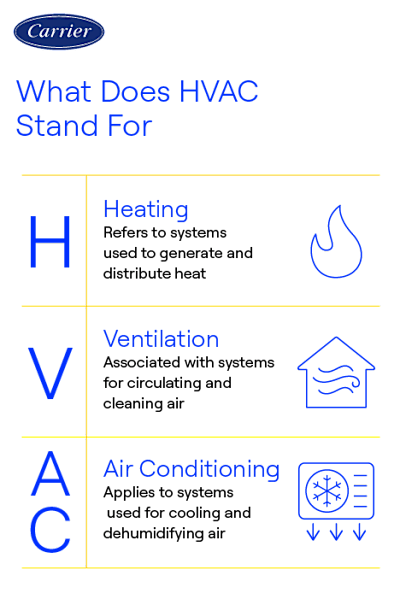
An HVAC system heats, cools, and ventilates your home. It maintains comfortable indoor temperatures and improves air quality. HVAC stands for Heating, Ventilation, and Air Conditioning, combining these functions into one system.
How Does An Hvac System Work?
An HVAC system uses a thermostat to control temperature. It circulates air through ducts, heating or cooling it as needed. The system removes humidity and filters air to ensure comfort and health.
Why Is Hvac Important For Home Comfort?
HVAC systems regulate temperature and air quality year-round. They keep homes warm in winter and cool in summer. Proper HVAC improves energy efficiency, reduces utility bills, and enhances indoor air quality.
What Are Common Hvac System Types For Homes?
Common types include split systems, packaged units, and ductless mini-splits. Split systems have separate indoor and outdoor units. Packaged units combine everything in one, while mini-splits offer flexible zone control.
Conclusion
An HVAC system keeps your home warm in winter and cool in summer. It also helps improve indoor air quality. Choosing the right system can save energy and lower bills. Regular maintenance keeps the system running smoothly. Understanding how HVAC works helps you make smart decisions.
A comfortable home depends on a good HVAC setup. Take care of your system, and it will take care of you. Simple steps make a big difference in comfort and savings.



