
Have you ever wondered what makes your home stay cool in the summer and warm in the winter? Your HVAC system is the hidden hero working nonstop to keep your comfort just right.
Understanding how this system works can help you take better care of it and even save on energy bills. You’ll discover the simple secrets behind your HVAC system’s magic and learn how it keeps your space comfortable all year round.
Keep reading, and you’ll see just how easy it is to understand the power behind your comfort.
Credit: www.tejjy.com
Basic Hvac Components
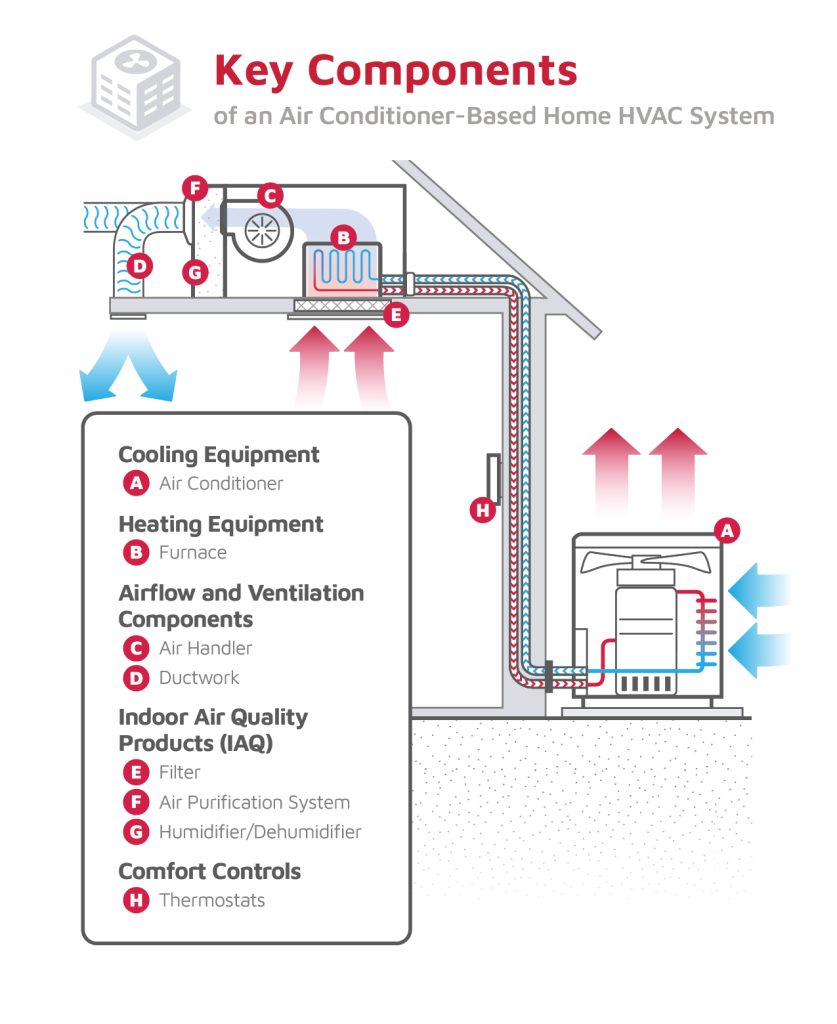
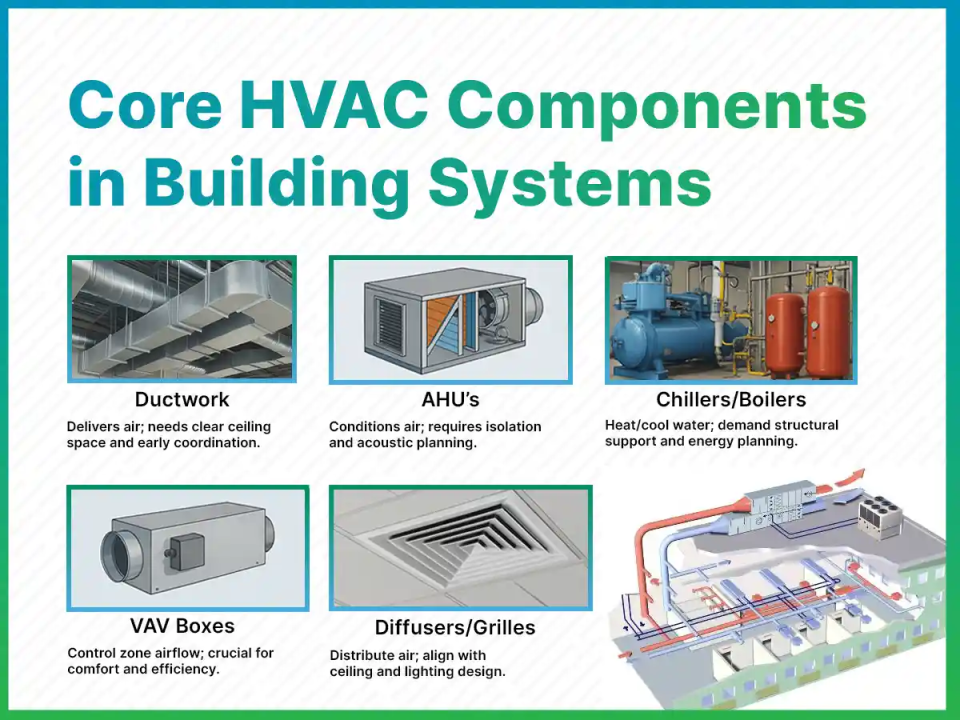
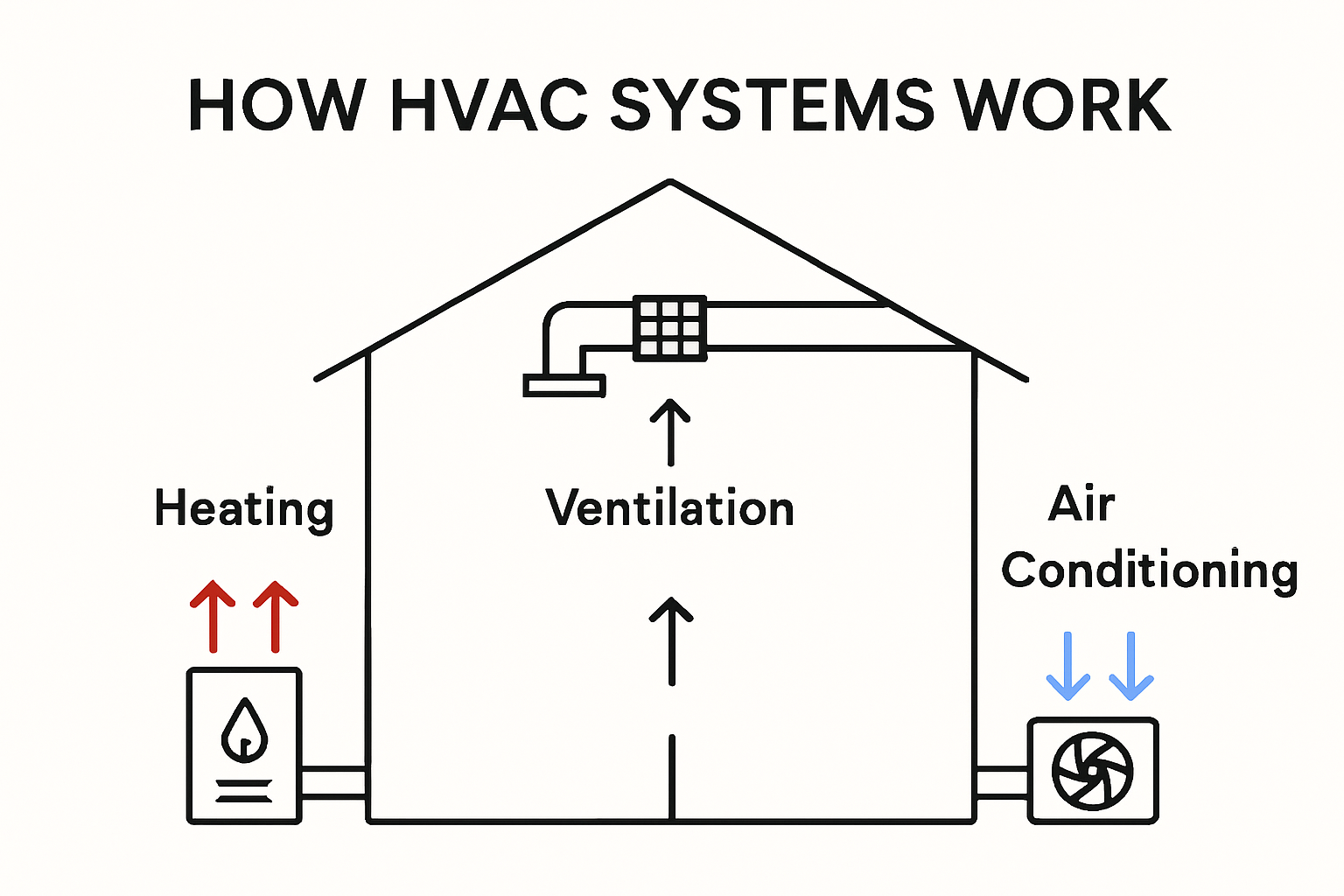
HVAC systems keep indoor spaces comfortable by controlling temperature and air quality. They use several key components working together. Each part plays a unique role in heating, cooling, and ventilating the air. Understanding these components helps explain how the system works efficiently.
Heating Units
Heating units provide warmth during cold weather. They use fuel like gas, electricity, or oil to create heat. Common types include furnaces, boilers, and heat pumps. Furnaces burn fuel to heat air, which is then blown through ducts. Boilers heat water to warm radiators or floors. Heat pumps transfer heat from outside air to inside.
Cooling Units
Cooling units remove heat to cool indoor air. Air conditioners and heat pumps are common cooling devices. They use refrigerants to absorb heat from inside and release it outside. The cooled air circulates through vents, lowering room temperature. Cooling units also reduce humidity for comfort.
Ventilation Systems
Ventilation systems circulate fresh air and remove stale air. They maintain air quality by controlling moisture, odors, and pollutants. Ventilation can be natural or mechanical. Mechanical systems use fans and ducts to move air efficiently. Proper ventilation prevents mold and improves health.
Credit: projecthvac.com
Heating Process Explained
The heating process in an HVAC system keeps your home warm and comfortable during cold days. It works by generating heat and distributing it evenly. Two common heating methods are furnace operation and heat pump functionality. Each uses a different approach to produce warmth efficiently.
Furnace Operation
A furnace burns fuel like gas, oil, or propane to create heat. Inside, a burner lights the fuel, producing hot gases. These gases heat a metal heat exchanger.
The heat exchanger warms the air without mixing with the combustion gases. A blower then pushes this warm air through the ducts. The warm air flows into your rooms, raising the temperature.
Furnaces have safety features. They ensure the flames burn safely and the gases exit through a vent. This process repeats to keep your home cozy.
Heat Pumps Functionality
Heat pumps transfer heat rather than create it. They work like an air conditioner but in reverse during winter. The pump extracts heat from outside air, even when it’s cold.
A refrigerant inside the system absorbs outdoor heat. The heat moves inside and releases through coils. A fan blows warm air into your home.
Heat pumps are energy-efficient. They use electricity to move heat, not to generate it. This makes them an eco-friendly heating choice in many climates.
Cooling Mechanism
The cooling mechanism in an HVAC system is what keeps your home comfortable during hot days. It removes heat from the indoor air and pushes it outside, creating a cool environment inside. Understanding how this process works helps you appreciate the technology behind your air conditioner and troubleshoot minor issues yourself.
Air Conditioning Cycle
The air conditioning cycle involves several key steps that move heat from inside your home to the outside. First, warm air from your rooms is pulled into the system through return vents.
This air passes over cold evaporator coils, which absorb the heat. After the heat is absorbed, the cooled air is blown back into your rooms through supply vents, lowering the indoor temperature.
Meanwhile, the absorbed heat is transferred outside through the condenser unit, which releases it into the air. This cycle repeats continuously to keep your space cool.
Refrigerant Role
The refrigerant is the substance that makes the cooling possible. It flows through the system in a loop, changing from liquid to gas and back again.
When the refrigerant passes through the evaporator coils, it absorbs heat and evaporates into a gas. Then, it moves to the condenser coils where it releases the heat and turns back into a liquid.
This constant phase change allows the refrigerant to carry heat away from your home efficiently. Without the refrigerant, the system would not be able to transfer heat and cool your space.
Ventilation And Airflow
Ventilation moves fresh air into a building while removing stale air to keep rooms comfortable. Airflow in an HVAC system distributes warm or cool air evenly throughout the space. This balance helps maintain good air quality and steady temperatures indoors.
Ventilation and airflow play a crucial role in HVAC systems. They ensure fresh air circulates throughout a building. Proper ventilation removes stale air and brings in fresh air. This process is vital for maintaining indoor air quality.Air Exchange
Air exchange is the heart of ventilation. It involves replacing indoor air with outdoor air. This process reduces pollutants and controls humidity levels. Natural air exchange uses windows and vents. Mechanical systems use fans and ducts to move air. Both methods aim to keep air fresh and healthy.Filtration Systems
Filtration systems purify the air in HVAC systems. They trap dust, pollen, and other particles. Filters are made of different materials, like fiberglass or pleated paper. These systems improve air quality by removing harmful substances. Regular filter maintenance ensures efficient performance. Clean filters prevent clogs and enhance airflow.Thermostat And Controls
The thermostat and controls are the heart of an HVAC system. They manage when the system turns on or off. They keep your home at the right temperature. Without controls, the system would run all the time or not at all. This leads to discomfort and wasted energy.
Temperature Regulation
The thermostat senses the air temperature. It compares this to your set temperature. If the room is too cold or hot, it signals the HVAC to start. The system then heats or cools the air. Once the desired temperature is reached, the thermostat tells the system to stop. This cycle repeats to keep the room steady.
Thermostats use simple sensors to detect heat changes. Some models allow you to set different temperatures for day and night. This helps save energy and keeps your home comfortable.
Smart Controls
Smart thermostats connect to your Wi-Fi network. You can control them from your phone or tablet. They learn your schedule and adjust temperatures automatically. This avoids heating or cooling an empty house.
Smart controls offer features like:
- Remote temperature adjustment
- Energy usage reports
- Integration with voice assistants
- Alerts for maintenance or issues
These features help you save money and improve comfort. Smart controls make managing your HVAC system easier and more efficient.

Credit: mepacademy.com
Energy Efficiency Tips
Saving energy with your HVAC system doesn’t have to be complicated. Small changes in how you care for and upgrade your system can lead to noticeable drops in your energy bills. Are you ready to make your home more comfortable without wasting power?
Maintenance Practices
Regular maintenance keeps your HVAC system running smoothly and efficiently. Change your air filters every 1-3 months to avoid dust buildup that forces your system to work harder.
Cleaning the coils and checking for leaks helps maintain proper airflow and prevents energy loss. I once ignored a clogged filter, and my energy bill spiked by 20% that month—don’t let that happen to you.
- Schedule professional inspections annually
- Clear debris around outdoor units
- Lubricate moving parts to reduce friction
Upgrading Components
Older HVAC parts often waste energy because they’re less efficient. Replacing outdated thermostats with programmable or smart models gives you control over your heating and cooling schedules.
Switching to energy-efficient compressors and fans can cut electricity use significantly. I upgraded my thermostat last winter, and the system adjusted itself perfectly to my routine, saving energy without any effort.
| Component | Benefit | Typical Savings |
|---|---|---|
| Programmable Thermostat | Custom temperature control | 10-15% on heating/cooling bills |
| Energy-Efficient Compressor | Less electricity used | Up to 20% energy reduction |
| High-Efficiency Fans | Improved airflow with less power | 5-10% energy savings |
What small upgrade could you make today to improve your system’s efficiency?
Frequently Asked Questions
How Does An Hvac System Control Indoor Temperature?
An HVAC system uses heating and cooling components to regulate indoor temperature. It circulates air through ducts and vents, maintaining desired comfort levels efficiently.
What Are The Main Parts Of An Hvac System?
The main parts include the furnace, air conditioner, heat pump, ductwork, and thermostat. Each part works together to heat, cool, and circulate air.
How Does The Hvac System Improve Air Quality?
HVAC systems filter and ventilate indoor air. They remove dust, allergens, and pollutants, providing cleaner, healthier air inside homes and buildings.
Why Is Regular Hvac Maintenance Important?
Regular maintenance ensures efficient operation, reduces energy costs, and extends system life. It prevents breakdowns and improves indoor comfort and air quality.
Conclusion
Understanding how an HVAC system works helps you keep your home comfortable. It moves air, heats or cools it, and controls humidity. Regular care keeps the system running well and saves energy. Knowing the basics makes it easier to spot problems early.
You can enjoy a cozy home all year long. Simple steps make a big difference in comfort and savings. HVAC systems work quietly in the background, making life easier every day.



