
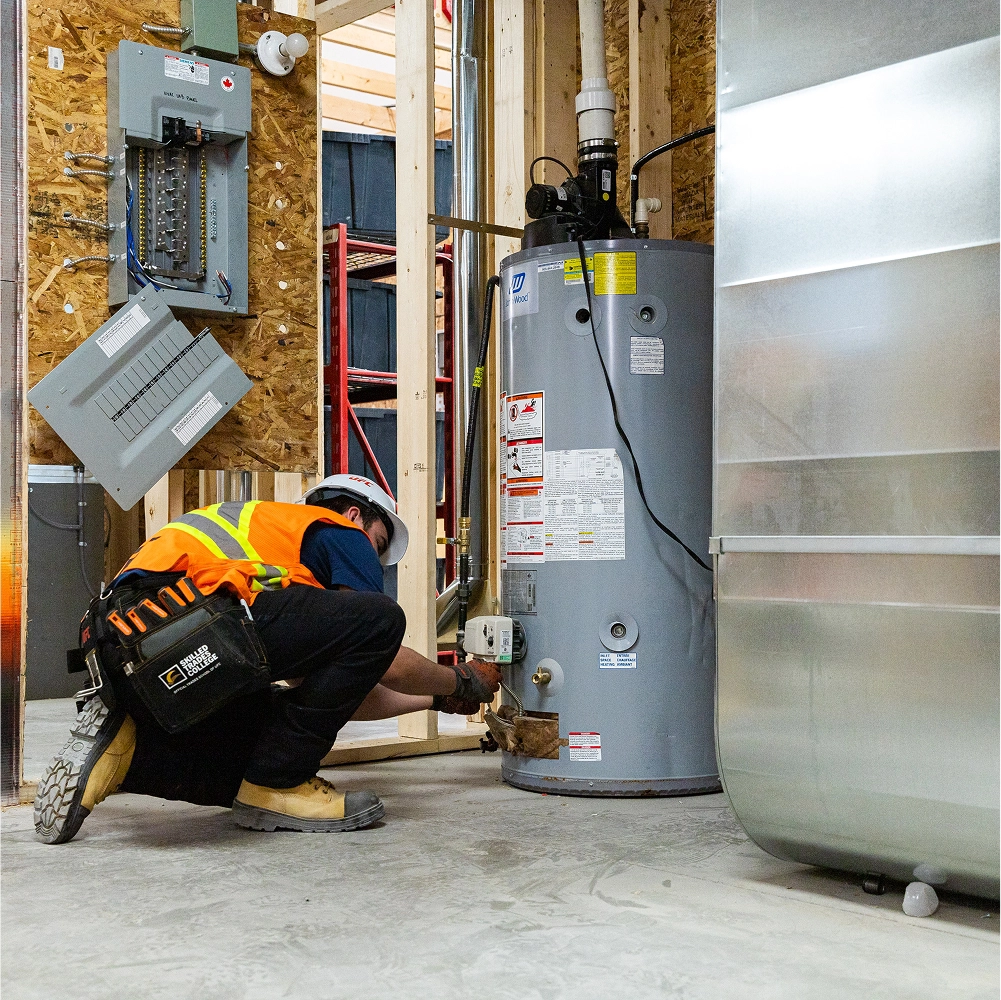
Have you ever wondered who keeps your home comfortable no matter the season? That’s where an HVAC tech comes in.
These skilled professionals make sure your heating, ventilation, and air conditioning systems work perfectly. Whether it’s a freezing winter night or a scorching summer day, an HVAC tech helps create the ideal atmosphere for you and your family. Curious about what exactly they do and why their role is so important?
Keep reading to discover everything you need to know about an HVAC tech and how they can make a difference in your daily life.
Role Of An Hvac Tech
The role of an HVAC tech is crucial in keeping your indoor environment comfortable and safe. These professionals work behind the scenes, ensuring heating, ventilation, and air conditioning systems run smoothly. Without their expertise, your home or workplace could quickly become uncomfortable or even unhealthy.
Daily Tasks And Responsibilities
HVAC technicians handle a variety of tasks every day. They install new systems, perform routine maintenance, and troubleshoot issues. You might find them checking thermostats, replacing filters, or repairing broken components.
They also perform safety checks to prevent hazards like gas leaks or electrical problems. Attention to detail is key, as even a small mistake can cause big issues. Have you ever wondered what it takes to keep your AC running during a heatwave? That’s the HVAC tech’s daily mission.
Work Environments
HVAC techs work in many settings, from residential homes to large commercial buildings. They might be on a rooftop installing a cooling unit or in a cramped basement fixing a furnace. The job often requires physical activity and sometimes working in tight or dusty spaces.
Seasonal changes affect their workload, with busier times during extreme weather. The variety in work environments keeps the job interesting but also demands flexibility and problem-solving skills. How would you handle a sudden breakdown in freezing winter?
Types Of Hvac Systems
There are several types of HVAC systems that techs work with, including split systems, packaged systems, and ductless mini-splits. Each system has unique parts and functions that require specific knowledge.
- Split Systems:Most common in homes, with separate indoor and outdoor units.
- Packaged Systems:All components in one unit, often used in smaller commercial spaces.
- Ductless Mini-Splits:Ideal for homes without ductwork, allowing zoned temperature control.
Understanding these systems helps techs diagnose problems faster and recommend the right solutions. Knowing your system type can make your communication with a technician much clearer. What type of system do you have at home?
Core Skills For Success
Success as an HVAC technician depends on a set of core skills. These skills help techs install, maintain, and repair heating and cooling systems efficiently. Without these abilities, handling complex HVAC tasks becomes difficult. Below are the key skills every HVAC tech needs.
Technical Abilities
HVAC techs must understand mechanical and electrical systems well. They work with various tools and equipment daily. Reading blueprints and technical manuals is essential. Knowledge of HVAC components like compressors, condensers, and thermostats is critical. Techs also need skills in wiring and circuit testing. These abilities ensure proper system installation and maintenance.
Troubleshooting Techniques
Finding problems quickly saves time and money. HVAC techs use diagnostic tools to spot issues. They analyze symptoms and test components step-by-step. Logical thinking helps pinpoint faults in complex systems. Techs must adapt to new problems and find solutions fast. Troubleshooting skills improve with experience and attention to detail.
Safety Practices
Working safely protects the tech and customers. HVAC work involves electricity, gas, and heavy equipment. Techs follow strict safety rules to avoid accidents. Using protective gear like gloves and goggles is standard. Proper handling of refrigerants prevents health hazards. Safety training is a must for all HVAC technicians.
Education And Training
Education and training form the foundation of a successful HVAC technician career. These programs teach the essential skills needed to install, maintain, and repair heating, ventilation, and air conditioning systems. Training combines both classroom learning and hands-on experience to prepare students for real-world challenges.
Understanding the different paths to gain knowledge and credentials helps aspiring HVAC technicians make informed decisions. Below are key areas of education and training for this profession.
Certification Programs
Certification programs provide formal instruction on HVAC systems and technologies. They cover important topics like electrical systems, refrigeration, and safety practices. Many programs last from six months to two years. Completing a certification improves job prospects and validates technical skills.
Certifications from recognized organizations, such as EPA Section 608, are required by law for handling refrigerants. Other certificates focus on specific equipment or advanced techniques, helping technicians stand out.
Apprenticeship Opportunities
Apprenticeships combine paid work with on-the-job training under expert supervision. These programs typically last three to five years. Apprentices learn practical skills while earning money. They gain experience in system installation, repair, and troubleshooting.
Apprenticeships help build a strong work ethic and professional connections. Many employers prefer hiring technicians with apprenticeship backgrounds due to their hands-on expertise.
Continuing Education
HVAC technology constantly evolves, requiring ongoing learning. Continuing education keeps technicians updated on new tools, regulations, and methods. Courses might include energy efficiency, smart thermostats, or eco-friendly refrigerants.
Regular training helps maintain certifications and improve job performance. It also enhances career growth opportunities by expanding knowledge and skills.
Credit: www.rsi.edu
Career Paths And Growth
Choosing a career as an HVAC technician offers many paths and growth chances. The field is broad and allows workers to start, learn, and move up. Skills and experience matter most here. The industry constantly needs skilled workers to install, fix, and maintain heating and cooling systems.
Many start in basic roles and gain hands-on experience. As knowledge grows, so do chances for better jobs and pay. HVAC techs can also pick special fields to focus on. Each path provides unique opportunities to advance and increase earnings.
Entry-level Positions
New HVAC techs usually begin as helpers or apprentices. They work under experienced technicians to learn the trade. Tasks include basic repairs, cleaning units, and tool handling. Training often happens on the job or in trade schools. These jobs build a strong foundation in HVAC systems and safety rules.
Advancement Opportunities
With time and skill growth, HVAC techs can become lead technicians. They manage projects and train new workers. Some move into sales or customer service roles. Supervisors and managers oversee teams and schedules. Others open their own service businesses. Certifications and licenses can help speed up promotion chances.
Specializations In Hvac
Technicians may focus on specific areas such as:
- Refrigeration systems
- Commercial HVAC units
- Residential heating and cooling
- Energy management systems
- Green or eco-friendly HVAC technology
Specializing often leads to higher pay and job security. It also means working with advanced tools and techniques. Special skills make a tech more valuable in the job market.
Job Market And Salary Trends
The job market for HVAC technicians is rapidly evolving. Growing demand for energy-efficient systems fuels this trend. HVAC techs install and maintain heating, ventilation, and air conditioning systems. Understanding job market and salary trends is crucial for aspiring techs.
Demand For Hvac Technicians
The demand for skilled HVAC technicians is on the rise. Homeowners and businesses need efficient climate control solutions. New construction and green technology drive this demand further. HVAC techs are essential in maintaining air quality and energy efficiency.
Regional Salary Variations
HVAC technician salaries vary across regions. Urban areas often offer higher pay due to cost of living. States with extreme climates also pay more. Experience and certifications can influence salary ranges significantly.
Impact Of Industry Changes
Industry changes impact HVAC tech roles. Regulations for energy efficiency are becoming stricter. New technologies require techs to stay updated. Continuous training is crucial to keep up with industry standards. This evolution affects job responsibilities and salary structures.

Credit: www.furnaceprices.ca
Tools And Technology
Understanding the tools and technology used by an HVAC technician is key to appreciating how they keep your home comfortable year-round. These professionals rely on a mix of hands-on equipment and advanced digital tools to diagnose, repair, and maintain heating and cooling systems efficiently.
Essential Equipment
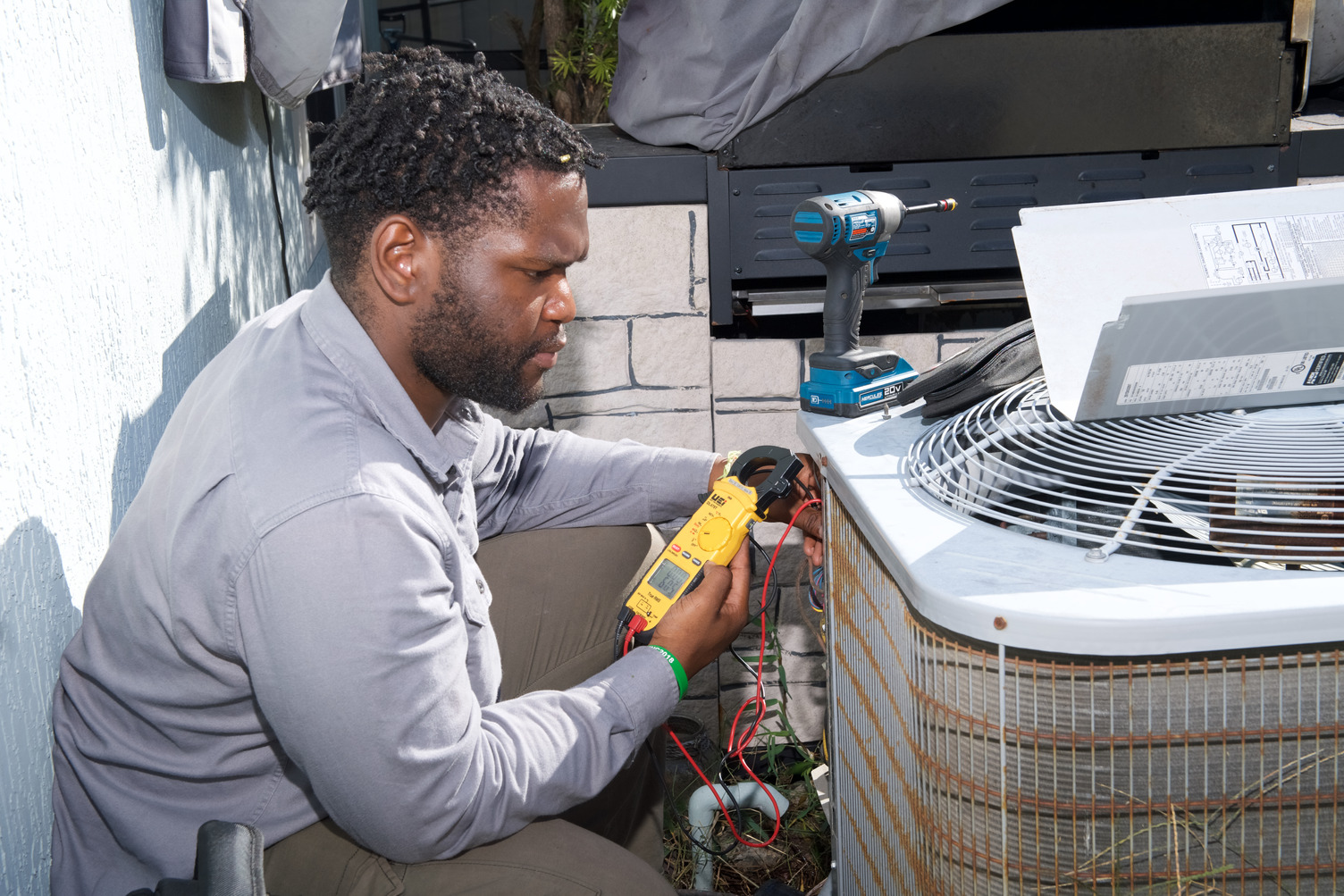
Every HVAC tech carries a toolkit filled with must-have items. Basic tools include wrenches, screwdrivers, pliers, and multimeters. These allow you to perform essential repairs and adjustments quickly.
Other important equipment includes refrigerant gauges and vacuum pumps. These help you handle refrigerants safely and ensure the system is sealed and running correctly. Without these, proper maintenance would be impossible.
Modern Hvac Technologies
Technology in HVAC is constantly evolving, and staying updated can set you apart. Today’s systems often include smart thermostats that you can control from your phone. This not only improves efficiency but also offers better user convenience.
Variable speed motors and energy-efficient compressors are other examples of modern tech. They reduce energy consumption and extend the lifespan of HVAC units. Have you noticed how some newer systems run quieter and use less power? That’s the result of these advancements.
Software And Diagnostic Tools
Software plays a crucial role in modern HVAC work. Diagnostic apps and tools help you quickly identify problems and find solutions without guesswork. These tools can connect to the system and provide real-time data on temperature, pressure, and airflow.
Some software even offers maintenance reminders and energy usage reports. This allows you to plan service visits more effectively and help your customers save money. Wouldn’t it be great to fix issues before they become costly breakdowns?
Credit: www.carrierenterprise.com
Frequently Asked Questions
What Does An Hvac Tech Do Daily?
An HVAC tech installs, maintains, and repairs heating and cooling systems. They ensure proper system function and safety. They troubleshoot issues and replace faulty parts promptly.
How Do I Become A Certified Hvac Technician?
To become certified, complete a training program and gain hands-on experience. Pass the EPA certification exam and obtain state licenses if required. Continuing education helps maintain skills and certifications.
What Skills Are Essential For Hvac Technicians?
Key skills include mechanical aptitude, problem-solving, and attention to detail. Good communication helps when explaining issues to clients. Physical stamina is important for handling equipment and confined spaces.
What Tools Do Hvac Technicians Commonly Use?
Technicians use multimeters, refrigerant gauges, and leak detectors. Hand tools like screwdrivers and wrenches are essential. Specialized equipment ensures accurate diagnostics and efficient repairs.
Conclusion
An HVAC tech keeps homes and buildings comfortable year-round. They fix, install, and maintain heating and cooling systems. Their skills help save energy and lower bills. These technicians work with care and use special tools. Understanding their role shows how important they are.
Next time your AC or heater breaks, remember who can help. HVAC techs make sure your air feels just right. Simple, reliable, and skilled—that’s what an HVAC tech does.



