
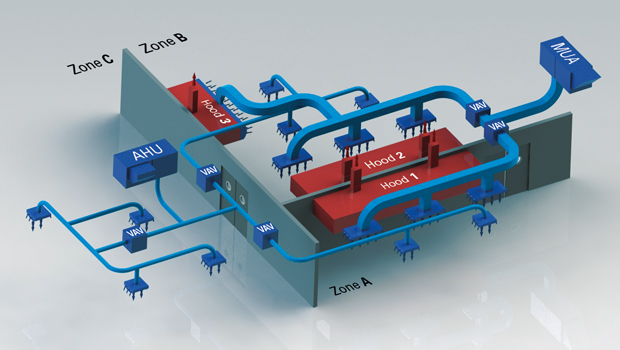
Have you ever wondered if the air inside your building is as fresh and healthy as it should be? What if your ventilation system could adjust itself automatically to give you just the right amount of fresh air—no more, no less?
That’s exactly what Demand Controlled Ventilation (DCV) does. It’s a smart way to save energy while keeping your indoor air quality at its best. You’ll discover how DCV works, why it matters for your comfort and health, and how it can even help reduce your energy bills.
Keep reading to find out how this simple technology can make a big difference in your space.

Credit: www.stromquist.com
Basics Of Demand Controlled Ventilation
Understanding the basics of Demand Controlled Ventilation (DCV) is essential if you want to optimize indoor air quality while saving energy. DCV adjusts ventilation rates based on the actual demand in a space, rather than running at a fixed rate. This means your ventilation system only works as hard as it needs to, improving comfort and cutting costs.
How Dcv Works
DCV systems monitor indoor air conditions to decide how much fresh air to bring in. Sensors detect levels of carbon dioxide (CO2) or other pollutants, which indicate how many people are in the room or how stale the air is. When the sensor readings rise, the system increases ventilation to bring in more fresh air.
When fewer people are present, or the air quality improves, the system reduces ventilation. This dynamic adjustment avoids wasting energy by over-ventilating empty or lightly occupied spaces. Have you noticed how sometimes a crowded room feels stuffy? DCV directly addresses that issue by responding instantly.
Key Components
- Sensors:These are the eyes of the system, measuring CO2, humidity, or volatile organic compounds (VOCs).
- Control Unit:It processes sensor data and decides how much ventilation is needed.
- Variable Air Volume (VAV) Dampers:These adjust airflow based on the control unit’s commands.
- Fans:They regulate the amount of outdoor air entering the building.
Each component plays a crucial role in making sure the ventilation matches real-time needs. If one part fails or is inaccurate, the whole system can either waste energy or compromise air quality. Would you trust a system that doesn’t check the air you breathe?
Benefits Of Demand Controlled Ventilation
Demand Controlled Ventilation (DCV) offers several benefits that make it a smart choice for managing indoor air quality and energy use. By adjusting ventilation based on real-time occupancy or air quality, DCV ensures your space gets just the right amount of fresh air. This precise control not only boosts comfort but also impacts your energy bills and maintenance needs in meaningful ways.
Energy Savings
One of the biggest advantages of DCV is how it cuts down on wasted energy. Instead of running ventilation systems at full capacity all the time, DCV scales airflow to match the number of people inside. This means less energy is spent heating or cooling air that isn’t needed, directly lowering your electricity and fuel consumption.
Think about a conference room that’s empty most of the day. With DCV, the ventilation adjusts accordingly, so you’re not paying to condition air for an empty space. That kind of targeted energy use can add up to significant savings over time.
Improved Air Quality
Better air quality happens naturally with DCV because the system responds to actual conditions inside the building. Sensors detect carbon dioxide levels or other pollutants, prompting the ventilation system to increase airflow only when necessary. This helps maintain a healthier indoor environment without over-ventilating.
Have you ever felt stuffy in a crowded room? DCV prevents that by bringing in fresh air exactly when it’s needed. This not only keeps occupants comfortable but also reduces the risk of airborne illnesses spreading in poorly ventilated spaces.
Reduced Operating Costs
Lower energy use directly translates into reduced operating costs for your building. But DCV also cuts expenses in other ways. Because ventilation runs more efficiently, there’s less wear and tear on equipment, which can extend the life of your HVAC system.
Maintenance becomes more predictable and less frequent, saving you money on repairs and downtime. Wouldn’t it be great to reduce unexpected expenses while keeping your indoor air fresh and comfortable?
Applications Of Dcv
Demand Controlled Ventilation (DCV) adjusts airflow based on the number of occupants and indoor air quality. This system saves energy and improves comfort. DCV is useful in many places where people gather and air quality matters. It works by sensing carbon dioxide or other indicators to control ventilation levels.
Different settings benefit from DCV because it matches ventilation to actual needs. This reduces wasted energy and keeps air fresh. Below are some common applications of DCV.
Commercial Buildings
Offices and shops use DCV to control air flow efficiently. It adjusts ventilation during busy hours and quiet times. This helps lower heating and cooling costs. Employees and customers enjoy better air quality. Conference rooms and lobbies often have sensors to monitor occupancy.
Educational Facilities
Schools and universities have changing occupancy throughout the day. Classrooms fill and empty, making fixed ventilation wasteful. DCV keeps air fresh by increasing ventilation when rooms are full. It reduces energy use when spaces are empty. Hallways and auditoriums also benefit from this control.
Healthcare Settings
Hospitals and clinics need clean air for patient safety. DCV helps maintain proper airflow without over-ventilating. It adjusts to different room uses and occupancy levels. Operating rooms, waiting areas, and offices all require specific ventilation rates. DCV ensures fresh air while saving energy.
Industrial Spaces
Factories and warehouses often have large, open areas with varying worker presence. DCV responds to the number of workers and pollution levels. It reduces ventilation in less occupied zones. This lowers energy consumption while keeping air quality safe. The system adapts to production schedules and shifts.
Types Of Sensors Used In Dcv
Sensors in Demand Controlled Ventilation (DCV) detect air quality and occupancy to adjust airflow. Common types include carbon dioxide, humidity, and motion sensors. These sensors help maintain fresh air while saving energy.
Understanding the types of sensors used in Demand Controlled Ventilation (DCV) can be quite fascinating. These sensors are the unsung heroes that ensure air quality and energy efficiency in buildings. Let’s delve into the various types of sensors that make DCV work seamlessly.Carbon Dioxide Sensors
Carbon dioxide sensors are pivotal in DCV systems. They measure the concentration of CO2 in the air, providing real-time data to adjust ventilation levels. When CO2 levels rise, the system increases airflow, enhancing indoor air quality and comfort. These sensors are especially useful in spaces with fluctuating occupancy, such as conference rooms or classrooms. You might be surprised how CO2 sensors help save energy by reducing ventilation during periods of low occupancy.Occupancy Sensors
Occupancy sensors detect the presence of people in a room. They use technologies like infrared or ultrasonic waves to sense motion. When a room is empty, the DCV system can reduce ventilation, conserving energy. Imagine you’re in a meeting room, and the air feels stale. Occupancy sensors ensure that as people enter, the ventilation kicks in, maintaining a fresh environment. This smart adjustment not only saves energy but also enhances your comfort.Humidity Sensors
Humidity sensors monitor the moisture levels in the air. They play a crucial role in maintaining a healthy indoor environment by controlling humidity levels. Too much humidity can lead to mold growth, while too little can cause discomfort. By adjusting ventilation based on humidity, these sensors help maintain a balanced and comfortable atmosphere. Have you ever felt sticky or dry while indoors? Humidity sensors ensure you don’t have to. Each type of sensor in a DCV system brings unique benefits. They work together to optimize ventilation, ensuring both comfort and energy efficiency. How do these sensors impact your daily life and environment? The next time you’re in a well-ventilated room, you might just appreciate the smart technology at play.Design And Installation Considerations
Designing and installing a Demand Controlled Ventilation (DCV) system requires attention to several key factors that directly impact its efficiency and effectiveness. A well-planned setup ensures you get the most out of your ventilation system, saving energy while maintaining air quality. Let’s break down important considerations you should keep in mind during design and installation.
System Integration
Integrating DCV with your existing HVAC system is critical for smooth operation. Your ventilation controls must communicate seamlessly with heating and cooling equipment to respond accurately to occupancy changes.
Think about compatibility: Does your current HVAC system support real-time control adjustments? Adding DCV might require upgrading control panels or adding network interfaces.
Also, plan for easy access to system controls. This makes future troubleshooting or adjustments simpler and keeps the system running efficiently for years.
Sensor Placement
Placing sensors correctly is one of the most crucial steps. Sensors that detect carbon dioxide (CO2) or occupancy must be located where they accurately reflect the space’s air quality or use.
For example, avoid placing sensors near doors, windows, or supply vents where fresh air might skew readings. Instead, position them in the breathing zone—about 3 to 6 feet above the floor in the center of the occupied space.
If you’re managing multiple rooms, each area should have its own sensor to prevent inaccurate ventilation rates. Have you checked how airflow patterns in your space might affect sensor readings?
Control Strategies
Choosing the right control strategy shapes how effectively your DCV system reacts to real-time needs. You can select from simple on/off controls, proportional control based on CO2 levels, or more advanced algorithms combining multiple inputs.
For instance, proportional control adjusts ventilation gradually as occupancy changes, reducing energy waste compared to a simple on/off system. However, complex strategies may require more sophisticated sensors and control units.
Consider your building’s usage patterns and how sensitive the occupants are to air quality changes. Are you ready to invest in smarter controls that adapt dynamically, or is a basic setup sufficient for your needs?
Credit: pollution.sustainability-directory.com
Common Challenges And Solutions
Demand Controlled Ventilation (DCV) offers great energy savings and improved air quality, but it’s not without its challenges. Understanding these hurdles can help you keep your system running smoothly and efficiently. Let’s dive into some common issues you might face and practical ways to overcome them.
Sensor Calibration Issues
Sensors are the heart of DCV systems, measuring CO2 or occupancy to adjust ventilation rates. If these sensors aren’t calibrated correctly, they can send false signals, causing over-ventilation or poor air quality.
Regular calibration is key. Many facilities neglect this, leading to wasted energy or uncomfortable environments. You should schedule sensor checks at least twice a year and keep a log of calibration dates.
Consider investing in sensors with self-calibration features. They adjust automatically and reduce manual errors, saving you time and ensuring accuracy.
Maintenance Requirements
DCV systems need consistent upkeep to avoid breakdowns and maintain performance. Filters, fans, and sensors all require attention.
Ignoring maintenance can cause airflow restrictions, sensor drift, and inefficient operation. A simple checklist including filter changes, sensor cleaning, and fan inspections can prevent these problems.
Think about setting reminders or using maintenance software to stay on top of tasks. This proactive approach saves money and keeps your indoor environment healthy.
System Compatibility
Integrating DCV with existing HVAC equipment can be tricky. Older systems might not support the advanced controls DCV demands.
Before installation, evaluate your current system’s capabilities. Sometimes, a partial upgrade or adding compatible controllers can bridge the gap.
Don’t hesitate to consult with HVAC professionals who understand both your system and DCV technology. Getting the right fit ensures smooth operation and maximizes your investment.
Future Trends In Demand Controlled Ventilation
The future of Demand Controlled Ventilation (DCV) points to smarter, more efficient systems. These systems will adapt better to building needs and environmental changes. Innovations will focus on improving air quality while reducing energy use. DCV will become more connected and intelligent, changing how buildings manage ventilation.
Smart Building Integration
DCV systems will link with other smart building technologies. This integration allows better control of heating, cooling, and lighting. Buildings will use data from multiple sources to adjust ventilation precisely. This leads to improved comfort and lower energy costs. Systems will communicate through common platforms for seamless operation.
Advanced Sensor Technologies
Sensor technology will become more accurate and diverse. Sensors will detect not only CO2 but also humidity, temperature, and pollutants. This helps ventilation respond to more factors affecting indoor air quality. Wireless and low-power sensors will make installation easier. Real-time data will allow faster adjustments and better monitoring.
Ai And Automation
Artificial intelligence will play a key role in DCV systems. AI will analyze data to predict ventilation needs before conditions change. Automation will reduce human intervention, making systems more reliable. Machine learning will help systems improve over time. This results in smarter energy use and healthier indoor environments.

Credit: ecotecenergy.ie
Frequently Asked Questions
What Is Demand Controlled Ventilation (dcv)?
Demand Controlled Ventilation is a system that adjusts airflow based on occupancy or air quality. It optimizes ventilation to save energy and improve indoor air quality by responding to real-time needs.
How Does Dcv Improve Indoor Air Quality?
DCV monitors carbon dioxide or pollutants and adjusts ventilation accordingly. This ensures fresh air supply matches occupancy, reducing contaminants and maintaining healthier indoor environments.
What Are The Energy Benefits Of Dcv Systems?
DCV reduces energy use by ventilating only when needed. It lowers heating, cooling, and fan energy costs by avoiding over-ventilation during low occupancy.
Where Is Demand Controlled Ventilation Commonly Used?
DCV is often installed in offices, schools, and commercial buildings. These spaces have variable occupancy, making DCV ideal for efficient air management.
Conclusion
Demand Controlled Ventilation helps save energy and improve air quality. It adjusts airflow based on the number of people inside. This means less wasted energy and better comfort. Buildings stay fresh without running fans all day. It suits offices, schools, and many other places.
Using this system can lower energy bills and reduce pollution. Simple to install and easy to use. A smart choice for healthier indoor spaces. Think about how air feels with smart ventilation. It makes a big difference.



