
Have you ever wondered what HVAC stands for and why it matters to your home or office? If you’ve noticed those big units on rooftops or heard the term during maintenance talks, you’re not alone.
Understanding HVAC is key to keeping your space comfortable all year round. You’ll discover exactly what HVAC means, how it works, and why it plays a crucial role in your everyday life. Keep reading to unlock the secrets behind this essential system and learn how it affects your comfort and energy bills.
Credit: www.lennox.com
Hvac Basics
Understanding the basics of HVAC is essential if you want to maintain comfort in your home or workspace. HVAC systems are everywhere, quietly working to keep the air just right. Knowing what HVAC stands for and how it functions helps you make smarter choices about your environment and energy use.
Meaning Of Hvac
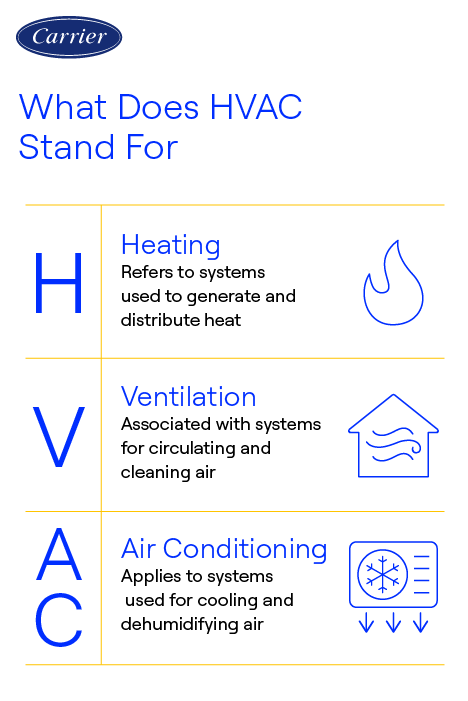
HVAC stands for Heating, Ventilation, and Air Conditioning. These three functions work together to control the temperature, humidity, and air quality inside buildings. You might not notice HVAC until something goes wrong, but it’s key to your comfort every day.
Think about the last time you felt cold indoors during winter or sticky heat in summer. That’s when an HVAC system is either doing its job or needs attention. Understanding what HVAC means can help you troubleshoot or communicate better with service technicians.
Core Components
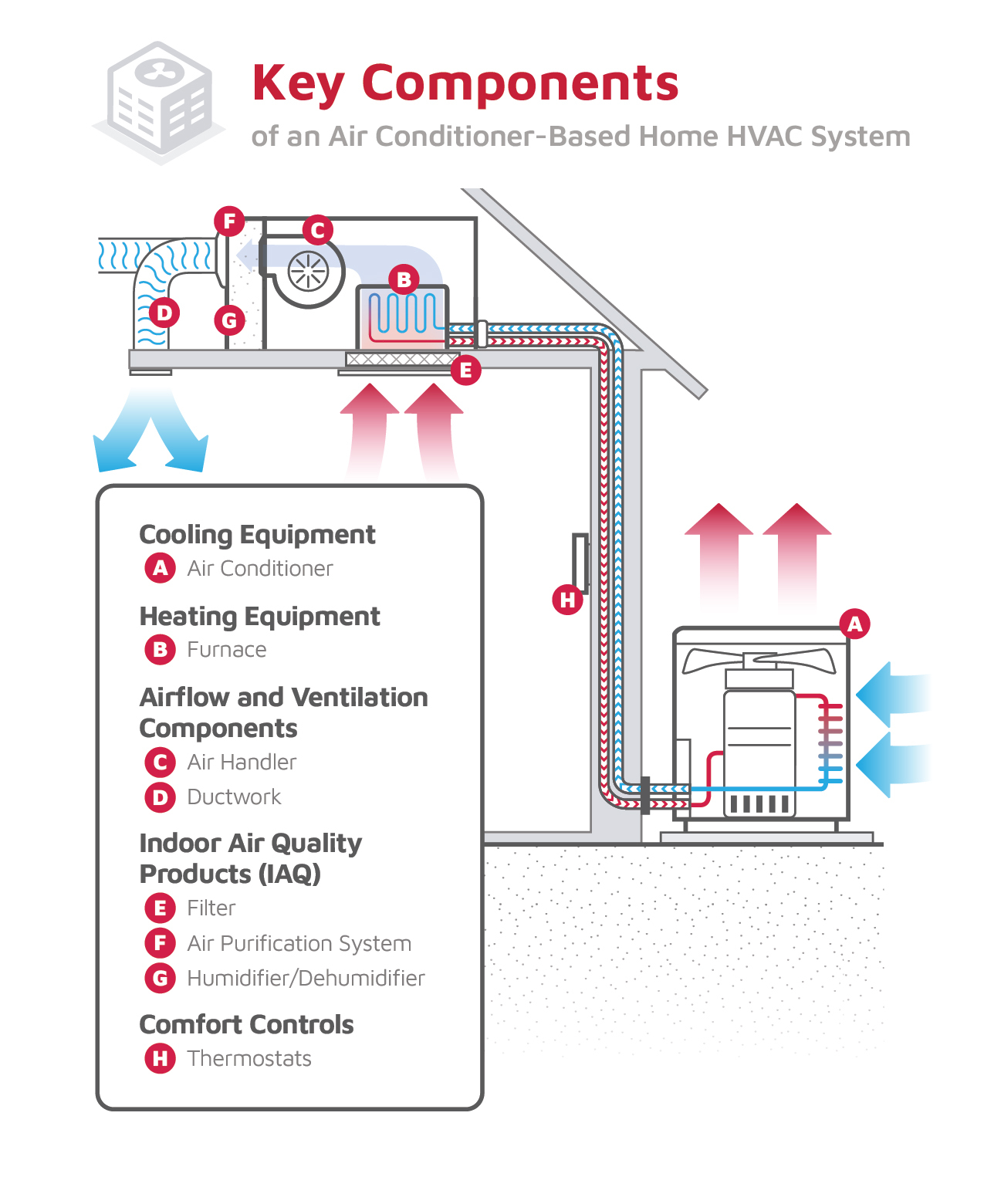
HVAC systems have several main parts that handle heating, cooling, and air circulation. Here are the core components:
- Furnace:Generates heat to warm up your space during cold months.
- Air Conditioner:Removes heat and moisture to cool your indoor air.
- Ventilation:Moves fresh air in and stale air out, improving air quality.
- Thermostat:Controls the system by setting your preferred temperature.
- Ductwork:Channels air throughout your building to distribute heating and cooling.
Knowing these components helps you spot which part might need maintenance. When was the last time you checked your thermostat or cleaned your vents? Small actions like these keep your system running smoothly and efficiently.
Heating Systems
Heating systems are a key part of HVAC, which stands for Heating, Ventilation, and Air Conditioning. They keep indoor spaces warm and comfortable during cold weather. These systems work by generating heat and distributing it throughout a building.
Heating systems come in different types and use various methods to provide warmth. Understanding how they work helps in choosing the right system for your home or office.
Types Of Heating
- Furnaces: Use fuel like gas or oil to heat air, then blow it through ducts.
- Boilers: Heat water to create steam or hot water for radiators or underfloor heating.
- Heat Pumps: Transfer heat from outside air or ground into the building.
- Electric Heaters: Use electric resistance to generate heat directly.
- Radiant Heating: Warms surfaces or objects rather than air, often through floor panels.
How Heating Works
Heating systems start by producing heat from fuel, electricity, or outside sources. This heat moves through air, water, or surfaces to warm rooms.
In furnaces, air passes over a burner or heating element and becomes warm. A fan pushes this air through ducts to various rooms.
Boilers heat water, which flows through pipes to radiators. Radiators release heat by warming the surrounding air.
Heat pumps absorb heat from outside air or ground. They use a compressor to raise the temperature before sending it indoors.
Electric heaters convert electrical energy into heat with special coils or panels.
Ventilation Systems
Ventilation systems play a crucial role in any HVAC setup by ensuring fresh air flows into your space while stale air is pushed out. This exchange keeps the indoor environment healthy and comfortable. Without proper ventilation, indoor air can become stuffy, polluted, and even harmful to your health.
Purpose Of Ventilation
The main goal of ventilation is to maintain good indoor air quality. It helps remove contaminants like dust, smoke, and odors that accumulate over time. Proper ventilation also controls humidity levels, preventing mold growth and structural damage.
Think about the last time you entered a room that felt stuffy or smelled bad. Chances are, poor ventilation was the cause. Have you ever wondered how fresh air constantly circulates in busy offices or hospitals? That’s the power of well-designed ventilation systems at work.
Common Ventilation Methods
There are several ways to bring fresh air into your home or building. The choice depends on your needs, budget, and building design.
- Natural Ventilation:Uses windows, vents, and openings to let air flow naturally. It’s energy-efficient but depends on weather and building layout.
- Mechanical Ventilation:Uses fans and ducts to control air movement. It’s reliable and works well regardless of outside conditions.
- Hybrid Ventilation:Combines natural and mechanical methods for more control and energy savings.
Each method has its advantages. For example, natural ventilation saves energy but can’t be relied on in extreme weather. Mechanical systems give you precise control but add to your energy bills. What type of ventilation do you think suits your space best?
Air Conditioning
Air conditioning is a key part of HVAC systems. It controls the temperature and humidity inside buildings. Air conditioning makes indoor spaces comfortable during hot weather. It also helps improve air quality by filtering dust and allergens. Understanding how air conditioning works can help you choose the right system for your needs.
Cooling Techniques
Air conditioners use several methods to cool the air. The most common technique is refrigeration. This method removes heat from the indoor air and releases it outside. Another method is evaporative cooling, which uses water to cool the air. Fans and ventilation also help by moving cool air around. Each technique works differently but aims to lower the indoor temperature efficiently.
Types Of Air Conditioners
- Window Units:Installed in windows, good for cooling single rooms.
- Split Systems:Have indoor and outdoor parts, ideal for homes.
- Central Air Conditioning:Cools entire buildings through ducts.
- Portable Units:Moveable and easy to set up in different rooms.
- Ductless Mini-Splits:Offer flexible cooling without ductwork.
Energy Efficiency
Energy efficiency in HVAC systems means using less energy for the same output. This not only cuts down on energy bills but also helps the environment. Efficient HVAC systems maintain comfort while reducing carbon footprints. This is crucial as energy costs rise and climate change becomes a concern. Let’s explore how HVAC systems can save energy and the standards that guide them.
Saving Energy With Hvac
Modern HVAC systems are designed with energy-saving features. These systems use smart thermostats that adjust temperatures based on your routine. Variable-speed motors in HVAC units operate at lower speeds when full power is unnecessary. This reduces energy consumption significantly. Regular maintenance, like cleaning filters, also boosts efficiency. Keeping ducts sealed and insulated prevents energy loss.
Energy Ratings And Standards
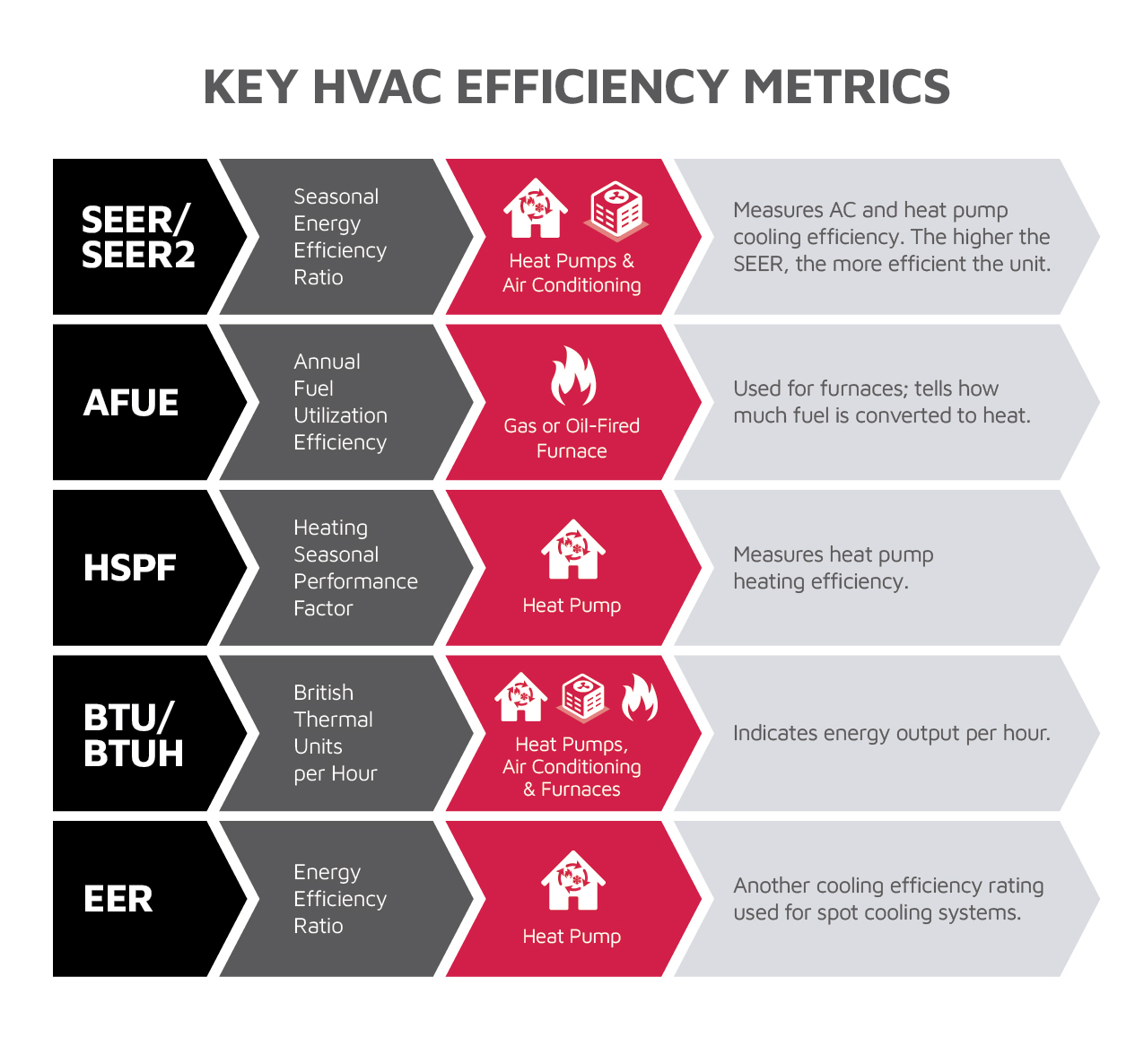
HVAC systems come with energy ratings to guide consumers. These ratings help identify the most efficient systems. The Seasonal Energy Efficiency Ratio (SEER) measures cooling efficiency. A higher SEER rating means better efficiency. For heating, the Annual Fuel Utilization Efficiency (AFUE) is the standard. An AFUE of 90% or more indicates high efficiency.
Energy standards also play a role in efficiency. The Energy Star label identifies products that meet strict efficiency guidelines. This label assures consumers of reduced energy costs and environmental impact. Following these standards helps in choosing the right system for both savings and sustainability.
Maintenance Tips
Maintaining your HVAC system is essential to keep it running efficiently and avoid costly repairs. Regular care not only extends the life of your equipment but also ensures your home stays comfortable year-round. Paying attention to simple maintenance tasks can save you time and money while improving air quality.
Routine Care
Start by checking and replacing your air filters every 1-3 months. Dirty filters block airflow, making your system work harder and increasing energy bills.
Keep the outdoor unit clear of debris like leaves, grass, and dirt. This helps maintain proper airflow and prevents overheating.
Inspect the thermostat settings to ensure your HVAC system runs only when needed. Programmable thermostats can help you save energy without sacrificing comfort.
Signs Of Hvac Problems
Listen for unusual noises such as rattling, banging, or squealing. These sounds often indicate loose parts or motor issues that require immediate attention.
Notice if your home has uneven temperatures or poor airflow. These symptoms could mean clogged ducts or failing components.
Watch out for a sudden spike in your energy bills. Unexpected costs might signal your system is working inefficiently and needs a tune-up.
Choosing The Right System
Choosing the right HVAC system is crucial for comfort and energy efficiency in your home or office. It’s not just about picking a unit that cools or heats; you need to consider how it fits your space, lifestyle, and budget. Making the right choice can save you money and hassle down the road.
Factors To Consider
Start by evaluating the size of the space you want to heat or cool. A system too small won’t keep your rooms comfortable, while one too large wastes energy and money.
Think about your climate. If you live in an area with extreme temperatures, you might need a system with both heating and cooling capabilities that can handle those swings efficiently.
Energy efficiency ratings like SEER (Seasonal Energy Efficiency Ratio) and AFUE (Annual Fuel Utilization Efficiency) give you a clear idea of operating costs. Higher ratings usually mean lower bills.
Also consider your budget—not just the upfront cost but long-term maintenance and utility expenses. Sometimes spending a bit more initially pays off over time.
Professional Installation
Even the best HVAC system won’t work right if it’s not installed correctly. Professional installation ensures your system runs safely and efficiently.
Experienced technicians will assess your home’s layout, ductwork, and insulation to customize the setup. Poor installation can cause uneven temperatures and increased wear on your system.
Have you checked if the installer is licensed and insured? This protects you in case something goes wrong during installation. It’s worth investing in skilled professionals to avoid costly repairs later.
Credit: www.carrier.com
Credit: www.lennox.com
Frequently Asked Questions
What Does Hvac Stand For In Building Systems?
HVAC stands for Heating, Ventilation, and Air Conditioning. It refers to systems that regulate indoor temperature, air quality, and airflow in buildings.
Why Is Hvac Important For Home Comfort?
HVAC systems maintain comfortable temperatures and air quality. They help improve health by controlling humidity and filtering pollutants indoors.
How Does Hvac Improve Energy Efficiency?
Modern HVAC systems use advanced technology to reduce energy use. Efficient HVAC lowers utility bills while maintaining optimal comfort levels.
What Components Make Up An Hvac System?
An HVAC system includes a furnace or heater, air conditioner, ventilation ducts, and controls. These parts work together to regulate indoor climate.
Conclusion
HVAC stands for heating, ventilation, and air conditioning. It helps control air quality and temperature. This system keeps homes and buildings comfortable all year. Knowing what HVAC means helps you understand your environment better. It plays a big role in daily life.
Proper care of HVAC systems saves energy and money. Simple steps like regular cleaning improve performance. Now you know why HVAC is important everywhere.



