
Choosing the best light bulb for your desk lamp can make a huge difference in how you work, read, or relax. You want a bulb that’s bright enough but not harsh, saves energy, and lasts a long time.
But with so many options out there, how do you know which one is right for you? You’ll discover simple tips and clear answers to help you pick the perfect bulb that fits your needs and boosts your comfort. Keep reading, and you’ll never struggle with your desk lamp’s lighting again.

Credit: www.ebay.ca
Types Of Desk Lamp Bulbs
Choosing the right bulb for your desk lamp can change how well you see and how comfortable your workspace feels. Different types of bulbs offer different brightness levels, energy efficiency, and color tones. Understanding these options helps you pick the best one for your needs, whether you’re reading, writing, or crafting.
Incandescent Bulbs
Incandescent bulbs are the classic choice. They produce a warm, soft light that many find soothing. However, they use more energy and don’t last as long as newer options.
If you prefer a cozy, familiar glow and don’t mind replacing bulbs more often, incandescent might suit you. But ask yourself—do you want to save on electricity bills or enjoy a longer-lasting bulb?
Led Bulbs
LED bulbs are popular for desk lamps because they are energy-efficient and last a long time. They come in various color temperatures, from warm to cool white, so you can choose the light that feels best for your eyes.
I switched to LED bulbs and noticed less eye strain during late-night work. Their instant brightness and low heat output make them safe and comfortable for long hours.
Cfl Bulbs
Compact Fluorescent Lamps (CFLs) use less energy than incandescent bulbs and last longer. They often have a slight delay before reaching full brightness, which can be annoying if you want instant light.
If you’re okay with waiting a few seconds for full brightness, CFLs offer a balance between cost and efficiency. But consider if that delay might interrupt your workflow.
Halogen Bulbs
Halogen bulbs produce a bright, white light that closely resembles natural daylight. They are more energy-efficient than incandescent but less so than LEDs and CFLs.
These bulbs can get hot quickly, so placement in your desk lamp matters to avoid burns or fire hazards. Do you work better with bright, clear light or prefer something softer?
Brightness And Lumens
Brightness and lumens are key factors for choosing the best light bulb for a desk lamp. Brightness affects how well you see your work. Lumens measure the total light output. Understanding these helps pick the right bulb for comfort and focus.
Measuring Brightness
Brightness is measured in lumens. The higher the lumens, the brighter the light. Watts do not measure brightness but power use. LED bulbs offer more brightness with less energy. Look for packaging that shows lumens to compare bulbs easily.
Ideal Lumens For Desk Lamps
Desk lamps usually need 400 to 800 lumens. This range provides enough light without causing glare. For reading or detailed work, choose bulbs closer to 800 lumens. For general tasks, 400 to 600 lumens work well. Adjust brightness based on your room’s natural light.
Color Temperature Options
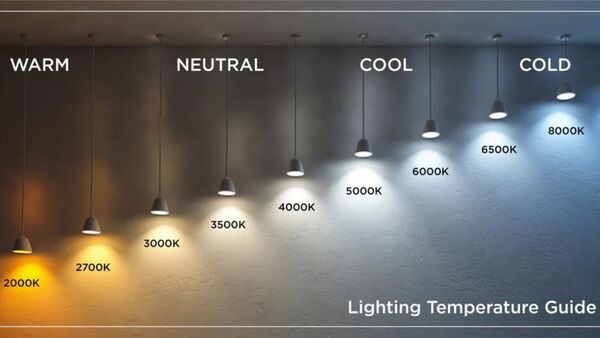
Choosing the right color temperature affects focus and comfort at your desk. Cooler temperatures boost alertness, while warmer tones create a cozy feel. Select based on your work style and room lighting for the best results.
Choosing the right light bulb for your desk lamp can significantly impact your productivity and comfort. One crucial factor to consider is the color temperature of the bulb. This determines the appearance of the light emitted and can influence your mood and focus. Let’s explore the different color temperature options available for desk lamps.Warm Light
Warm light bulbs emit a cozy, yellowish glow that mimics the setting sun. They usually range between 2700K to 3000K on the Kelvin scale. This type of lighting is perfect for creating a relaxed atmosphere, making it ideal for late-night reading or unwinding after a long day. Imagine curling up with a good book under your desk lamp, feeling the warmth envelop you. If you find yourself needing to wind down after work, warm light could be your best companion.Cool Light
Cool light bulbs produce a crisp, bluish-white light, typically ranging from 3500K to 4100K. This type of light is known for enhancing focus and productivity, making it suitable for work and study environments. Have you ever noticed how certain lights make you feel more alert? That’s the magic of cool light in action. If you’re tackling a demanding project, this might be the lighting you need to stay sharp.Daylight
Daylight bulbs mimic natural sunlight with a color temperature between 5000K and 6500K. This bright and invigorating light is perfect for tasks that require high concentration and detail, like crafting or intricate design work. Picture yourself working on a detailed art piece, where every color and detail matters. Daylight bulbs can provide the clarity you need to achieve precision. Do you often work on tasks that require a keen eye? Daylight might be the light for you. Choosing the right color temperature can transform how you use your desk lamp. Which one aligns best with your daily tasks and environment?
Credit: www.nytimes.com
Energy Efficiency And Lifespan
Energy efficiency and lifespan are key factors to consider when choosing the best light bulb for your desk lamp. These two aspects not only affect your electricity bill but also determine how often you’ll need to replace the bulb. Understanding the balance between power usage and durability helps you make a smart, cost-effective choice.
Comparing Energy Consumption
Energy consumption varies widely among different types of bulbs. LED bulbs, for example, use about 75% less energy than traditional incandescent bulbs. If you spend hours at your desk daily, switching to LEDs can significantly reduce your power usage.
Compact Fluorescent Lamps (CFLs) also save energy but contain small amounts of mercury, requiring careful disposal. Halogen bulbs consume more energy and generate heat, which might be uncomfortable during long work sessions. Are you ready to cut down your energy costs without sacrificing brightness?
Bulb Longevity
Lifespan is just as important as energy savings. LEDs often last up to 25,000 hours, meaning you won’t need to replace them for years. In contrast, incandescent bulbs typically last around 1,000 hours, leading to frequent replacements and higher costs over time.
CFLs last longer than incandescents, about 8,000 to 10,000 hours, but their delayed start time can be annoying if you need instant light. Choosing a bulb with a longer lifespan reduces waste and the hassle of changing bulbs often. How much time and money could you save by picking a bulb that outlasts others?
Eye Comfort And Health
Choosing the right light bulb for your desk lamp goes beyond brightness and energy efficiency. Your eyes are constantly working, and the lighting you use directly impacts your comfort and health. Paying attention to eye-friendly features can help you avoid headaches, fatigue, and long-term vision problems.
Reducing Eye Strain
Eye strain happens when your eyes work too hard to see clearly. Harsh or dim lighting forces your eyes to adjust constantly, causing discomfort and tiredness.
Look for bulbs that offer a consistent, soft light with a color temperature between 2700K and 4000K. This range mimics natural light and reduces strain during long reading or working sessions.
Did you know that using bulbs with adjustable brightness can help you find the perfect light level? Dimming the light when possible gives your eyes a break and helps maintain focus.
Flicker And Glare Effects
Flickering lights can cause more than just annoyance; they can trigger headaches and worsen eye strain. Many cheap bulbs flicker at a frequency your eyes notice subconsciously.
Choose bulbs labeled as “flicker-free” or “low flicker” to avoid this problem. LED bulbs with good quality drivers often maintain steady light output.
Glare is another common issue, especially with bright, exposed bulbs. Use lampshades or bulbs with diffusers to soften the light and reduce glare on your screen or workspace.
- Check for bulbs with a matte or frosted finish to minimize glare.
- Position your lamp so light doesn’t shine directly into your eyes.
- Combine ambient room lighting with your desk lamp to balance contrast.
Credit: www.nytimes.com
Cost Considerations
Cost plays a key role in choosing the best light bulb for a desk lamp. It is important to think about both the price you pay at first and the money you save over time. This helps pick a bulb that fits your budget and lasts long.
Initial Purchase Price
The first cost of a light bulb varies by type. LED bulbs usually cost more than incandescent or CFL bulbs. This higher price might seem like a downside at first.
Incandescent bulbs are the cheapest to buy but do not last long. CFLs are in the middle range for price and lifespan. The choice depends on how much you want to spend now.
Long-term Savings
Energy use affects your electric bill. LED bulbs use the least energy. This means lower costs month after month.
LEDs last much longer than other bulbs. You buy fewer bulbs over the years. This adds up to big savings on replacements.
Consider both energy cost and bulb lifespan. A bulb that costs more now can save money later.
Best Bulbs For Different Desk Activities
Choosing the right light bulb for your desk lamp depends heavily on what you do at your desk. Different tasks require varying levels of brightness, color temperature, and light quality to keep your eyes comfortable and your focus sharp. Understanding these differences helps you pick a bulb that enhances your productivity and reduces eye strain.
Reading And Writing
For reading and writing, you want a bulb that provides bright, warm light without causing glare. A bulb with a color temperature between 2700K and 3000K works best because it mimics natural sunlight and creates a cozy atmosphere.
Look for bulbs labeled “soft white” or “warm white” and with a brightness level around 450 to 800 lumens. This range keeps your eyes relaxed while giving enough light to clearly see text and paper details.
Computer Work
Computer work demands a different kind of lighting. You should avoid bulbs that are too warm or dim, as they can cause eye fatigue and make your screen harder to see.
Choose bulbs with a cooler color temperature around 4000K to 5000K. These “cool white” bulbs reduce eye strain by providing crisp, bright light that balances well with your monitor’s glow.
Also, ensure the bulb has minimal flicker and glare. These features help prevent headaches and improve your concentration during long hours at the screen.
Crafts And Detail Tasks
If your desk is where you do crafts, drawing, or other detailed tasks, precise lighting is crucial. You’ll need a bulb that shows colors accurately and lights up your work area evenly.
Look for bulbs with a high Color Rendering Index (CRI) of 90 or above. High CRI bulbs reveal true colors, helping you avoid mistakes in color matching or fine details.
Brightness should be higher too, usually between 800 and 1100 lumens. This bright, clear light reduces shadows and helps your hands stay steady and precise.
Tips For Choosing The Right Bulb
Choosing the right light bulb for your desk lamp can make a big difference in your workspace. The right bulb provides clear light without causing eye strain. It also matches your lamp’s design and saves energy. Keep these tips in mind to pick the best bulb for your needs.
Fixture Compatibility
Check your lamp’s socket type before buying a bulb. Common types include E26, E12, and GU10. Using the wrong size can damage the lamp or cause poor lighting. Also, verify the maximum wattage your fixture supports. Exceeding this limit may be unsafe or shorten lamp life.
Dimmability
Decide if you want adjustable brightness. Some bulbs work well with dimmer switches, others do not. Using a non-dimmable bulb with a dimmer can cause flickering or buzzing. Look for bulbs labeled “dimmable” to enjoy flexible lighting for different tasks.
Environmental Impact
Consider energy-efficient bulbs to reduce electricity use. LED bulbs use less power and last longer than traditional ones. They also produce less heat, making them safer for desk lamps. Recycling used bulbs properly helps protect the environment. Choose bulbs that balance brightness and eco-friendliness for a green workspace.
Frequently Asked Questions
What Type Of Bulb Is Best For Desk Lamps?
LED bulbs are best for desk lamps. They use less energy and last longer. LEDs provide bright, focused light, ideal for reading and working.
How Bright Should A Desk Lamp Bulb Be?
A desk lamp bulb should be 400 to 800 lumens. This brightness reduces eye strain and offers clear visibility. Adjustable brightness is a plus.
Are Warm Or Cool Light Bulbs Better For Desks?
Cool white light bulbs (4000K-5000K) are better for desks. They boost focus and reduce eye fatigue. Warm light is better for relaxation.
Can I Use Smart Bulbs In A Desk Lamp?
Yes, smart bulbs work great in desk lamps. They offer adjustable brightness and color settings. You can control them via apps or voice.
Conclusion
Choosing the right light bulb can improve your desk lamp’s comfort and use. LED bulbs save energy and last long. Soft white light helps reduce eye strain during work or study. Brightness and color temperature affect how well you see.
Think about your tasks and room lighting before buying. A good bulb makes your workspace better and easier to focus in. Small changes can bring big comfort to your daily routine. Select wisely and enjoy a well-lit, cozy desk area.



