
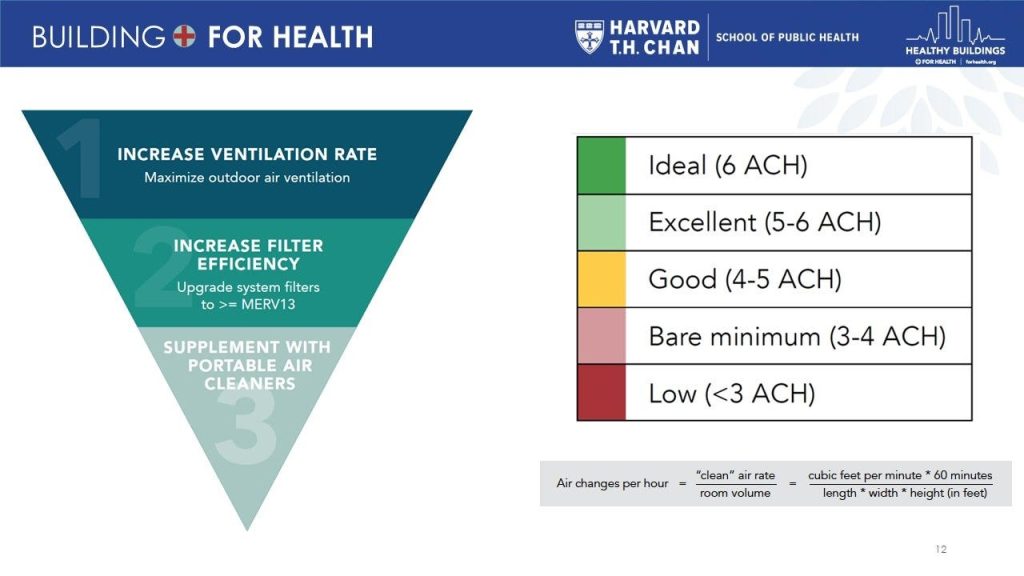
Are you sure your space is getting the right amount of fresh air? The correct ventilation rate isn’t just a number—it’s the key to keeping your home or workplace healthy, comfortable, and energy-efficient.
Too little ventilation can lead to stuffy rooms and poor air quality, while too much can waste energy and cause drafts. You’ll discover exactly what the correct ventilation rate means, how to find it for your space, and simple steps to get it right.
Keep reading to breathe easier and make smarter choices for your environment.
Importance Of Ventilation
Ventilation plays a crucial role in creating a comfortable and safe indoor environment. It controls the flow of fresh air, removes pollutants, and balances humidity levels. Without the right ventilation rate, your living or working space can quickly become unhealthy and uncomfortable.
Health Benefits
Good ventilation reduces the risk of respiratory problems by clearing out harmful airborne particles and allergens. It helps prevent the buildup of carbon dioxide, which can cause headaches and fatigue. Have you noticed feeling more alert and energetic in a well-ventilated room? That’s the air quality working in your favor.
Impact On Indoor Air Quality
Proper ventilation refreshes the air and limits the concentration of indoor pollutants like dust, mold spores, and volatile organic compounds (VOCs). Poor air circulation can trap these contaminants, leading to stale and unhealthy air. Improving ventilation means you can breathe easier and reduce odors that linger in your space.
Energy Efficiency Considerations
Balancing ventilation with energy use is essential. Too much ventilation can waste heating or cooling energy, while too little can compromise air quality. Modern systems allow you to control airflow efficiently, saving money on energy bills without sacrificing comfort.
Factors Influencing Ventilation Rates
Ventilation rates vary due to several important factors. These elements affect how much fresh air a space needs. Understanding these factors helps set the right ventilation for comfort and health.
Building Type And Usage
Different buildings need different ventilation rates. Homes require less fresh air than commercial kitchens or factories. Spaces with machinery or chemicals need more airflow. Offices and schools need moderate ventilation to keep air fresh. The purpose of the building shapes the ventilation needs.
Occupant Density
The number of people inside a room changes the airflow needed. More occupants produce more carbon dioxide and moisture. Crowded spaces need higher ventilation to keep air clean. Less dense areas require less fresh air. Ventilation rates must match how many people use the space.
Climate And Weather Conditions
Climate plays a big role in ventilation choices. Hot and humid areas need more ventilation to reduce moisture. Cold climates require careful ventilation to keep warmth inside. Wind direction and speed also affect natural ventilation. Weather changes can increase or decrease ventilation needs throughout the year.
Recommended Ventilation Standards
Recommended ventilation standards guide the amount of fresh air needed in indoor spaces. Proper ventilation keeps air clean and controls humidity. It helps prevent health issues and improves comfort. Different spaces require different ventilation rates. Standards ensure safe and healthy environments for occupants.
Ashrae Guidelines
ASHRAE sets widely accepted ventilation standards for buildings. Their guidelines specify minimum airflow rates per person and area. These rates depend on the type of space, such as offices, schools, or homes. ASHRAE recommends fresh air to dilute indoor pollutants and control odors. Following their standards helps maintain good indoor air quality.
Local Building Codes
Local building codes often include ventilation requirements based on climate and building use. These codes must be followed by builders and designers. They sometimes set stricter rules than national standards. Checking local codes ensures compliance and safety. Ventilation rates in codes vary by region and building type.
Special Requirements For Sensitive Spaces
Some areas need higher ventilation rates due to their use or occupants. Hospitals, laboratories, and clean rooms require strict air quality control. Ventilation in these spaces prevents contamination and infection. Childcare centers and eldercare facilities also need extra fresh air. Designing ventilation for sensitive spaces demands careful planning and specific standards.
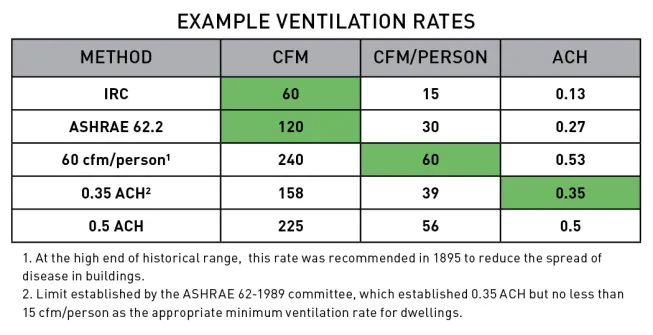
Credit: www.jlconline.com
Measuring Ventilation Rates
Measuring ventilation rates is essential to ensure healthy indoor air quality. Proper ventilation removes pollutants and provides fresh air. It helps maintain comfort and safety in homes, offices, and public buildings. Accurate measurement identifies if ventilation systems work effectively. Different tools and techniques exist to assess airflow and air exchange. Understanding these methods can guide improvements and compliance with standards.
Airflow Measurement Techniques
Airflow measurement involves checking how much air moves through vents or ducts. Anemometers are common tools for this task. They measure air speed and volume in cubic feet per minute (CFM). Balometers collect air from supply registers to calculate flow rates. These tools help verify if ventilation systems meet design specifications. Proper placement and calibration ensure reliable results.
Co2 Monitoring
CO2 levels indicate how well a space is ventilated. Humans exhale carbon dioxide, so high CO2 means poor ventilation. Portable CO2 meters give real-time readings of indoor air quality. Maintaining CO2 below 1000 parts per million is a common target. This method is simple and cost-effective for classrooms and offices. Continuous monitoring helps detect ventilation problems early.
Ventilation Performance Testing
Ventilation performance testing evaluates the whole system’s effectiveness. It includes blower door tests to measure air leakage in buildings. Smoke tests visualize airflow patterns and detect dead zones. Tracer gas tests track how air moves and replaces stale air. These tests provide detailed insights for system improvements. They are often used by professionals during inspections or renovations.
Common Ventilation Systems
Correct ventilation rates ensure proper air exchange, maintaining healthy indoor air quality. Rates depend on room size and occupancy.
Ventilation is the unsung hero of indoor comfort and health. It’s more than just opening a window or turning on a fan. Understanding common ventilation systems can help you create a healthier and more efficient home or workspace. But what are these systems, and how do they work?Natural Ventilation
Natural ventilation relies on the natural forces of wind and buoyancy to move fresh air through spaces. Think of it as nature’s own air conditioner. It’s as simple as strategically opening windows and vents to let fresh air in and stale air out. However, this method depends heavily on weather conditions. On a still, humid day, natural ventilation might not be effective. You might find it challenging to maintain consistent airflow.Mechanical Ventilation
Mechanical ventilation systems use fans and ducts to circulate air. They provide a controlled way to bring fresh air into a building and expel stale air. This system is reliable regardless of the weather outside. These systems can be as simple as a bathroom exhaust fan or as complex as a whole-house ventilation system. They can be tailored to fit your specific needs, whether you live in a small apartment or a large office building. Is mechanical ventilation the right fit for your space?Hybrid Ventilation Solutions
Hybrid ventilation combines both natural and mechanical systems for maximum efficiency. Imagine using natural breezes when the weather is perfect but having a fan kick in when needed. This approach can offer the best of both worlds. Hybrid systems can adjust automatically based on indoor and outdoor conditions. This makes them both energy-efficient and effective in maintaining air quality. Could this be the future of comfortable living spaces? Choosing the right ventilation system can significantly impact your comfort and health. Whether you opt for natural, mechanical, or hybrid solutions, consider your environment and lifestyle. How will you ensure that your space breathes easy?
Credit: www.icureach.com
Adjusting Ventilation For Health
Adjusting ventilation for health is essential to create a safe indoor environment. Proper airflow helps keep the air clean and comfortable. It supports breathing and reduces the risk of sickness. Small changes in ventilation can make a big difference in air quality.
Reducing Pollutants And Allergens
Ventilation removes indoor pollutants like dust, smoke, and chemicals. It also helps clear allergens such as pollen and pet dander. Fresh air lowers the concentration of these harmful particles. This reduces allergy symptoms and respiratory problems. Clean air supports overall well-being.
Controlling Humidity Levels
Good ventilation controls moisture inside a building. High humidity can cause mold and mildew growth. Low humidity can dry out skin and airways. Proper air exchange balances moisture for comfort and health. Keeping humidity between 30% and 50% is ideal.
Ensuring Adequate Air Exchange
Adequate air exchange brings fresh outdoor air inside. It dilutes indoor pollutants and replenishes oxygen. Ventilation rates depend on room size and occupancy. Too little air exchange traps pollutants. Too much can waste energy and cause drafts. Finding the right balance is key.
Challenges In Maintaining Proper Ventilation
Maintaining the correct ventilation rate is not simple. Several factors make it hard to keep air fresh and energy use low. Building owners and managers face ongoing challenges to balance comfort, health, and costs. Proper ventilation means bringing in enough fresh air without wasting energy or letting in harmful pollutants.
Balancing Energy Use And Air Quality
Ventilation needs energy to run fans and systems. More fresh air means more heating or cooling costs. Too little ventilation lowers air quality and harms health. The trick is finding the right level that keeps air clean and energy use low. Smart controls and sensors help adjust ventilation based on occupancy and air quality. This balance reduces waste and keeps spaces comfortable.
Dealing With Outdoor Air Pollution
Fresh air is not always clean. Outdoor pollution from traffic, factories, or dust can enter buildings. Bringing in polluted air defeats the purpose of ventilation. Filters can remove some pollutants but need frequent changes. Location and timing matter. Ventilation systems must adapt to outdoor air quality to protect indoor health. This challenge needs careful planning and good equipment.
System Maintenance And Upkeep
Ventilation systems need regular care to work well. Dust, dirt, and wear reduce airflow and efficiency. Filters clog, fans fail, and controls drift out of sync. Poor maintenance leads to bad air quality and higher energy bills. Scheduled inspections and cleaning keep systems running smoothly. Maintenance is key to consistent and correct ventilation rates.

Credit: www.buildingenclosureonline.com
Frequently Asked Questions
What Is The Standard Ventilation Rate For Homes?
The standard ventilation rate for homes is typically 0. 35 air changes per hour. This rate ensures fresh air circulation and controls indoor pollutants for healthy living environments.
How Is The Correct Ventilation Rate Calculated?
The correct ventilation rate is calculated based on room volume, occupancy, and pollutant levels. It balances fresh air supply with energy efficiency to maintain comfort and air quality.
Why Is Proper Ventilation Rate Important Indoors?
Proper ventilation rates prevent indoor air pollution, reduce moisture buildup, and improve health. It helps remove contaminants and maintains optimal oxygen levels in living spaces.
How Does Ventilation Rate Affect Energy Consumption?
Higher ventilation rates increase energy use as more outdoor air is conditioned. Efficient ventilation balances fresh air needs with energy savings to optimize indoor comfort.
Conclusion
Choosing the correct ventilation rate keeps indoor air fresh and healthy. It helps remove pollutants and controls moisture. Too little ventilation causes stuffiness and health risks. Too much wastes energy and can make rooms cold. Balance is key for comfort and safety.
Follow guidelines from experts to find the right rate. Proper ventilation supports well-being every day. Simple steps make a big difference indoors. Breathe easy with the right ventilation rate.



