
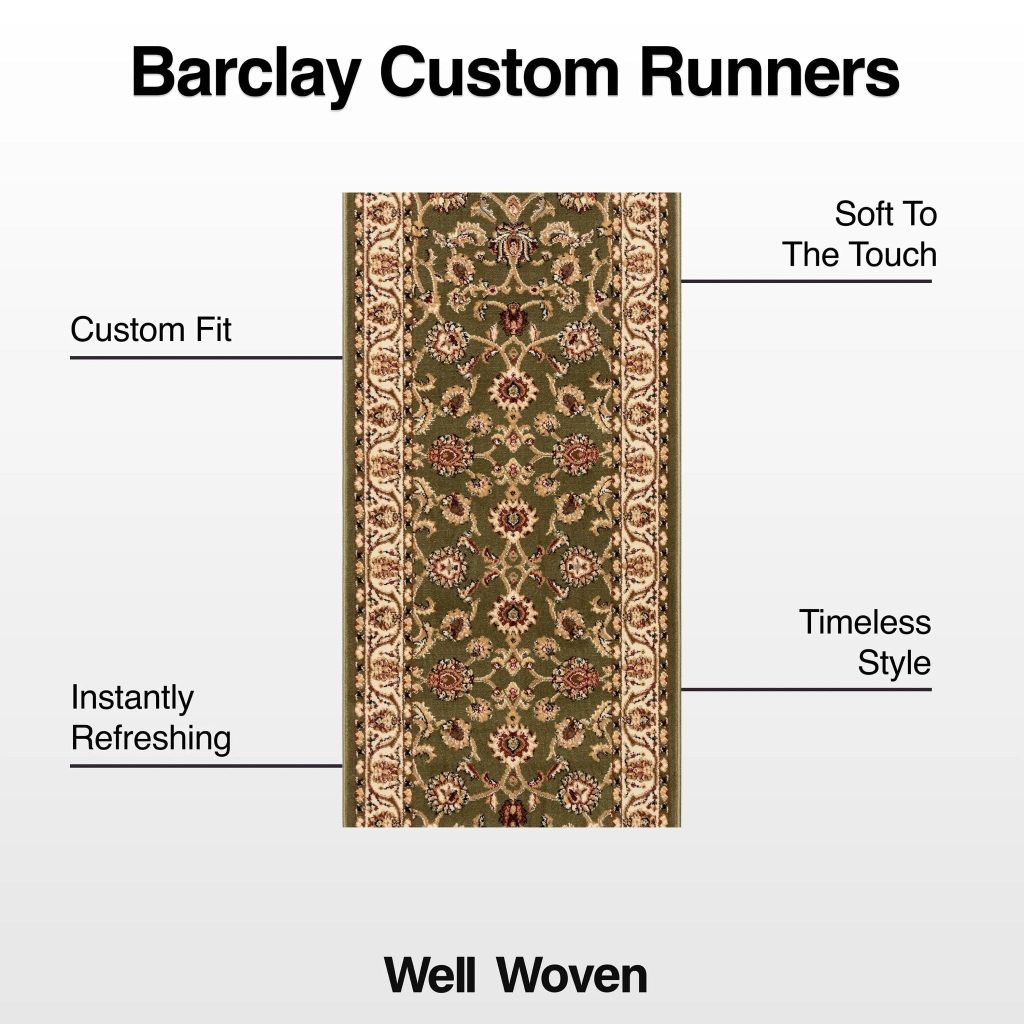
Are you wondering what size runner rug will fit perfectly in your space? Choosing the right runner rug size can transform your hallway, kitchen, or entryway from plain to inviting.
But with so many options out there, it’s easy to feel overwhelmed. You’ll discover exactly how to measure your area and pick the runner rug that complements your room’s style and function. Keep reading to find the perfect size that will make your space look balanced and beautiful.

Credit: shop.wellwoven.com
Common Runner Rug Sizes
Runner rugs add style and comfort to narrow spaces like hallways and kitchens. Their size plays a key role in how well they fit and enhance your area. Understanding common runner rug sizes helps you pick the right one for your space.
Standard Dimensions
Most runner rugs come in standard sizes that suit typical narrow spaces. Common lengths range from 6 to 14 feet. Widths usually fall between 2 and 3 feet. These sizes work well in corridors, entryways, and alongside beds.
- 2 feet wide by 6 feet long
- 2.5 feet wide by 8 feet long
- 2.5 feet wide by 10 feet long
- 3 feet wide by 12 feet long
Choosing a standard size makes it easier to find rugs in many styles and materials. It also fits most common spaces without crowding or leaving empty gaps.
Custom Sizes
Spaces with unusual shapes or lengths often need custom runner rugs. Custom sizes ensure the rug fits perfectly in your specific area. This option lets you control both length and width exactly.
Custom runner rugs can be made to:
- Match oddly sized hallways
- Fit around furniture or fixtures
- Cover longer or shorter spaces than standard sizes
While custom rugs cost more, they provide a tailored look and better coverage. Many rug makers offer this service to meet unique needs.

Credit: shop.wellwoven.com
Choosing The Right Length
Choosing the right length for a runner rug can change how your space feels and functions. It’s not just about filling the floor; it’s about creating a flow and adding comfort where you need it most. Getting the length right means thinking carefully about your space and how you move through it.
Measuring Your Space
Start by measuring the exact area where you want to place the runner. Use a tape measure to get the length from one end to the other, paying attention to any obstacles like furniture or doorways. Remember, a runner should leave some floor visible on each side to avoid making the space look cramped.
Ask yourself: how much of the walkway or floor do you want to cover? If the runner is too short, it might look like an afterthought. Too long, and it could crowd your room or create tripping hazards.
Considering Room Layout
Your room’s layout plays a big role in deciding the runner’s length. In narrow hallways, runners that cover most of the length work well. But in wider rooms, think about how the rug interacts with furniture and traffic paths.
Try imagining walking through your room with the runner in place. Does it guide you naturally? Does it avoid areas where people stand or open doors? These details can help you choose a length that enhances your space instead of complicating it.
Choosing The Right Width
Runner rug width should fit the hallway or space without crowding. Measure the area to find a comfortable size that allows some floor to show on each side. This balance creates a neat, inviting look.
Choosing the right width for a runner rug can significantly impact the aesthetic and functionality of your space. Whether you’re dealing with a narrow hallway or a wide corridor, the key is to strike a balance between coverage and style. A well-chosen runner can guide the eye, create warmth, and even add a sense of direction to your home.Narrow Hallways
In narrow hallways, a runner rug can make the space appear longer and more inviting. Ideally, you want the rug to leave a few inches of floor visible on either side, which helps to frame the path and enhance the visual flow. A width of 2 to 3 feet is often perfect for such spaces. Think about the colors and patterns too. A bold stripe or geometric design can add interest without overwhelming the space. Have you ever noticed how a simple runner can transform an otherwise bland hallway into a stylish passage?Wide Corridors
Wide corridors offer more flexibility with runner rug widths. Here, you might opt for a wider runner, perhaps 3 to 4 feet, to complement the expansive space without making it feel cluttered. Wider runners can also accommodate larger patterns, allowing you to make a bold statement. Consider the furniture and decor around the corridor. Is there a bench or console table that the runner needs to align with? Ensuring the rug complements existing pieces can enhance the overall harmony of the space. In both scenarios, remember that a runner is not just about filling space; it’s about enhancing it. How do you want your hallway to feel when you walk through it?Runner Rugs For Different Rooms
Choosing the right size of a runner rug depends heavily on the room where you plan to place it. Each space has unique dimensions and foot traffic patterns that influence the ideal runner length and width. Understanding these differences helps you pick a rug that fits perfectly and enhances the room’s functionality and style.
Hallways And Entryways
Hallways and entryways are classic spots for runner rugs because they cover narrow, often long spaces. A typical runner size here ranges from 2 to 3 feet wide and 6 to 14 feet long, depending on the hallway’s length.
Think about your own hallway: does the runner leave a few inches of floor visible on each side? This balance prevents the space from feeling cramped and guides visitors naturally through the area.
Also, consider durability. These areas see heavy foot traffic, so choose materials that can handle dirt and wear without losing their charm.
Kitchens And Bathrooms
Runner rugs in kitchens and bathrooms add warmth and comfort underfoot where you often stand for extended periods. Narrower runners, typically 2 feet wide and about 6 to 10 feet long, work well along kitchen counters or in front of bathroom vanities.
Water resistance is a practical concern here. Look for rugs with easy-to-clean fibers or water-resistant backing to avoid moisture damage.
Have you noticed how a well-placed runner can soften hard floors and prevent slips? It’s a simple upgrade that improves both safety and style.
Bedrooms And Living Areas
In bedrooms and living rooms, runners serve more decorative roles but still need to fit the space thoughtfully. They often flank beds or sofas, with widths between 2 to 3 feet and lengths from 6 to 12 feet being common.
Try placing a runner so it extends beyond the furniture edges, creating a cozy pathway or framing the seating area.
What if you used a runner to introduce a splash of color or texture? It can transform a neutral room without overwhelming the décor.
Material And Thickness Impact
The material and thickness of a runner rug affect its size and feel. Different materials offer unique textures and weights. Thickness adds depth and changes how the rug fits in a space. Both factors impact comfort and durability.
Comfort And Durability
Soft materials like wool or cotton provide a cozy feel underfoot. Thicker rugs cushion steps, making long hallways more comfortable. Durable fibers like nylon or polypropylene resist wear and tear. Thicker rugs often last longer because they absorb pressure better. The right thickness and material balance comfort and strength.
Effect On Size Perception
Thick runner rugs can make narrow spaces feel smaller. Thin rugs create a sleek look and open up the area visually. Light-colored, thin rugs enlarge the room’s appearance. Dark, dense materials tend to shrink the space visually. Choosing material and thickness influences how big or small the runner feels.
Styling Tips For Runner Rugs
Styling runner rugs can transform a narrow hallway or a long space into an inviting and visually appealing area. These rugs are versatile and offer many ways to express your personal taste. Let’s look at some practical tips to help you style runner rugs effectively.
Layering Rugs
Layering a runner rug over a larger rug can add depth and texture to your room. Try placing a thin, patterned runner on top of a neutral, solid-colored rug to create contrast. This technique works well in entryways or living rooms where you want to define a pathway without losing warmth.
Think about the materials too. A soft wool runner over a flat-weave rug feels cozy underfoot while adding visual interest. Have you tried mixing different rug textures in your space? It can refresh the look without needing new furniture.
Color And Pattern Choices
Choose runner rugs that complement your existing color scheme but don’t be afraid to add a splash of bold color to energize the space. A brightly colored runner can draw the eye down a hallway and make the area feel longer.
Patterns are powerful tools. Stripes can emphasize length, while geometric designs add a modern touch. If your walls and floors are neutral, a patterned runner can become the focal point. What mood do you want your space to evoke? Play with color and pattern until you find the right balance.
Maintenance And Care
Taking care of your runner rug ensures it stays beautiful and lasts longer. Regular maintenance prevents dirt buildup and damage. Simple care routines keep colors vibrant and fibers strong. Understanding proper cleaning and upkeep protects your investment.
Cleaning Tips
- Vacuum regularly to remove dust and dirt.
- Shake out smaller rugs to release loose debris.
- Spot clean stains immediately using mild detergent.
- Avoid harsh chemicals that can fade colors.
- Use a damp cloth for gentle cleaning of delicate fibers.
- For deep cleaning, consider professional rug cleaning services.
Extending Rug Life
- Rotate the rug every few months to even out wear.
- Keep the rug away from direct sunlight to prevent fading.
- Use a rug pad underneath to reduce slipping and damage.
- Address spills quickly to avoid permanent stains.
- Avoid placing heavy furniture directly on the rug.
- Store rugs rolled, not folded, in a dry area during off-season.

Credit: shop.wellwoven.com
Frequently Asked Questions
What Is The Standard Size Of A Runner Rug?
A standard runner rug typically measures 2 to 3 feet wide and 6 to 14 feet long. This size fits narrow spaces like hallways and stairs perfectly, providing both style and function.
How To Choose The Right Runner Rug Size?
Measure the length and width of your hallway or space. Leave some floor space visible on each side for balance. Choose a runner that fits well without overwhelming the area.
Can Runner Rugs Vary In Width And Length?
Yes, runner rugs come in various widths from 1. 5 to 3 feet and lengths from 6 to 20 feet. Selecting the right size depends on the available space and intended use.
Why Are Runner Rugs Longer Than Regular Rugs?
Runner rugs are designed to cover narrow, long areas like hallways or staircases. Their elongated shape provides protection and enhances aesthetics in these specific spaces.
Conclusion
Choosing the right runner rug size makes a big difference in any space. Measure your hallway or room before buying. Common sizes fit most areas well. A runner that is too long or short can look odd. The right size adds comfort and style to your home.
Keep these tips in mind for a great fit. A good runner rug makes your space feel cozy and complete. Simple steps lead to better decorating choices.



