
Are you wondering what size rugs come in and which one fits your space perfectly? Choosing the right rug size can change the entire feel of your room, making it cozy, stylish, and balanced.
But with so many options available, it can be confusing to know where to start. You’ll discover the common rug sizes and get simple tips on how to pick the best one for your home. Keep reading to find the perfect rug size that matches your style and space!

Credit: ruggallery.net
Common Rug Sizes
Rugs come in many sizes to fit different rooms and purposes. Choosing the right size helps balance your space and furniture. Common rug sizes range from small to extra large. Each size serves a specific function and style.
Small Rugs
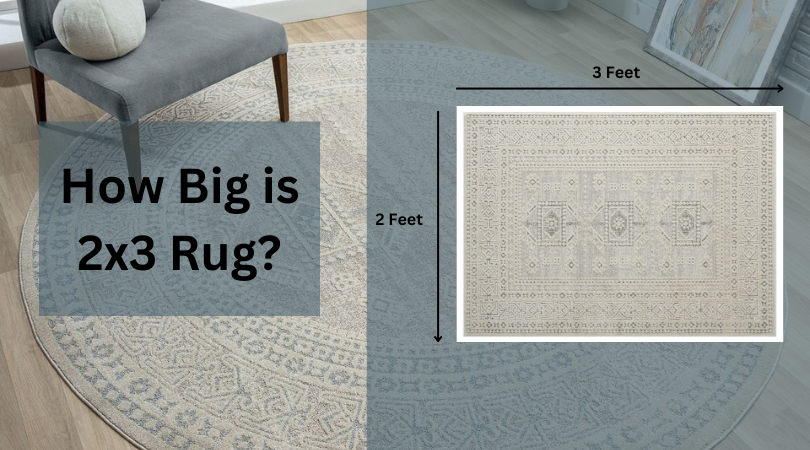
Small rugs usually measure around 2×3 feet to 3×5 feet. They work well in entryways, kitchens, or bathrooms. These rugs add a splash of color or texture without covering much floor. They also protect high-traffic spots from wear.
Medium Rugs
Medium rugs often come in sizes like 5×7 feet or 6×9 feet. These fit nicely in bedrooms, dining rooms, or living rooms. A medium rug can anchor furniture and create a cozy area. It helps define spaces in open floor plans.
Large Rugs
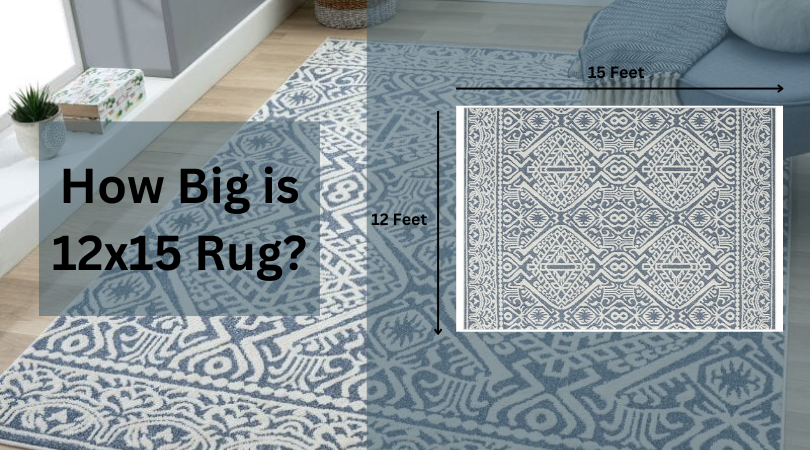
Large rugs typically measure 8×10 feet or 9×12 feet. They cover more floor space and work well under dining tables or living room sets. Large rugs bring warmth and unify room decor. They also reduce noise and add comfort.
Extra Large Rugs
Extra large rugs are 10×14 feet or bigger. They suit spacious rooms, great rooms, or open areas. These rugs make a bold statement and define entire zones. Ideal for creating a seamless flow in large homes or offices.
Credit: ruggallery.net
Choosing Rugs For Different Rooms
Choosing the right rug size for each room can change how your space feels and functions. Different rooms have different needs, so it’s important to think about the size of the rug and how it fits with your furniture. A rug that’s too small or too large can throw off the balance and comfort of the room.
Living Room Rugs
In the living room, rugs often define the seating area. A common choice is a rug that fits under the front legs of your sofa and chairs. This helps anchor the furniture and makes the space feel connected.
If you have a large living room, consider a rug that’s big enough for all the furniture to sit completely on it. This creates a cozy, unified look. Smaller rugs can work too, but they should be placed carefully so they don’t look lost in the space.
Bedroom Rugs
Bedroom rugs add warmth and softness underfoot, especially when you get out of bed. The most popular size is one that extends beyond the sides and foot of the bed.
A rug that’s about 2 to 3 feet wider than the bed on each side works well. This way, you have a soft surface to step on, even when you’re sitting on the edge of the bed. For smaller bedrooms, runners on each side can be a practical alternative.
Dining Room Rugs
Dining room rugs must accommodate the table and chairs, even when the chairs are pulled out. Aim for a rug that extends at least 24 inches beyond the table on all sides.
This extra space prevents chair legs from catching on the rug edges. If your dining area is open to another room, a larger rug can help define the space without feeling cramped.
Kitchen Rugs
Kitchens need rugs that handle high traffic and spills. Smaller rugs or runners are ideal for narrow spaces like in front of the sink or stove.
Choose rugs that are easy to clean and have a non-slip backing for safety. A rug that’s about 2 to 3 feet wide fits well in most kitchen work zones without crowding the space.
Bathroom Rugs
Bathroom rugs focus on comfort and moisture control. They are usually smaller and placed near the sink, tub, or toilet.
Look for rugs that are water-resistant and have a non-slip base. Common sizes are around 17×24 inches or runners that fit along the vanity area. Have you thought about how a well-sized rug can prevent slips and add a cozy touch to your bathroom?
Rug Shapes And Their Sizes
Rugs come in many shapes like rectangles, circles, and squares, each with different size options. Common sizes range from small 2×3 feet to large 9×12 feet rugs. Choosing the right size depends on the room and furniture layout.
Rug Shapes and Their Sizes Rugs come in various shapes, each offering unique style and functionality. Choosing the right shape can transform a space. Let’s explore common rug shapes and their standard sizes.Rectangular Rugs
Rectangular rugs are the most popular. They fit well in living rooms and dining areas. Common sizes include:- 3×5 feet
- 5×8 feet
- 8×10 feet
- 9×12 feet
Square Rugs
Square rugs add symmetry. They work well in square rooms or under square tables. Typical sizes are:- 4×4 feet
- 6×6 feet
- 8×8 feet
Round Rugs
Round rugs create a focal point. Perfect for small areas or under round tables. Standard sizes include:- 4 feet diameter
- 6 feet diameter
- 8 feet diameter
Runner Rugs
Runner rugs are long and narrow. Ideal for hallways and entryways. Common sizes are:- 2×6 feet
- 2×8 feet
- 3×10 feet
Factors Affecting Rug Size Choice
Choosing the right rug size involves several key factors. Each element shapes the overall look and feel of a room. Rugs can enhance comfort, style, and space perception. Understanding these factors helps select a rug that fits perfectly.
Room Size And Layout
The size of the room sets the foundation for rug choice. Large rooms often need bigger rugs to cover the floor adequately. Small rooms benefit from smaller rugs that don’t overwhelm the space. The room’s shape also matters; rectangular, square, or odd-shaped rooms require different rug sizes to fit well.
Furniture Placement
How furniture is arranged affects the rug size needed. Rugs under a dining table should be large enough for chairs to stay on the rug when pulled out. In living areas, rugs often go under sofas and coffee tables. Ideally, all front legs of the furniture sit on the rug to create cohesion.
Function And Traffic
Consider how the room is used and the amount of foot traffic. High-traffic areas need durable rugs that cover enough space for comfort and protection. Functional rooms like kitchens or hallways require rugs that fit the activity and space without causing trips or discomfort.
Aesthetic Preferences
Personal style plays a role in rug size choice. Some prefer large rugs that anchor the room, while others like smaller rugs as accent pieces. The rug should complement the decor and color scheme. The right size enhances the room’s balance and harmony.
Measuring Tips For Perfect Rug Fit
Choosing the right rug size can transform your room, but getting the fit just right starts with accurate measuring. Taking a few moments to measure your space carefully saves you from costly returns and awkward placements. These measuring tips help you pick a rug that complements your room’s layout and your furniture arrangement perfectly.
How To Measure Your Space
Begin by measuring the length and width of the area where you want to place the rug. Use a tape measure and note down the dimensions in feet or meters. Don’t forget to check if the space narrows or widens, as this affects the rug shape and size you should choose.
Visualize the rug’s position in the room by marking the measurements with painter’s tape on the floor. This simple step helps you see how much floor the rug will cover and prevents surprises after purchase. Have you ever picked a rug that looked great online but felt too small or too big once it arrived?
Allowing For Borders And Frames
Rugs often look better when they don’t stretch edge to edge. Leaving a border of visible floor around the rug creates a balanced frame and defines the area. A good rule is to leave about 12 to 18 inches of bare floor between the rug edge and the walls.
This border space lets your furniture and decor breathe, preventing the room from feeling cramped. Think about how this visible border will interact with your baseboards or wall color. Have you noticed how a well-placed rug border can make your room feel more open?
Adjusting For Furniture
Your furniture layout heavily influences the ideal rug size. For example, under a dining table, the rug should extend at least 24 inches beyond the table on all sides to keep chairs on the rug when pulled out. In living rooms, aim to have at least the front legs of sofas and chairs resting on the rug.
If you place a rug entirely under furniture, it might appear disconnected from the room’s flow. Conversely, a rug too small can make your seating look scattered. How does your current rug size affect the way your furniture feels in the space?
Rug Size Mistakes To Avoid
Choosing the right rug size can dramatically change how your space feels and functions. Many people pick rugs based on price or style alone, overlooking size considerations that can throw off the entire room’s balance. Avoid these common rug size mistakes to make your space look polished and comfortable.
Too Small Rugs
A rug that’s too small often looks like an afterthought rather than a design element. Small rugs can make a seating area feel disconnected or cause furniture to appear as if it’s floating awkwardly.
Think about a living room where the rug only fits under the coffee table. It can make the space feel choppy and uninviting. Instead, aim for rugs that at least fit under the front legs of your furniture to anchor the space properly.
Overly Large Rugs
Oversized rugs might seem like a safe choice, but they can overwhelm the room and cover up beautiful flooring. An overly large rug can also make furniture arrangements look cramped or out of proportion.
Imagine a small dining room with a rug that extends beyond all chairs by several feet; this can crowd the space and disrupt natural flow. Measure your room carefully and leave at least 18 inches of bare floor around the rug edges for balance.
Ignoring Traffic Flow
Your rug should support how you move through a room, not interrupt it. Placing a rug where people naturally walk can cause tripping hazards or force awkward steps around furniture.
Think about your daily routines—do you walk from the couch to the door or kitchen? Position rugs so they don’t break this path. A well-placed rug enhances comfort and guides movement smoothly.
Custom And Unusual Rug Sizes
Custom and unusual rug sizes offer flexibility beyond standard dimensions. They help fill spaces where regular rugs don’t fit well. These rugs can match unique room layouts or furniture arrangements perfectly.
Choosing custom sizes allows you to express personal style. It also helps protect floors in odd-shaped areas. Designers and homeowners often select custom rugs for special projects.
When To Choose Custom Rugs
Opt for custom rugs when rooms have irregular shapes. They fit around built-in furniture and angled walls better. Custom rugs work well in hallways that are too narrow for standard sizes.
Use custom rugs to match unique color schemes and patterns. They allow precise control over rug thickness and material. Custom sizing is ideal for open floor plans with varying zones.
Unique Shape Options
Rugs come in many shapes beyond rectangles and squares. Oval, round, and runner shapes add interest to spaces. Freeform rugs mimic natural shapes and bring softness to rooms.
- Kidney-shaped rugs soften sharp corners in living rooms
- Hexagonal rugs create a modern, geometric look
- Custom cutouts fit around staircases or pillars
- Layering smaller unusual shapes creates dynamic floor art
These unique shapes can highlight key furniture or architectural features. They help define specific areas in large rooms. The variety of shapes ensures a perfect match for every room style.
Credit: www.jaipurrugs.com
Frequently Asked Questions
What Are The Most Common Rug Sizes Available?
Rugs typically come in standard sizes like 3×5, 5×8, 8×10, and 9×12 feet. These sizes fit various room layouts and purposes, from small accent rugs to large area rugs. Choosing the right size depends on your room dimensions and furniture arrangement.
How Do Rug Sizes Affect Room Appearance?
The size of a rug can visually expand or define a space. A large rug anchors furniture, making a room feel cohesive. Smaller rugs highlight specific areas or add accent. Proper sizing balances the room and enhances its overall aesthetic.
Can Rugs Be Custom-sized To Fit Spaces?
Yes, many manufacturers offer custom rug sizes. Custom rugs cater to unique room shapes or specific design needs. This option ensures a perfect fit, especially in irregular spaces or when standard sizes don’t work.
What Rug Size Suits Living Rooms Best?
For living rooms, 8×10 or 9×12 rugs are popular. These sizes fit under sofas and coffee tables comfortably. Larger rugs create a unified look, while smaller ones can define seating areas without overwhelming the space.
Conclusion
Rugs come in many sizes to fit different spaces and needs. Small rugs work well in cozy corners or in front of doors. Medium rugs fit under coffee tables or dining areas. Large rugs cover big rooms and create warmth.
Choosing the right size helps your room look balanced and neat. Think about where you want the rug and what size fits best. This way, your space feels comfortable and stylish. Rugs add color and texture, making any room feel inviting and complete.



