
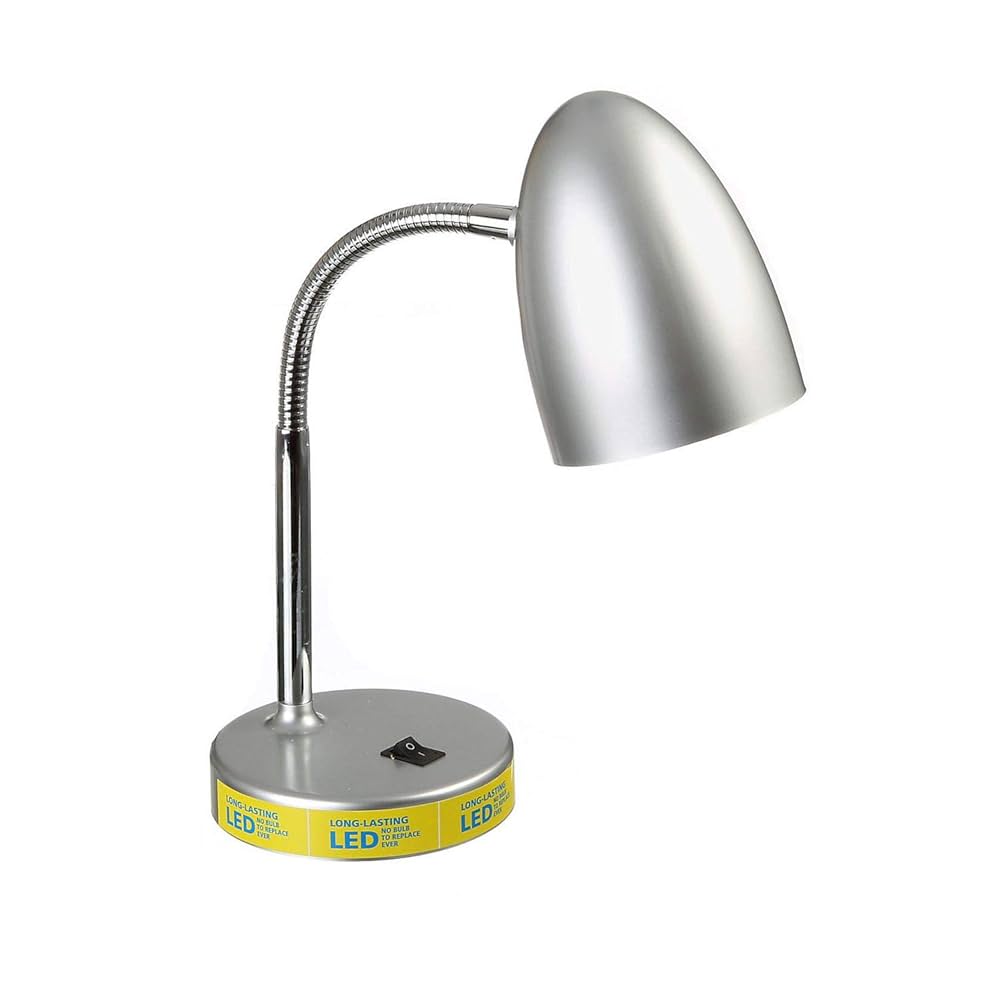
Choosing the right light bulb for your desk lamp can make a huge difference in how well you focus, how comfortable your eyes feel, and even your mood while working or studying. You might be wondering: Should you go for LED, incandescent, or something else?
What about brightness and color temperature? Don’t worry—this guide will help you find the perfect bulb that fits your needs and makes your workspace shine just right. Keep reading to discover simple tips that will transform your desk lamp into the best light source for your tasks.
Types Of Light Bulbs
Choosing the right light bulb for your desk lamp affects your comfort and productivity. Different bulb types offer various brightness levels, energy use, and lifespans. Understanding these types helps pick the best bulb for your needs.
Incandescent Bulbs
Incandescent bulbs produce warm, soft light. They are cheap but use more energy. These bulbs have a short lifespan and get hot quickly. They work well for cozy lighting but not for long work sessions.
Led Bulbs
LED bulbs save energy and last much longer. They stay cool and offer bright, clear light. These bulbs come in many colors and brightness levels. LED bulbs are ideal for desk lamps due to their efficiency and durability.
Cfl Bulbs
CFL bulbs use less energy than incandescent bulbs. They provide bright light and last longer. CFLs take a moment to reach full brightness. These bulbs contain a small amount of mercury, so handle them carefully.
Halogen Bulbs
Halogen bulbs are a type of incandescent bulb. They give bright, white light and work well for detail tasks. These bulbs get very hot and use more energy. Halogens have a shorter life compared to LED bulbs.
Brightness Levels Explained
Understanding brightness levels is key for choosing the right desk lamp bulb. The brightness of a bulb affects your workspace’s efficiency and comfort. Picking the wrong bulb can strain your eyes or create an unproductive environment. Let’s explore the factors that determine the perfect brightness for your desk lamp.
Lumens Vs Watts
Lumens measure the light output of a bulb. It’s the actual brightness you see. Watts indicate energy consumption, not brightness. A higher wattage doesn’t always mean a brighter light. For energy efficiency, focus on lumens, not watts.
LED bulbs offer more lumens per watt. They are bright and energy-saving. A bulb with 800 lumens is similar to a 60-watt incandescent bulb. Always check the lumens for the right brightness level.
Ideal Brightness For Desk Lamps
The ideal brightness depends on your tasks. For reading or writing, 450-800 lumens works well. This range provides clear and comfortable lighting. For detailed tasks, 800-1100 lumens might be necessary. It ensures precision and reduces eye strain.
Adjustable desk lamps are useful. They let you control brightness as needed. Consider a lamp with a dimmer switch for flexibility. This way, you can adjust the light to suit different tasks and times of day.
Color Temperature Choices
Choosing the right color temperature for your desk lamp can change how you feel and work throughout the day. Color temperature affects your mood, focus, and even eye comfort. Understanding the differences between warm, cool, and daylight bulbs helps you pick the best light for your tasks and environment.
Warm Light
Warm light bulbs have a color temperature around 2700K to 3000K. They emit a soft, yellowish glow that creates a cozy and relaxing atmosphere. If you use your desk lamp mainly for reading or winding down after work, warm light can help reduce eye strain and promote calmness.
Think about your favorite evening reading spot—doesn’t the gentle glow make it easier to relax? Warm light is also great if you share your workspace and want a welcoming feel without harsh brightness.
Cool Light
Cool light bulbs range from 3500K to 4100K and produce a whiter, more neutral light. This temperature is ideal for tasks that require concentration, like writing or working on detailed projects. You might notice your eyes feel more alert and less tired under cool light.
If you’ve ever struggled to focus under dim or yellowish light, switching to cool light might be the simple fix you need. It strikes a balance between comfort and clarity, helping you stay productive without feeling overwhelmed.
Daylight
Daylight bulbs have a color temperature between 5000K and 6500K, mimicking natural sunlight. This bright, blue-white light is perfect for tasks demanding high precision or color accuracy, such as drawing or crafting. It can also boost your energy during long work sessions.
However, daylight bulbs can feel harsh if used for relaxation. Ask yourself: do you need your desk lamp to energize you or to help you unwind? Choosing daylight might be best for active tasks but less so for cozy evenings.

Credit: www.amazon.ca
Energy Efficiency Considerations
Choosing the right light bulb for your desk lamp affects energy use and costs. Energy efficiency helps reduce electricity bills and environmental impact. Understanding power consumption and bulb lifespan guides smart choices.
Power Consumption
Power consumption measures how much electricity a bulb uses. Lower wattage means less energy used. LED bulbs use about 75% less power than traditional incandescent bulbs. This saves money and reduces heat output. Compact fluorescent lamps (CFLs) also use less power but contain small amounts of mercury. Halogen bulbs consume more power and run hotter.
Lifespan Of Bulbs
The lifespan shows how long a bulb lasts before needing replacement. LEDs can last up to 25,000 hours. CFLs usually last 8,000 to 10,000 hours. Incandescent bulbs last about 1,000 hours, requiring frequent changes. Longer lifespan means fewer replacements and less waste. Choosing bulbs with longer life saves money and effort over time.
Eye Comfort And Health
Choosing the right light bulb for your desk lamp is important for eye comfort and health. Proper lighting reduces tiredness and helps you focus better. Poor lighting can cause headaches, dry eyes, and blurred vision. Understanding how light affects your eyes guides you to the best bulb choice.
Reducing Eye Strain
Eye strain happens when your eyes work too hard. Bright or flickering lights make this worse. Soft, warm white bulbs help reduce glare and harsh shadows. Using bulbs with a color temperature around 2700K to 3000K is ideal. They create a cozy light that feels natural and soothing. Adjust brightness to avoid too dim or too bright light. Taking breaks from screen time also supports eye comfort.
Blue Light Effects
Blue light comes from many LED bulbs and screens. It can disturb sleep and cause eye fatigue. Bulbs with low blue light emissions protect your eyes better. Look for bulbs labeled as “warm white” or “soft white.” These bulbs emit less blue light. You can also find special bulbs with blue light filters. Using such bulbs in the evening helps maintain your natural sleep cycle. Blocking blue light reduces eye dryness and irritation.
Credit: www.canadiantire.ca
Bulb Compatibility With Desk Lamps
Choosing the right bulb for your desk lamp depends on compatibility. Not all bulbs fit every lamp. Knowing the socket type and dimming ability helps pick the best bulb. This avoids damage and ensures good lighting. Understanding these basics makes your workspace brighter and more comfortable.
Socket Types
Desk lamps use different socket types. The most common is the E26 socket. It fits many standard bulbs. Smaller lamps might use the E12 or E14 sockets. Some use GU10 or bi-pin sockets for specialty bulbs. Check your lamp’s socket before buying a bulb. Using the wrong socket type means the bulb won’t fit or work.
Dimmable Options
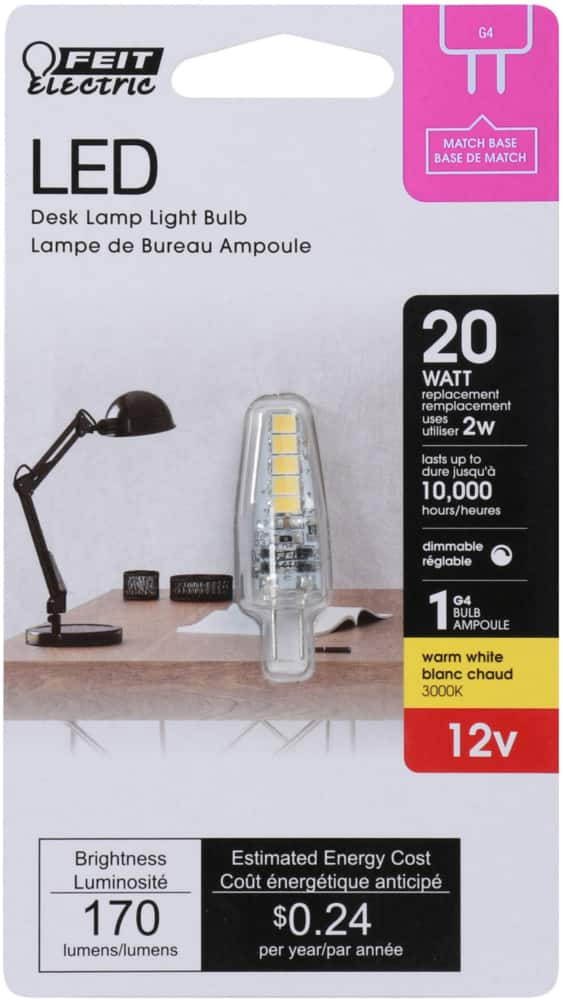
Dimmable bulbs let you adjust light brightness. This is useful for reading or working late. Not all bulbs support dimming. LED and incandescent bulbs often come in dimmable versions. Fluorescent bulbs usually do not dim well. Check the bulb packaging for “dimmable” labels. Also, your lamp must have a compatible dimmer switch.
Choosing The Best Bulb For Tasks
Choosing the best bulb for your desk lamp can change how well you perform different tasks. The right light can reduce eye strain, boost focus, and even improve your mood. It’s important to match the bulb’s brightness and color temperature to what you’re doing at your desk.
Reading And Studying
For reading and studying, you need a bulb that offers clear, bright light without harsh glare. A bulb with a color temperature between 4000K and 5000K works well because it mimics natural daylight, keeping you alert and focused.
Look for LED bulbs with at least 450 lumens to prevent your eyes from tiring. I once switched to a cool white LED bulb for my late-night reading, and it made a noticeable difference in how long I could comfortably study.
Creative Work
Creative tasks like drawing, painting, or crafting demand bulbs that show colors accurately. A bulb with a high Color Rendering Index (CRI) of 90 or above will help you see true colors and fine details.
Warm white bulbs (around 3000K) often make your workspace feel cozy, but for color accuracy, a neutral or daylight bulb is better. Have you ever noticed how colors look different under various lights? Choosing the right bulb can eliminate that confusion.
General Use
If your desk serves multiple purposes, a versatile bulb is key. A neutral white bulb (3500K to 4100K) offers a balance between warm and cool light, making it suitable for both work and relaxation.
Energy-efficient LEDs with adjustable brightness can adapt to your needs throughout the day. Imagine having one bulb that supports your focus during work and helps you unwind afterward.
Tips For Maintaining Desk Lamp Lighting
Maintaining good lighting from your desk lamp keeps your workspace bright and comfortable. Proper care extends the life of your bulb and lamp. Follow these simple tips to keep your desk lamp working well and your light clear.
Cleaning And Care
Dust and dirt reduce light brightness quickly. Clean the lamp shade and bulb regularly using a soft, dry cloth. Avoid wet cleaning unless the lamp is unplugged and cool. Clean the lamp base and arm to keep dust away. Check cords for damage to prevent electrical problems.
Replacing Bulbs Safely
Always turn off and unplug the lamp before changing the bulb. Let the old bulb cool down before touching it. Use the correct wattage and bulb type for your lamp. Hold the bulb by the base, not the glass, to avoid breakage. Dispose of old bulbs according to local rules, especially CFL or LED bulbs with special materials.

Credit: www.amazon.ca
Frequently Asked Questions
What Is The Best Light Bulb For Desk Lamps?
LED bulbs are the best choice for desk lamps. They use less energy, last longer, and provide bright, focused light. Choose bulbs with a color temperature around 4000K for natural daylight and reduced eye strain while working or reading.
How Many Lumens Should A Desk Lamp Have?
A desk lamp should have 450 to 800 lumens. This range provides enough brightness for tasks without causing glare. Higher lumens suit detailed work, while lower levels are good for ambient lighting or relaxation near your desk.
Are Led Bulbs Better Than Cfl For Desk Lamps?
Yes, LED bulbs are better than CFLs for desk lamps. LEDs consume less power, last longer, and turn on instantly without flickering. They also emit less heat, making them safer and more comfortable for prolonged use at your desk.
What Color Temperature Suits Desk Lamp Lighting?
A color temperature between 3500K and 5000K suits desk lamp lighting best. This range offers bright, white light that improves focus and reduces eye fatigue. Avoid bulbs with very warm or very cool tones for optimal comfort during work.
Conclusion
Choosing the right light bulb for your desk lamp helps your eyes stay comfortable. Brightness and color temperature matter most. Soft white bulbs create a warm, cozy feel. Daylight bulbs help you focus and stay alert. Energy-saving LED bulbs last longer and cut electricity costs.
Remember to match the bulb size with your lamp’s socket. A good bulb improves your work and reading experience. Think about your needs before buying. A simple choice makes a big difference every day.



