
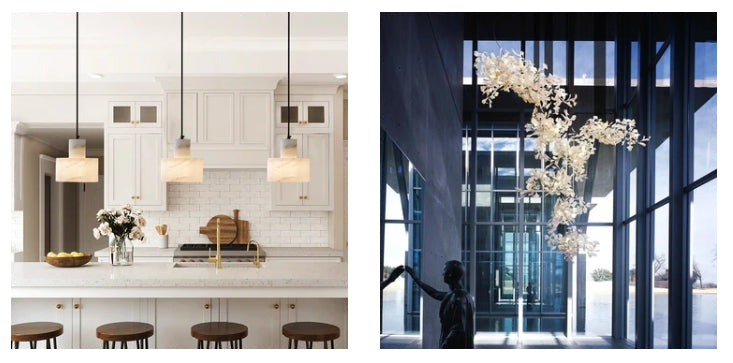
Choosing the right chandelier size can completely change the look and feel of your room. But how do you know what size chandelier you need?
Picking one that’s too big or too small can throw off your entire space. You’ll discover simple tips and easy formulas to find the perfect chandelier size for your room. By the end, you’ll feel confident making a choice that brightens your space and matches your style perfectly.
Keep reading to get started!
Choosing Chandelier Size
Choosing the right chandelier size is key to enhancing your room’s look. The perfect chandelier fits well with your room size and ceiling height. It creates balance and adds style without overwhelming the space. Understanding how to measure and calculate the size ensures a great fit every time.
Measuring Room Dimensions
Start by measuring the length and width of your room in feet. Use a tape measure for accuracy. Write down these numbers. They help decide the right chandelier size. Larger rooms need bigger chandeliers to fill the space well. Smaller rooms require smaller fixtures to avoid crowding.
Calculating Chandelier Diameter
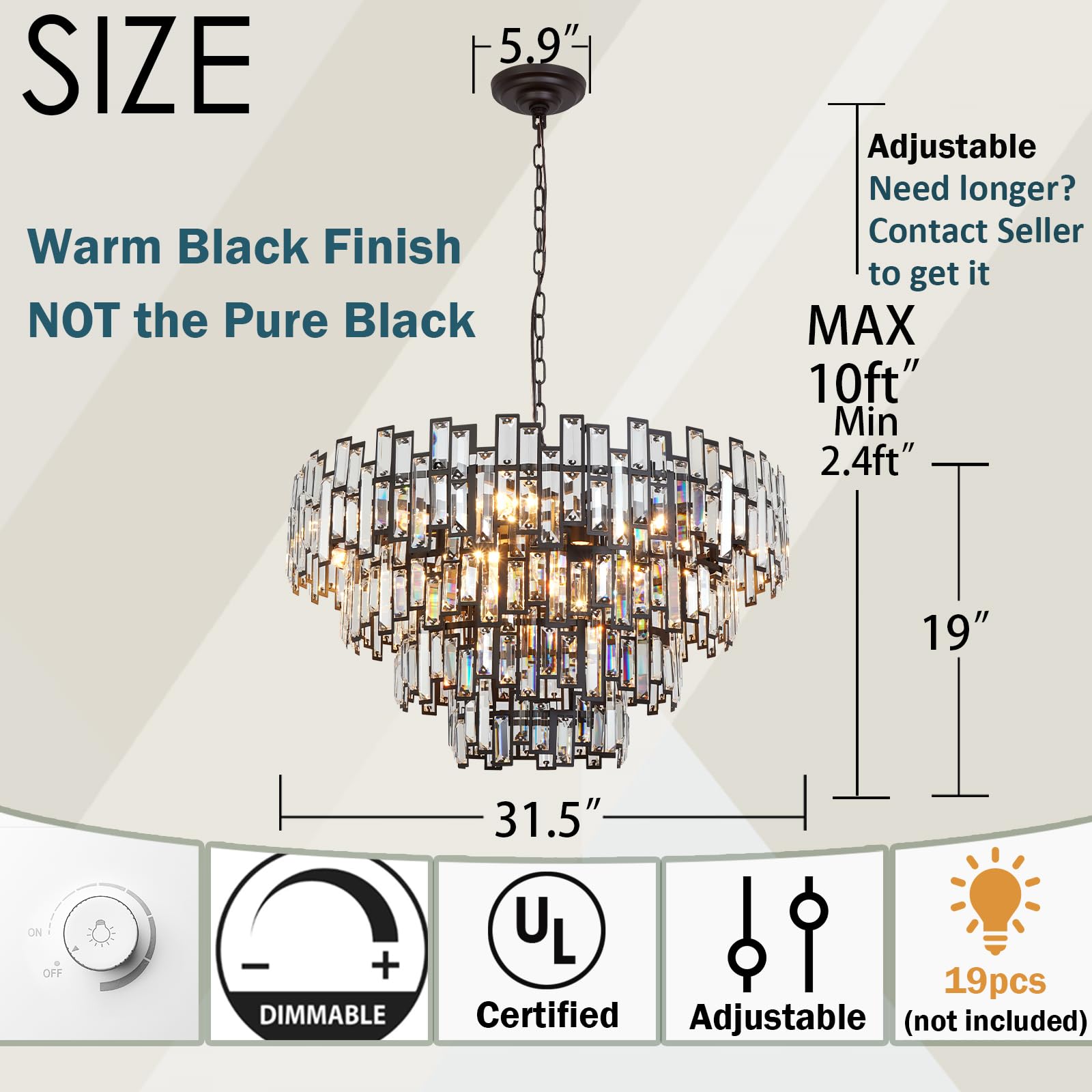
Add the room’s length and width in feet. Use this total as the chandelier’s diameter in inches. For example, a 12-foot by 14-foot room equals 26. So, a chandelier about 26 inches wide fits nicely. This simple formula keeps the chandelier proportional to the room size.
Considering Ceiling Height
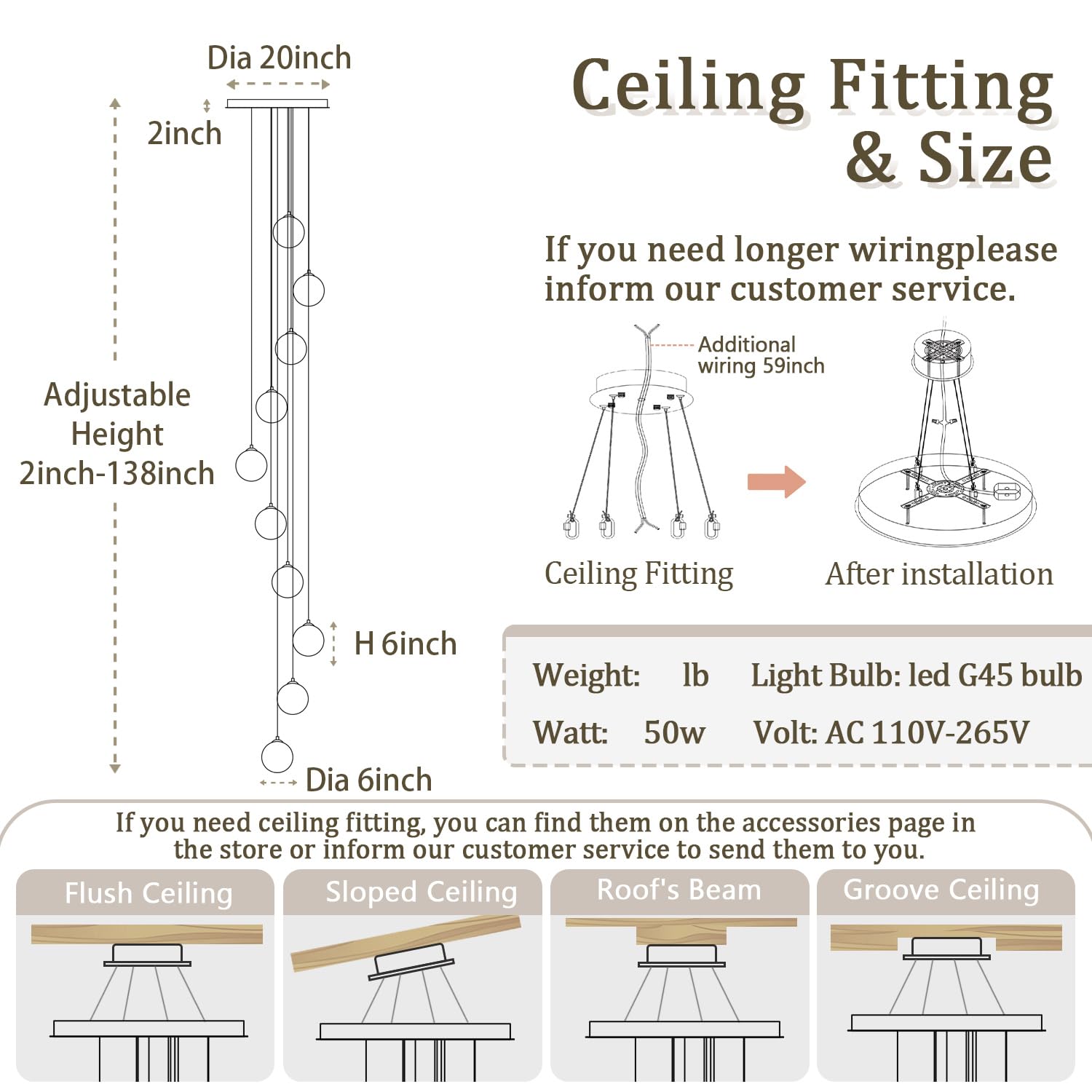
Ceiling height affects chandelier placement and size. For ceilings 8 feet or higher, chandeliers can hang lower. Allow at least 7 feet from the floor to the bottom of the chandelier. Taller ceilings may support larger, longer chandeliers. Low ceilings need smaller, flush-mounted fixtures to keep space open.
Credit: www.amazon.com
Room Types And Lighting Needs
Choosing the right chandelier size depends heavily on the type of room and the lighting needs you want to meet. Each space has its own function, mood, and layout, which influence how a chandelier will look and perform. Understanding these differences helps you pick a fixture that enhances your room rather than overwhelms it.
Dining Room Fixtures
In the dining room, a chandelier should create a cozy atmosphere while providing enough light for meals and gatherings. The fixture often hangs directly above the table, so its size should match the table’s dimensions without blocking views.
A good rule is to add the length and width of your dining table in feet, then convert that number to inches for the chandelier’s diameter. For example, a 6×4 foot table totals 10, so a chandelier around 20 inches wide works well.
Consider adjustable height options to avoid glare and ensure the light spreads evenly across the table surface.
Living Room Options
Living rooms vary in size and purpose, so chandelier choices can be flexible. You want enough light for activities like reading or socializing, but also a fixture that complements your decor.
Calculate chandelier size by measuring the room’s length and width in feet and adding those numbers to get inches. For a 15×20 foot room, a chandelier around 35 inches wide fits nicely.
If you have multiple light sources, a chandelier can serve as a central statement piece without needing to be overly large.
Bedroom Choices
Bedrooms call for softer, more intimate lighting, so chandeliers here tend to be smaller and subtler. You want a fixture that adds style without overpowering the space or creating harsh light.
Size it by dividing the room’s width and length by 12 and then adding those numbers to get the diameter in feet. For example, an 12×14 foot bedroom might suit a chandelier about 2 feet wide.
Think about the ceiling height and furniture placement so your chandelier doesn’t hang too low or interfere with movement.
Entryway Statement Pieces
The entryway is your chance to impress guests with a chandelier that sets the tone for your home. Here, bigger often means better, but it must fit the scale of the space and ceiling height.
Measure the area’s length and width, add them, then multiply by 1.5 to get the ideal chandelier diameter in inches. A 10×10 foot foyer would handle a 30-inch wide fixture well.
Don’t forget vertical space. Tall ceilings allow for grand chandeliers, while lower ceilings require more compact or flush-mount options.
Style And Scale Balance
Choosing the right chandelier involves more than just measurements. Style and scale balance is crucial for a harmonious look. A well-proportioned chandelier complements your room’s decor and furniture. It enhances the aesthetic without overwhelming the space. Understanding style and scale ensures your chandelier fits perfectly.
Matching Chandelier Style To Decor
Your chandelier should reflect your home’s style. A modern decor pairs well with sleek, minimalistic fixtures. Traditional settings benefit from ornate, classic designs. Rustic spaces come alive with wood or wrought iron finishes. Match materials and colors with existing elements. This creates a cohesive and inviting atmosphere.
Balancing Fixture Size With Furniture
Consider the size of your furniture when selecting a chandelier. A large dining table requires a significant fixture. Small tables need smaller chandeliers to avoid overwhelming the space. Measure the table’s width and choose a fixture that’s half to two-thirds that size. In living rooms, account for ceiling height and room dimensions. Tall ceilings can accommodate larger, more dramatic pieces. Lower ceilings call for more understated designs.
Practical Installation Tips
Installing the right chandelier size is only part of the process. Proper installation ensures the fixture looks great and functions well. Practical tips help avoid common mistakes and improve the room’s lighting and safety.
Optimal Hanging Height
Choose the right height for your chandelier to balance style and function. For rooms with an 8-foot ceiling, hang the chandelier about 30 to 34 inches above the table. Add 3 inches for every extra foot of ceiling height. Keep the fixture at least 7 feet above the floor in open spaces. This avoids blocking views or causing bumps.
Ensuring Proper Light Distribution
Place the chandelier where it spreads light evenly across the room. Center it over tables or seating areas for the best effect. Use bulbs with the right brightness to avoid dark spots or glare. Consider dimmer switches to adjust light levels. This adds flexibility for different moods and tasks.
Safety And Support Considerations
Check that your ceiling can hold the chandelier’s weight. Use a strong electrical box rated for heavy fixtures. Secure the fixture with proper hardware like mounting brackets or hooks. Turn off power before installation to prevent shocks. If unsure, hire a professional electrician. Safety comes first for a worry-free setup.
Common Mistakes To Avoid
Picking the right chandelier size can be tricky. Many people make simple mistakes that affect both the look and function of their space. Avoiding these common errors will help you choose a fixture that truly fits your room and lifestyle.
Choosing Oversized Or Undersized Fixtures
Choosing a chandelier that’s too big can overwhelm your room and make it feel cramped. On the other hand, a fixture that’s too small often gets lost and fails to provide enough light. Think about your room’s dimensions carefully—measure the space before buying.
Imagine hanging a massive chandelier in a small dining area—it might block sightlines or make moving around awkward. Conversely, a tiny chandelier in a large foyer can feel underwhelming and cheap. Balance size with scale to create harmony.
Ignoring Room Functionality
Every room serves a purpose, and your chandelier should support that. A dining room needs focused lighting for meals, while a living room benefits from softer, mood-setting light. Ask yourself: How do you use this space daily?
For instance, a bright chandelier that dazzles during dinner might be too harsh for a relaxing evening in the living room. Tailor your choice to how you live, not just how you want the room to look.
Neglecting Ambient Lighting
Relying solely on a chandelier for all your lighting needs can leave your room feeling unevenly lit. Ambient lighting layers add depth and comfort to any space. Think about adding wall sconces, floor lamps, or recessed lights to complement your chandelier.
Have you noticed rooms where the chandelier creates shadows or leaves corners dark? That’s a sign you need more than just a central light source. Combining different lighting types ensures your space is both beautiful and functional.
Credit: www.amazon.ca
Popular Chandelier Types
Choosing the right chandelier style affects the room’s look and feel. Different types fit various decor styles and room sizes. Here are some popular chandelier types to consider for your space.
Crystal And Traditional
Crystal chandeliers bring elegance and sparkle to any room. They often feature many glass or crystal pieces that catch light beautifully. Traditional styles have classic shapes and detailed designs. These chandeliers suit formal dining rooms and grand entryways.
Modern And Minimalist
Modern chandeliers focus on clean lines and simple shapes. They often use metal, glass, or LED lights in sleek designs. Minimalist chandeliers create a stylish yet subtle look. These work well in contemporary homes and small spaces.
Rustic And Industrial
Rustic chandeliers use natural materials like wood and iron. Industrial styles often show raw metal and exposed bulbs. These types add warmth and character to kitchens and living rooms. They fit well in farmhouse or loft-style interiors.
Mini Chandeliers
Mini chandeliers are small but make a big impact. Perfect for cozy areas, bathrooms, or small bedrooms. They provide decorative light without overwhelming the space. Mini chandeliers come in many styles, from classic to modern.

Credit: www.1800lighting.com
Frequently Asked Questions
How To Measure Chandelier Size For A Room?
Measure your room’s length and width in feet. Add these two numbers for chandelier size in inches. This helps balance the fixture with room size.
What Chandelier Size Suits Different Ceiling Heights?
For ceilings 8-9 feet high, pick chandeliers 20-24 inches tall. Higher ceilings need larger or multi-tier chandeliers for proportion.
How Far Should Chandelier Hang From The Ceiling?
Hang chandeliers 30-36 inches above tables or surfaces. For open spaces, keep 7 feet clearance from floor for safety.
Can Chandelier Size Affect Room Lighting?
Yes, larger chandeliers provide more light coverage. Small chandeliers suit intimate spaces but may need extra lighting sources.
Conclusion
Choosing the right chandelier size makes a big difference in your room. It balances the space and adds style without crowding. Measure your room carefully and think about ceiling height. Match the chandelier to your furniture and room shape. A well-sized chandelier brings warmth and light to your home.
Take your time and pick one that fits just right. Brighten your space with the perfect chandelier size today.



