
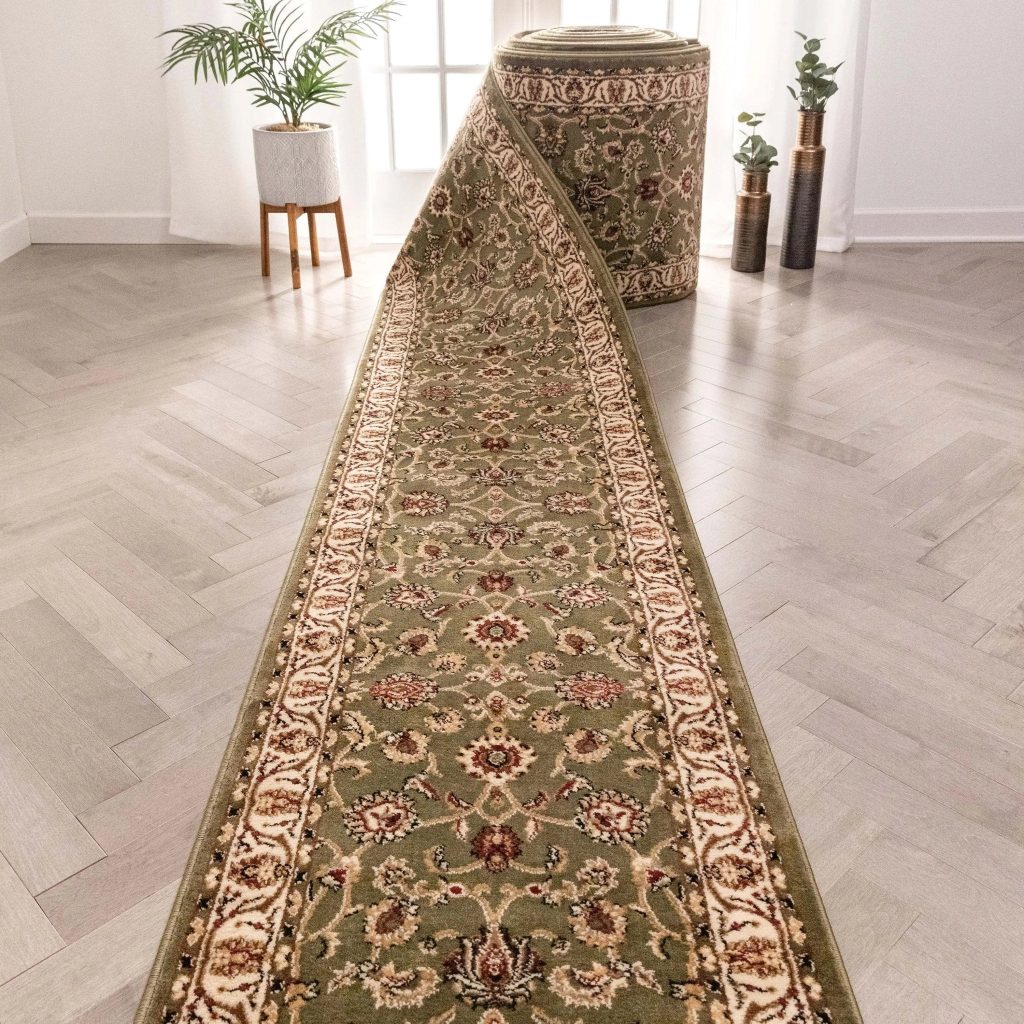
Choosing the right runner rug can change the look and feel of your space. But how do you know what size is perfect for your hallway, kitchen, or entryway?
Picking the wrong size can make your room feel cramped or oddly empty. You’ll discover simple tips to find the ideal runner rug size that fits your space and style perfectly. Keep reading to transform your home with the right rug!
Runner Rug Dimensions
Runner rug dimensions can vary widely, but understanding the common sizes helps you pick the perfect fit for your space. These rugs are designed to add style and comfort to narrow, often high-traffic areas like hallways or kitchens. Knowing the right length and width ensures your runner rug complements your room without overwhelming it.
Standard Sizes
Most runner rugs fall within a few standard sizes, making it easier to find one that fits your space. The typical length ranges from 6 to 14 feet, with 8 feet being the most common choice.
- 6 feet:Ideal for small hallways or entryways.
- 8 feet:Fits most average hallways and kitchens.
- 10 to 14 feet:Great for longer corridors or staircases.
Standard widths usually stay between 2 to 3 feet, which works well for narrow pathways. Have you measured your hallway lately? Getting the exact length helps avoid a rug that’s too short or too long.
Custom Lengths
Sometimes, standard sizes just don’t cut it. If your hallway or space has unique dimensions, custom runner rugs can be tailored to fit perfectly.
Custom lengths let you cover your entire floor without gaps or awkward overlaps. Think about those odd-shaped corridors where a typical rug looks out of place—custom options solve that problem and elevate your room’s design.
Width Variations
While the usual width is between 2 and 3 feet, some runners come in narrower or wider options. Narrow widths, like 18 inches, work well for very tight spaces, while wider runners (up to 4 feet) can make a bold statement in larger hallways or open areas.
Choosing the right width depends on your space’s layout and the look you want. Have you considered how a wider runner might make your hallway feel more inviting?
Choosing The Right Length
Choosing the right length for your runner rug is essential to balance style and function. A runner that is too short can look awkward and fail to protect your floors, while one that’s too long might overwhelm the space or create a tripping hazard. Think about the specific area you want to cover and how people will move through it to find the perfect fit.
Hallways And Corridors
Hallways usually benefit from longer runners that leave some space at both ends—about 4 to 6 inches away from the walls or doors. This length helps guide the eye down the corridor without making the space feel cramped.
If your hallway is narrow, choose a runner that’s slightly narrower too, but don’t skimp on length. A well-sized runner protects your floor from foot traffic and adds warmth.
Staircases
Stair runners need to cover each step fully without overlapping onto the landing or risers. Measure your stairs carefully—count the number of steps and multiply by the depth of each tread for the right length.
Remember to leave a small gap on either side of the runner so the wood or carpet underneath remains visible. This detail creates a clean, polished look and ensures safety.
Entryways
Entryways often have limited space, so your runner should fit comfortably without blocking doors. Aim for a runner that covers the main walking path but leaves room to open doors easily.
Think about how much traffic your entryway gets. A longer runner can handle more wear and tear, but make sure it doesn’t extend into other rooms or create a tripping hazard.
Selecting The Ideal Width
Selecting the ideal width for a runner rug is key to enhancing a room’s style and comfort. The width affects how the rug fits in different spaces and how it complements furniture. Choosing the right size can make narrow hallways look wider or large rooms feel cozier. Consider the room’s width and the purpose of the runner before making a decision.
Narrow Spaces
In narrow spaces, a slim runner rug works best. A width of 2 to 2.5 feet suits tight hallways or entryways. This size leaves enough floor visible on each side. It also prevents the rug from feeling cramped or overwhelming. The runner should allow for easy walking without stepping off the rug.
Wide Spaces
Wide spaces need a broader runner to fill the area properly. Choose a rug that is 3 feet or wider for spacious corridors or large kitchens. This width balances the space and adds warmth. It also helps anchor furniture like benches or console tables along the path. Avoid very narrow runners in wide rooms as they may look out of place.
Balancing Proportions
Balance is important when selecting runner width. The rug should complement the room’s dimensions and furniture size. Leave about 6 to 12 inches of floor visible on each side of the runner. This margin creates a balanced and neat appearance. Proper proportions ensure the rug enhances the room without overpowering it.

Credit: shop.wellwoven.com
Measuring Your Space
Measure the length and width of your hallway or area where the runner rug will go. Choose a rug size that fits well, leaving some space around the edges. This ensures the rug looks balanced and fits the space comfortably.
Measuring your space is crucial before buying a runner rug. It ensures the rug fits perfectly and enhances your room’s aesthetics. An accurate measurement prevents mismatched sizes that can disrupt the room’s harmony. Whether it’s for a hallway, kitchen, or bedroom, precise measurements help in choosing the right rug size.Tools Needed
Gather a few basic tools for measuring your space.- Measuring tape
- Notepad and pen
- Masking tape
Step-by-step Guide
Follow these steps for accurate measurements.- Clear the area of furniture.
- Use masking tape to mark desired rug placement.
- Measure the length and width within the taped area.
- Record the measurements on your notepad.
Common Mistakes
Avoid these mistakes to ensure a perfect fit.- Ignoring furniture placement can lead to miscalculations.
- Overlooking door clearance causes rugs to bunch up.
- Skipping re-measurement increases the risk of errors.
Material And Thickness Impact
The material and thickness of a runner rug play a crucial role in how it feels, lasts, and looks in your space. Choosing the right combination can transform a simple hallway or kitchen path into a cozy, stylish area. Think about how often you walk on it and what kind of traffic it endures before deciding on these factors.
Comfort And Durability
Thicker runner rugs provide a cushioned feel underfoot, making long walks or standing more comfortable. Wool and cotton runners tend to offer natural softness and bounce back well after heavy use.
Durability depends heavily on material choice. Synthetic fibers like nylon or polypropylene resist stains and wear better in busy areas, but might feel less soft than natural fibers.
Have you noticed how some runners stay plush even after months of foot traffic? That’s usually because of their material quality and pile thickness. Consider how much wear your runner will face to pick one that holds up without losing comfort.
Visual Effects
Thicker rugs can add depth and warmth to narrow spaces, making them feel more inviting. Meanwhile, thinner runners often create a sleeker, more modern look.
The material also affects the rug’s sheen and color vibrancy. Silk or viscose runners catch light beautifully and brighten a hallway, while wool offers a matte finish that feels cozy and grounded.
Ask yourself what mood you want your runner to set. Should it be a bold statement or a subtle background piece? Your choice of material and thickness will help you achieve that effect.
Maintenance Considerations
Thicker runners generally trap more dirt and require regular vacuuming or professional cleaning to stay fresh. Wool is naturally stain-resistant but might need special care, while synthetics often clean up easily with a quick wipe or spot clean.
Thin runners are easier to shake out and usually dry faster if they get wet. However, they might show wear more quickly in high-traffic zones.
Think about your cleaning routine and lifestyle. Would you prefer a runner that’s low-maintenance or one that offers luxury but demands extra care? Your answer can guide you toward the best material and thickness for your needs.

Credit: shop.wellwoven.com
Styling Tips For Runner Rugs
Styling runner rugs can transform narrow spaces into cozy, stylish areas. Choosing the right colors, patterns, and layering techniques enhances any hallway, kitchen, or entryway. These tips help create balance and visual interest with runner rugs.
Color Coordination
Match runner rugs with your room’s color palette. Use colors that complement walls, furniture, or décor. Neutral tones create a calm look. Bright colors add energy and draw attention. Consider using a runner to introduce accent colors subtly.
Pattern Choices
Select patterns based on room style and size. Stripes can make narrow spaces feel longer. Geometric shapes add a modern touch. Floral or traditional patterns bring warmth and charm. Keep the pattern size proportional to the runner’s length and width.
Layering Rugs
Layering runner rugs adds texture and depth. Place a smaller runner over a larger neutral rug. Use different materials for contrast, like wool over jute. This technique highlights the runner and protects floors. Ensure layers stay secure to avoid slips.
Placement Dos And Don’ts
Placing a runner rug correctly enhances a room’s look and keeps it safe. Small mistakes in placement can cause trips or make the space feel off. Following these simple dos and don’ts helps create a neat, stylish, and safe area for your runner rug.
Avoiding Tripping Hazards
Make sure the runner rug lies flat without wrinkles or folds. Edges that curl up can cause trips. Keep the rug away from doorways or high-traffic areas where people walk fast. Avoid placing runners on slippery surfaces without a grip. Use a non-slip pad under the rug to stop slipping. Check the rug often for wear and tear that could catch feet.
Anchoring Rugs
Secure the runner with a rug pad or tape designed for floors. This keeps the rug from sliding or bunching up. Choose anchors that work with your floor type—wood, tile, or carpet. Avoid heavy furniture directly on the rug’s edges; it can cause uneven wear. Instead, place furniture legs fully on or off the rug for stability.
Complementing Furniture
Place the runner rug so it lines up with furniture. It should run parallel to long pieces like sofas or cabinets. Leave enough space on each side to show some floor. A runner too narrow or too wide looks odd next to furniture. Use the runner to guide the eye along a hallway or room length. Match the rug’s style and color with the surrounding décor for balance.

Credit: www.amazon.com
Frequently Asked Questions
What Is The Standard Size Of A Runner Rug?
A standard runner rug typically measures 2 to 3 feet wide and 6 to 14 feet long. This size fits well in narrow spaces like hallways and staircases, providing both style and function without overwhelming the area.
How To Choose Runner Rug Size For A Hallway?
Measure your hallway length and width first. Choose a runner rug about 2 to 3 feet wide and slightly shorter than the hallway length to allow some floor space at both ends.
Can Runner Rugs Be Used In Kitchens?
Yes, runner rugs are perfect for kitchens. They provide comfort underfoot and protect floors in narrow spaces like in front of sinks or counters, adding warmth and style.
What Size Runner Rug Fits Stairs Best?
A runner rug for stairs usually measures about 27 inches wide and runs the full length of the staircase. This size ensures safety and enhances the staircase’s appearance.
Conclusion
Choosing the right runner rug size is key for any space. Measure the area before buying to ensure a perfect fit. Remember, a runner rug adds style and comfort to narrow spaces. It brightens hallways, kitchens, and stairs easily. Small or large, the size affects the room’s look and feel.
Keep these tips in mind for a balanced and cozy home. Simple steps lead to a great decorating choice. Your space will feel warm and inviting with the right runner rug.



