
Have you ever wondered what type of HVAC system is keeping your home comfortable? Knowing exactly what system you have can save you time, money, and frustration when it comes to maintenance, repairs, or upgrades.
But how do you figure it out without being an expert? This guide will help you quickly identify your HVAC system, so you can make smarter decisions and feel confident about your home’s heating and cooling. Keep reading—you’re just a few steps away from mastering your home comfort!
Credit: www.lennox.com
Common Hvac System Types
Understanding the common types of HVAC systems helps identify which one you have. Each system works differently to heat or cool your home. Knowing this can help with maintenance and repairs.
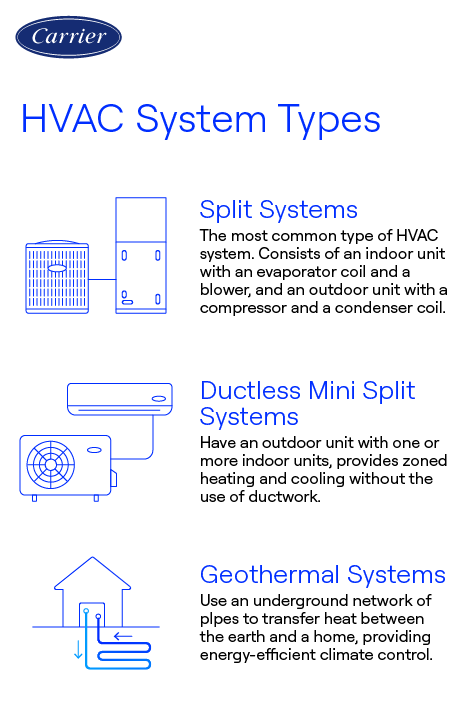
Most homes use one of these popular HVAC types. They vary in design, efficiency, and installation style. Here is a quick guide to the main types you might see.
Central Air Conditioning
Central air conditioning uses ducts to cool your entire home. A large outdoor unit pumps cool air through vents inside. It works best in homes with existing ductwork. This system also helps with heating, usually paired with a furnace.
Ductless Mini-split
Ductless mini-splits cool or heat individual rooms without ducts. They have an outdoor compressor and one or more indoor air handlers. This system suits homes without ductwork or for zone control. It offers energy savings and easy installation.
Heat Pumps
Heat pumps provide both heating and cooling by moving air. They are energy efficient and work well in mild climates. Heat pumps can be air-source or ground-source (geothermal). They reduce the need for separate heating units.
Furnaces
Furnaces heat air and distribute it through ducts. They often use gas, electricity, or oil as fuel. Furnaces are common in colder climates for quick, reliable heat. Some systems combine a furnace with central air conditioning.
Boilers
Boilers heat water to provide warmth through radiators or underfloor pipes. They use gas, oil, or electricity to heat the water. Boilers are quieter and can create a cozy, even heat. They do not cool the home, so a separate system is needed for that.

Credit: www.reddit.com
Check Your Thermostat
Checking your thermostat is a simple yet powerful way to identify the type of HVAC system you have. Your thermostat holds clues about how your system operates, and understanding its features can save you time and money. Let’s look closer at what your thermostat reveals.
Thermostat Settings And Controls
Take a moment to examine the buttons and options on your thermostat. Does it have settings like “Heat,” “Cool,” “Auto,” or “Fan”? These labels indicate whether your system can both heat and cool or if it’s limited to one function.
Look for fan controls such as “On” and “Auto.” “Auto” means the fan runs only when heating or cooling, while “On” keeps the fan running continuously. This detail helps you understand if your system uses a central air handler.
Also, check if your thermostat shows temperature in Fahrenheit or Celsius and if it allows you to set different temperatures for various times of the day. Programmable options often suggest a more advanced HVAC system.
Smart Vs. Manual Thermostats
Is your thermostat a touchscreen or a basic dial? Smart thermostats connect to Wi-Fi, enabling you to control your HVAC remotely through an app. This feature signals a modern system designed for efficiency and convenience.
Manual thermostats, on the other hand, require you to adjust settings physically. They often indicate older or simpler HVAC setups. However, don’t underestimate them—they still provide reliable control.
Have you noticed your thermostat learning your schedule or adjusting temperatures automatically? This is a hallmark of smart thermostats, which can lead to energy savings without extra effort. If you don’t have these features, it might be time to consider an upgrade.
Inspect Your Indoor Unit
Inspecting your indoor HVAC unit is key to identifying what type of system you have. This step helps you understand how your home heats or cools itself. You’ll also know what kind of maintenance or upgrades might be necessary.
Air Handler Characteristics
The air handler is usually a large metal box located inside your home, often in a closet, basement, or attic. It contains a blower fan that moves air through your ductwork.
If you see a component with an electric heating element or connected to a heat pump, you likely have an air handler system. These units don’t produce heat themselves but circulate air heated or cooled by another part of your HVAC system.
Notice the presence of filters, electrical wiring, and copper refrigerant lines—these are common in air handlers. Have you checked if your air handler sounds like a fan running continuously? That’s a clear sign it’s doing its job.
Signs Of A Furnace
A furnace usually looks like a metal box as well but operates differently than an air handler. It burns fuel such as natural gas, propane, or oil to create heat.
Look for a pilot light or electronic ignition system—these indicate a furnace. You might also find a flue pipe venting exhaust gases outside your home, which is another giveaway.
If your indoor unit has a thermostat wire and a blower motor but no refrigerant lines, you probably have a furnace. Do you notice a warm air vent blowing hot air during winter? That’s your furnace at work.
Boiler Features
Boilers heat water rather than air. They are typically found in basements and are connected to radiators or underfloor heating pipes.
A boiler system will have pipes carrying hot water or steam instead of ductwork for air distribution. You may see a pressure gauge and a water tank nearby as part of the setup.
If you hear a low rumbling or hissing noise and feel warmth from pipes instead of vents, your home probably uses a boiler. Have you noticed that your rooms warm up evenly without the sound of forced air? That’s the hallmark of a boiler system.
Look At Your Outdoor Unit
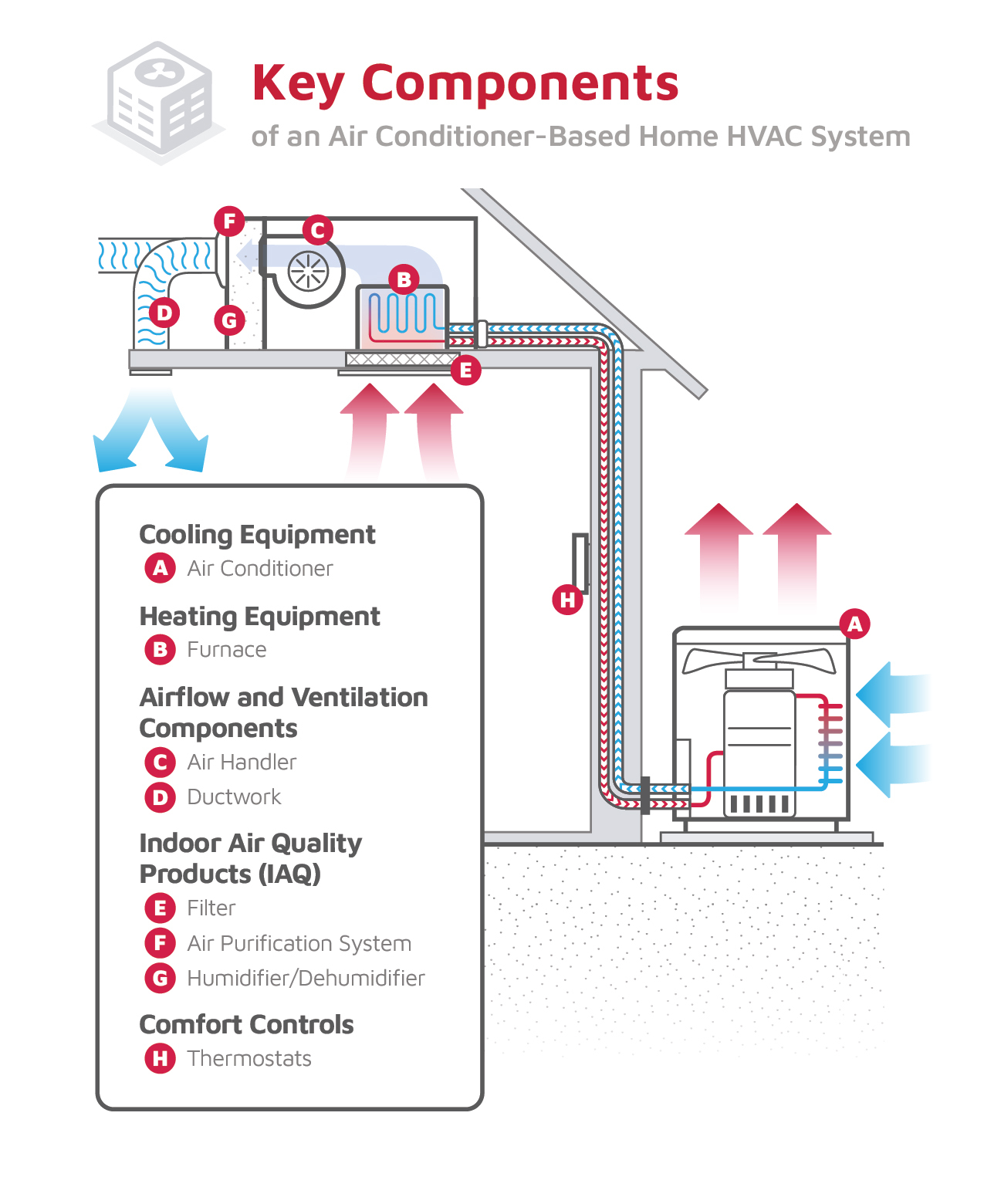
The outdoor unit of your HVAC system holds key clues about its type and function. This unit is usually placed outside your home and works with the indoor components to heat or cool your space. By examining its features, you can better understand what kind of system you have.
Look closely at the shape, size, and labels on the outdoor unit. These details help identify whether it is a condenser, a heat pump, or another type. Recognizing these parts saves time and guides proper maintenance or repair decisions.
Identifying Condenser Units
Condenser units are common in central air conditioning systems. They usually have a large fan on top to push air through the coils. The unit looks like a metal box with vents on the sides.
- Often placed on a concrete pad or stand.
- Contains copper or aluminum coils inside.
- Has a label indicating it is a condenser or AC unit.
This unit only cools air by releasing heat outside your home. It does not provide heating on its own.
Heat Pump Indicators
Heat pumps look similar to condenser units but serve dual purposes. They can cool your home in summer and heat it in winter. Check for a switch or label that says “heat pump” or “reversing valve.”
- May have additional piping for heating mode.
- Often includes a defrost control board.
- Works by moving heat in or out depending on the season.
Heat pumps are energy efficient and offer year-round comfort.
Compressor Type
The compressor is a key part inside the outdoor unit. It compresses refrigerant and powers the cooling or heating process. There are different types of compressors:
| Type | Description | Common Use |
|---|---|---|
| Reciprocating | Uses pistons to compress refrigerant. | Older or smaller HVAC systems. |
| Scroll | Uses two spiral-shaped scrolls for compression. | Modern, energy-efficient systems. |
| Screw | Uses two interlocking screws to compress. | Large commercial systems. |
Identifying the compressor type helps understand your system’s efficiency and repair needs.
Examine Your Ductwork
Check your home’s ductwork to identify the type of HVAC system. Ducts often indicate a forced-air system. Sealed, insulated ducts usually mean central heating and cooling.
Examine your ductwork to identify your HVAC system. This step is crucial in understanding your system’s design. It helps determine if you have a ducted or ductless setup. Knowing this can guide maintenance and efficiency improvements.Ducted Vs. Ductless Systems
Ducted systems use large metal pipes to move air. These pipes are hidden in walls or ceilings. They connect to a central unit. Ductless systems, known as mini-splits, have no ducts. They use individual units in each room. Each unit connects to an outdoor compressor.Locating Air Vents And Returns
Air vents and returns are essential in ducted systems. Vents blow air into rooms. Returns pull air back to the system. Locate them by checking walls, floors, and ceilings. They are usually metal grates. Ductless systems have no vents or returns. Instead, they have wall-mounted units. These units are visible and easy to identify.Check For Additional Components
Checking for additional components helps you understand your HVAC system better. These parts often work with your main system. They improve air quality, comfort, and control. Spotting these extras can tell you more about your setup and how it functions.
Humidifiers And Dehumidifiers
Humidifiers add moisture to dry air. They are useful in winter or dry climates. Dehumidifiers remove excess moisture to prevent mold and dampness. Look near your HVAC unit or air ducts for these devices. They usually connect to the main system and help keep indoor air balanced.
Air Purifiers
Air purifiers clean the air by removing dust, pollen, and smoke. Some units attach directly to your HVAC system. Others stand alone in rooms. Check for extra filters or special boxes inside your air ducts. These devices improve air quality and help allergy sufferers breathe easier.
Zoning Systems
Zoning systems divide your home into sections or zones. Each zone has its own thermostat and control. Look for multiple thermostats around your house. Also, check near the HVAC unit for motorized dampers in the ductwork. Zoning lets you control temperature in different rooms independently, saving energy and boosting comfort.
Read Manufacturer Labels And Manuals
Reading the manufacturer labels and manuals is a key step to identify your HVAC system type. These documents hold important details about the make and model. They also explain the system’s features and specifications. Understanding these details helps you know exactly what system you have. It also assists in maintenance and repairs.
Labels often contain codes and numbers that reveal your system’s information. Manuals usually provide diagrams and instructions that clarify the system’s functions. Keep these papers safe or take photos for easy access.
Finding Model Numbers
Look for a metal or sticker label on your HVAC unit. Common places include the sides or back of the outdoor condenser and inside the air handler. The label shows a model number, serial number, and manufacturer name.
- Model numbers include letters and numbers.
- Serial numbers often reveal the production date.
- Manufacturer name confirms the brand of your system.
Write down these numbers for future reference. They help you search for parts or customer support.
Using Online Resources
Use the model number to learn more about your HVAC system online. Manufacturer websites often have manuals and product details available for download.
- Enter the model number in the search bar.
- Download manuals or specification sheets.
- Watch videos or read FAQs specific to your model.
These resources help you understand your system’s functions and troubleshooting tips. They also guide you on how to operate or maintain your unit safely.
Credit: www.lennox.com
When To Call A Professional
Identifying your HVAC system type can be tricky without experience. Calling a professional helps ensure proper diagnosis and safe handling of complex units. Trust experts to avoid damage and save time.
Owning an HVAC system can feel like a responsibility at times. While basic maintenance tasks can often be handled by yourself, there are moments when it’s crucial to call in a professional. Recognizing the signs that you need expert help is key to ensuring your system operates efficiently and safely.Signs You Need Expert Help
Certain signs indicate that your HVAC system needs a professional’s touch. If you notice uneven heating or cooling throughout your home, it may suggest an issue with your system’s balance. Unusual noises, such as banging or screeching, can be alarming and often point to mechanical problems that need immediate attention. A sudden spike in your energy bills without a change in usage habits is another red flag. This could mean your system is working harder than necessary, possibly due to a malfunction.Preparing For A Technician Visit
Once you’ve decided to call a professional, a little preparation can go a long way. Ensure the area around your HVAC unit is clean and accessible for the technician. This not only speeds up the process but also allows the expert to inspect the unit thoroughly. Gather any warranties, manuals, or past repair records you might have. These documents provide valuable insights into your system’s history and may help in diagnosing the problem faster. Consider writing down any specific issues or irregularities you’ve noticed. This will help the technician understand what you’ve been experiencing and can often lead to quicker solutions. Have you been ignoring any of these signs? It’s easy to overlook them, but addressing issues early can save time and money in the long run. Plus, it ensures your home remains comfortable and safe year-round.Frequently Asked Questions
How Can I Identify My Hvac System Type?
Check your thermostat and outdoor unit for model details. Look for labels indicating furnace, heat pump, or central air. Examine ductwork and vents for clues. This helps determine if you have a split system, packaged unit, or ductless setup.
What Are Common Hvac System Types In Homes?
Typical systems include split systems, heat pumps, packaged units, and ductless mini-splits. Each offers different heating and cooling methods. Knowing your system type helps with maintenance, repairs, and upgrades.
How Do I Find Hvac System Model And Brand?
Locate the nameplate on your indoor or outdoor unit. It displays the brand, model number, and specifications. Use this info to research your system and find compatible parts or manuals.
Can I Identify My Hvac System By Airflow Pattern?
Yes, airflow direction helps identify system type. Warm air from vents indicates heating mode; cool air signals cooling. Heat pumps reverse airflow seasonally, unlike traditional furnaces or air conditioners.
Conclusion
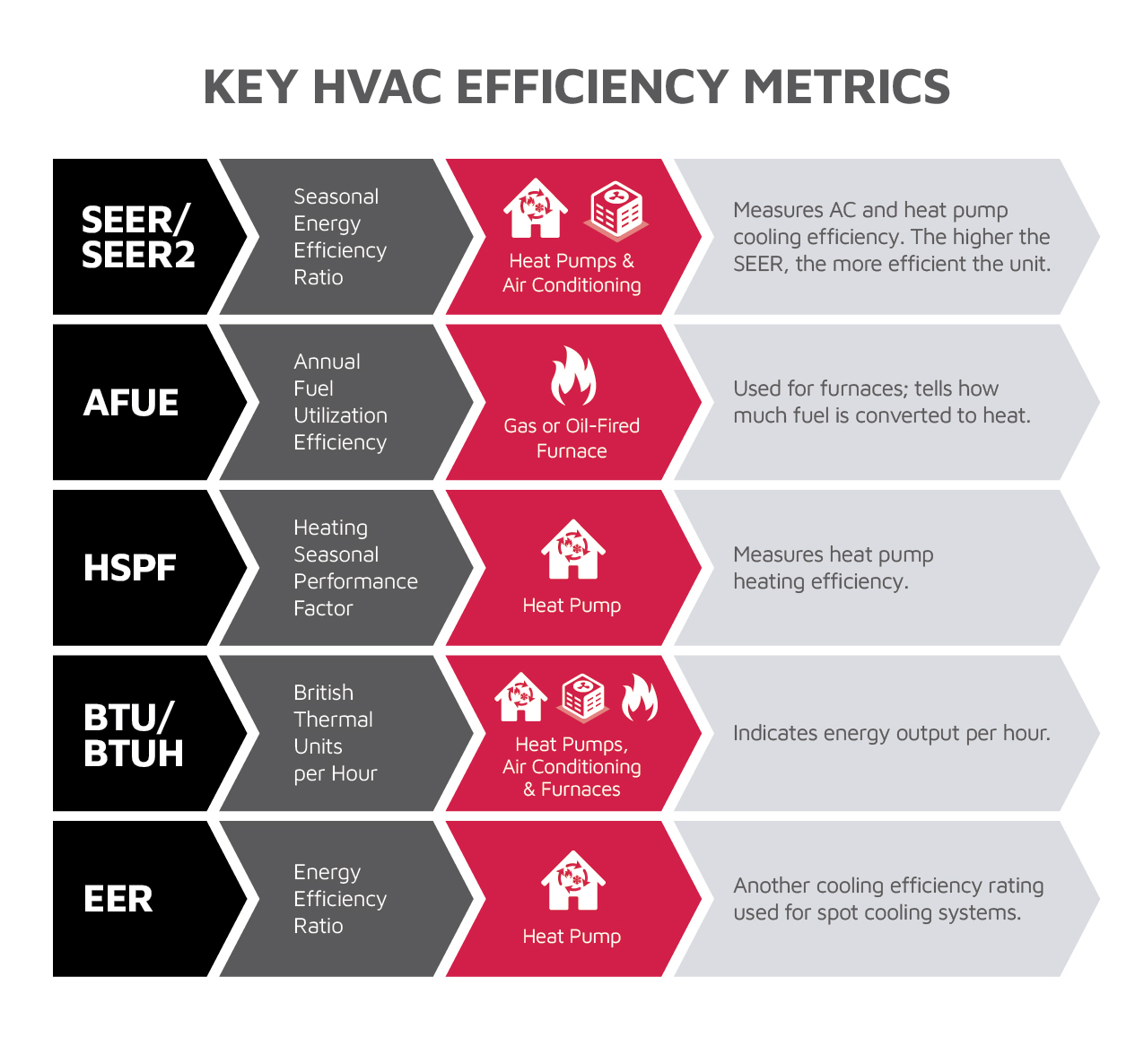
Knowing your HVAC system helps you keep your home comfortable. It makes repairs and maintenance easier. You can also save energy and money by understanding how it works. Check your system’s parts and labels to identify its type. Don’t hesitate to ask a professional if you need help.
Taking care of your HVAC system keeps it running longer. Stay warm in winter and cool in summer with the right knowledge. Simple steps lead to better comfort every day.



