
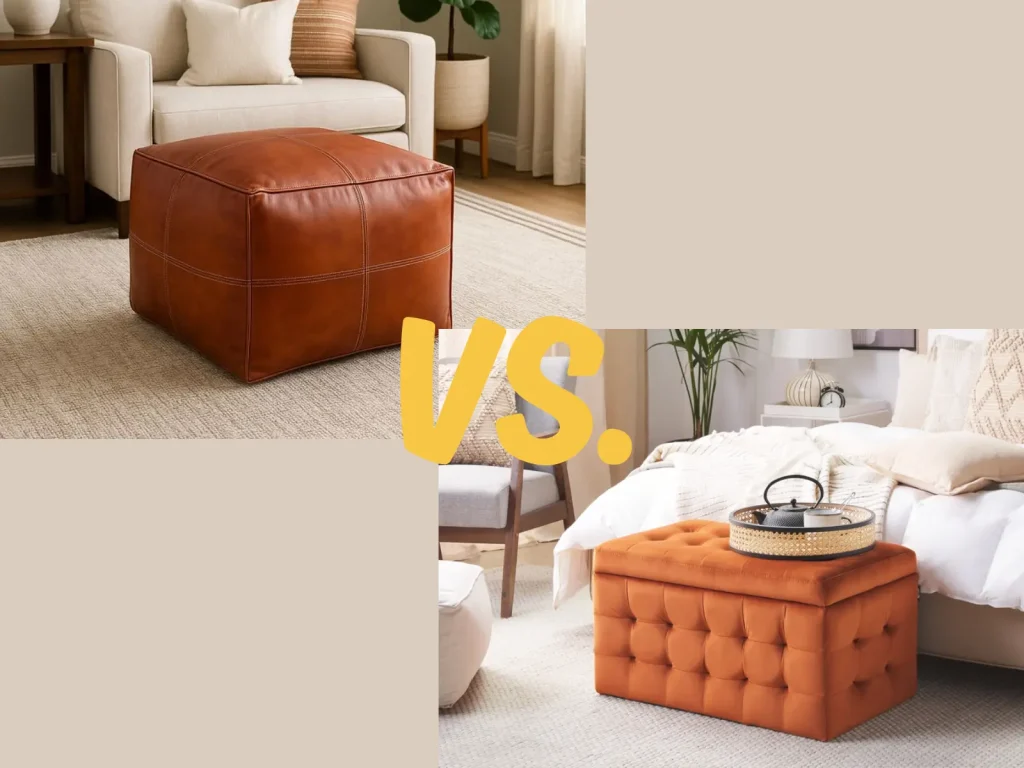
Are you wondering what makes an ottoman different from a pouf? You’re not alone.
These two pieces of furniture might look alike, but they each bring something unique to your space. Knowing the difference can help you choose the perfect addition for your room, whether you want extra seating, storage, or just a stylish touch.
Keep reading to discover how an ottoman and a pouf can change the way you use your living area—and which one fits your style and needs best.
Ottoman Basics
Understanding the basics of an ottoman can help you decide if it’s the right addition to your living space. Ottomans blend style and function in ways that might surprise you. Let’s look closely at their origins, designs, and main uses to get a clear picture.
Origins And History
The ottoman dates back to the Ottoman Empire in the 18th century. Originally, it was a low, cushioned seat without a back or arms, designed for comfort and relaxation. Over time, the design traveled to Europe, evolving into a versatile piece of furniture.
Did you know ottomans were once symbols of luxury and status? Today, they’re accessible and practical for everyday use in homes worldwide.
Common Designs
Ottomans come in many shapes and sizes, but they typically share a few key features:
- Upholstered topsthat provide comfortable seating or a soft surface.
- Sturdy framesmade from wood or metal for durability.
- Storage spacehidden inside some models, perfect for decluttering.
Square, round, and rectangular ottomans are all popular, giving you options to fit your room’s layout and style.
Primary Uses
What can you do with an ottoman? The answer might be more than you expect.
- Extra seating:When guests come over, an ottoman offers a cozy spot to sit without crowding your sofa.
- Footrest:After a long day, kick back and rest your feet on a soft ottoman.
- Storage:Many ottomans open up to store blankets, magazines, or toys, keeping your space tidy.
- Table substitute:Use a tray on top, and your ottoman becomes a coffee table for drinks and snacks.
Think about your daily routine. How could an ottoman simplify or enhance your living area?
Credit: www.wayfair.ca
Pouf Essentials
Poufs are more than just simple seating options; they carry a rich history and versatile design that can elevate your living space. Understanding the essentials of poufs helps you decide how to best use them in your home. Let’s break down what makes poufs unique and practical.
Historical Background
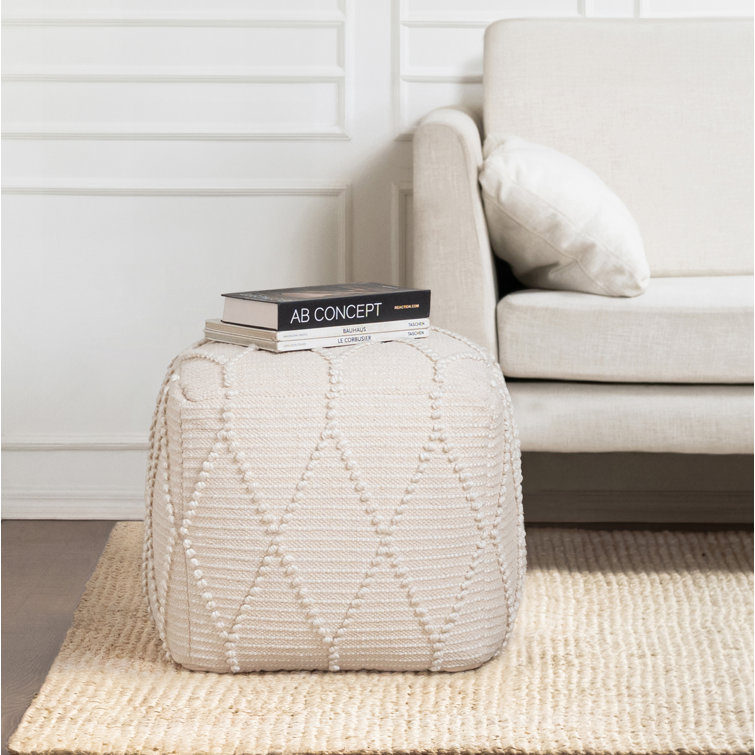
Poufs originated centuries ago, with roots tracing back to North Africa and the Middle East. Traditionally, they were handcrafted from leather or fabric and filled with materials like feathers or wool. These early poufs served as portable seating or footrests, reflecting local culture and craftsmanship.
Over time, poufs spread worldwide, adapting to different styles and uses. Knowing their background can help you appreciate their blend of function and art in your home.
Popular Styles
Today, poufs come in a variety of styles to fit any decor. You’ll find:
- Knitted poufs:Soft, cozy, and perfect for casual spaces.
- Leather poufs:Sleek and durable, adding a touch of sophistication.
- Embroidered poufs:Decorative with cultural patterns that stand out.
- Bohemian poufs:Colorful and eclectic, ideal for vibrant rooms.
Choosing the right style depends on your space’s vibe and how much wear and tear you expect.
Typical Functions
What can you actually do with a pouf? Quite a bit. They serve as:
- Extra seating:Great for guests when you need flexible seating options.
- Footrests:Perfect for kicking back after a long day.
- Side tables:Place a tray on top, and you’ve got a handy surface.
- Decor accents:Add texture, color, and personality to any room.
Have you tried swapping your traditional ottoman with a pouf to see how it changes your room’s energy?
Material And Construction
Understanding the materials and construction of an ottoman and a pouf is key. These aspects greatly influence their functionality and appearance. Each type has unique characteristics that cater to different needs and preferences.
Ottoman Materials
Ottomans often use sturdy materials like wood or metal for the frame. The coverings can range from leather to fabric. Leather gives a classic, luxurious look. Fabric offers a wide variety of colors and patterns. Some ottomans feature soft padding for extra comfort. Others might have storage space inside, requiring a solid structure.
Pouf Materials
Poufs are usually made from softer materials like cotton or wool. They are often filled with beans, foam, or fiber. This makes them lightweight and easy to move. The outer fabric may include intricate designs or vibrant colors. Handmade poufs often showcase unique craftsmanship. They add a decorative touch to any room.
Durability Comparison
Ottomans generally last longer due to their robust construction. They withstand frequent use and heavy weight. Leather-covered ottomans are particularly durable and easy to clean. Poufs, though comfortable, may wear out faster. Their softer materials can show signs of wear over time. Choosing quality materials extends their lifespan significantly.
Size And Shape Differences
Size and shape are key factors that set ottomans and poufs apart. Understanding these differences helps you choose the right piece for your space and style. Let’s break down how their dimensions and forms vary and why it matters to your home setup.
Standard Ottoman Dimensions
Ottomans tend to have a more structured size, often designed to complement sofas or chairs. A typical ottoman measures around 18 to 20 inches in height, which matches the seat height of most furniture, making it easy to use as a footrest or extra seating.
The width and length vary but usually fall between 24 to 36 inches, offering enough surface area for trays, books, or even a small snack setup. This size makes ottomans versatile for both functional and decorative purposes.
Typical Pouf Sizes
Poufs are usually smaller and more compact, often ranging from 12 to 18 inches in height. Their diameter or width tends to be about 18 to 24 inches, which makes them easy to move around and perfect for casual seating or footrests.
Because of their smaller size, poufs fit well in tight spaces or as accent pieces. If you want something lightweight to shift from room to room, a pouf might be your best pick.
Shape Variations
Ottomans generally come in rectangular or square shapes, aligning with traditional furniture designs. Their structured form supports dual functions like seating and table use without losing stability.
Poufs embrace more variety in shape, including round, cube, and even barrel styles. This diversity adds playful or cozy vibes to your room and lets you experiment with different textures and colors.
Have you noticed how the shape of a pouf invites you to relax in a different way than an ottoman does? Consider how these shapes might influence the flow and feel of your living space.
Functionality And Use Cases
Understanding the functionality and use cases of ottomans and poufs helps in choosing the right piece for your space. Both serve multiple purposes but differ in key areas. Knowing these differences can improve your room’s look and feel.
Storage Options
Ottomans often come with built-in storage. You can lift the top to keep items inside. This feature is useful for storing blankets, magazines, or toys. Poufs rarely offer storage. They are usually solid and lightweight, making them easy to move but less functional for keeping things hidden.
Seating Comfort
Ottomans tend to be firmer and larger. They provide better support for sitting or resting feet. Poufs are softer and smaller, offering casual seating. They fit well in relaxed settings or as extra spots for guests. Both can serve as footrests, but ottomans give a sturdier feel.
Decorative Roles
Poufs add color and texture to a room. They come in various shapes and fabrics, making them versatile decor pieces. Ottomans have a more structured look and can match sofas or chairs. They often blend with formal or traditional styles. Each enhances room style differently.

Credit: georgeconstructions.com
Styling Tips
Styling your space with ottomans and poufs can transform the look and feel of any room. Both pieces offer versatility, but knowing how to style each effectively can elevate your decor. Let’s dive into practical tips that help you use these seating options to their fullest potential.
Matching Ottomans With Furniture
Ottomans often work best when they complement your existing furniture. Try matching the ottoman’s fabric or color with your sofa or armchairs to create a unified look. Leather ottomans pair beautifully with wooden furniture, adding a classic touch without overwhelming the room.
Think about scale, too. A large, plush ottoman fits well with a big sectional, while a smaller ottoman suits a compact sofa. Have you ever noticed how a well-matched ottoman can make your living room feel more intentional and cohesive?
Incorporating Poufs Into Decor
Poufs bring a casual, cozy vibe and can add pops of color or interesting textures to your space. Use them as extra seating, footrests, or even side tables with a tray on top. Because poufs are lightweight, you can move them around easily—perfect for flexible living areas.
Consider mixing materials like knitted cotton, leather, or jute to add depth to your room. Have you thought about how a bright pouf might brighten a neutral-toned room or how a patterned pouf can become a conversation starter?
Mixing Both In A Room
Combining ottomans and poufs creates a dynamic and layered look. Place a sturdy ottoman near your sofa for functional seating or a coffee table substitute, then scatter a few poufs around for casual spots to sit or rest your feet. This balance offers both structure and comfort.
Don’t be afraid to play with color contrasts and textures between the two. Could mixing a leather ottoman with fabric poufs add unexpected charm? Experimenting with both lets you personalize your space while keeping it practical.
Price And Availability
Price and availability often guide the choice between an ottoman and a pouf. Both offer stylish comfort but differ in cost and where you can find them. Understanding these differences helps you pick the best option for your space and budget.
Cost Range For Ottomans
Ottomans usually cost more than poufs. Prices start around $50 for simple designs. High-end models with storage or leather covers can reach $300 or more. Custom or designer ottomans may cost even higher.
Materials and size affect the price. Wood frames and premium fabrics add to the cost. Smaller ottomans tend to be less expensive.
Pouf Price Points
Poufs are generally more affordable. You can find basic poufs for $20 to $60. Handmade or decorative poufs may cost between $70 and $150. Their simple construction keeps prices low.
Many poufs use soft fabrics or knitted materials. This choice often reduces production costs. Poufs are great for budget-conscious buyers.
Where To Buy
- Furniture stores carry a wide variety of ottomans and poufs.
- Online retailers offer competitive prices and delivery options.
- Home decor shops focus on stylish poufs with unique designs.
- Second-hand stores or marketplaces can have affordable, used options.
- Handmade poufs may be found on craft-focused platforms.
Maintenance And Care
Maintenance and care play a key role in keeping ottomans and poufs looking fresh and lasting longer. Both pieces need gentle handling and regular cleaning. Their materials and design affect how you maintain them. Proper care keeps the fabric vibrant and the structure intact.
Cleaning Ottomans
Ottomans often have fabric or leather covers that need specific care. Use a soft brush or vacuum to remove dust. Spot clean stains with a damp cloth and mild soap. Avoid soaking the fabric to prevent damage. For leather, use a leather cleaner and conditioner to keep it soft.
Pouf Upkeep
Poufs are usually lightweight and made from knitted or woven fabric. Shake them outside to remove dust. Use a lint roller to pick up hair or small debris. Spot clean with a gentle detergent. Avoid harsh scrubbing to keep the fabric from stretching or tearing.
Longevity Tips
- Keep furniture away from direct sunlight to avoid fading.
- Rotate ottomans and poufs to ensure even wear.
- Use coasters or trays to protect surfaces from spills.
- Fix small tears or loose threads early to stop damage.
- Avoid placing heavy objects on poufs to keep their shape.

Credit: georgeconstructions.com
Frequently Asked Questions
What Is The Main Difference Between An Ottoman And A Pouf?
An ottoman often has a wooden frame and storage inside. A pouf is usually soft, stuffed, and frame-free. Ottomans serve as seats, footrests, or storage. Poufs mainly function as casual footrests or decorative pieces.
Can Ottomans And Poufs Be Used Interchangeably?
They can be used similarly as footrests or extra seating. However, ottomans offer more structure and storage options. Poufs add a casual, cozy touch but lack storage. Choose based on your functional needs and style preference.
Are Ottomans More Durable Than Poufs?
Generally, ottomans are more durable due to their solid frames. Poufs are softer and may wear out faster. Durability depends on materials and construction quality. Ottomans suit heavy use, while poufs fit lighter, decorative purposes.
Do Ottomans Provide Storage Space?
Yes, many ottomans have hollow interiors for storing items. This feature adds functionality in small spaces. Poufs usually do not offer storage as they are filled with soft material. Storage ottomans help keep living areas tidy.
Conclusion
Ottomans and poufs serve different but useful roles in any room. Ottomans often have storage and a sturdy shape. Poufs offer soft seating with a lightweight feel. Both add comfort and style to your space. Choosing depends on your needs and room size.
Now, you can pick the right one with confidence. Simple choices make your home cozy and practical.



