
Looking to turn your favorite artwork into stunning prints? You want your art to look sharp, vibrant, and true to your vision.
But where do you get art prints made that meet all these expectations without breaking the bank? Whether you’re an artist, a collector, or just someone who loves decorating with unique pieces, finding the right place to print your art is key.
In this guide, you’ll discover the best options to get high-quality art prints made quickly and easily. Keep reading to find the perfect solution for your printing needs!
Best Online Print Services
Art prints can elevate any space with their beauty and creativity. Finding the right service to print your art can be challenging. The digital world offers many platforms to make this task easier. Here, we’ll explore the best online print services that artists and art lovers can trust.
Top Platforms For Artists
Many platforms cater to artists seeking to print and sell their work. Some of the top choices include:
- Society6: Known for its wide artist community and unique designs.
- Redbubble: Offers a variety of print options and great artist support.
- Etsy: A marketplace for handmade and custom art prints.
- Fine Art America: Focuses on high-quality art prints and framing.
Custom Options And Pricing
Customization is key for artists wanting unique prints. Many platforms provide options such as:
- Size Choices: Ranging from small prints to large posters.
- Material Selection: Canvas, paper, or metal prints are available.
- Framing Options: Various styles to match different tastes.
- Pricing Structures: Based on print size, material, and framing.
Prices vary depending on the service and options chosen.
Quality And Material Choices
Quality is crucial in art printing. Many services use high-grade materials to ensure durability.
- Paper Quality: Acid-free, archival paper for lasting prints.
- Canvas Options: Sturdy and resistant to fading.
- Ink Quality: Fade-resistant inks for vibrant colors.
- Metal Prints: Offer a modern look and long-lasting finish.
Choosing the right material enhances the artwork’s overall impact.
Local Print Shops
Local print shops offer a hands-on way to create art prints. They provide a personal touch you cannot get online. Visiting a shop allows you to see paper types and print quality firsthand. It also gives you a chance to ask questions and get advice from experts. Local shops often handle custom jobs with care and attention.
Benefits Of In-person Consultation
Meeting face-to-face helps clarify your print needs. You can discuss colors, sizes, and finishes directly. Staff can show you sample prints and materials. This reduces surprises and ensures your art looks its best. Quick adjustments become easier when you explain your vision in person.
Finding Trusted Local Printers
Start by asking friends or artists for recommendations. Check online reviews to learn about shop reliability. Visit a few shops to compare services and prices. Look for clean, organized spaces with quality equipment. A trusted printer values your art and treats it carefully.
Supporting Small Businesses
Choosing local print shops helps your community grow. Small businesses create jobs and keep money close to home. They often use eco-friendly methods and materials. Supporting them encourages creativity and personal service. Your print project gets more than just a job—it gets respect.
Specialty Art Print Studios
Specialty art print studios offer expert services for creating high-quality art prints. These studios focus on techniques that preserve the original artwork’s details and colors. Artists and collectors trust these studios to produce prints that last and look professional.
These studios use advanced printing methods and materials designed for art preservation. They often provide custom options tailored to each artist’s needs. This makes them ideal for artists who want to sell prints or display their work in galleries.
Giclée Printing Advantages
Giclée printing uses inkjet technology to create detailed art prints. It produces sharp images with vibrant colors. This method prints in high resolution, capturing fine details and gradients.
Giclée prints dry quickly and resist fading. They work well on various paper types and canvas. This printing style is popular among artists for its quality and durability.
Archival Materials Used
Specialty studios use acid-free papers and fade-resistant inks. These materials protect prints from yellowing and color loss. Archival quality ensures prints last for decades without damage.
Studios may offer cotton rag paper or fine art canvas. These surfaces enhance texture and color depth. Using archival materials adds value and longevity to prints.
Ideal For Limited Editions
Specialty studios are perfect for limited edition prints. They can number and sign each print with precision. This practice increases the print’s exclusivity and value.
Limited editions require careful handling and quality checks. Studios manage the process to maintain consistent print quality. Artists benefit from professional production and presentation.
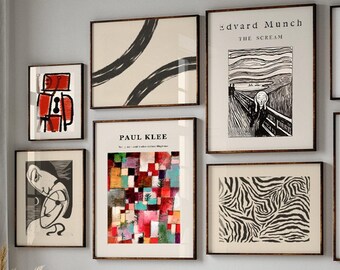
Credit: www.etsy.com
Diy Printing At Home
Printing art prints at home lets you control every detail of the final product. You get to choose materials, colors, and styles that reflect your personal taste. Plus, it’s a satisfying way to bring your artwork to life without waiting for shipping or paying high fees.
Choosing The Right Printer
Not all printers deliver the quality needed for art prints. Look for inkjet printers with high resolution, as they handle colors and gradients better than laser printers.
Brands like Epson and Canon offer models specifically designed for photo and art printing. Think about your budget but don’t sacrifice print quality if you want vibrant and sharp results. Also, check if the printer supports wide-format printing if you plan on larger sizes.
Selecting Paper And Inks
The paper you choose impacts the look and feel of your art print more than you might expect. Matte papers absorb ink differently than glossy ones, affecting color vibrancy and texture.
Try heavyweight papers designed for fine art or photo printing. These often have coatings that enhance color depth and prevent fading. For inks, use original manufacturer cartridges to avoid color mismatches and ensure longevity.
Tips For Best Results
- Calibrate your monitor and printer for consistent colors between screen and print.
- Print test swatches to check color accuracy before the full print.
- Use the printer’s highest quality setting, even if it takes longer.
- Handle prints carefully after printing; let ink dry fully to prevent smudges.
- Store your prints flat and away from direct sunlight to maintain their quality.
Have you experimented with printing your art at home before? What challenges did you face, and how did you solve them? Sharing your experiences can help others avoid common pitfalls and create stunning prints with confidence.
Comparing Print Qualities
Choosing the right place to get art prints made depends heavily on print quality. Quality affects how your artwork looks and lasts. Different print services offer various standards in resolution, color, durability, and cost. Understanding these factors helps pick the best option for your needs.
Resolution And Color Accuracy
Resolution defines the sharpness of your print. Higher resolution means more detail and clarity. Look for prints with at least 300 DPI (dots per inch) for clear images.
Color accuracy ensures the print matches the original artwork. Some printers use advanced color profiles for true-to-life colors. This is important for artwork with subtle shades and tones.
Durability And Finish Types
Durability depends on the paper and ink used. Archival inks and acid-free paper protect prints from fading and yellowing.
Finish types affect the look and feel of prints:
- Glossy:Bright colors, shiny surface, but can reflect light.
- Matte:No shine, soft look, less glare.
- Satin/Semi-gloss:Balance between glossy and matte.
- Canvas:Textured, artistic feel, often stretched on frames.
Cost Vs. Quality Considerations
Higher quality prints usually cost more. Budget printers may use cheaper materials and inks.
Think about the purpose of your print. For personal use, a budget option might be fine. For gallery displays, invest in higher quality.
Compare prices alongside print samples. This helps assess if the cost matches the quality offered.
Credit: www.whcc.com
Shipping And Packaging
Shipping and packaging are crucial when getting art prints made. How your prints arrive can affect their condition and your reputation as an artist or seller. Paying attention to these details ensures your work reaches its destination in perfect shape.
Ensuring Safe Delivery
Protecting your art prints during transit means choosing the right packaging materials. Use sturdy cardboard tubes for rolled prints or rigid mailers for flat ones. Adding a layer of glassine or acid-free tissue paper helps prevent smudges and scratches.
Don’t forget to cushion the prints with bubble wrap or foam inserts, especially if shipping in boxes. Label your package as “Fragile” to alert handlers. Have you ever received a print that was bent or damaged? Proper packaging can avoid this disappointment.
Eco-friendly Packaging Options
More artists and customers care about the environment, so consider sustainable packaging choices. Recycled cardboard tubes and biodegradable mailers reduce waste without compromising protection. You can also use paper-based tape instead of plastic.
Many print services now offer eco-friendly packaging by default—ask about it before ordering. Using packaging that can be reused or recycled shows your commitment to sustainability and can even attract eco-conscious buyers.
International Shipping Tips
Shipping art prints internationally requires extra care and planning. Check customs regulations for your destination country to avoid delays or extra fees. Include detailed and accurate descriptions on customs forms to speed up processing.
Choose reliable carriers with tracking options to monitor your shipment. Consider delivery times and potential weather impacts. Have you planned for return shipping or insurance in case the prints get lost or damaged abroad?
Customer Reviews And Testimonials
Customer reviews and testimonials offer real insights into art print services. They reveal quality, delivery speed, and customer support. Reading honest feedback helps avoid surprises and bad experiences. Genuine reviews show how a provider handles problems and meets expectations.
Finding Reliable Feedback
Look for reviews on multiple platforms. Trusted sites include Google, Yelp, and social media pages. Pay attention to detailed comments, not just star ratings. Long reviews often share useful information about print quality and service. Watch for repeated praise or complaints about the same issue. Avoid reviews that sound fake or overly vague.
Common Issues And Solutions
- Color accuracy problems – ask about proofing options before printing.
- Delayed delivery – check shipping policies and estimated times.
- Print damage – confirm packaging methods and return policies.
- Wrong sizes – verify measurements and customization capabilities.
- Customer service delays – test communication speed with a small inquiry.
Most providers solve these issues with clear policies and quick responses. Reading reviews helps spot if problems repeat often.
Building Trust With Providers
Trust grows from consistent positive feedback over time. Providers with many happy customers show reliability. Look for businesses that share testimonials on their websites. Transparent communication and clear terms build confidence. Some companies offer samples or money-back guarantees. These steps prove they stand behind their work.

Credit: www.amazon.com
Frequently Asked Questions
Where Can I Get High-quality Art Prints Made?
You can get high-quality art prints at professional print shops, online printing services, or specialty art print stores. Look for services offering fine art paper and color accuracy to ensure the best results for your artwork.
What Is The Best Paper For Art Prints?
The best paper for art prints is usually archival-quality, acid-free, matte or glossy fine art paper. This type of paper preserves colors and prevents fading over time, ensuring your prints remain vibrant and durable.
How Much Does It Cost To Print Art Prints?
Art print costs vary depending on size, paper quality, and print quantity. Small prints may cost $10-$30 each, while larger or limited edition prints can be pricier. Bulk orders usually offer discounts per print.
Can I Print Art Prints From Home?
Yes, you can print art prints at home if you have a high-quality inkjet printer and suitable fine art paper. However, professional printing services often provide better color accuracy and longevity.
Conclusion
Choosing where to get art prints made depends on your needs and budget. Local print shops offer quick service and personal help. Online services provide many options and easy ordering. Consider print quality, paper type, and price before deciding. Take time to compare different places carefully.
The right choice will make your art look its best. Enjoy creating prints that brighten your space or gift loved ones. Simple steps lead to beautiful results.



