
Are you wondering how to keep your home warm and comfortable during chilly months without bulky heaters? Understanding what central air heating is can change the way you experience indoor warmth.
This system isn’t just about heat—it’s about creating a cozy environment effortlessly, saving you space and energy. By the end of this article, you’ll know exactly how central air heating works and why it might be the perfect solution for your home.
Ready to discover how to stay warm smarter? Let’s dive in.
Credit: www.carrier.com
Central Air Heating Basics
Understanding the basics of central air heating can help you make smarter choices for your home’s comfort. This system not only warms your entire house evenly but also operates efficiently to keep energy costs down. Let’s break down how it works, what parts make it tick, and the types available to suit different needs.
How Central Air Heating Works
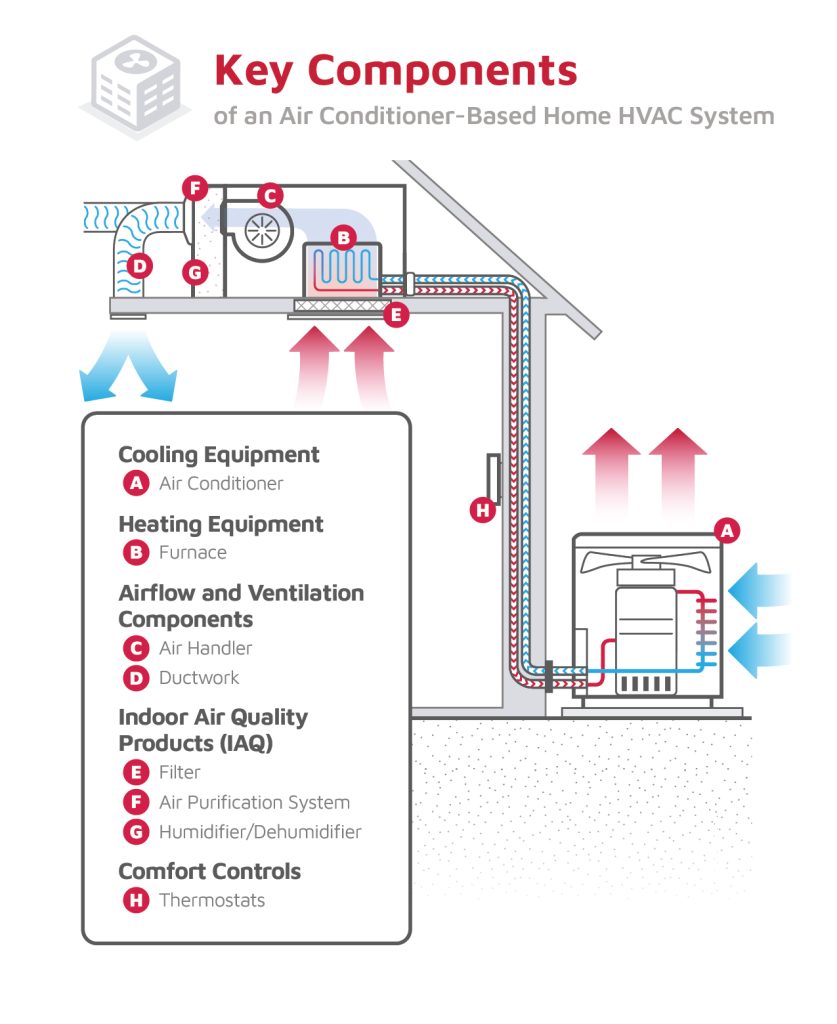
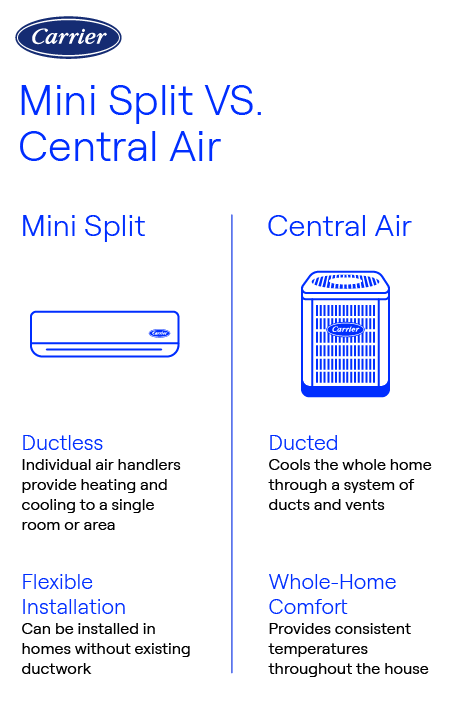
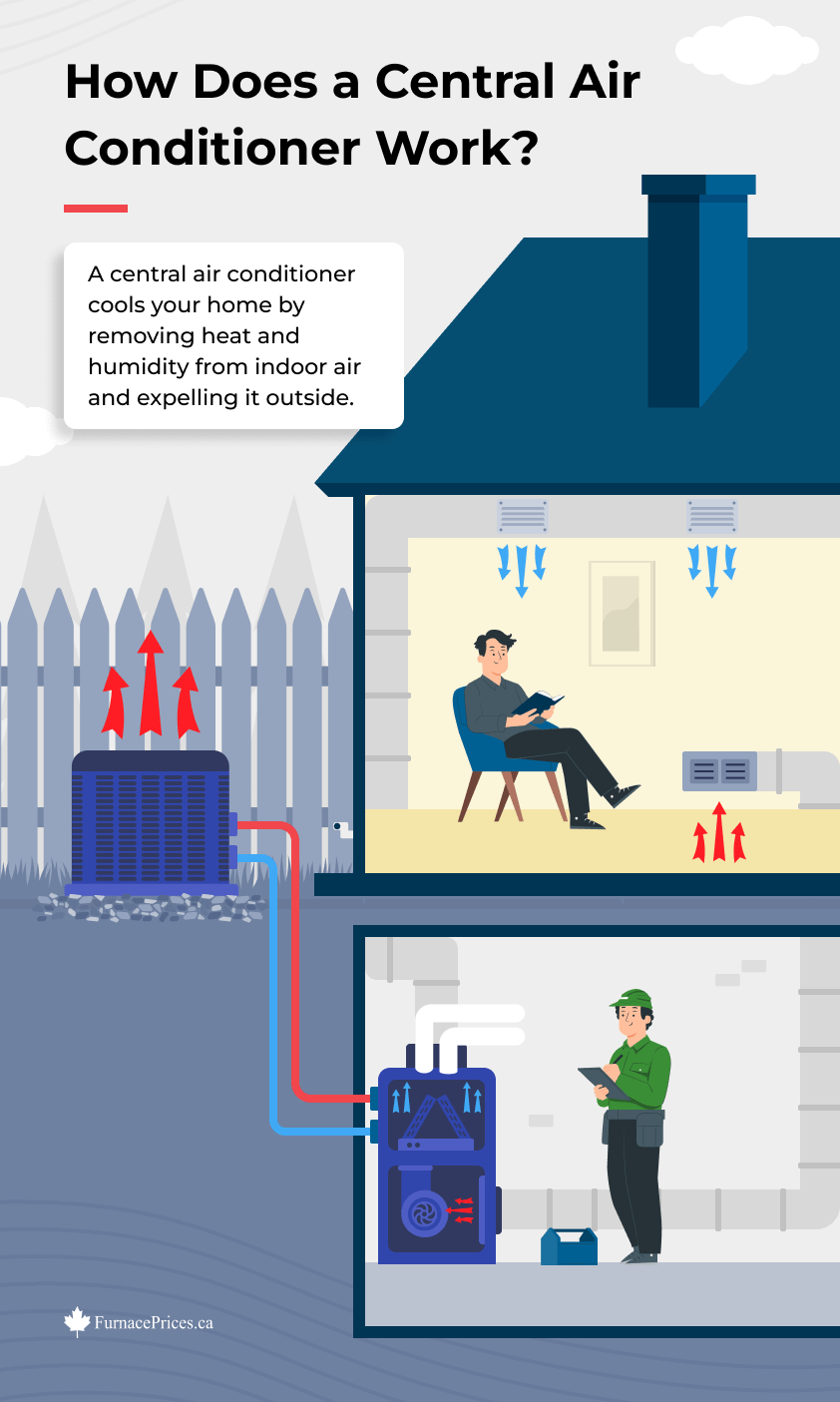
Central air heating uses a network of ducts to deliver warm air throughout your home. A furnace heats the air, which is then pushed by a blower through the ducts into every room. You control the temperature with a thermostat, allowing the system to maintain your desired warmth automatically.
Think about the last winter when your living room stayed cozy while the hallway felt cold. A properly working central air heating system prevents that by distributing heat evenly. This consistency can improve your overall comfort and reduce cold spots.
Key Components
- Furnace:The heart of the system, it generates heat by burning fuel or using electricity.
- Blower:This fan moves the heated air through the ductwork to different rooms.
- Ductwork:A series of channels that carry warm air to your living spaces and return cooler air back to the furnace.
- Thermostat:Your control center to set and adjust temperature preferences easily.
Each part plays a crucial role. If one fails, your whole system’s efficiency can drop, making it harder to keep your home warm.
Types Of Central Air Systems
- Gas Furnace Systems:Use natural gas or propane, popular for their quick heating and cost-effectiveness.
- Electric Furnace Systems:Rely on electricity, ideal for homes without gas connections.
- Heat Pump Systems:Can both heat and cool your home, offering year-round climate control.
Which type fits your home best depends on factors like local fuel costs, climate, and your existing setup. Have you checked which system your neighbors use and how it performs during the cold months?
Credit: www.furnaceprices.ca
Benefits Of Central Air Heating
Central air heating offers more than just warmth. It brings a range of benefits that impact your comfort, energy bills, and indoor environment. Understanding these advantages can help you make a smarter choice for your home.
Energy Efficiency
Central air heating systems use a single unit to heat your entire home, which saves energy compared to multiple space heaters. You control the temperature through a thermostat, so the system only runs when needed. This means you avoid wasting energy in unused rooms, lowering your utility bills.
Have you noticed how some homes feel colder in certain rooms? Central heating eliminates those cold spots by distributing heat evenly. This efficient design helps reduce your carbon footprint while keeping your home cozy.
Consistent Temperature Control
Imagine never having to adjust the thermostat multiple times a day. Central air heating maintains a steady temperature throughout your home, making your living space more comfortable. This consistency reduces the ups and downs in temperature that can cause discomfort.
Whether it’s the living room or the bedroom, you’ll experience the same warmth everywhere. This uniform heating means you won’t wake up shivering or sweat in the middle of the night due to temperature swings.
Improved Air Quality
Central air heating systems often include filters that clean the air as it circulates. These filters trap dust, pollen, and other allergens, which can improve your indoor air quality significantly. Cleaner air means better health, especially if anyone in your home has allergies or asthma.
Regular maintenance of your heating system ensures these filters work effectively, keeping your air fresh. Have you considered how much dust and allergens might be floating around in your current heating setup?
Choosing The Right System
Choosing the right central air heating system is important for comfort and cost savings. The system should fit your home’s size and heating needs. Consider the fuel source and how the system will be installed. Each factor affects efficiency and performance.
Sizing Your System
Proper sizing ensures the system heats your home evenly. A system too small won’t keep rooms warm. A system too large wastes energy and causes wear. Use a professional to calculate your home’s heating load.
Fuel Options
Central air heating uses different fuels. Common options include:
- Electricity – easy to install and clean
- Natural gas – cost-effective and widely available
- Oil – good for areas without gas lines
- Propane – an alternative where natural gas is not available
Choose fuel based on price, availability, and your home’s setup.
Installation Considerations
Installation affects system performance and lifespan. Proper ductwork is key for airflow. Placement of the furnace or heat pump matters. Look for certified installers who follow local codes. Good installation reduces energy bills and maintenance needs.
Maintenance Tips
Maintaining your central air heating system is key to keeping it running efficiently and extending its lifespan. Simple upkeep can prevent costly repairs and improve your home’s comfort throughout the colder months. Let’s look at some practical tips you can use to keep your system in top shape.
Regular Filter Replacement
Changing your air filter regularly is one of the easiest ways to maintain your system. A clogged filter forces your heater to work harder, increasing energy costs and wear. Check your filter every month and replace it at least every three months, or more often if you have pets or allergies.
Think about the last time you forgot to change a filter—did you notice your home felt stuffy or less warm? Clean filters improve air quality and airflow, which helps your system perform better.
System Inspections
Schedule professional inspections at least once a year to catch small problems before they grow. A technician can clean critical components, check for leaks, and ensure everything operates safely. Don’t wait for your heater to fail in the middle of winter to call for help.
You might also do a quick visual check yourself—look for dirt buildup, unusual noises, or odd smells. Spotting these early can save you from emergency repairs.
Troubleshooting Common Issues
If your central air heating isn’t working right, start with simple troubleshooting steps. Check the thermostat settings and batteries first. Make sure vents are open and unblocked to allow proper airflow.
Sometimes, a reset can fix minor glitches—turn off the system, wait a few minutes, then turn it back on. If problems persist, note any error codes or strange behavior to share with your technician. Have you ever fixed a heating hiccup yourself? Small fixes often prevent bigger headaches.
Cost Factors
Central air heating costs depend on several factors, including the system’s size and efficiency. Installation complexity and energy source also influence expenses. Regular maintenance can affect long-term operational costs.
Understanding the cost factors of central air heating can help you make a more informed decision about whether it’s the right choice for your home. While the initial investment might seem significant, considering all aspects of cost over time is crucial. Let’s explore the key cost elements you need to consider.Initial Installation Costs
The initial installation cost of central air heating can vary based on several factors. These include the size of your home, the type of system you choose, and the complexity of the installation. It’s wise to get multiple quotes from reputable contractors to ensure you’re getting a fair price. Moreover, you might need to upgrade existing ductwork or make other modifications to your home, which can add to the cost. Keep in mind that investing in a high-efficiency system could save you money in the long run, even if the initial cost is higher.Operating Expenses
Once installed, the operating expenses of central air heating become a regular part of your household budget. These costs include electricity or gas to power the system, as well as periodic maintenance. Regular maintenance is crucial to keep the system running efficiently and to prevent costly repairs. To manage these expenses, consider setting a budget for monthly energy use. You might also explore energy-saving options like programmable thermostats, which can help reduce your energy bill by adjusting the temperature when you’re not home.Long-term Savings
Central air heating systems can offer significant long-term savings, especially when replacing outdated or inefficient heating methods. Over time, the efficiency of a well-maintained system can lead to reduced energy bills. Additionally, a central heating system can increase the value of your home, potentially offering a return on your investment if you decide to sell. Have you considered how much a comfortable and energy-efficient home might be worth in the future? By weighing these cost factors, you can decide if central air heating aligns with your financial goals and home comfort needs.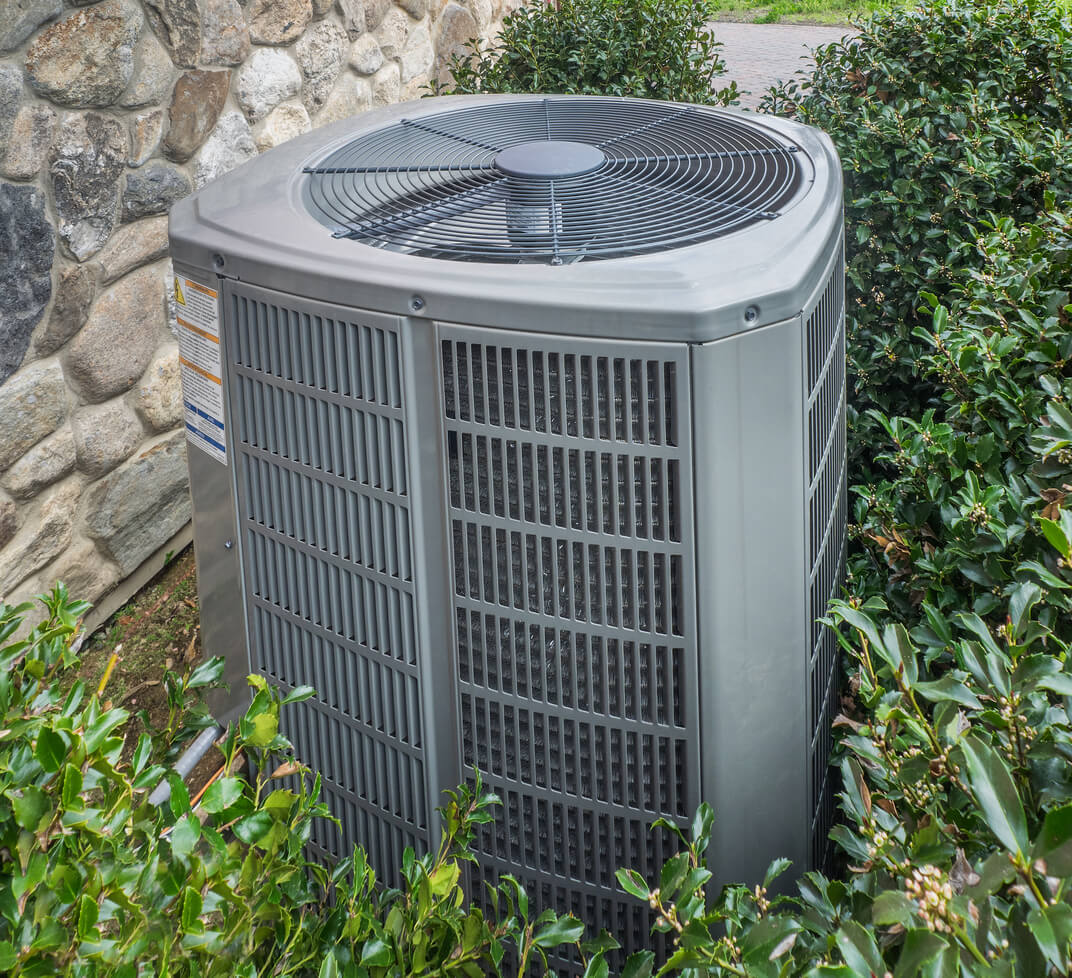
Credit: modernize.com
Energy-saving Strategies
Saving energy with central air heating helps reduce bills and environmental impact. Simple changes make a big difference in efficiency. These strategies focus on controlling heat and minimizing waste.
Programmable Thermostats
Programmable thermostats adjust temperatures automatically. Set lower heat during the day or night when rooms are empty. Warm the house just before you return. This avoids heating unused spaces.
These devices save energy by keeping heat only where and when needed. They are easy to use and help maintain a comfortable home without manual changes.
Zoning Systems
Zoning systems divide the house into separate areas. Each zone has its own thermostat. Heat only the rooms in use. This prevents wasting heat in empty spaces.
Control each zone independently. Ideal for larger homes or homes with uneven heating needs. It improves comfort and saves energy by targeting specific areas.
Insulation And Sealing
Good insulation keeps heat inside during winter. Check walls, attic, and floors for proper insulation. Seal gaps around windows, doors, and vents to block drafts.
Well-sealed homes need less heating. This lowers energy use and keeps rooms warmer longer. Simple fixes like weather stripping make a big impact.
Upgrading And Replacing Systems
Upgrading or replacing your central air heating system improves comfort and lowers energy bills. Newer systems offer better efficiency and reliability. Choosing the right time and model makes a big difference. Understanding financing options helps manage costs.
When To Upgrade
Signs you need to upgrade:
- Your system is over 10-15 years old.
- Heating costs rise without reason.
- Repairs become frequent and costly.
- Rooms do not heat evenly.
- System makes strange noises or smells.
Upgrading before a complete breakdown saves money and stress.
Choosing Energy Star Models
Energy Star models use less energy and reduce bills.
Benefits include:
- Higher efficiency ratings.
- Better environmental impact.
- Qualify for rebates and tax credits.
- Advanced technology for consistent heat.
Look for the Energy Star label when shopping.
Financing Options
Many providers offer flexible payment plans.
- Low-interest loans for home upgrades.
- Special financing through manufacturers.
- Utility company rebates and incentives.
- Government programs for energy-efficient homes.
Compare options to find the best fit for your budget.
Frequently Asked Questions
What Is Central Air Heating And How Does It Work?
Central air heating uses a furnace to warm air, then distributes it through ducts and vents. It heats entire homes evenly and efficiently by circulating warm air through a network of ducts.
What Are The Benefits Of Central Air Heating?
Central air heating offers consistent warmth, improved air quality, and energy efficiency. It reduces cold spots and allows easy temperature control via thermostats, enhancing home comfort.
How Much Does Central Air Heating Installation Cost?
Installation costs vary widely, typically ranging from $3,000 to $7,000. The price depends on home size, system type, and ductwork requirements.
Is Central Air Heating Energy Efficient?
Yes, modern central air heating systems are energy efficient. High-efficiency furnaces and programmable thermostats help reduce energy consumption and lower utility bills.
Conclusion
Central air heating keeps your home warm and comfortable. It uses ducts to spread heat evenly in every room. The system works quietly and saves energy compared to other heaters. Regular maintenance helps it run smoothly for many years. Choosing the right system fits your home size and budget.
Understanding how it works helps you make smart decisions. A warm home feels cozy and safe during cold days. Simple and efficient—central air heating is a good choice for many families.



