
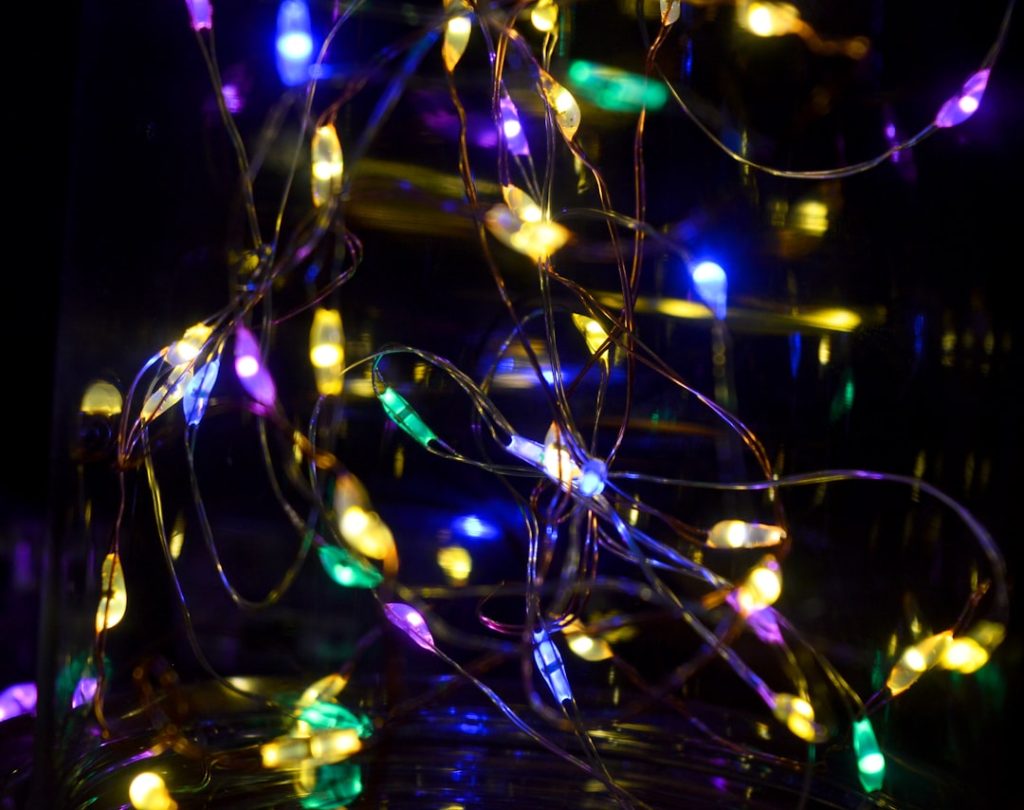
Have you ever stopped to wonder who came up with the idea of electric Christmas lights? Every year, these sparkling decorations brighten your home and fill your heart with holiday cheer.
But behind those glowing bulbs is a fascinating story you probably haven’t heard. Discovering who invented electric Christmas lights will change the way you see this holiday tradition—and it might even inspire your next festive decoration. Keep reading to uncover the surprising origins of this magical invention.

Credit: gizmodo.com
Early Christmas Lighting Traditions
Christmas lighting has a long and rich history. Before electric lights, people used different ways to make their homes bright and festive. These early traditions show how much people loved to decorate and celebrate the holiday season. The journey from simple candles to electric lights is fascinating and full of interesting details.
Candles On Trees
At first, people used small candles to decorate Christmas trees. They attached candles carefully to branches using wax or clips. The glowing flames made the tree look magical and warm. Candlelight created a soft, flickering glow that felt special.
Many families enjoyed this tradition for years. It was a sign of joy and light during dark winter nights. But this method was risky. The open flames could easily catch the tree on fire.
Challenges Of Early Lighting
Using candles on trees had many problems. Fires were common and caused damage. People had to watch candles closely to prevent accidents. The light from candles was dim and did not last long. It was hard to decorate large trees safely.
These challenges pushed inventors to find better ways. The need for safer, brighter lights grew every year. This need led to the invention of electric Christmas lights, changing holiday traditions forever.
Invention Of Electric Lights
The invention of electric lights marked a turning point in how people brighten their homes and streets. Before electricity, lighting relied on candles and gas lamps, which were less safe and less bright. The move to electric lights began in the late 19th century. It involved many inventors and improvements. These changes eventually made electric Christmas lights possible.
Thomas Edison’s Contributions
Thomas Edison played a big role in making electric lights practical. He did not invent the light bulb first, but he made it last longer. His improvements helped lights work well in homes and businesses. Edison also created a system to provide electricity safely. His work made electric lighting available to many people. This system included:
- Long-lasting filaments
- Safe wiring
- Electric power distribution
Edison’s inventions laid the foundation for electric Christmas lights later on.
First Electric Light Bulbs
The first electric light bulbs appeared in the early 1800s. Many inventors tried to build bulbs that glowed with electric power. These early bulbs had short lives and were not bright. Over time, inventors improved the materials and design. Carbon filaments and vacuum bulbs helped bulbs burn longer. These bulbs made it possible to create strings of small lights. These small bulbs became the base for electric Christmas lights.
Origins Of Electric Christmas Lights
Electric Christmas lights were first created by Edward H. Johnson in 1882. He wrapped small light bulbs around a Christmas tree, starting a new holiday tradition. This invention made decorating safer and brighter than using candles.
The twinkling glow of Christmas lights is a staple of the holiday season, bringing warmth and joy to homes around the world. But have you ever wondered who first came up with the idea of replacing candles with electric lights on Christmas trees? The journey from flickering flames to dazzling electric lights is both fascinating and enlightening.Edward H. Johnson’s Innovation
Edward H. Johnson, an associate of Thomas Edison, is credited with inventing the first string of electric Christmas lights in 1882. Johnson was not content with the traditional candles that adorned Christmas trees. His quest for a safer and more visually stunning option led him to experiment with electric lights. Picture this: Johnson hand-wired 80 red, white, and blue light bulbs and strung them around a rotating evergreen tree. This innovation not only eliminated the fire hazard posed by candles but also opened up a realm of creative possibilities. Imagine the sense of wonder Johnson must have felt seeing his tree glow with electric lights for the first time.First Electric Christmas Tree
The first electric Christmas tree was displayed in Johnson’s New York City home. Word quickly spread about this magical sight. Imagine the curious visitors who came to witness this marvel, standing in awe of the vibrant, colorful lights illuminating the tree. This moment marked a turning point in holiday traditions. Electric lights gradually gained popularity, forever changing how people decorated their homes during the festive season. Have you ever stopped to think about how this simple innovation transformed holiday celebrations, making them safer and more enchanting? As you string lights on your tree this year, consider the incredible journey from Edward H. Johnson’s first electric tree to the dazzling displays we enjoy today. Each twinkling bulb carries a piece of history, a testament to the creativity and ingenuity of those who dared to light up the holidays in a whole new way.Evolution Of Christmas Lights
Christmas lights have come a long way since their first invention. Their evolution shows how technology and creativity shaped holiday decorations. Early lights were simple and few. Over time, they grew brighter, safer, and more colorful. Each step made the holiday season more magical for families worldwide.
From Bulbs To Strings
Electric Christmas lights first appeared as single bulbs. These were large and costly. People used candles before, which were dangerous. The invention of electric bulbs changed this. Soon, multiple bulbs connected in a series created strings. These strings made decorating easier and safer. Homes and trees lit up with many lights at once. The string format allowed for longer displays and more complex designs.
Introduction Of Colored Lights
Original bulbs glowed only white or clear. Adding color made lights more festive and fun. Manufacturers started making bulbs in red, green, blue, and yellow. These colors brought new life to decorations. Colored lights helped create themes and moods. Families could now customize their displays with bright colors. This innovation made Christmas lights a joyful tradition worldwide.
Mass Production And Popularity
The rise of electric Christmas lights from a curious invention to a household staple didn’t happen overnight. Mass production played a crucial role in making these twinkling bulbs accessible and popular. Understanding how commercial manufacturing and home adoption unfolded helps you appreciate the lights that brighten your holidays today.
Commercial Manufacturing
After Thomas Edison’s invention of the incandescent bulb, innovators like Edward H. Johnson, one of Edison’s associates, created the first string of electric Christmas lights in 1882. But producing these lights by hand was costly and slow.
Once companies saw the potential, factories began manufacturing electric Christmas lights on a large scale. This shift brought down prices and improved quality. Manufacturers standardized bulbs and wiring, making products safer and easier to install.
- Factories used assembly lines to speed up production.
- Mass production allowed for various colors and styles.
- Advertising campaigns educated consumers on electric lights’ benefits over candles.
Adoption In Homes
Electric Christmas lights first appeared in wealthy homes, as they were still expensive and required electrical wiring knowledge. However, as prices dropped, more middle-class families began decorating their houses.
By the 1920s and 1930s, electric lights became symbols of festive cheer and modernity. People started to see them as safer alternatives to candles, reducing fire risks.
Think about your own holiday traditions. Have you ever considered how these lights changed the way you celebrate? The warmth and magic you feel come from a technology that was once a luxury.
- Local stores began selling ready-made light strings.
- Communities held contests for the best-lit homes.
- Electric lights became part of holiday rituals passed through generations.

Credit: www.reddit.com
Modern Christmas Lighting Trends
Modern Christmas lighting trends have transformed holiday decorations. They offer brighter colors and longer-lasting lights. The focus now is on safety, energy savings, and ease of use. These trends create festive displays that are both beautiful and practical.
Led Technology
LED lights use less energy than traditional bulbs. They last much longer and stay cooler to the touch. Their colors are vibrant and can be changed easily. LED strands come in many shapes and sizes. These lights reduce the risk of fire and lower electricity bills. Many families now prefer LEDs for home decorating.
Smart And Energy-efficient Lights
Smart lights connect to apps for easy control. Users can turn lights on or off from a phone. Some lights sync with music or change colors automatically. Energy-efficient bulbs help reduce power use during the holidays. Many models have timers to save electricity. These features make decorating simpler and more fun.
Cultural Impact Of Electric Lights
The invention of electric Christmas lights changed holiday traditions worldwide. These lights brought new ways to celebrate and express joy during the festive season. Their glow creates a warm, magical atmosphere that draws people together.
Electric lights make holidays more vibrant and exciting. They brighten homes, streets, and landmarks, turning cold winter nights into cheerful scenes full of color. This simple innovation spread quickly, shaping how people honor their cultural and religious festivities.
Holiday Celebrations Worldwide
Electric Christmas lights play a key role in many cultures. In the United States, they decorate homes and neighborhoods, creating a sense of community. In Europe, cities light up famous squares and cathedrals, attracting visitors and locals alike.
In Asia, some countries combine Christmas lights with local festivals. Lights symbolize hope and happiness across different traditions. Families use them to enhance celebrations, making the season feel special and bright.
Lighting Displays And Events
Lighting displays became popular tourist attractions. Cities host annual events showcasing elaborate light installations. These events bring people together for shared enjoyment and celebration.
Some displays include synchronized music and storytelling. They create immersive experiences for all ages. Lighting events now draw millions of visitors worldwide, boosting local economies and holiday spirit alike.

Credit: languageoflighting.com
Frequently Asked Questions
Who Invented Electric Christmas Lights?
Edward H. Johnson, an associate of Thomas Edison, invented electric Christmas lights in 1882. He created the first string of 80 red, white, and blue bulbs.
When Were Electric Christmas Lights First Used?
Electric Christmas lights were first used in 1882 during a Christmas tree decoration in New York City, showcasing a safer alternative to candles.
Why Were Electric Christmas Lights Invented?
Electric Christmas lights were invented to provide a safer and more reliable alternative to candles on Christmas trees, reducing fire hazards.
How Did Electric Christmas Lights Evolve Over Time?
Electric Christmas lights evolved from simple bulbs to colorful, energy-efficient LED strings with various designs and smart technology for modern use.
Conclusion
Electric Christmas lights began as a bright idea by Edward H. Johnson. He worked hard to bring colorful bulbs to holiday traditions. His invention changed how people celebrate Christmas today. Lights now shine on trees and homes worldwide. This simple innovation adds joy and warmth each year.
Remember, every glowing bulb tells a story of creativity. The next time you see festive lights, think of Johnson’s spark. His work made holiday magic brighter for all.



