
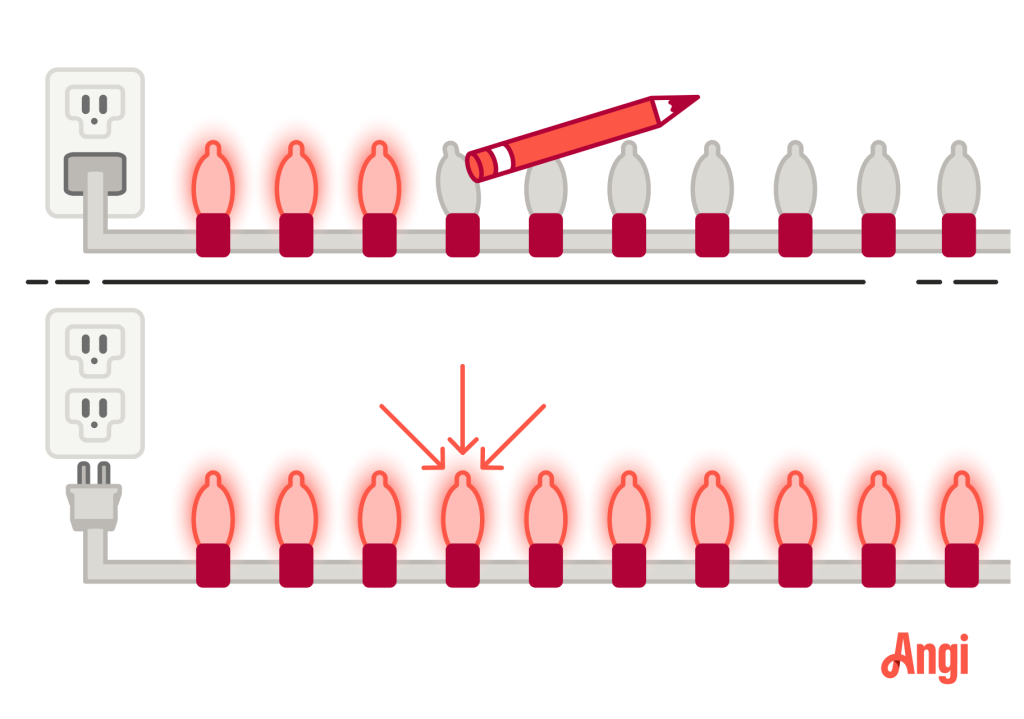
Have you ever plugged in your Christmas lights, only to find half of the string not working? It’s frustrating, especially when you want your decorations to shine bright and spread holiday cheer.
You might wonder why this happens and how to fix it quickly. Understanding the common reasons behind this problem can save you time, money, and stress. Keep reading, and you’ll discover simple tricks to bring all your lights back to life and make your home sparkle this season.
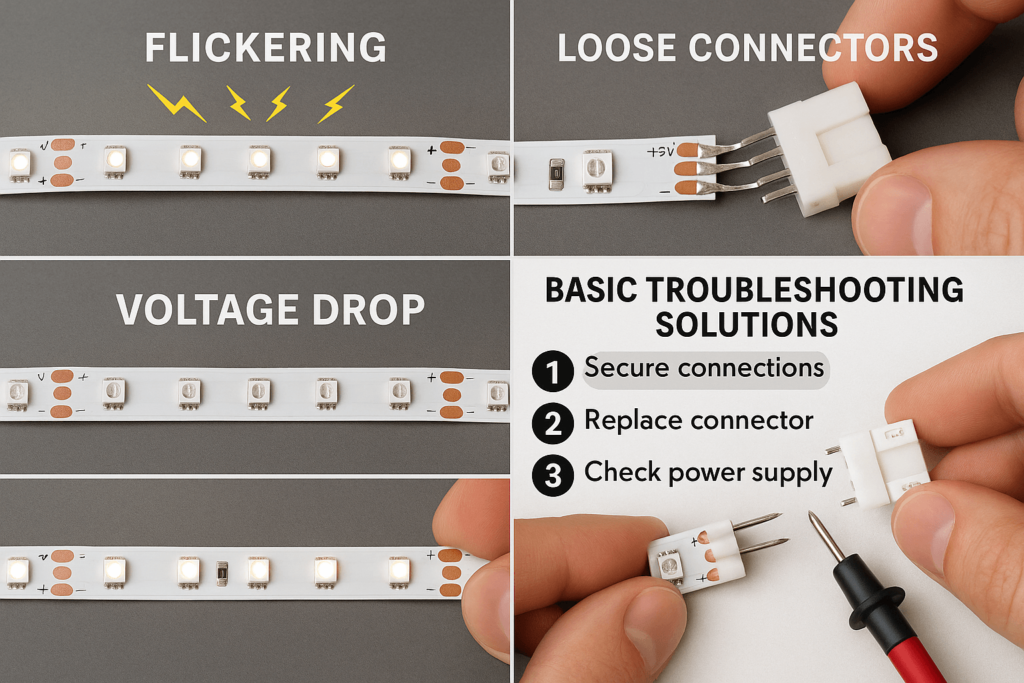
Credit: www.elstarled.com
Common Causes Of Half Lights Out
Noticing that half of your Christmas light string is out can be frustrating, especially when you’re eager to see your decorations shine brightly. Understanding the common causes behind this issue helps you fix it faster and avoid it in the future. Let’s look into the usual suspects that cause half your lights to stop working.
Faulty Bulbs
One bad bulb can disrupt the entire circuit in many traditional Christmas lights. If a bulb burns out or is loose, it can break the flow of electricity to the rest of the string. Have you ever noticed that pressing or twisting a bulb sometimes brings the lights back on? That’s a quick way to test if a bulb is the problem.
Blown Fuses
Each string of lights has small fuses hidden in the plug to protect against electrical surges. When these fuses blow, part of your lights will stop working while the rest stays on. Checking and replacing the fuse is often overlooked but can quickly restore your lights without needing a whole new string.
Damaged Wiring
Wiring can get pinched, frayed, or cut from storage or outdoor exposure. Damaged wiring interrupts the electrical path, causing half your lights to go dark. Carefully inspecting the cord for visible damage before plugging it in can save you time and prevent hazards.
Loose Connections
Sometimes the problem isn’t the bulbs or the wires but loose connections at the plug or between sections of the string. A quick wiggle or reseating of connections can make the difference between a dark string and a glowing one. Have you checked your connections lately?
How Christmas Light Circuits Work
Understanding how Christmas light circuits work can help you troubleshoot why half of your light string might be out. These lights are connected in specific ways that affect how electricity flows through them. Knowing the basics of wiring can make fixing your lights less frustrating and more straightforward.
Series Vs Parallel Wiring
Christmas lights use two main wiring types: series and parallel. In series wiring, the bulbs are connected one after another, creating a single path for electricity. If one bulb goes out or breaks, the entire string can stop working because the circuit is broken.
In contrast, parallel wiringconnects each bulb independently to the power source. This means if one bulb fails, the others stay lit since the circuit remains complete through other paths. Most modern light strings use parallel wiring to avoid total blackouts.
Impact On Light Failure
When half of your Christmas light string is out, it’s often due to the wiring type. With series wiring, a single faulty bulb or loose connection can cause a whole section to go dark. You might notice that the lights on one side work while the other half is off.
Parallel wiring reduces this problem but isn’t immune to issues. If multiple bulbs or wiring segments fail, parts of the string can still go out. Checking each bulb and connection carefully can help you pinpoint where the problem lies.
Have you ever wondered why your neighbor’s string stays bright while yours flickers or dims? It might come down to the wiring style and the quality of the bulbs used. Knowing this can save you time and hassle during your holiday setup.
Identifying The Problem
There’s nothing quite like the sparkle of Christmas lights to brighten up the holiday season. But what happens when half of your string lights decide to play Scrooge and leave your decorations looking dim? Identifying the problem is the first step in rekindling that festive glow. Here’s how you can pinpoint the issue and get back to enjoying the twinkle of the season.
Visual Inspection Tips
Start by giving your light string a good look. Check for any visible damage like frayed wires or broken bulbs. Sometimes, a simple issue like a disconnected plug can cause half the string to go out.
Run your fingers gently along the wire to feel for any irregularities. Look out for any bulbs that appear darker than the rest. These could be the culprits causing the outage.
Have you recently moved or stored your lights? A bend or twist in the string might have caused a break in the circuit. Straightening out the string can sometimes reveal hidden issues.
Testing Bulbs And Fuses
Replace any suspect bulbs with spares you might have. Did the rest of the lights suddenly spring back to life? This simple swap can often solve the problem.
Inspect the fuse compartment, usually located in the plug. If one fuse is burnt out, replacing it might just do the trick.
If the lights still don’t shine, consider using a spare set of bulbs to test each one individually. It’s a bit of a process but can save you from buying a whole new set.
Using A Multimeter
If you’re comfortable with tools, a multimeter can be your best friend. Measure the voltage across each section of the light string to find where the current stops.
Not getting a reading at a particular section? You’ve likely found your problem area. Addressing it can restore the flow and bring back the glow.
Are you new to using a multimeter? A quick online tutorial can guide you through the basics, making it a handy skill beyond just fixing holiday lights.
Have you ever thought about how one small bulb can affect an entire string? Understanding this can help you prevent similar problems in the future.
By taking these steps, you can often diagnose and fix the problem yourself, saving time and money. Why let a few unlit bulbs dim your holiday spirit when the solution might be just a bulb swap away?
Quick Fixes For Half Lights Out
Seeing half of your Christmas light string go dark can be frustrating, especially when the holiday spirit calls for a bright and cheerful display. Fortunately, many issues causing this problem can be quickly fixed without needing to buy a new set. Let’s look at some practical solutions that you can try right now to bring your lights back to life.
Replacing Faulty Bulbs
One burnt-out bulb often causes half of the string to stop working. Check each bulb carefully for any that look dark or broken. Swapping out these bulbs with new ones designed for your light set can instantly restore power to the entire string.
Keep spare bulbs on hand, so you don’t waste time searching for replacements later. Sometimes, gently pressing bulbs into their sockets can improve contact, so don’t overlook that simple step.
Resetting Or Replacing Fuses
Have you checked the fuse in the plug? A blown fuse can cut power to part of the string. Locate the fuse compartment, usually in the plug, and open it to inspect the fuses.
If a fuse looks damaged or blackened, replace it with a new one that matches the specifications. Resetting or replacing fuses often fixes the issue immediately without further hassle.
Repairing Wiring Damage
Inspect the wire along the length of the string for any cuts, frays, or damage. Damaged wiring disrupts the electrical flow and can cause half the lights to fail.
Use electrical tape to cover small nicks or breaks temporarily. For larger damage, consider cutting out the damaged section and reconnecting the wires securely with wire nuts or soldering if you’re comfortable.
Securing Loose Connections
Loose connections between bulbs or at the plug can cause partial outages. Wiggle the bulbs gently to see if the lights flicker back on.
Sometimes, simply pushing bulbs firmly into their sockets or tightening plug connections can fix the problem. Don’t forget to check extension cords or power strips if you’re using them, as loose plugs there can also cause issues.
Preventing Future Issues
Preventing future issues with your Christmas light string is key to enjoying a bright holiday season. Taking care of your lights helps avoid half the string going out again. Simple steps protect your investment and save time on repairs.
Proper Storage Techniques
Store lights in a cool, dry place to avoid damage. Use a spool or a sturdy container to keep the wires untangled. Avoid bending or crushing the string, which can break bulbs or wires. Wrap lights gently and secure with soft ties or twist ties.
Regular Maintenance
Check lights before use each season. Look for broken bulbs, frayed wires, or loose connections. Clean bulbs with a soft cloth to remove dust. Replace burnt-out bulbs immediately to keep the circuit intact. Test the lights on a small section before hanging.
Choosing Quality Lights
Select lights made with durable materials and good insulation. Look for LED bulbs that use less energy and last longer. Choose lights with fuse protection to prevent electrical issues. Invest in brands known for safety and reliability. Quality lights reduce the chance of outages and damage.
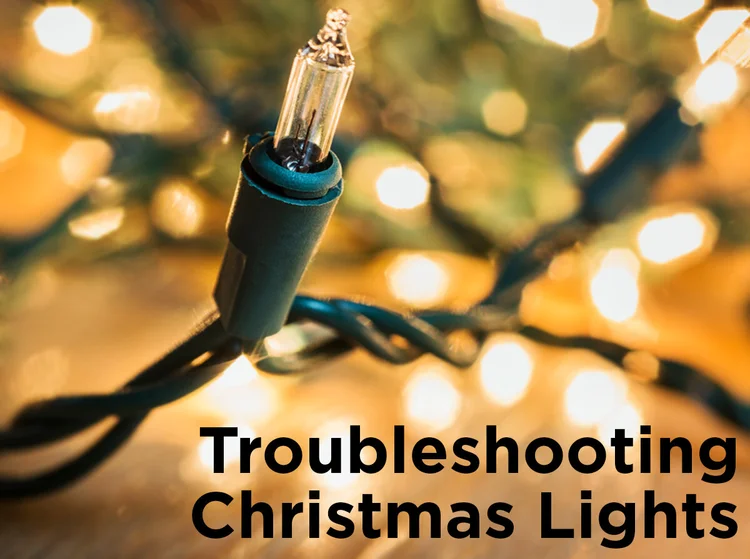
Credit: blog.1000bulbs.com
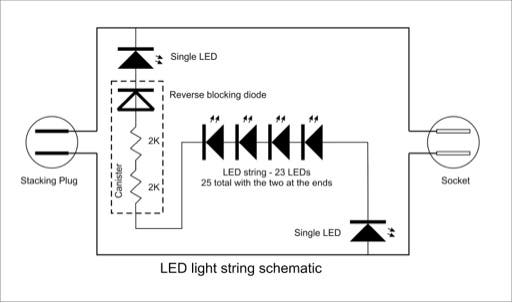
Credit: www.diychatroom.com
Frequently Asked Questions
Why Is Half Of My Christmas Light String Not Working?
Half of your Christmas lights may be out due to a broken bulb or faulty wiring. A single bad bulb can interrupt the circuit. Check each bulb for damage or looseness. Replacing or securing bulbs usually restores full function.
How Can I Fix Half My Christmas Lights That Are Out?
Start by unplugging the lights, then inspect bulbs closely. Replace any broken or missing bulbs. Tighten loose bulbs or connections. Use a light tester to find faulty sections. Fixing these issues often brings your lights back to life.
Can A Blown Fuse Cause Half Of My Christmas Lights To Fail?
Yes, a blown fuse in the plug can cause partial failure. Check the fuse compartment and replace blown fuses carefully. Always use the correct type and rating to avoid electrical issues and restore proper light function.
Do Led Christmas Lights Fail Differently Than Incandescent Ones?
Yes, LED strings usually have built-in fail-safes that keep most bulbs lit. Incandescent lights rely on series wiring, so one bulb can affect many. Understanding your light type helps troubleshoot half-out string problems effectively.
Conclusion
A half-out Christmas light string often means a broken bulb or loose connection. Check each bulb carefully and replace any that look damaged. Make sure all bulbs fit snugly into their sockets. Sometimes, a single bad bulb stops the current flow.
Keep your lights untangled and store them properly to avoid future problems. With simple fixes, your lights can shine bright again. Don’t let a few dark bulbs spoil your holiday cheer. Enjoy decorating with fully glowing lights this season!



