
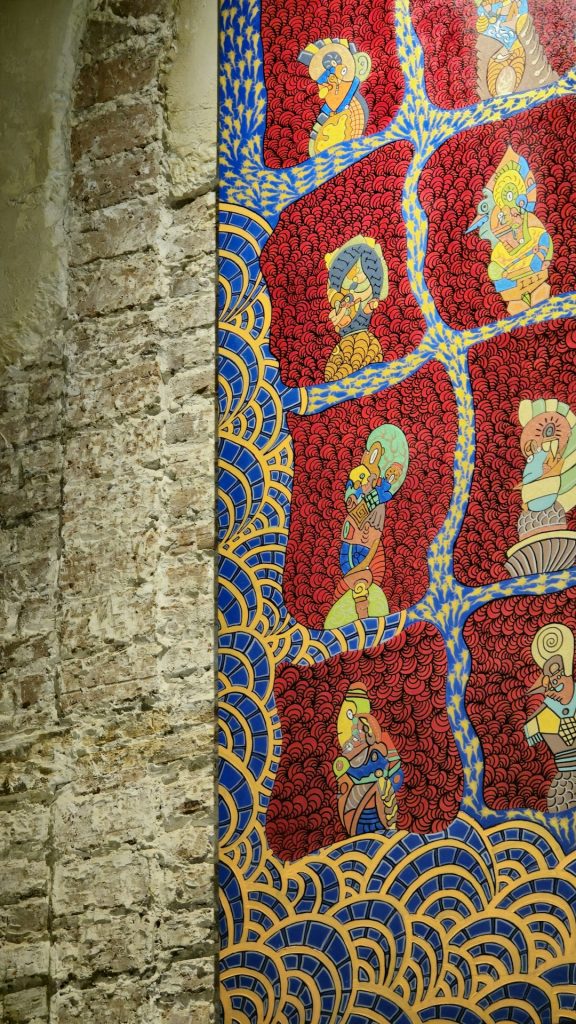
Are you ready to transform your blank wall into a stunning centerpiece? Making a large wall tapestry is a fun and creative way to add personality and warmth to any room.
Whether you want to showcase your style or create a cozy atmosphere, this project lets you bring your vision to life with your own hands. Keep reading, and you’ll discover simple steps to craft a beautiful tapestry that will impress everyone who sees it.
Your space is about to get a whole lot more inviting!

Credit: www.picturehangsolutions.com
Choosing The Right Materials
Choosing the right materials shapes the quality and look of your tapestry. Good choices make your project easier and more durable. Materials affect the colors, texture, and final size. Understanding what to use helps you create a tapestry you will love.
Selecting Fabric Types
Pick a fabric that suits your tapestry style. Cotton and linen are popular for their strength and smooth texture. Wool offers warmth and a rich feel. Canvas is sturdy and holds threads well. Consider fabric weight; heavier fabrics hold large tapestries better. Choose a fabric with a plain weave for easier stitching.
Picking Suitable Threads And Yarns
Threads and yarns bring color and detail to your tapestry. Use cotton embroidery floss for bright, smooth lines. Wool yarn adds thickness and texture. Acrylic yarn is budget-friendly and comes in many colors. Match yarn weight to your fabric for balance. Test colors on fabric to see how they appear.
Essential Tools And Supplies
Have the right tools for smooth work. A sturdy embroidery hoop or frame holds fabric tight. Sharp needles fit the yarn or thread you choose. Scissors with fine tips cut threads neatly. A tape measure helps keep sizes accurate. Keep a small notebook to track colors and patterns.
Planning Your Design
Planning your design is the foundation of creating a stunning large wall tapestry. It shapes how your final piece will look and feel in your space. Taking time here saves frustration later and ensures your tapestry truly reflects your vision.
Sketching Your Pattern
Start by putting your ideas on paper. Sketching your pattern helps you see what works and what doesn’t before you start weaving or stitching.
Don’t worry about perfection; rough sketches give you room to experiment. Try different shapes, motifs, or abstract forms to find what excites you.
Ask yourself: What story or mood do I want this tapestry to tell? Visualizing this guides your pattern choices and keeps your design focused.
Choosing Colors And Textures
Colors and textures breathe life into your tapestry. Pick shades that complement your room’s palette or create a bold contrast for impact.
Think about materials too—wool, cotton, silk, or even mixed fibers each add a unique feel. Combining smooth and rough textures can make your tapestry more dynamic and interesting to touch.
Consider how lighting affects your colors throughout the day. Will your tapestry glow warmly in natural light or stand out dramatically under a spotlight?
Measuring For Size And Scale
Measure the wall where your tapestry will hang carefully. A large tapestry can overwhelm a small space or get lost on a big wall.
Use painter’s tape or paper cutouts on your wall to visualize size and scale. This simple trick helps you decide if your design needs adjusting before you invest time and materials.
Think about how the tapestry interacts with furniture or other decor. Will it be the focal point or part of a larger visual story?
Preparing The Workspace
Preparing your workspace is the foundation for creating a stunning large wall tapestry. It sets the tone for your entire project, making the process smoother and more enjoyable. A well-prepared area reduces frustration and helps you stay focused on your creative flow.
Setting Up A Comfortable Area
Your workspace should invite you to spend hours working without discomfort. Choose a spot with enough room to spread out your materials and move freely. A sturdy table or a large flat surface works best, especially if you’ll be weaving or stitching by hand.
Consider adding a supportive chair or a cushion if you sit for long periods. Comfort helps you maintain patience, which is crucial when tackling a large tapestry. Have you noticed how a cramped or cluttered space kills your motivation? Give yourself the gift of space.
Organizing Materials
Gather all your tools and supplies before you start. This includes yarn, needles, scissors, measuring tape, and any decorative elements you plan to add. Keep everything within arm’s reach to avoid breaking your rhythm.
Use containers or trays to separate different colors and textures. Labeling these containers can speed up your workflow and minimize mistakes. What if your yarn tangles or your scissors disappear mid-project? Staying organized prevents these common pitfalls.
Ensuring Proper Lighting
Good lighting is essential for detailed work like tapestry-making. Natural light is ideal because it shows colors accurately and reduces eye strain. Position your workspace near a window if possible.
If natural light is limited, invest in a bright, adjustable desk lamp. Lighting from multiple angles helps eliminate shadows that can obscure your work. How often do you find yourself squinting or guessing colors? Proper lighting saves your eyes and improves the quality of your tapestry.
Basic Techniques For Tapestry Making
Mastering the basic techniques of tapestry making is essential before you tackle a large wall tapestry. These foundational skills give you control over your materials and design, making the process smoother and more enjoyable. Knowing how to prepare your loom, weave simple patterns, and use different weaving styles sets you up for success and creative freedom.
Warping The Loom
Warping the loom means stretching the vertical threads tightly across your loom frame. This step creates the backbone of your tapestry. If the warp threads aren’t even or tight enough, your design might warp or sag as you weave.
Start by measuring your warp threads carefully to match your tapestry size. Use a strong, smooth yarn to prevent breakage. Tying each thread securely and maintaining consistent tension makes weaving easier and your tapestry more durable.
Weaving Simple Patterns
Begin weaving by passing the horizontal threads (weft) over and under the warp threads. This basic over-under pattern creates a sturdy fabric. Once comfortable, you can experiment with colors and shapes to form simple geometric designs.
Try alternating colors every few rows to add interest. Using a shuttle or needle to guide the weft keeps your work neat. Remember, even small, regular movements build the tapestry’s structure and beauty.
Incorporating Different Weaves
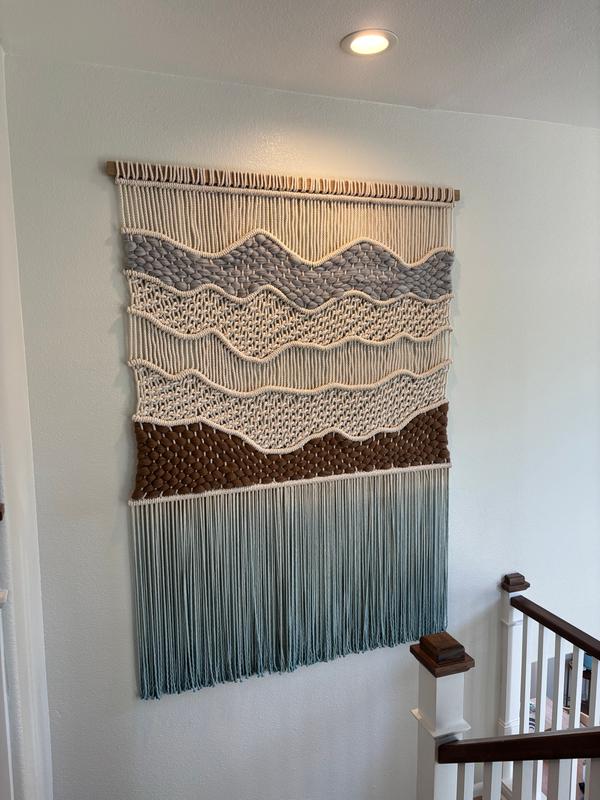
Adding different weaving styles gives texture and depth to your tapestry. Try plain weave for a smooth background and then add rya knots or soumak weave for raised patterns. Each weave changes how the light hits your tapestry, making it visually dynamic.
Test new weaves on a small sample before adding them to your main piece. How might using various weaves change the feel of your design? Playing with these techniques can turn your tapestry from flat to fascinating.
Creating Your Large Tapestry
Creating a large wall tapestry involves choosing the right fabric and design. Cut your materials carefully and sew them together for a smooth finish. Hang your tapestry securely to add charm to any room.
Creating your large tapestry can be a deeply satisfying project that not only adds a personal touch to your home but also showcases your creativity. Whether you’re a beginner or a seasoned weaver, crafting a tapestry is a journey filled with learning and artistic expression. Let’s dive into the essential steps that will guide you in creating a masterpiece for your wall.Starting The Weaving Process
Begin by selecting a loom that’s suitable for the size of your tapestry. A sturdy loom ensures the structure remains intact throughout the weaving process. Choose yarn colors and textures that reflect the mood you want your tapestry to convey. Set up your warp threads tightly and evenly across the loom. This sets the foundation for the entire piece. Consider a simple pattern to start if you’re new to weaving, or challenge yourself with a complex design.Maintaining Tension And Consistency
Maintaining even tension in your warp and weft threads is crucial. Uneven tension can lead to a distorted tapestry. Regularly check and adjust the threads to ensure they remain taut and consistent. Use a gentle touch when weaving to avoid pulling too tightly. It’s helpful to step back occasionally and view your tapestry from a distance to spot any inconsistencies early on.Adding Details And Embellishments
Once your basic pattern is in place, think about adding details that make your tapestry unique. This could include different weaving techniques, such as knotting or looping, to add texture. Incorporate embellishments like beads or ribbons to highlight certain areas. These additions can transform a simple design into a captivating artwork. Remember, each decision you make during the process adds to the final beauty of your tapestry. What personal touch will you add to make it truly yours?Finishing Touches
Finishing touches are what transform your tapestry from a simple fabric piece into a stunning work of art ready to impress. These final steps ensure durability, enhance its appearance, and make sure your creation hangs perfectly. Paying attention to these details shows how much care you’ve put into your project and helps your tapestry last for years to come.
Securing Loose Ends
Loose threads can unravel and damage your tapestry over time. Use a small needle and matching thread to stitch down any stray yarns carefully. You can also tie off ends with tiny knots hidden on the back to keep everything neat.
Another trick is to use a fabric glue or fray check along the edges for extra security. This keeps the edges from fraying, especially if your tapestry will be handled often. Have you noticed how a few loose threads can make even a beautiful piece look unfinished? Don’t let that happen to yours.
Washing And Blocking
Cleaning your tapestry gently is crucial before hanging it. Hand wash it with mild detergent in cold water to avoid shrinking or color bleeding. Avoid wringing; instead, press out excess water with a towel.
Blocking is the process that helps your tapestry keep its shape. Lay it flat on a clean surface, gently pulling edges to straighten and smooth wrinkles. Pin the edges if needed and let it dry completely. Have you tried blocking fabric before? It makes a huge difference in how professional your tapestry looks.
Mounting And Displaying Your Tapestry
How you hang your tapestry affects both its look and longevity. Consider using a wooden dowel or a decorative rod to spread weight evenly and prevent sagging. Sew a pocket on the back top edge to slide the rod through for a clean finish.
Alternatively, mounting your tapestry on a canvas frame gives it a modern gallery feel. Stretch the fabric tightly and staple it to the frame’s back for a smooth surface. Think about where you want to display your tapestry — natural light and wall space can highlight its colors beautifully.
Troubleshooting Common Issues
Working on a large wall tapestry is rewarding, but it often comes with challenges. Troubleshooting common issues early can save you time and frustration. Let’s look at practical ways to fix problems like uneven weaving, fabric stretch, and mistakes that happen along the way.
Fixing Uneven Weaving
Uneven weaving can throw off the entire look of your tapestry. If you notice some areas tighter or looser than others, gently adjust the tension by pulling the threads evenly across the loom. Avoid pulling too hard, as this can distort the shape.
If the unevenness persists, try using a small comb or fork to push the weft threads closer together, evening out the surface. Checking your work regularly helps catch these issues early before they become harder to fix.
Managing Fabric Stretch
Fabric stretch is a common problem, especially with large tapestries that involve softer materials. To control stretch, keep your warp threads taut but not overly tight. Too much tension can snap threads, while too little causes sagging.
Consider using a sturdy frame or loom that supports the entire tapestry evenly. If you notice stretching after removing the tapestry from the loom, gently steam or press the fabric to restore its shape without flattening the texture.
Repairing Mistakes
Mistakes happen, and repairing them doesn’t have to mean starting over. If you spot a weaving error, carefully unravel just enough of the threads to correct the pattern. Use a small needle or crochet hook for precision.
Sometimes, adding a small patch or extra stitching on the back can secure loose threads and prevent further unraveling. Have you ever found a creative way to turn a mistake into a design feature? Sharing those moments can inspire new ideas for your tapestry work.
Credit: teddyandwool.com
Creative Ideas For Unique Decor
Creating a large wall tapestry offers endless opportunities to express your style and personality. By experimenting with different materials and techniques, you can design a piece that stands out and truly reflects your unique taste. Let’s dive into some creative ideas that can help you craft a tapestry unlike any other.
Mixing Materials
Don’t limit yourself to just fabric. Combining various materials like yarn, rope, beads, or even metal pieces can add depth and texture. Imagine a tapestry where soft cotton threads meet rough burlap and shiny metallic accents—it creates a tactile experience you can almost feel.
Think about how these materials interact. Can you weave thin leather strips alongside wool to add contrast? Mixing materials lets you play with color, texture, and weight, making your tapestry more dynamic and interesting.
Incorporating Mixed Media
Adding elements beyond textiles can transform your tapestry into a true art piece. You might sew on patches of printed fabric, attach painted canvas sections, or even add photographic prints. Each layer tells a story and invites closer inspection.
Have you considered using natural objects like dried flowers or feathers? These can be secured with thread or glue to add organic shapes and unexpected detail. Mixed media encourages you to experiment and discover what resonates most with your vision.
Customizing With Personal Touches
Your tapestry should reflect who you are. Adding personal touches—like embroidered initials, meaningful symbols, or favorite colors—makes your work one of a kind. Even small details like hand-painted motifs or stitched quotes can give your tapestry emotional value.
Think about moments or places that inspire you. Could you replicate a pattern from a meaningful fabric or include a texture that reminds you of home? These personal elements make your tapestry not just decoration, but a cherished piece with a story to tell.

Credit: www.architecturaldigest.com
Frequently Asked Questions
What Materials Are Needed For A Large Wall Tapestry?
You need fabric, yarn or thread, a loom or frame, scissors, and a needle. Choose durable, high-quality materials for long-lasting results.
How Do I Design A Pattern For My Tapestry?
Sketch your pattern on paper first. Use simple shapes and repeat motifs. Consider color harmony and tapestry size before starting.
What Weaving Techniques Work Best For Large Tapestries?
Plain weave and rya knots are popular. They create texture and depth. Practice basic techniques before tackling large projects.
How Can I Hang A Large Tapestry Securely?
Use a sturdy rod, nails, or hooks. Ensure wall anchors support the tapestry’s weight. Avoid direct sunlight to preserve colors.
Conclusion
Creating a large wall tapestry takes time and patience. Start with simple designs and build your skills. Choose colors and patterns that match your space. Enjoy the process of weaving and crafting by hand. Your finished tapestry will add warmth and style to any room.
Keep practicing to improve your technique. This project brings both creativity and relaxation. Give yourself the joy of making something unique. Soon, you will have a beautiful wall piece to admire every day.



