
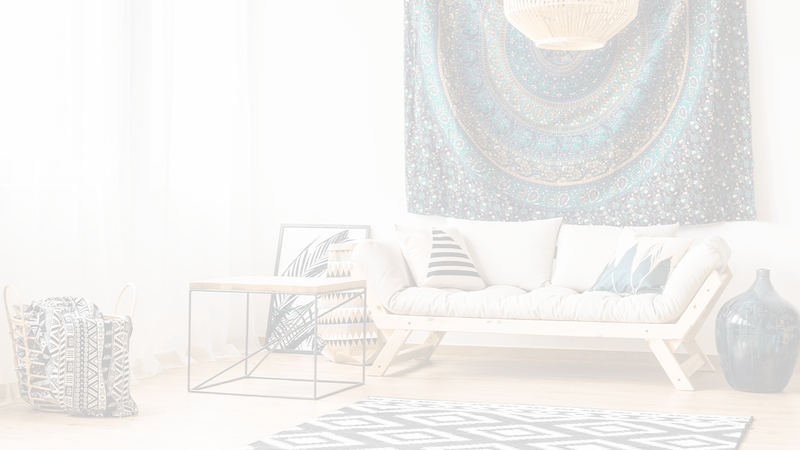
Are you looking to transform your space quickly and stylishly? Hanging a tapestry on your wall is one of the easiest ways to add color, texture, and personality to any room.
But if you’re unsure how to do it without damaging your walls or the tapestry itself, you’re not alone. In this guide, you’ll discover simple, practical tips that make hanging tapestries a breeze. By the end, you’ll have the confidence to create a stunning focal point that reflects your unique style.
Ready to get started? Let’s dive in!

Credit: www.youtube.com
Choosing The Right Tapestry
Choosing the right tapestry sets the tone for your room’s look and feel. It impacts the space’s mood and visual appeal. Picking a tapestry that fits your wall and style makes hanging it easier and more effective.
Material And Size
Materials affect tapestry texture and durability. Cotton is soft and easy to clean. Polyester resists wrinkles and holds color well. Wool offers warmth and a rich look.
Size matters to match your wall space. Small tapestries suit narrow walls or corners. Large ones work best on wide, empty walls. Measure your wall before buying to avoid mistakes.
Design And Style
Design should reflect your room’s theme and your taste. Choose patterns that complement furniture and colors. Geometric shapes add modern flair. Floral prints bring a cozy, natural vibe.
Style includes traditional, boho, or abstract looks. Traditional tapestries add a classic touch. Boho styles create a relaxed, artistic feel. Abstract designs provide a bold statement. Select a style that fits your personality and space.

Credit: aboderie.co.uk
Preparing Your Wall
Preparing your wall is an important step before hanging a tapestry. It ensures the fabric stays in place and looks great. Taking time to prepare protects your wall and the tapestry itself.
Selecting The Location
Choose a wall that has enough space for your tapestry size. Avoid areas with direct sunlight to prevent fading. Pick a spot where the tapestry will be a focal point. Consider the height so the tapestry hangs evenly. Walls away from moisture keep your tapestry safe from damage.
Cleaning The Surface
Clean the wall to remove dust and dirt. Use a damp cloth or mild cleaner. Let the wall dry completely before hanging. A clean surface helps tape or hooks stick better. This step prevents the tapestry from slipping or falling.
Tools And Supplies Needed
Hanging a tapestry on your wall needs some basic tools and supplies. Having the right items makes the job easier and protects your wall and fabric. Prepare your tools before starting to avoid interruptions. This section lists the essentials and a few extras that help with neat and secure hanging.
Essential Hanging Tools
- Measuring tape – to find the perfect spot and height
- Level – ensures the tapestry hangs straight and looks good
- Hammer or drill – for fixing nails or screws into the wall
- Nails, screws, or wall hooks – to hold the tapestry firmly
- Painter’s tape – marks the position without damaging walls
- Stud finder – locates wall studs for stronger support
Optional Accessories
- Command strips – damage-free hanging for lightweight tapestries
- Push pins or thumbtacks – simple, easy for small tapestries
- Wooden dowel or curtain rod – adds structure and style
- Adhesive velcro strips – allows easy removal and adjustment
- Fabric clips or clamps – hold tapestry edges neatly
Hanging Methods
Hanging tapestries on a wall can transform any space quickly and beautifully. Choosing the right hanging method depends on the wall type and the tapestry’s weight. Some methods require tools and hardware, while others are damage-free and easy to remove. Below are popular ways to hang tapestries safely and attractively.
Using Nails And Hooks
Nails and hooks provide strong support for heavier tapestries. Use small nails or picture hooks to avoid large holes. Place nails at the top corners of the tapestry. This method holds the fabric flat and secure. It suits walls made of wood or drywall.
Command Strips And Adhesives
Command strips offer a no-damage solution for hanging tapestries. These adhesive strips stick firmly to walls and remove cleanly. Attach strips to the tapestry corners or along the top edge. Press the tapestry against the wall for a few seconds. Ideal for renters or delicate surfaces.
Tapestry Rods And Clips
Tapestry rods add a decorative touch and make removal simple. Slide the tapestry onto the rod or use clips to hold it in place. Mount the rod on brackets or hooks fixed to the wall. This method works well for heavier fabrics and adds a framed look.
Velcro Strips
Velcro strips create an easy, adjustable way to hang tapestries. Attach one side of the Velcro to the wall and the other to the tapestry. Press the tapestry firmly against the wall strips. This option lets you reposition the tapestry quickly. Suitable for lightweight to medium fabrics.
Step-by-step Hanging Guide
Choose the right spot on your wall to hang the tapestry. Use hooks or nails to secure it firmly without damaging the fabric. Adjust the tapestry so it hangs flat and straight for a neat look.
Hanging a tapestry can transform any room. Follow these simple steps to hang it perfectly.Measuring And Marking
First, measure the tapestry’s width and height. This ensures it fits your wall space. Use a tape measure for accuracy. Mark the wall where you want the top to be. Use a pencil for marking. This helps keep the tapestry level. Double-check the marks before proceeding.Installing Hardware
Choose the right hardware for your tapestry. Rods work well for larger pieces. Nails or hooks suit smaller ones. Install the hardware based on your tapestry’s weight. Drill holes for heavy tapestries. Insert anchors if needed. This provides extra support. For rods, attach brackets to the wall. Ensure they are secure.Mounting The Tapestry
Now, it’s time to hang your tapestry. If using a rod, slide the tapestry onto it. Then, place the rod on the brackets. Adjust it to ensure it hangs evenly. For hooks or nails, carefully drape the tapestry. Align it with your markings. Smooth out any wrinkles. Step back and admire your work. Adjust as necessary for a perfect look.Tips For A Neat Display
Creating a neat tapestry display requires more than just hanging the fabric on your wall. Paying attention to small details can transform your tapestry into a striking focal point that enhances your space. Here are some practical tips to keep your tapestry looking smooth, well-shaped, and professionally presented.
Avoiding Wrinkles And Sagging
Wrinkles and sagging can ruin the look of your tapestry quickly. To prevent this, make sure your tapestry is stretched evenly across the wall. Using a sturdy rod or a series of hooks spaced evenly can help distribute weight and keep the fabric taut.
Try ironing or steaming your tapestry before hanging it. This simple step removes creases and makes the fabric easier to handle. Also, check if your wall is flat and clean—uneven surfaces cause unwanted folds and dips in the fabric.
Ever noticed how a loose tapestry pulls your eye away from the room? Keeping it tight will make sure your tapestry commands attention for all the right reasons.
Maintaining Tapestry Shape
Over time, tapestries can lose their shape if not properly supported. Use clips or Velcro strips along the edges to hold the fabric in place without causing damage. These tools allow you to adjust tension without leaving permanent marks.
Consider rotating your tapestry occasionally if sunlight hits it directly. UV rays can weaken fibers and distort the shape. Protect your investment by using UV-protective sprays or placing the tapestry in a spot with indirect light.
Ask yourself: Is your tapestry hanging like a piece of art or just draped over the wall? The way you support its edges and corners will make all the difference in keeping it looking fresh and inviting.
Caring For Your Tapestry
Caring for your tapestry ensures it stays vibrant and intact for years. Proper attention goes beyond just hanging it on your wall. It involves regular cleaning, gentle maintenance, and smart storage to protect it from damage.
Cleaning And Maintenance
Dust your tapestry regularly using a soft brush or a vacuum with a brush attachment. This prevents dirt from embedding into the fabric. Avoid harsh chemicals; instead, spot clean with mild detergent and cold water if needed.
Check for signs of wear or loose threads and trim them carefully to avoid unraveling. If your tapestry is delicate or antique, consider professional cleaning to preserve its fibers. How often do you inspect your tapestry for damage? Making it a habit can save you from costly repairs later.
Storage Suggestions
When not displaying your tapestry, roll it gently instead of folding to prevent creases. Use acid-free tissue paper between layers if rolling multiple tapestries together. Store it in a cool, dry place away from direct sunlight to avoid fading.
Keep it away from pests by placing cedar blocks or lavender sachets nearby. Avoid plastic bags as they trap moisture, causing mildew. Have you thought about how your tapestry’s storage environment might affect its longevity?
Credit: www.etsy.com
Frequently Asked Questions
How Do I Hang A Tapestry Without Damaging Walls?
Use removable adhesive hooks or strips designed for walls. These hold tapestries securely without holes or marks. Avoid nails or screws if you rent or want a damage-free option. Always check weight limits on hooks for best results.
What Is The Best Method To Hang Heavy Tapestries?
For heavy tapestries, use wall anchors or screws with a wooden dowel for support. This distributes weight evenly and prevents sagging. Ensure you mount into a stud or use strong anchors for safety and stability.
Can I Hang A Tapestry With Thumbtacks Or Push Pins?
Yes, thumbtacks or push pins work well for lightweight tapestries. Insert pins evenly along edges to avoid damage. This method is easy and leaves small holes that are easy to repair.
How Do I Keep My Tapestry Wrinkle-free On The Wall?
Use a wooden dowel or curtain rod to keep tapestries taut. Iron or steam your tapestry before hanging to remove wrinkles. Hanging it properly prevents folds and keeps the fabric smooth and attractive.
Conclusion
Hanging tapestries on your wall adds style and warmth to any space. Choose the right method based on your wall type and tapestry size. Use simple tools like nails, hooks, or rods for easy installation. Take time to position your tapestry evenly and securely.
Enjoy the new look and feel of your room. Small changes can make a big difference in home decor. Keep experimenting to find what suits your style best. Decorating should be fun and reflect your personality.



