
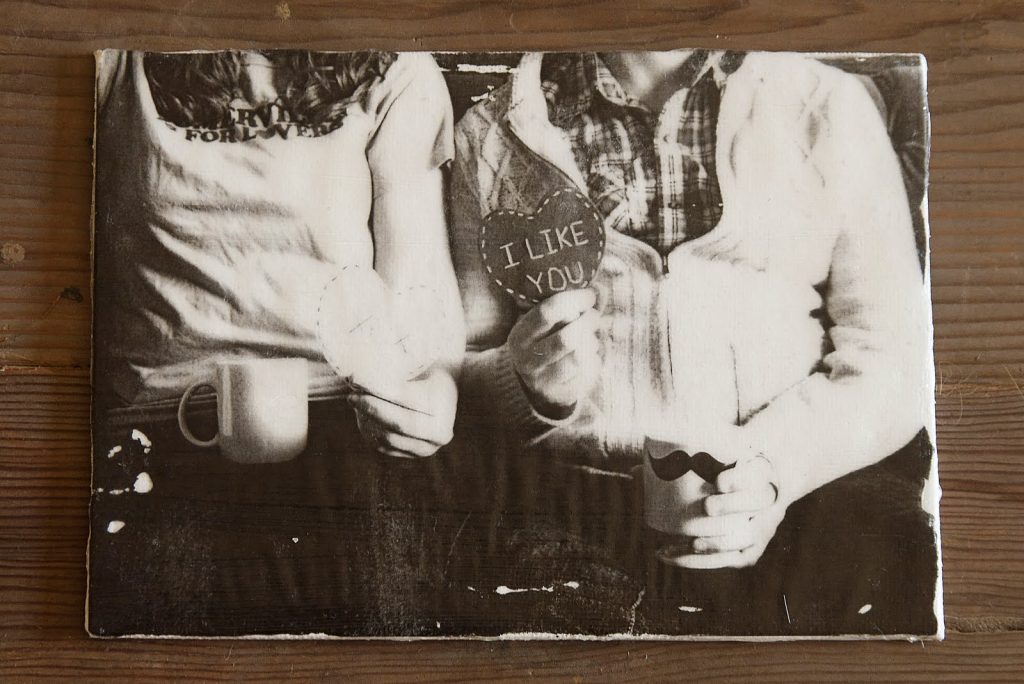
Have you ever wished to transform your cherished photos into beautiful canvas art? Imagine your favorite memories hanging on your wall, where you can see them every day.
Transferring a photo to canvas might sound challenging, but it’s easier than you think. This simple process can turn ordinary pictures into extraordinary pieces of art that add a personal touch to any room. You’ll discover how to give your photos a new life and impress everyone who visits your home.
Ready to unleash your inner artist and create something truly unique? Let’s dive into the steps of transferring your photo to canvas and watch your images come to life in a whole new way.
Credit: diyjoy.com
Choosing The Right Photo
Choosing the right photo is key to creating a beautiful canvas print. The image sets the tone and quality of the final artwork. Picking a photo that looks sharp and meaningful will make your canvas stand out.
Selecting High-quality Images
Start with a photo that is clear and free of blurriness. Avoid images with noise or low lighting. Photos taken with good lighting and focus make the best canvas prints. Use pictures that feel vibrant and natural.
Considering Image Resolution
Resolution affects how sharp your image looks on canvas. High resolution means more pixels and better detail. Aim for at least 300 DPI for crisp prints. Low-resolution photos may appear pixelated or fuzzy when enlarged.
Check the image size in pixels before printing. Large prints need bigger files to keep the quality. If the file is too small, the canvas may lose details and look blurry.
Photo Subject And Composition
Choose photos with clear subjects that catch the eye. Simple backgrounds help the main subject stand out better. Balance your photo by placing key elements off-center for a natural look.
Good composition guides the viewer’s eye around the image smoothly. Avoid cluttered or busy scenes that distract from the focus. Portraits, landscapes, and close-ups work well depending on your style.

Credit: www.youtube.com
Picking The Canvas
Picking the right canvas sets the stage for a stunning photo transfer. The canvas you choose affects the final look and feel of your art. It also impacts how your photo will appear once printed or transferred. Understanding the sizes, materials, and finishes helps you make the best choice for your project.
Canvas Sizes And Types
Canvas sizes vary widely. Small canvases suit portraits or close-up shots. Larger canvases work well for landscapes and group photos.
- Common sizes include 8×10, 16×20, and 24×36 inches.
- Square, rectangular, and panoramic shapes are available.
- Choose a size that fits your space and photo detail.
Types of canvas include gallery wrap and traditional stretcher bars. Gallery wrap has the image extend around the sides. Traditional stretcher bars show a plain edge, perfect for framing.
Material Choices
Canvas materials influence durability and print quality. Cotton canvas offers a natural texture and good color absorption. Polyester canvas is more durable and water-resistant.
- Cotton is soft and affordable.
- Polyester is strong and holds colors well.
- Blended fabrics combine benefits of both materials.
Consider where you will hang the canvas. Cotton suits indoor use. Polyester is better for humid or outdoor spaces.
Texture And Finish Options
Texture adds character to your canvas print. Smooth canvases highlight photo details sharply. Rough or textured canvases give an artistic, painterly feel.
- Matte finish reduces glare for easy viewing.
- Satin finish balances shine and softness.
- Glossy finish gives vibrant colors and a sleek look.
Choose a finish that matches your photo style and room lighting. Matte is great for bright rooms. Glossy suits dimmer spaces.
Preparing The Photo
Preparing your photo correctly is key to creating a stunning canvas print. The quality of your final artwork depends heavily on how well you edit and adjust your image before printing. Paying close attention to details like color, size, and composition ensures your photo looks vibrant and sharp on canvas.
Editing For Best Results
Start by removing any unwanted objects or distractions from your photo. Simple tools like the clone stamp or healing brush can clean up imperfections and make your image more focused.
Sharpen your photo slightly to enhance details that might get softened during the printing process. Be careful not to overdo it, as too much sharpening can create unnatural edges.
Have you noticed how some photos look dull when printed? That’s often because the photo wasn’t edited for print. Adjust brightness and contrast to make sure your image doesn’t appear flat on canvas.
Color Correction Tips
Colors on screen often appear different from printed colors. To avoid surprises, adjust your photo’s color balance to match the warmth or coolness you want in the print.
Use tools like saturation and vibrance to make colors pop, but keep them realistic. Over-saturated colors may look great digitally but can appear garish on canvas.
Consider your canvas material and lighting where the print will hang. If your space has warm lighting, cooler tones in your photo might balance it out nicely.
Resizing And Cropping
Make sure your photo’s resolution matches the size of your canvas. Low-resolution images can become pixelated or blurry when enlarged.
Crop your photo to fit the canvas dimensions without cutting out important details. Pay attention to the composition; sometimes shifting the crop slightly improves the overall balance.
Think about how the edges of your image will wrap around the canvas frame. Avoid placing critical parts of your photo too close to the edges to prevent losing them during wrapping.
Transfer Methods
Choosing the right transfer method can make a big difference in how your photo looks on canvas. Each technique offers unique benefits and challenges, so understanding them helps you pick what fits your style and skills best. Let’s dive into some popular ways to get your photo onto canvas with clear, practical steps.
Using Transfer Paper
Transfer paper lets you trace or print your photo onto the canvas surface. First, print your image in reverse on the transfer paper. Then place the paper face down on the canvas and apply pressure with a burnishing tool or spoon.
This method is great if you want precise control over the image placement. It works well with simple designs or text. Have you tried pressing too hard and ended up with a blurry image? That’s why gentle, even pressure is key.
Gel Medium Technique
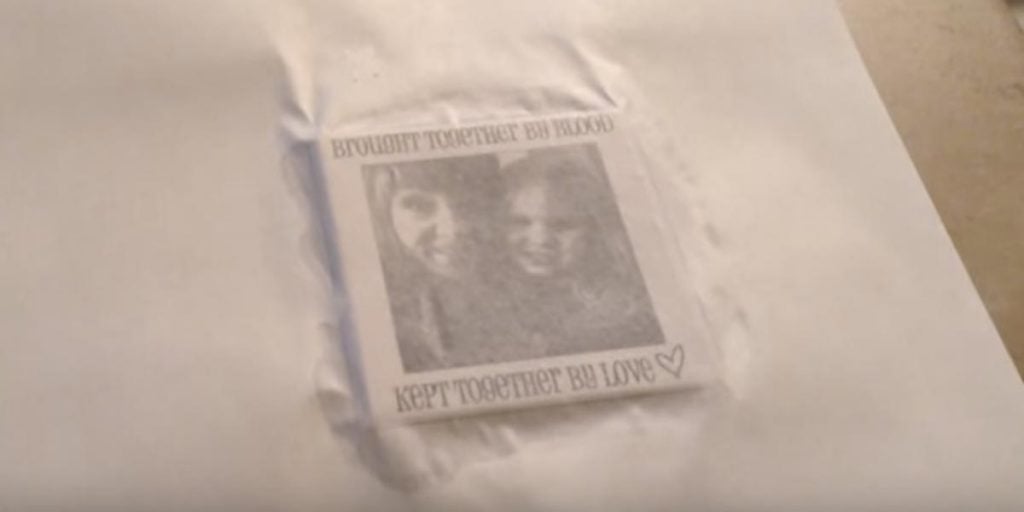
The gel medium technique uses a special acrylic gel to transfer your photo. You start by printing the photo on regular paper, then brush a layer of gel medium onto the canvas. Press the photo face down onto the gel and let it dry completely.
Once dry, carefully rub off the paper with a damp cloth, revealing the transferred image. This approach creates a textured, artistic look that blends well with painted backgrounds. Curious how the gel medium can add depth to your canvas art? Try layering it with paint for a mixed-media effect.
Direct Printing On Canvas
Direct printing involves using a specialized printer to print the photo directly onto the canvas fabric. This method produces sharp, vibrant images with minimal setup. It’s perfect if you want a professional, polished finish quickly.
Many print shops offer this service, or you can invest in a printer designed for canvas printing. Have you considered how this saves time and maintains photo detail better than manual transfers? It’s a reliable choice for high-quality art or gifts.
Step-by-step Transfer Process
Transferring a photo to canvas is a creative way to display memories or artwork. The process involves a few simple steps that anyone can follow. Each step helps ensure the photo moves cleanly and clearly onto the canvas surface. This guide breaks down the transfer into clear parts for easy understanding.
Gathering Materials
Collect all necessary items before starting. You will need:
- A printed photo on regular paper
- A blank canvas
- Gel medium or photo transfer medium
- A paintbrush or sponge
- A ruler or scraper tool
- A bowl of water and a soft cloth
Having everything ready makes the transfer process smooth and efficient.
Applying The Transfer
Apply a thin, even layer of gel medium to the canvas. Next, place the photo face down on the canvas. Press gently to remove air bubbles and wrinkles. Use a ruler or scraper to smooth the image firmly. Let the canvas dry completely before moving to the next step.
Drying And Setting Time
Allow the canvas to dry for at least 24 hours. This drying time helps the photo stick well to the canvas. After drying, moisten the paper with a damp cloth. Gently rub the paper to reveal the photo underneath. Take care not to rub too hard and damage the image.
Finishing Touches
After transferring your photo to canvas, the final details matter the most. The finishing touches protect your artwork and enhance its overall look. Paying attention here ensures your photo on canvas stands the test of time and looks stunning wherever you choose to display it.
Sealing The Artwork
Sealing the canvas is crucial to preserve the colors and prevent damage from dust or moisture. You can use a clear acrylic sealer spray, which dries quickly and adds a subtle sheen. Apply it in thin, even layers, holding the spray about 12 inches away from the surface to avoid drips.
Remember to do this in a well-ventilated area, and let each coat dry fully before applying the next. If you prefer, use a brush-on varnish for more control, but be gentle to avoid disturbing the photo transfer underneath.
Adding Protective Coats
Protective coats add durability and can change the finish from matte to glossy, depending on your preference. Choose from polyurethane, epoxy resin, or gel mediums designed for canvas art. Each type has its pros and cons—polyurethane is easy to apply, while epoxy resin offers a glass-like finish but requires careful mixing.
Test a small corner first to see how it affects the colors and texture. Adding multiple coats can boost protection, but too many might obscure fine details. How do you want your artwork to feel and look when you touch it? That can guide your choice here.
Framing And Display Ideas
Framing your photo canvas is more than just protection—it’s about making a statement. Floating frames add depth and a modern look, while traditional wooden frames bring warmth and classic charm. You might also consider mounting your canvas on a sturdy backing board for wall display without a frame.
Think about where you’ll hang your canvas. Bright sunlight can fade colors over time, so a spot with indirect light might be better. Would a clean white wall or a bold colored accent wall make your photo pop more? Experiment with placement before making a final decision.
Common Mistakes To Avoid
Transferring a photo to canvas can be tricky. Avoiding common mistakes helps achieve a clean, lasting result. Small errors can cause wrinkles, bubbles, or fading that ruin your artwork. Careful attention during the process makes a big difference. Learn what to watch out for to keep your canvas perfect.
Handling Wrinkles And Bubbles
Wrinkles and bubbles appear when the photo or canvas is not smooth. Press the photo firmly but gently to avoid creases. Use a flat tool like a credit card to smooth out air pockets. Work slowly from the center outward. Avoid rushing or folding the photo during transfer.
Preventing Color Fading
Colors fade when exposed to sunlight or moisture. Use UV-protective spray to guard the image. Choose a dry and clean area for drying. Avoid direct sunlight during and after the transfer. Store the canvas in a cool, dark place if not displaying immediately.
Ensuring Proper Adhesion
Poor adhesion causes peeling and damage over time. Apply even glue or transfer medium to the entire surface. Make sure both canvas and photo are clean and dry before starting. Press the photo firmly onto the canvas, removing any air bubbles. Let it dry completely before handling or framing.

Credit: www.youtube.com
Tips For Long-lasting Canvas Art
Keeping your photo canvas looking fresh and vibrant requires a bit of care beyond just the initial transfer process. Small habits can make a big difference in how long your canvas art stays beautiful. Here are practical tips to help your canvas last for years without losing its charm.
Storage Recommendations
Store your canvas art in a cool, dry place away from extreme temperatures and humidity. Moisture can cause the canvas to warp or develop mold, which damages the photo and fabric.
If you’re not displaying your canvas immediately, wrap it in acid-free paper or a clean cloth to protect it from dust and dirt. Avoid plastic wrap as it can trap moisture and promote mildew.
Cleaning And Maintenance
Dust your canvas regularly using a soft brush or microfiber cloth to keep the surface clean without scratching it. Avoid using water or cleaning sprays directly on the canvas since these can damage the photo layer.
For stubborn spots, gently dab with a barely damp cloth and let it air dry completely. Have you noticed how a little dust buildup dulls the colors? Staying consistent with light cleaning preserves the vibrant look.
Avoiding Sunlight Damage
Sunlight fades colors over time, so try to place your canvas away from direct sunlight or use UV-protective glass if framing it. Bright windows are tempting spots but can cause the photo to lose its sharpness and vibrancy faster.
Consider rotating your canvas occasionally if it’s near a window to prevent uneven fading. Have you ever seen a once-bright print look washed out after a year in the sun? Simple placement choices can prevent that.
Frequently Asked Questions
How Do I Transfer A Photo To Canvas At Home?
You can transfer photos using gel medium or heat transfer methods. Print your photo on regular paper, apply gel medium on canvas, place the photo face down, and let it dry. Then, gently remove the paper, revealing the transferred image.
What Materials Are Needed For Photo To Canvas Transfer?
You need a printed photo, canvas, gel medium or transfer paper, a brush, and a sponge. These materials help transfer your image clearly and smoothly onto the canvas surface.
Can I Use Any Photo For Canvas Transfer?
Yes, but high-resolution images work best. Clear, sharp photos produce better transfer results. Avoid low-quality or pixelated images for a crisp final look.
How Long Does The Photo Transfer Process Take?
The process usually takes 1 to 2 hours, including drying time. Drying depends on gel medium thickness and room conditions, so be patient for best results.
Conclusion
Transferring photos to canvas adds a personal touch to any space. It lets you turn memories into art easily. Follow simple steps to get clear and lasting results. Choose the right materials and take your time. Enjoy the process and create something special.
This method works well for gifts or home decor. Try it yourself and see how fun it can be. Your photos deserve to be seen in a new way.



