
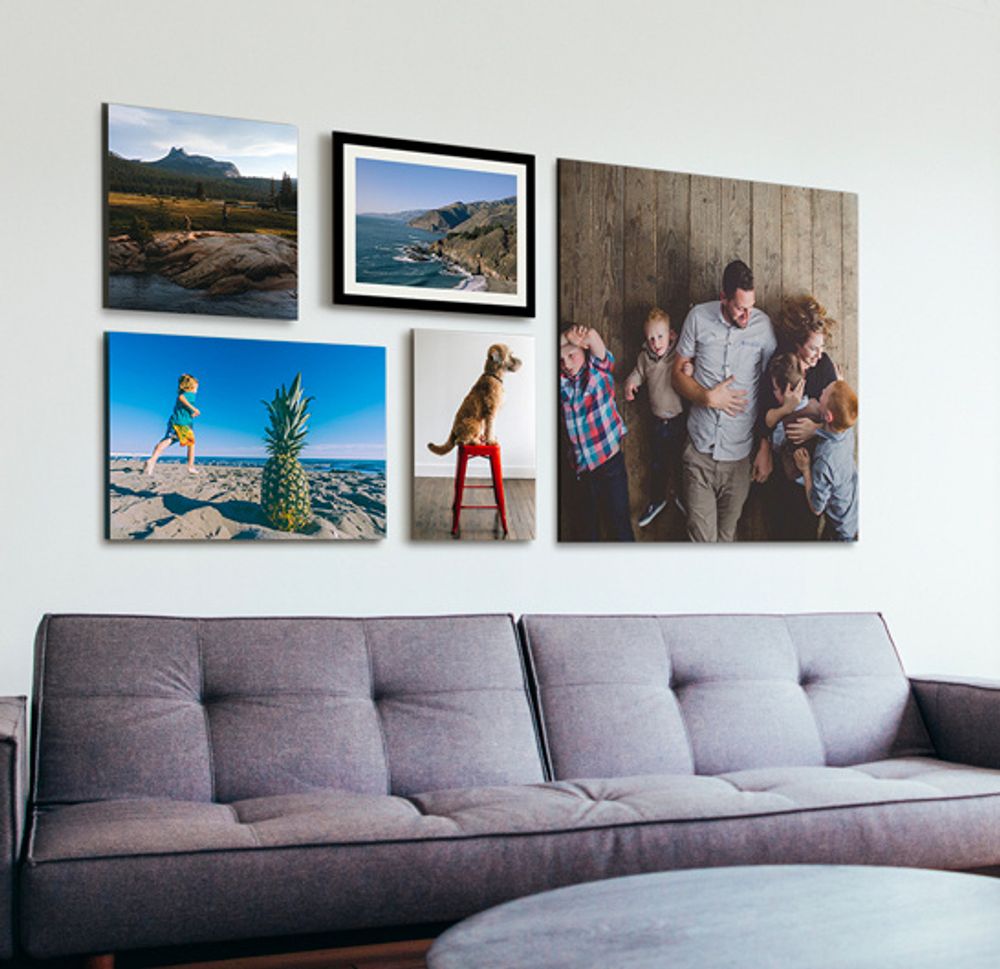
Want to turn your favorite photos into beautiful canvas prints that brighten up your space? You’re in the right place.
Printing photos on canvas is easier than you think, and it gives your memories a fresh, artistic look. Whether it’s a family portrait, a stunning landscape, or a special moment, your photos deserve to be displayed in a way that truly stands out.
Keep reading, and you’ll discover simple steps and tips to create stunning canvas prints that you’ll love showing off.

Credit: fujifilmprintlife.ca
Choosing The Right Photo
Choose a clear, high-resolution photo to ensure sharp details on the canvas. Bright, well-lit images work best for vibrant prints. Select pictures with simple backgrounds to keep the focus on the main subject.
Choosing the right photo is crucial when printing on canvas. A well-chosen image can transform into a stunning piece of art. It sets the tone and evokes emotions. Consider these essential factors to ensure your canvas print stands out.High Resolution Matters
Images must be clear and detailed. High resolution ensures the final print is sharp. A low-resolution photo may look pixelated when enlarged. Aim for at least 300 DPI for best results. This guarantees clarity and crispness in your canvas print.Selecting The Best Subject
Choose a subject that speaks to you. Personal photos often make great canvas prints. Family portraits, landscapes, or meaningful moments are popular choices. The subject should be engaging and visually appealing.Color Vs Black And White
Decide between color or black and white. Both have unique qualities. Color photos are vibrant and lively. Black and white can be dramatic and timeless. Consider the mood you want to convey in your print.
Credit: www.canvasjet.com
Preparing Your Image
Preparing your image is essential before printing on canvas. A well-prepared photo ensures clear, vibrant results. Editing helps the image look its best on the textured canvas surface. Proper adjustments improve colors, brightness, and sharpness. This step makes a big difference in the final print quality.
Editing For Canvas
Choose software that supports high-resolution editing. Avoid heavy filters that may lose detail. Enhance important parts of the photo gently. Keep the image natural and true to the original. Check for any spots or marks to remove. Save the file in a format that preserves quality, like PNG or TIFF.
Adjusting Brightness And Contrast
Canvas prints can appear darker than digital screens. Increase brightness slightly to brighten the image. Boost contrast to make colors pop and details clear. Avoid overdoing it to prevent washed-out looks. Test adjustments by previewing the image on different devices. Aim for balanced tones that look good in natural light.
Cropping And Resizing
Canvas sizes vary, so crop your photo to fit the chosen dimensions. Keep the main subject centered and avoid cutting important parts. Resize the image to match the canvas resolution, usually 150-300 dpi. Use image editing tools to maintain sharpness during resizing. Proper cropping and resizing prevent blurry or stretched prints.
Picking The Canvas Material
Picking the right canvas material is key to printing photos that look great and last long. The canvas fabric affects color, texture, and durability. Choosing the best option depends on your photo and where you want to display it.
Types Of Canvas Fabrics
Canvas comes in different fabrics, each with unique qualities. Cotton canvas is soft and natural. It holds colors well and feels warm. Polyester canvas is stronger and more resistant to water. It works well for vibrant, sharp images. Linen canvas offers a fine texture and is very durable. It gives a classic, elegant look to prints.
Texture And Finish Options
Texture changes how the photo looks and feels. Smooth canvas makes colors bright and clear. Rough or grainy canvas adds depth and a painterly effect. Finishes also affect appearance. Matte finish reduces glare and gives a soft look. Glossy finish makes colors pop and adds shine. Satin finish balances shine and softness.
Durability Considerations
Durability matters for photo longevity. Cotton canvas can stretch and warp over time if not treated. Polyester canvas resists moisture and wrinkles better. Linen is strong and lasts the longest but costs more. Consider where the photo will hang. High humidity or sunlight needs stronger, treated canvas. Proper care extends the life of your printed photo.
Printing Techniques
Printing photos on canvas requires choosing the right technique to bring out the best in your images. The printing method affects the texture, color depth, and durability of the final product. Understanding different printing options helps you create a canvas that truly stands out.
Inkjet Vs Giclée Printing
Inkjet printing is common and widely available. It sprays tiny droplets of ink directly onto the canvas, producing good quality results. However, Giclée printing, a specialized form of inkjet, uses higher-quality inks and printers designed for fine art reproduction.
Giclée prints offer richer colors and finer details, which last longer without fading. If you want your photo on canvas to feel like a professional art piece, Giclée is worth considering. Are you aiming for a quick print or a long-lasting masterpiece?
Color Accuracy Tips
Colors often look different on screen than on canvas. To get true-to-life colors, calibrate your monitor before editing. Use color profiles that match your printer and canvas type to avoid surprises.
Soft proofs can show how colors will appear once printed, helping you adjust hues beforehand. Don’t forget to check your image under different lighting conditions. Have you double-checked if your colors pop as you want?
Avoiding Common Printing Errors
Blurry or pixelated prints are usually caused by low-resolution images. Always use high-resolution files—at least 300 DPI for canvas printing. Stretching a small photo over a large canvas results in poor quality.
Another common issue is uneven ink distribution, leading to blotchy spots. Make sure your printer is well-maintained and the canvas is properly loaded. Have you inspected your printer heads or done a test print before the final run?
Framing And Stretching
Framing and stretching your printed canvas photos is key to turning them into eye-catching wall art. It protects your image and gives it a polished look that enhances any space. How you choose to frame and stretch affects not only the durability but also the style and impact of your photo.
Choosing The Right Frame
Think about the style of your room before picking a frame. A simple black or white frame suits modern décor, while natural wood adds warmth to rustic spaces.
Measure your canvas carefully to ensure the frame fits perfectly. Too tight and you risk damage; too loose and it looks unfinished.
Consider whether you want a floating frame that shows the edges of your canvas or a full frame that covers them. This choice changes the overall vibe of your artwork.
Diy Stretching Tips
Stretching your canvas yourself can save money and give you control over the final look. You’ll need stretcher bars, a staple gun, and patience.
Start by assembling the stretcher bars into a frame. Lay your canvas face down, then pull the fabric tight over the frame, stapling along the edges.
Work from the center of each side toward the corners to avoid wrinkles. The corners require careful folding and extra staples to keep the canvas taut.
Have you noticed small bubbles or slack after stretching? Releasing a few staples and adjusting the tension often fixes this.
Professional Framing Services
If you want a flawless finish, professional framing is worth considering. Experts use high-quality materials and techniques to preserve your canvas for years.
They can also offer custom options like UV-protective glass or special mounting methods. This adds value and protection to your photo.
Think about how much time and effort you want to invest. Sometimes, paying for a professional touch saves you frustration and guarantees a stunning result.
Caring For Your Canvas Print
Caring for your canvas print helps it stay beautiful for many years. Proper care keeps the colors bright and the fabric strong. Small habits can protect your artwork from damage.
Cleaning Tips
Dust your canvas regularly with a soft, dry cloth. Avoid using water or cleaning sprays directly on the surface. If needed, gently wipe with a slightly damp cloth. Never use harsh chemicals or abrasive materials. Handle the canvas gently to prevent scratches or marks.
Protecting From Sunlight
Keep your canvas away from direct sunlight to avoid fading. Choose spots with indirect light or use curtains to soften strong rays. Prolonged exposure to sunlight can weaken the canvas fibers. Rotate your artwork occasionally to prevent uneven fading. Consider UV-protective glass if framing your canvas.
Handling Moisture And Humidity
Avoid placing your canvas in damp or humid areas. High moisture can cause mold or warping. Use a dehumidifier in rooms with high humidity levels. Keep the canvas away from kitchens and bathrooms. If moisture appears, air dry the canvas quickly to prevent damage.
Where To Print Canvas Photos
Choosing the right place to print photos on canvas affects the final look and feel. There are multiple options available. Each offers distinct benefits depending on your needs, budget, and timeline.
Online Printing Services
Online printing services provide convenience and variety. You can upload your photos from home and customize your canvas size. Many websites offer tools to adjust image quality and framing options.
Delivery comes straight to your door. These services often use advanced printing technology. They produce sharp, vibrant images on durable canvas material. Customer reviews and ratings help pick reliable providers.
Local Print Shops
Local print shops allow in-person consultations. You see samples and discuss your project directly. This option supports small businesses and often results in faster turnaround times.
You can check paper quality and color accuracy before printing. Local shops may offer personalized advice for framing and mounting. Visiting a shop also allows you to handle the canvas before purchase.
Comparing Prices And Quality
| Option | Price Range | Print Quality | Customization | Delivery Time |
|---|---|---|---|---|
| Online Printing Services | Low to Medium | High | Extensive | Several Days |
| Local Print Shops | Medium to High | High | Personalized | Same Day to Few Days |
Prices vary based on size, material, and framing options. Quality depends on printer technology and canvas type. Decide what matters most: cost, speed, or customization.
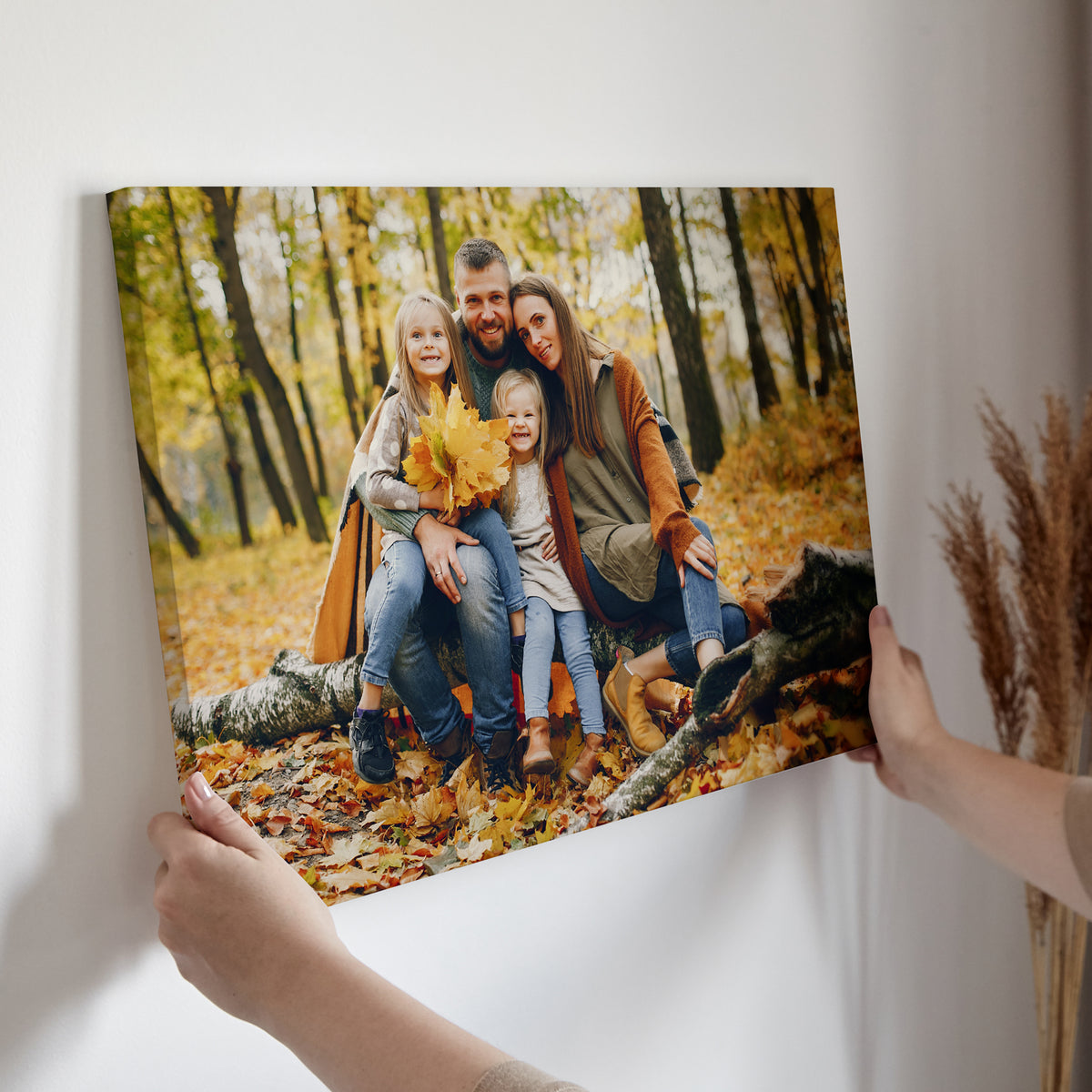
Credit: fujifilmprintlife.ca
Frequently Asked Questions
What Materials Do I Need To Print Photos On Canvas?
You need a high-quality printer, canvas paper, photo editing software, and a protective coating. Ensure your printer supports thick media and use archival inks for lasting prints.
How Do I Prepare My Photo For Canvas Printing?
Edit your photo for color accuracy, resolution, and size. Use at least 300 dpi resolution and adjust brightness and contrast for best results.
Can I Print Photos On Canvas At Home?
Yes, with the right printer and materials. Use inkjet printers with canvas-compatible paper and follow proper printing and drying techniques for quality results.
What Is The Best Canvas Type For Photo Printing?
Cotton or polyester blend canvases with a matte or semi-gloss finish work best. They provide vibrant color reproduction and durability for photo prints.
Conclusion
Printing photos on canvas adds a personal touch to your space. Choose the right photo and canvas size carefully. Use good quality printing materials for best results. Follow the steps to prepare and print your image clearly. Enjoy your unique artwork that brings memories to life.
Canvas prints make great gifts or home decor. Start your project with confidence and creativity today. Simple, fun, and rewarding.



