
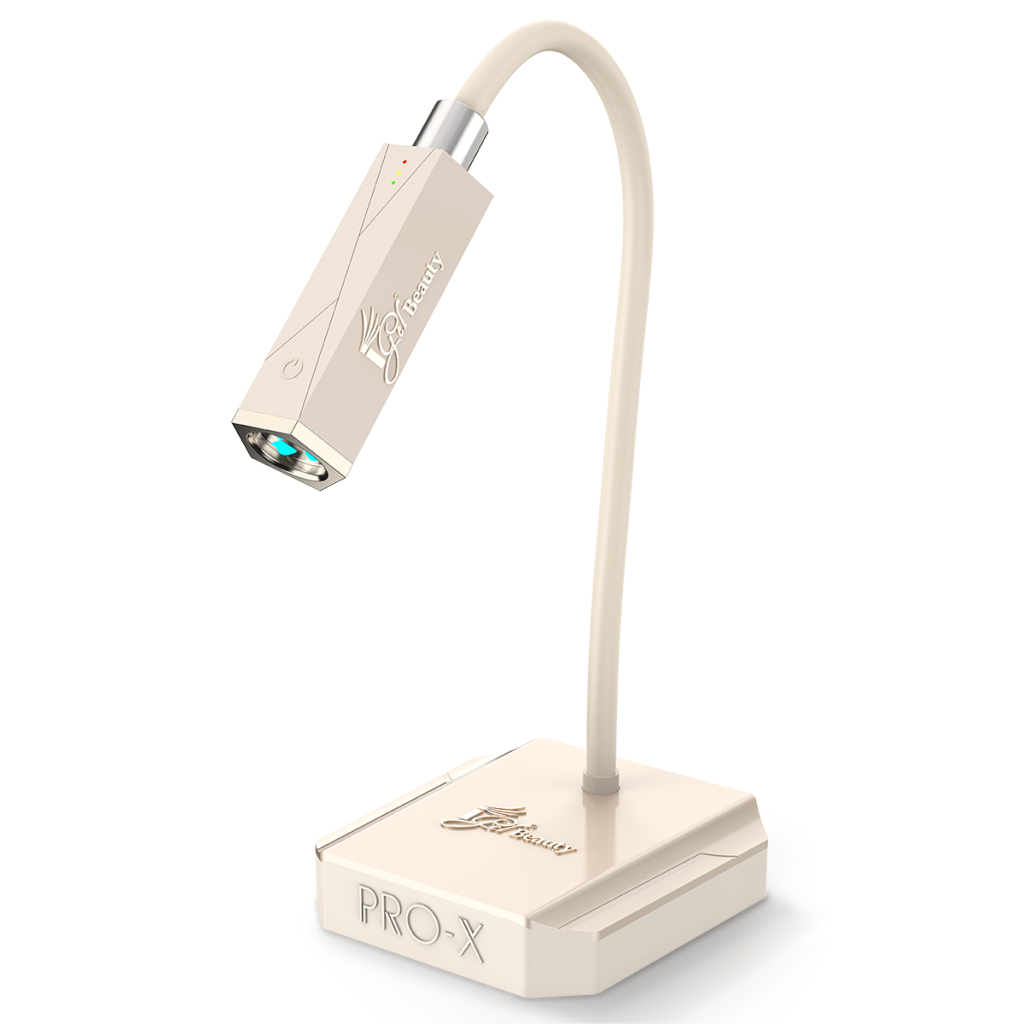
Are you wondering if your UV desk lamp can give you a tan? It’s a question many people ask but few really understand.
You might be surprised to learn how these lamps work and whether they can actually change the color of your skin. Keep reading, because what you don’t know could affect your skin health and your daily routine. By the end of this article, you’ll have clear answers and useful tips to keep your skin safe and glowing.
Let’s dive in!
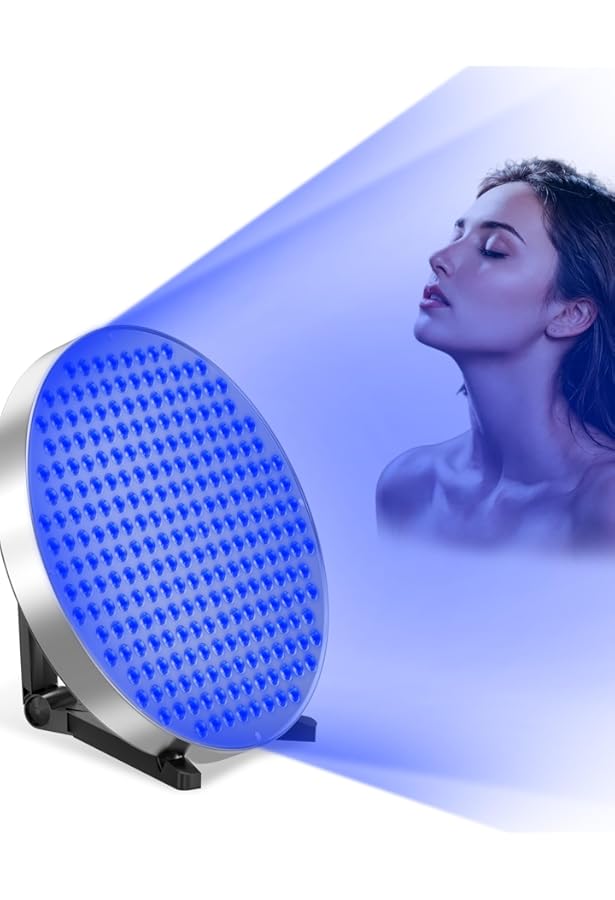
Credit: www.amazon.com.be
How Uv Desk Lamps Work
Understanding how UV desk lamps work can help you decide if they contribute to tanning your skin. These lamps emit ultraviolet light, which interacts with your skin in different ways depending on the type and strength of the UV rays. Knowing the details behind these factors can clear up common misconceptions about UV lamps and tanning.
Types Of Uv Light Emitted
UV desk lamps typically emit either UVA or UVB light, or sometimes both. UVA rays penetrate deeper into the skin and are mainly responsible for skin aging and some tanning effects. UVB rays affect the outer skin layers and are the primary cause of sunburn and the skin’s production of vitamin D.
If your lamp emits mostly UVA, it might cause a mild tan but not the same deep bronzing from natural sunlight. Lamps that emit UVB can trigger tanning but also increase the risk of skin damage. Have you checked which type of UV your desk lamp emits? This can make a big difference in its effect on your skin.
Intensity And Exposure Duration
The strength of the UV light and how long you expose your skin to it are crucial factors. Even a lamp that emits tanning-friendly UV rays won’t cause much color change if the intensity is low or exposure is brief. Conversely, longer exposure to intense UV light can increase tanning but also the risk of burns.
Think about your daily routine: how close is your skin to the lamp, and for how long do you sit near it? Many people underestimate how much UV they receive just from short periods under strong lamps. Adjusting your distance and limiting your time can help control any tanning or skin damage.
Uv Light And Skin Tanning
Ultraviolet (UV) light plays a key role in skin tanning. It affects skin cells and triggers a natural response. Many wonder if UV light from devices like desk lamps can cause tanning. Understanding how UV light interacts with skin helps answer this question clearly.
Mechanism Of Skin Tanning
Skin tanning happens when UV light reaches the skin. It causes cells to produce more melanin, the pigment that colors skin. Melanin acts like a shield, protecting deeper layers from damage. The darkening of skin is this melanin spreading out.
Two types of tanning occur:
- Immediate tanning:Happens within minutes. It lasts a few hours and is less protective.
- Delayed tanning:Starts after 48 hours. It lasts longer and offers better protection.
Uv Spectrum And Tanning Effects
UV light is split into three main types:
- UVA:Penetrates deep into the skin. Causes aging and some tanning.
- UVB:Affects the skin surface. Mainly responsible for sunburn and strong tanning.
- UVC:Mostly blocked by the atmosphere. Not a tanning factor.
UVB rays trigger melanin production, making skin tan. UVA rays darken existing melanin. Desk lamps usually emit very low UVB rays. They mostly produce UVA or visible light, which rarely causes tanning.
Comparing Uv Desk Lamps To Sunlight
Wondering if your UV desk lamp can give you a tan like the sun? It’s important to understand how these two sources of ultraviolet (UV) light compare. The differences go beyond just brightness and affect how your skin reacts.
Differences In Uv Intensity
Sunlight contains a broad spectrum of UV rays, including UVA and UVB, both of which play roles in tanning. UV desk lamps usually emit a narrower range of UV, often with less intensity.
While sunlight can deliver strong UVB rays that stimulate melanin production, many UV desk lamps focus more on UVA, which penetrates deeper but causes less immediate tanning. This means the strength and type of UV you get from a desk lamp are quite different from natural sunlight.
Effectiveness In Inducing Tan
A tan happens when your skin produces more melanin in response to UVB exposure. Since most UV desk lamps emit low or negligible UVB, their ability to induce a real tan is limited.
Think about times you’ve been under a UV desk lamp versus time spent outside. You might notice a glow from the lamp but rarely a lasting tan. The lamp’s light can create a temporary darkening effect but doesn’t usually trigger melanin production enough for a true tan.
Have you tried using a UV desk lamp to get a tan before? What was your experience? Understanding the science behind UV types helps set the right expectations and keeps your skin safe.
Health Risks Of Uv Desk Lamps
Using a UV desk lamp may seem harmless, especially if you’re using it for tasks like drying nail polish or sanitizing surfaces. However, these lamps can pose health risks that you might not be aware of. Understanding these risks can help you make informed decisions about their usage.
Skin Damage And Aging
UV rays from desk lamps can contribute to skin damage, much like the sun. Prolonged exposure can lead to premature aging, causing wrinkles and age spots. You might think a few minutes won’t hurt, but cumulative exposure over time can have a significant impact.
Consider how often you use your UV lamp and for how long. Are you exposing your skin unnecessarily? Using protective measures, like applying sunscreen, even indoors, can help mitigate these risks.
Eye Safety Concerns
UV light is not just harmful to your skin; your eyes are vulnerable too. Direct exposure can lead to eye strain or more severe conditions like cataracts. Have you ever felt your eyes getting tired after working under a UV lamp? That’s a sign to take a break and protect your vision.
Wearing UV-blocking glasses can be a simple yet effective way to safeguard your eyes. Ensure your workspace is well-lit with natural light to reduce reliance on UV lamps.
Balancing the benefits of a UV desk lamp with its potential health risks is crucial. By taking simple precautions, you can enjoy its advantages without compromising your well-being.
Safe Usage Tips For Uv Desk Lamps
Using a UV desk lamp requires care to avoid skin damage. These lamps emit ultraviolet rays, which can affect your skin and eyes. Following safe usage tips helps protect your health while benefiting from the lamp’s features.
Recommended Exposure Limits
Limit your exposure time to prevent skin harm. Short sessions, about 10 to 15 minutes, are usually safe. Avoid daily use; give your skin time to recover. Pay attention to the lamp’s instructions for specific time limits. Adjust the distance between your skin and the lamp to reduce intensity. Never use the lamp if you notice skin irritation or redness.
Protective Measures To Consider
- Wear UV-blocking glasses to protect your eyes from damage.
- Apply a broad-spectrum sunscreen on exposed skin before use.
- Keep sensitive areas covered or away from direct light.
- Do not use the lamp on broken or irritated skin.
- Keep children and pets away from the lamp during use.
- Store the lamp safely when not in use to avoid accidental exposure.

Credit: www.elle.com
Alternatives For Achieving A Tan
Many people want a tan without using UV desk lamps. These lamps often do not produce a real tan. There are safer and more effective ways to get a sun-kissed look. Some options work quickly, and others last longer. Choosing the right alternative depends on your skin type and how natural you want the tan to look.
Self-tanning Products
Self-tanning products are easy to use at home. They come in lotions, sprays, and mousses. These products contain ingredients that darken the skin temporarily. The tan usually lasts for several days.
- Apply evenly for a natural look.
- Exfoliate your skin before use to avoid patches.
- Choose a shade that matches your skin tone.
Self-tanners avoid UV damage and skin risks. They give a bronze glow without sun exposure. Some products include moisturizing ingredients to keep skin soft.
Professional Tanning Services
Professional tanning salons offer spray tans and airbrush tanning. Trained staff apply an even layer of tanning solution. This method provides a smooth and natural finish. The color develops in a few hours and lasts about a week.
- Safe alternative to sunbathing or tanning beds.
- Customizable shades to suit your preference.
- Quick sessions, usually under 30 minutes.
These services can help you achieve a flawless tan for special occasions. Regular appointments keep your skin looking bronzed without sun damage.

Credit: ponceinletwatersports.com
Frequently Asked Questions
Does A Uv Desk Lamp Cause Skin Tanning?
No, UV desk lamps typically emit UVA or UVB light at low levels. These are not strong enough to cause noticeable tanning. They are designed for curing nail polish or sterilization, not for skin tanning purposes.
Can Uv Desk Lamps Damage My Skin?
Yes, prolonged exposure to UV light from desk lamps can harm your skin. It may cause redness, dryness, or premature aging. Always use UV lamps as directed and avoid direct skin exposure for long periods.
How Long Should I Use A Uv Desk Lamp Safely?
Limit UV desk lamp exposure to recommended times, usually 1-3 minutes per session. Avoid daily prolonged use to minimize skin and eye damage. Follow manufacturer guidelines strictly to ensure safe use.
Are Uv Desk Lamps The Same As Tanning Lamps?
No, UV desk lamps differ from tanning lamps. Tanning lamps emit stronger UV rays designed to darken skin. Desk lamps mostly emit UV light for nail curing or disinfection, not for tanning.
Conclusion
UV desk lamps do not cause tanning like the sun does. They emit low levels of UV light, not enough to change skin color. Using these lamps mainly helps with lighting or certain skin treatments. Protect your skin by avoiding direct UV exposure from strong sources.
Stay safe and understand how UV light works. Your skin health matters most. Choose the right light for your needs and avoid risks. Remember, tanning needs more intense UV rays than a desk lamp can provide.



