
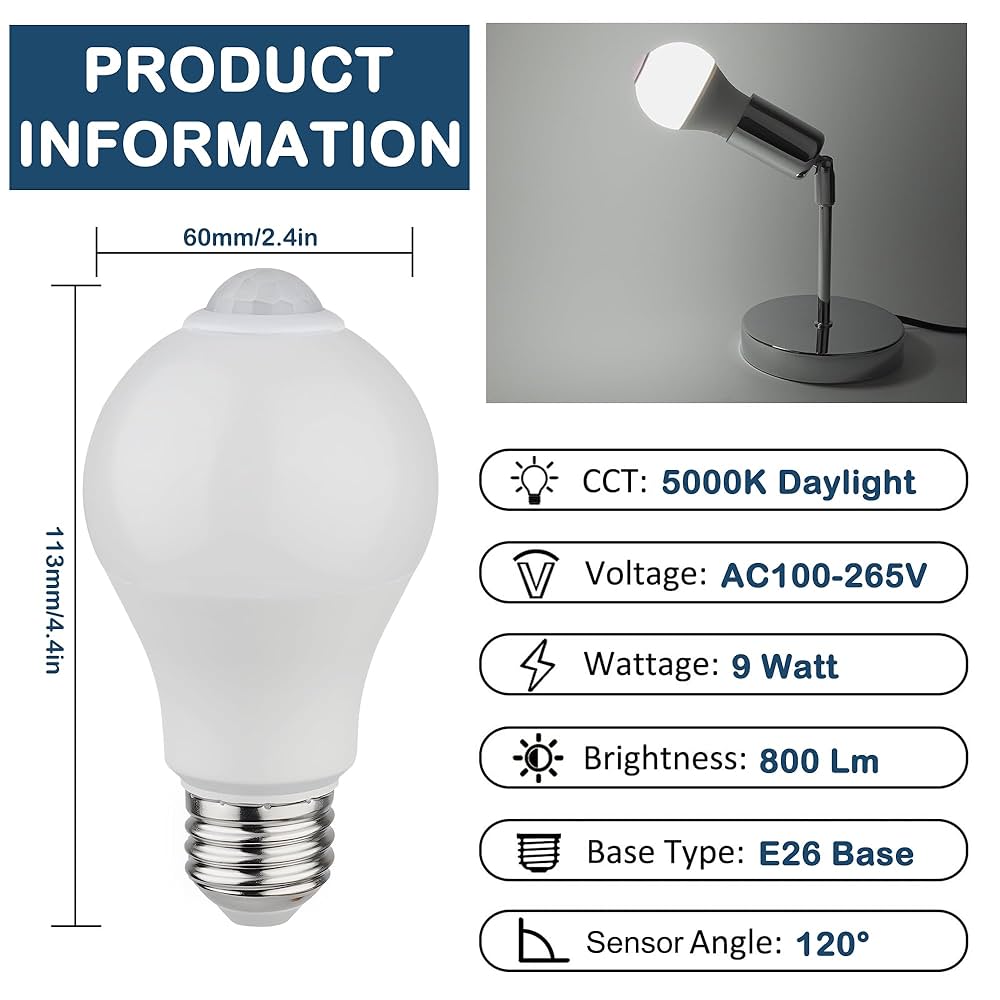
Have you ever wondered if you can use motion sensor light bulbs in your desk lamps? Imagine a lamp that turns on automatically the moment you sit down to work or read, saving you the hassle of fumbling for a switch.
It sounds convenient, right? But is it really that simple? You’ll discover how motion sensor bulbs work with desk lamps, the benefits you might not expect, and what to watch out for before making the switch. Keep reading to find out if this smart lighting upgrade is the perfect fit for your workspace.
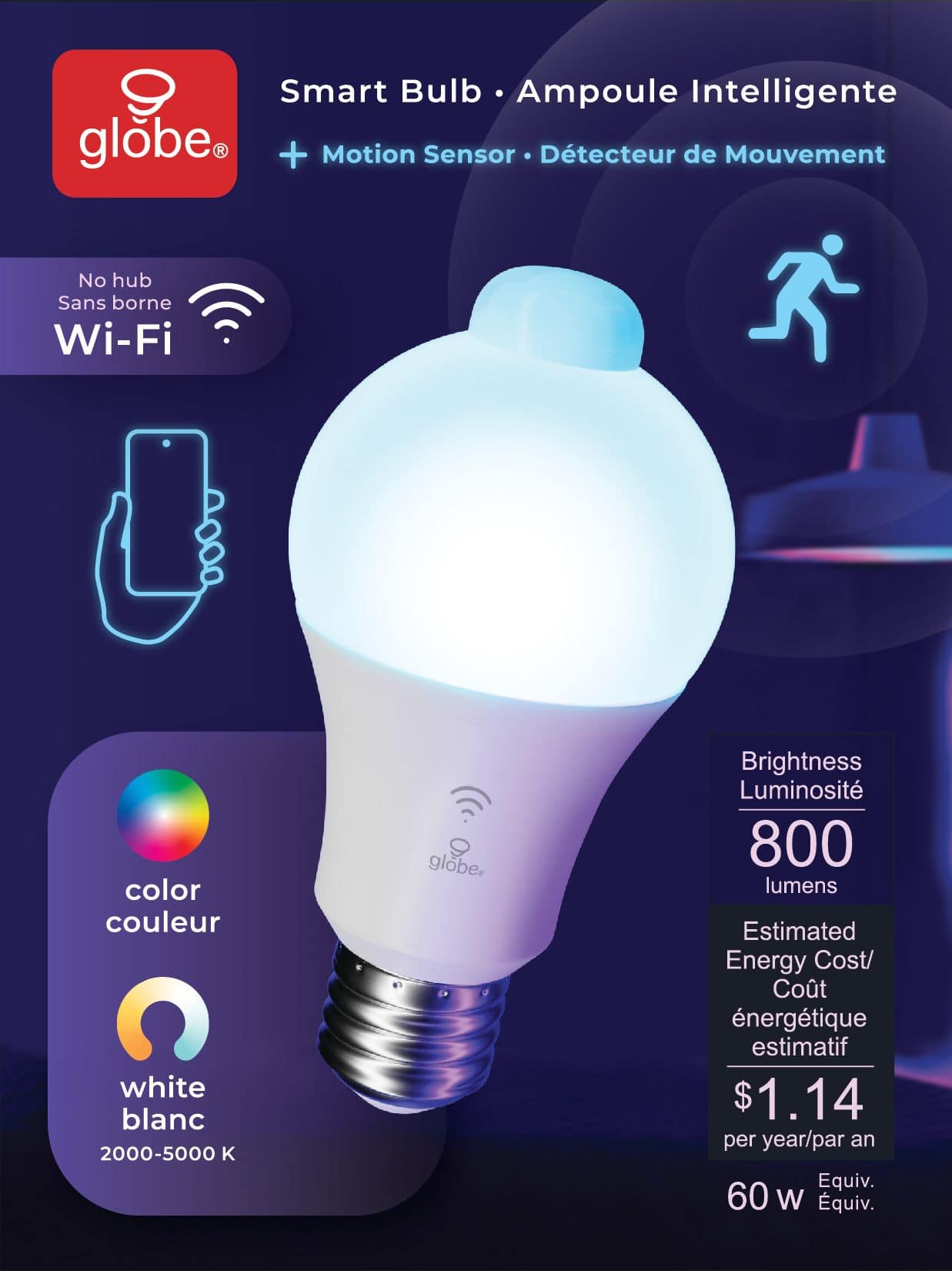
Credit: www.canadiantire.ca
Motion Sensor Bulbs Basics
Motion sensor light bulbs bring convenience and energy savings to any space. They turn on automatically when they detect movement. This feature is useful in many settings, including desk lamps. Understanding how these bulbs work helps decide if they fit your needs.
How Motion Sensors Work
Motion sensors detect changes in their environment. Most use infrared technology to sense body heat. When a person moves within range, the sensor triggers the bulb to light up. The light stays on for a preset time, then turns off if no motion is detected.
Sensors can also use ultrasonic or microwave signals. These bounce off objects to detect movement. Sensors vary in sensitivity and detection range. Good placement of the bulb ensures it works well in a desk lamp setting.
Types Of Motion Sensor Bulbs
- Infrared Sensor Bulbs:Detect heat changes from people or pets. Common and reliable for indoor use.
- Ultrasonic Sensor Bulbs:Use sound waves to sense motion. Work well in rooms with obstacles.
- Microwave Sensor Bulbs:Send microwave signals and detect motion by reflection. Cover larger areas but may pick up motion through walls.
- Combination Sensor Bulbs:Combine two or more sensing methods for better accuracy. Often more expensive but reduce false triggers.
Choosing the right type depends on your desk lamp location and personal preference. Each type offers different benefits for motion detection.
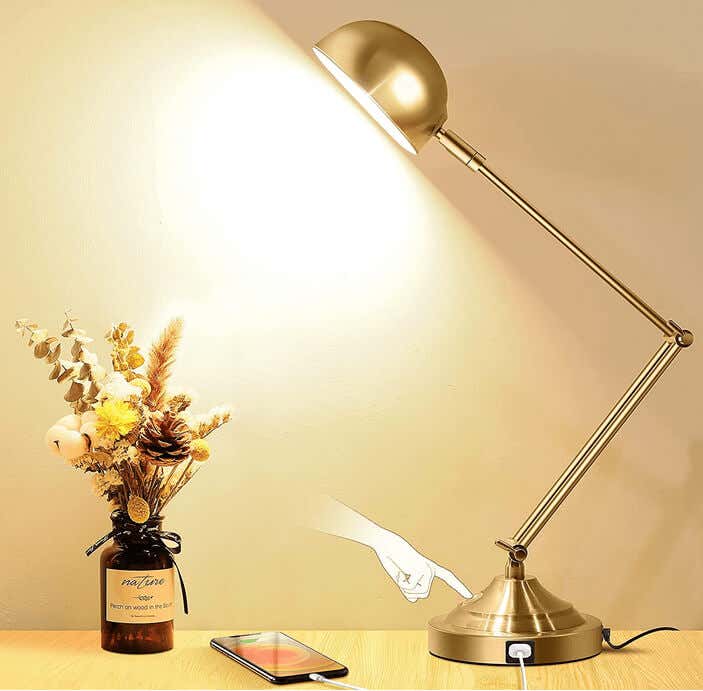
Credit: www.online-tech-tips.com
Compatibility With Desk Lamps
Understanding the compatibility of motion sensor light bulbs with desk lamps is important before making a purchase. Not all bulbs fit every lamp. Some lamps require specific types of sockets and have power limits. Checking these factors helps avoid problems. It also ensures the bulb works well and lasts long.
Lamp Socket Types
Desk lamps use different socket types. The most common is the E26 base, found in many lamps. Smaller lamps may use E12 candelabra sockets. Some modern lamps have GU10 or other specialty sockets. Motion sensor bulbs come mostly with E26 bases. Make sure the bulb socket matches the lamp socket. Otherwise, the bulb will not fit or work.
Power Requirements
Each desk lamp has a maximum wattage rating. This rating tells the highest power bulb the lamp can handle. Motion sensor bulbs often use LED technology and consume less power. Still, check the lamp’s wattage limit. Using bulbs with power above this limit can cause damage. Also, some motion sensor bulbs need specific voltage or current to function well.
Size And Fit Considerations
Motion sensor bulbs can be larger than regular bulbs. The added sensor and electronics increase bulb size. Desk lamps with small shades or covers may not fit larger bulbs. Measure the space inside the lamp shade. Compare it with the bulb size before buying. Bulbs that do not fit properly may block light or cause heat issues.
Advantages Of Motion Sensor Bulbs In Desk Lamps
Motion sensor bulbs in desk lamps save energy by turning off automatically when no movement is detected. They offer convenience by lighting up instantly as you approach, enhancing your workspace efficiency. These bulbs also reduce the need to touch switches, keeping your desk cleaner.
The use of motion sensor light bulbs in desk lamps offers many benefits. These bulbs are a modern solution that combines technology with everyday needs. They are designed to enhance efficiency and provide a seamless lighting experience.Energy Savings
Motion sensor bulbs help reduce energy consumption. They automatically turn off when you leave the room. This ensures no energy is wasted on unnecessary lighting. They also help in lowering electricity bills. A smart choice for environmentally conscious users.Convenience And Hands-free Use
Motion sensor bulbs offer hands-free operation. No need to touch the lamp to turn it on. This is especially helpful when your hands are full. It also adds a touch of sophistication to your workspace. Enjoy seamless and effortless lighting control.Safety Benefits
These bulbs enhance safety in your workspace. They automatically light up in dark areas. This helps prevent accidents and injuries caused by poor lighting. It also adds a layer of security to your environment. An ideal choice for those concerned about safety.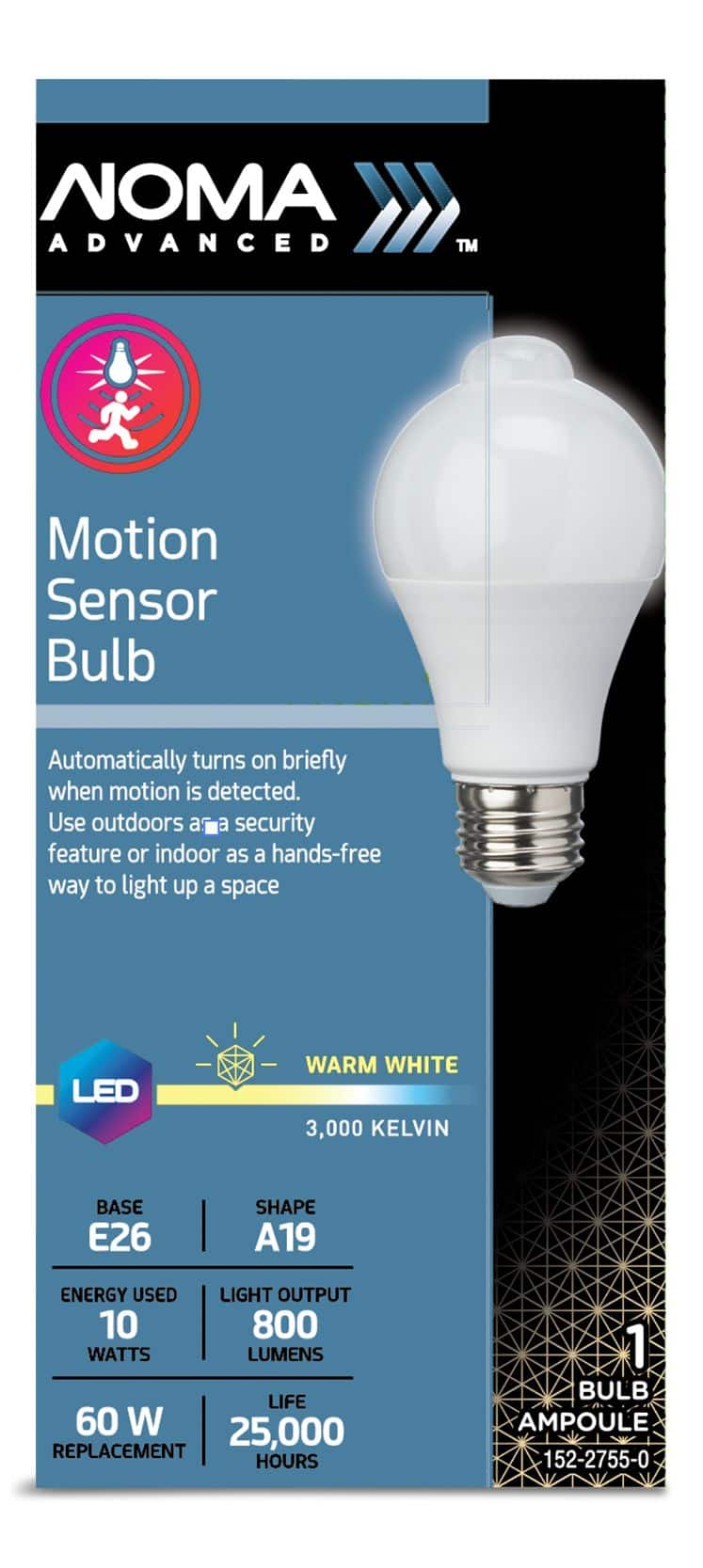
Credit: www.canadiantire.ca
Potential Issues And Limitations
Using motion sensor light bulbs in desk lamps can bring convenience. Yet, some issues and limits exist. These might affect how well the lamp works or fits your needs. Knowing these helps you decide if this setup is right for you.
False Triggers
Motion sensor bulbs may turn on without real movement. Pets, shadows, or small air movements can cause false triggers. This might waste energy or annoy users. Sensitivity settings are not always easy to adjust.
Limited Detection Range
The sensor’s range in desk lamps is often small. It may only detect motion close to the lamp. Larger desks or rooms might not get enough coverage. This limits where and how you can place the lamp.
Impact On Lamp Design
Motion sensors need space and clear view to work well. Some desk lamp designs block or reduce sensor effectiveness. Bulky or decorative lamps might not suit sensor bulbs. This can restrict your style choices or lamp types.
Installation Tips
Installing motion sensor light bulbs in your desk lamp can transform your workspace into a smart, energy-saving zone. However, getting the installation right is key to making sure the sensor works perfectly every time you need it. Let’s break down how to choose the right bulb, place the sensor properly, and fine-tune the settings for optimal performance.
Choosing The Right Bulb
Not all motion sensor bulbs fit every desk lamp. Check the bulb base size first—most desk lamps use E26 or E27 bases, but some might need smaller ones like E12. Also, consider the bulb’s brightness and color temperature; you want enough light without harshness.
Think about the bulb’s compatibility with your lamp’s dimmer switch, if it has one. Some sensor bulbs don’t work well with dimmers, which can cause flickering or sensor malfunctions. Have you checked whether your lamp supports smart or sensor bulbs before buying?
Proper Placement For Sensor
The sensor’s position is critical. It should face the area where motion is expected, usually your seating or workspace area. Avoid placing it where it could detect movement outside the room or be blocked by objects.
Remember, the sensor works best within a certain range—typically 10 to 20 feet. If your desk lamp is too low or tucked away, the sensor might not pick up your movements reliably. Adjust your lamp’s angle or choose a bulb with a wider sensing range for better results.
Testing And Adjustments
After installation, test the sensor by moving in and out of its detection zone. Notice how quickly the light turns on and off. If it’s too sensitive or not sensitive enough, most bulbs allow you to adjust settings using small switches or dials on the bulb base.
Try different lighting conditions, such as daylight and darkness, to see how the sensor reacts. Does the light stay on longer than you want? Or does it turn off too soon? Tweak the timer and sensitivity settings until it feels natural for your work habits.
Alternative Motion Sensor Lighting Options
If you’re wondering how to add motion sensor lighting to your desk without swapping out the bulb, there are some smart alternatives to consider. These options offer flexibility and can fit into your existing setup without much hassle. Let’s look at some solutions that bring convenience and energy savings to your workspace.
Clip-on Sensor Lights
Clip-on sensor lights are compact units that attach easily to your desk lamp or nearby surfaces. They detect motion and switch on automatically, giving you hands-free illumination exactly when you need it. I once used one clipped to my monitor stand, and it lit up my keyboard perfectly without any fumbling for switches.
These lights are great if you want to keep your current bulb but still enjoy motion-activated convenience. Plus, many models come with adjustable sensitivity and timer settings to suit your preferences.
Smart Desk Lamps
Smart desk lamps combine modern design with built-in motion sensors. These lamps not only detect movement but often connect to apps for customizing brightness, color temperature, and scheduling. Switching to a smart lamp can streamline your desk lighting and reduce clutter.
Imagine walking up to your desk and having the perfect light ready without lifting a finger. If you spend a lot of time working late, this can be a game changer for comfort and productivity.
External Motion Sensor Modules
External motion sensor modules are separate devices you can wire into your desk lamp’s power source. They act as a bridge, turning your lamp on or off based on motion detection. This option works well if you prefer keeping your existing lamp and bulb but want to add sensor functionality.
Installing one might require a bit of DIY effort, but it offers a customizable solution. Are you comfortable tinkering with electronics? This could be a rewarding project that fits your exact needs.
Frequently Asked Questions
Can Motion Sensor Bulbs Fit Any Desk Lamp?
Most motion sensor bulbs fit standard desk lamps with E26 or E27 sockets. Always check your lamp’s socket type before buying.
Do Motion Sensor Bulbs Save Energy In Desk Lamps?
Yes, they turn off automatically when no motion is detected. This reduces unnecessary power consumption and lowers electricity bills.
How Sensitive Are Motion Sensor Light Bulbs?
Sensitivity varies by model. Most detect motion within 10-15 feet and turn on instantly for convenience.
Are Motion Sensor Bulbs Suitable For Office Desk Lamps?
Yes, they provide hands-free lighting and improve convenience in office settings. They enhance productivity and reduce energy waste.
Conclusion
Motion sensor light bulbs can work well in desk lamps. They save energy by turning off when not needed. These bulbs add convenience and reduce waste. Choose the right sensor bulb for your lamp’s size. Keep in mind sensor bulbs may turn off too soon sometimes.
Testing different bulbs helps find the best fit. Overall, motion sensor bulbs bring easy light control to your desk. Try one to see if it suits your needs. Simple, smart lighting can make work or study easier.



