
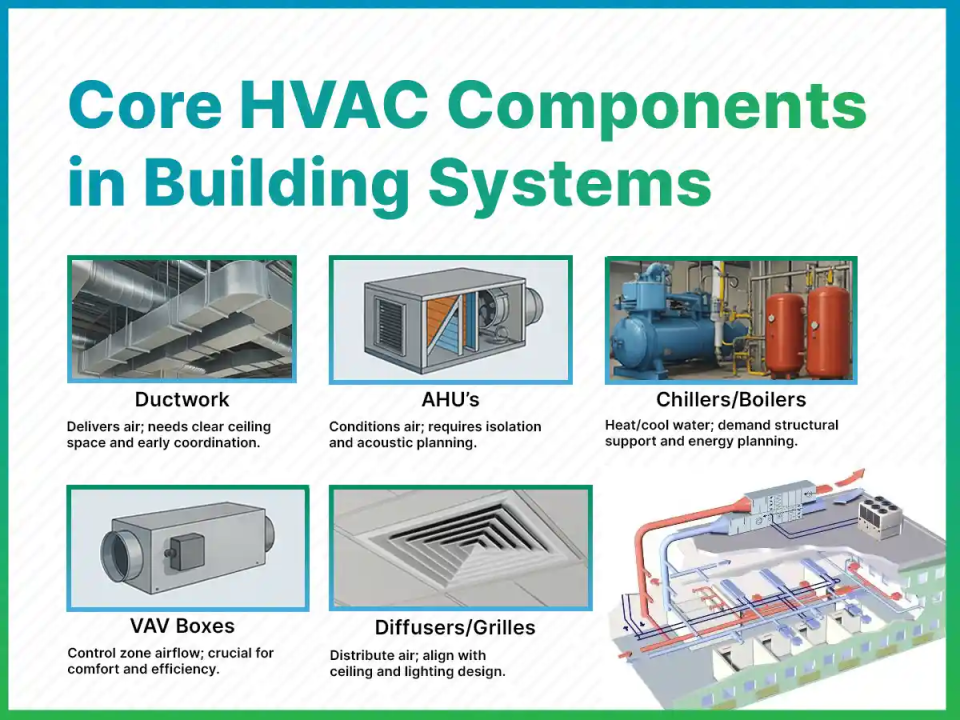
Have you ever wondered why air conditioning is more than just a luxury? It’s not just about cooling your room on a hot day.
Air conditioning plays a key role in making your home comfortable, protecting your health, and even improving your productivity. Understanding what purpose air conditioning serves can change how you feel about this common appliance—and help you make smarter choices for your space.
Keep reading to discover why air conditioning matters to you every single day.
Role Of Air Conditioning
Air conditioning plays a vital role in maintaining comfortable indoor environments. It does more than just cool the air. Its functions include controlling moisture and improving air quality. These aspects are essential for health and comfort inside homes and workplaces.
Cooling Indoor Spaces
Air conditioning removes heat from indoor air to lower the temperature. This creates a cool and comfortable space during hot days. It helps people stay productive and relaxed. Cooling indoor spaces prevents heat-related illnesses and fatigue. It also protects electronics and furniture from heat damage.
Humidity Control
Air conditioners reduce indoor humidity by removing moisture from the air. Lower humidity levels prevent mold and mildew growth. This protects walls, fabrics, and personal belongings. Proper humidity control also reduces the feeling of stickiness and discomfort. It helps maintain a balanced and healthy indoor climate.
Air Quality Improvement
Air conditioning systems filter out dust, pollen, and allergens. This improves indoor air quality and reduces respiratory problems. Filters capture small particles that cause irritation and allergies. Clean air supports better breathing and overall health. Some systems also reduce odors and airborne bacteria, creating a fresher environment.

Credit: www.popularmechanics.com
Benefits Of Air Conditioning
Air conditioning offers much more than just cooling your space. It plays a crucial role in improving your overall comfort and well-being. Understanding the benefits of air conditioning can help you appreciate how it impacts various aspects of your daily life.
Health Advantages
Air conditioning helps reduce the risk of heat-related illnesses by maintaining a safe indoor temperature. It also filters out pollutants and allergens, improving the air quality you breathe every day.
If you suffer from asthma or allergies, a properly maintained AC can make a noticeable difference. Cleaner air means fewer triggers, and that can lead to fewer flare-ups and better respiratory health.
Enhanced Productivity
Have you noticed how difficult it is to focus when it’s too hot? Air conditioning creates a comfortable environment that helps you stay alert and focused.
Studies show that productivity dips when temperatures rise above 77°F (25°C). With air conditioning, you can maintain an ideal temperature that keeps your mind sharp and your work efficient.
Better Sleep Quality
Sleeping in a hot room can leave you restless and tired. Air conditioning helps regulate your bedroom temperature, making it easier to fall asleep and stay asleep.
Good sleep improves your mood, memory, and overall health. If you struggle with sleep, adjusting your room’s temperature with AC might be the simple solution you need.
Types Of Air Conditioning Systems
Choosing the right air conditioning system is key to keeping your space comfortable and energy-efficient. Different types of air conditioning systems serve various needs, budgets, and room sizes. Understanding these options helps you make an informed decision that fits your lifestyle.
Central Air Conditioning
Central air conditioning cools your entire home through a network of ducts. It delivers consistent temperature control and better air quality by filtering the air. If you live in a larger house, this system is often the most effective and convenient option.
However, installation costs can be high, and duct maintenance is essential. Have you checked if your home already has ductwork before considering this system?
Window Units
Window air conditioners are compact and easy to install in most standard windows. They are perfect for cooling single rooms without the need for major installation work. These units are budget-friendly and allow you to cool only the spaces you use most.
Keep in mind, they can block natural light and may be noisy. Would you prefer a system that cools just one room or your whole home?
Portable Systems
Portable air conditioners offer flexibility by moving from room to room. You don’t need to install anything permanently, making them ideal for renters or temporary spaces. Most models come with wheels and simple venting kits for easy setup.
They tend to be less efficient than other systems and can take up floor space. Do you often change your living arrangements or need a quick cooling solution?
Ductless Mini-splits
Ductless mini-split systems combine the benefits of central air and window units. They consist of an outdoor compressor and one or more indoor air handlers mounted on walls. These systems provide targeted cooling without ductwork and are energy-efficient.
Mini-splits are great for homes without ducts or for adding cooling to specific rooms. Have you considered a system that gives you control over temperatures in different areas?
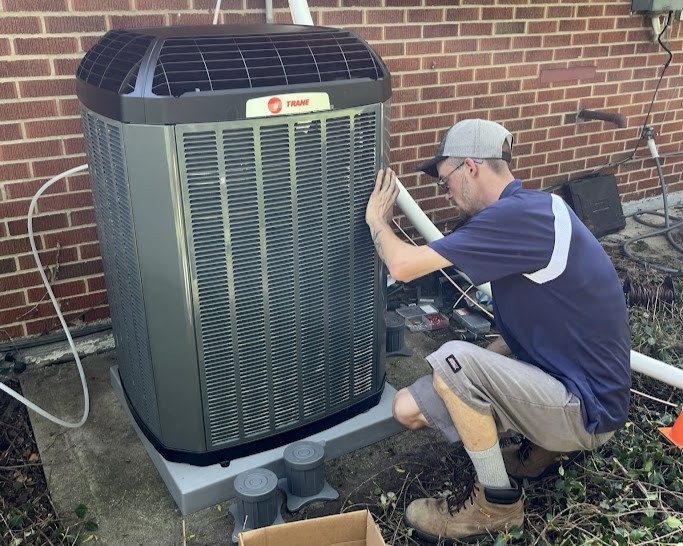
Credit: www.logan-inc.com
Energy Efficiency And Cost
Air conditioning cools indoor spaces, making them comfortable during hot weather. It also helps save energy by using efficient systems that lower electricity costs. Proper use reduces bills while keeping homes fresh and pleasant.
Air conditioning plays a vital role in modern living. It not only cools our homes but also impacts energy efficiency and cost. Understanding these factors can lead to smarter usage and savings. Let’s explore how air conditioning affects your wallet and the environment.Energy Saving Tips
- Set the thermostat to a higher temperature when you’re not home.
- Use ceiling fans to circulate air efficiently.
- Close blinds during the day to block sunlight.
- Maintain your AC unit regularly for better performance.
- Seal doors and windows to prevent cool air from escaping.
Cost Considerations
Air conditioning can be costly. The electricity bill often spikes in summer. Choosing energy-efficient models can help. Look for units with a high SEER rating. They use less power. Proper insulation also reduces costs. It keeps cool air inside.Environmental Impact
Air conditioning affects the environment. It increases greenhouse gas emissions. Using energy-efficient models lessens this impact. Regular maintenance prevents refrigerant leaks. This is essential for reducing harm. Solar-powered ACs offer a greener alternative. They use renewable energy sources.Maintaining Air Conditioning
Maintaining your air conditioning system is essential to keep it running smoothly and efficiently. Proper upkeep not only extends the life of your unit but also ensures you enjoy clean and cool air every time. Neglecting maintenance can lead to higher energy bills and unexpected breakdowns.
Regular Cleaning
Dust and dirt build up quickly in air conditioners, blocking airflow and reducing efficiency. Cleaning the exterior and interior parts regularly helps your system breathe better and cool your space effectively.
Use a soft brush or vacuum to remove debris from vents and coils. Avoid harsh chemicals that can damage delicate components. How often do you check your AC for dust? Making it a monthly habit can save you costly repairs later.
Filter Replacement
Filters trap dust, pollen, and other pollutants, but they get clogged over time. Dirty filters force your AC to work harder, increasing energy use and reducing air quality.
Replace or clean your filters every 1-3 months, depending on usage and environment. If you have pets or allergies, more frequent changes are a smart move. Think about the last time you swapped your filter—could it be due for a refresh?
Professional Servicing
Even with regular cleaning and filter changes, some issues need expert attention. A professional service checks refrigerant levels, inspects electrical connections, and ensures all parts are in good condition.
Scheduling annual or bi-annual servicing can prevent small problems from turning into major expenses. Have you ever delayed a service appointment and regretted it? Investing in expert care keeps your system reliable and efficient.

Credit: acs-installations.co.uk
Future Of Air Conditioning
The future of air conditioning promises major changes. New technology and green ideas will shape how we cool our homes and offices. These changes aim to save energy and reduce pollution. Comfort will improve while protecting the planet.
Smart Technology Integration
Smart air conditioners can learn your schedule and adjust settings automatically. They connect to phones and other devices for easy control. Sensors detect room occupancy to save energy by cooling only used spaces. Voice control and app features make operation simple. This technology helps reduce electricity bills and increases convenience.
Eco-friendly Innovations
New air conditioners use natural refrigerants that do less harm to the environment. Energy-efficient designs cut power use without losing comfort. Some systems recycle heat or use solar power to run. Manufacturers focus on materials that can be recycled or reused. These eco-friendly steps make air conditioning greener and cheaper in the long run.
Frequently Asked Questions
What Is The Main Purpose Of Air Conditioning?
Air conditioning primarily cools indoor air to provide comfort during hot weather. It also controls humidity and improves air quality, making indoor environments healthier and more pleasant.
How Does Air Conditioning Improve Indoor Air Quality?
Air conditioning filters out dust, allergens, and pollutants. It circulates fresh air and reduces humidity, preventing mold and bacteria growth, thus enhancing indoor air quality.
Can Air Conditioning Affect Health Positively?
Yes, air conditioning helps prevent heat-related illnesses and reduces allergens. It creates a comfortable environment that supports better sleep and overall well-being.
Why Is Humidity Control Important In Air Conditioning?
Humidity control prevents excess moisture, which can cause mold and mildew. It maintains comfort and protects furniture, electronics, and building structures from damage.
Conclusion
Air conditioning keeps indoor air cool and comfortable. It helps reduce heat and humidity. This improves sleep and boosts focus during work or study. Clean air circulation also lowers dust and allergens. Many people rely on it for relief during hot days.
It supports better health and well-being. Understanding its purpose helps appreciate its value in daily life. Air conditioning is more than just cooling—it creates a pleasant environment. Simple yet essential for comfort and health.



