
Have you ever wondered how breathing support can be provided without tubes or surgery? Non Invasive Ventilation (NIV) is a life-changing method that helps people breathe easier without the discomfort of invasive procedures.
If you or someone you care about struggles with breathing problems, understanding NIV could make a big difference. You’ll discover exactly what Non Invasive Ventilation is, how it works, and why it might be the solution you’ve been searching for.
Keep reading to learn how this simple yet powerful tool can improve your quality of life.
Basics Of Non Invasive Ventilation
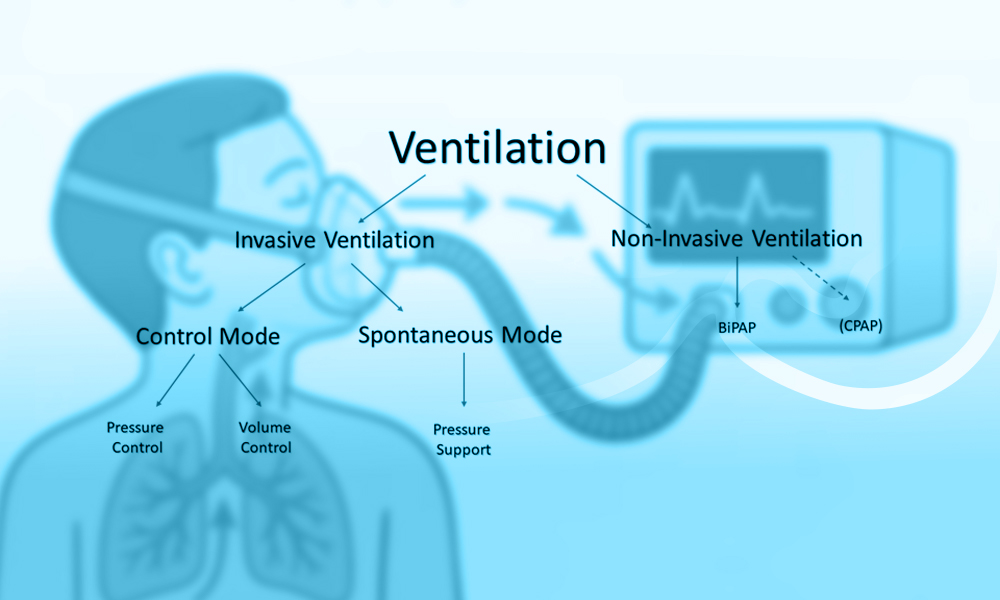
Non invasive ventilation (NIV) supports breathing without the need for a tube in the windpipe. It helps people who have trouble breathing by delivering air through a mask. This method is less invasive and often more comfortable than traditional ventilation. Understanding the basics of NIV is important for patients and caregivers alike.
Definition And Purpose
Non invasive ventilation is a way to assist breathing using a mask or similar device. It provides air pressure to keep airways open and improve oxygen intake. NIV helps patients with conditions like COPD, sleep apnea, and respiratory failure. The main goal is to reduce the work of breathing and avoid the need for a breathing tube.
Types Of Non Invasive Ventilation
- Continuous Positive Airway Pressure (CPAP):Delivers constant air pressure to keep airways open during breathing.
- Bi-level Positive Airway Pressure (BiPAP):Provides two levels of pressure: higher when inhaling and lower when exhaling.
- Adaptive Servo-Ventilation (ASV):Adjusts pressure automatically based on the patient’s breathing pattern.
Common Devices Used
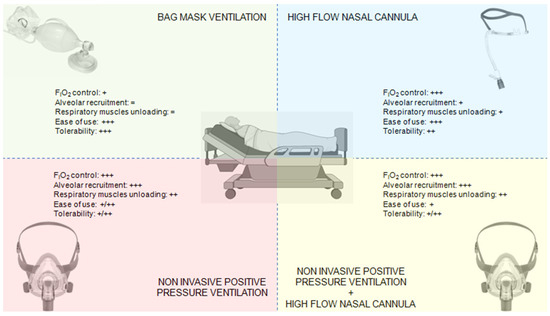
NIV devices come in different forms to suit patient needs. Masks are the most common interface and include nasal masks, full-face masks, and nasal pillows.
- Nasal Masks:Cover only the nose for patients who breathe through their nose.
- Full-Face Masks:Cover both nose and mouth, ideal for mouth breathers.
- Nasal Pillows:Small inserts that fit into the nostrils for minimal contact.
The device includes a machine that controls air pressure and flow. Tubes connect the machine to the mask, delivering the air efficiently.
Credit: www.mdpi.com
How Non Invasive Ventilation Works
Understanding how Non Invasive Ventilation (NIV) works can change the way you view respiratory support. NIV helps people breathe without the need for invasive tubes, making treatment more comfortable and accessible. Let’s break down how this lifesaving technology operates and what goes into making it effective for you.
Mechanism Of Action
NIV delivers pressurized air through a mask, helping your lungs get the oxygen they need. This air pressure keeps your airways open and assists your breathing muscles. Instead of forcing air directly into your lungs, NIV supports your natural breathing pattern, which can reduce fatigue and improve oxygen levels.
Imagine your lungs as balloons that sometimes struggle to inflate. NIV gently pushes air in, making it easier for the balloons to expand without extra effort from you. This support can make a big difference, especially if your lungs are weak or tired.
Patient Interface Options
The way air reaches your lungs depends on the interface—the mask or device you wear. Common options include nasal masks, full-face masks, and nasal pillows. Each type offers different benefits depending on comfort, fit, and your breathing needs.
Choosing the right interface is crucial. A mask that leaks air or feels uncomfortable can reduce NIV’s effectiveness. You might find that a full-face mask works better if you breathe through your mouth, while nasal pillows are less bulky and allow more freedom.
- Nasal masks:Cover the nose, suitable for patients who breathe through the nose.
- Full-face masks:Cover both nose and mouth, ideal for mouth breathers.
- Nasal pillows:Insert into nostrils, lightweight and less obtrusive.
Settings And Adjustments
NIV machines come with settings that control air pressure, volume, and timing. Your healthcare provider adjusts these based on your specific lung function and comfort. Fine-tuning these settings can improve your breathing support and reduce side effects like dryness or discomfort.
Have you ever wondered why some settings feel easier than others? Small changes in pressure can drastically impact how well NIV works for you. Regular monitoring and adjustments ensure that your therapy stays effective as your condition changes.
When To Use Non Invasive Ventilation
Non Invasive Ventilation (NIV) supports breathing without the need for tubes inserted into the airway. It uses a mask or similar device to help patients breathe more easily. Knowing when to use NIV is important for effective treatment and patient comfort.
Medical Conditions Treated
NIV treats several breathing problems. It is commonly used for:
- Chronic obstructive pulmonary disease (COPD)
- Acute respiratory failure
- Sleep apnea
- Heart failure with fluid in the lungs
- Neuromuscular diseases affecting breathing
These conditions benefit from NIV as it helps improve oxygen levels and reduce breathing effort.
Indications And Contraindications
NIV is indicated when patients have trouble breathing but can protect their airway. Signs include:
- Respiratory distress
- Low oxygen levels
- High carbon dioxide levels
- Increased work of breathing
Contraindications include:
- Severe facial trauma
- Unconsciousness or inability to cooperate
- Excessive secretions
- Risk of aspiration
Proper patient selection is key to NIV success.
Benefits Over Invasive Methods
NIV avoids many risks of invasive ventilation. Benefits include:
- No need for intubation or sedation
- Lower risk of infections
- Preserves natural airway defenses
- Shorter hospital stays
- Improved patient comfort
These advantages make NIV a preferred option when suitable.

Credit: www.tandfonline.com
Starting Non Invasive Ventilation
Non Invasive Ventilation (NIV) helps people breathe without a tube in the throat. It uses a mask to support breathing and improve oxygen levels. Starting NIV can ease breathing problems safely and comfortably.
Starting Non Invasive Ventilation can significantly improve breathing support. It’s a key medical approach for patients with respiratory challenges. Ensuring comfort and effectiveness is crucial. This involves careful planning and setup.Patient Preparation
Proper preparation is vital for successful ventilation. Assess the patient’s condition thoroughly. Check for any contraindications or allergies. Explain the procedure to the patient. This helps reduce anxiety and gain cooperation. Ensure the patient is in a comfortable position. Comfort enhances compliance and effectiveness.Initial Setup And Monitoring
Set up the ventilation equipment correctly. Choose the appropriate mask size and type. Proper fitting prevents air leaks and discomfort. Adjust the ventilator settings based on the patient’s needs. Regularly monitor the patient’s response. Check for any signs of distress or discomfort. Continuous observation ensures timely intervention if needed.Common Challenges And Solutions
Challenges may arise during non invasive ventilation. Air leaks are a common issue. Ensure the mask fits snugly to minimize leaks. Dryness or irritation can occur around the nose and mouth. Apply a barrier cream to reduce skin irritation. Patient anxiety can affect compliance. Provide reassurance and support to ease concerns. Regular equipment checks help prevent mechanical failures. Address any alarms or alerts promptly.Care And Maintenance
Proper care and maintenance of your Non Invasive Ventilation (NIV) device is essential to ensure it works effectively and lasts longer. Taking time to clean, troubleshoot, and have regular checkups can prevent many common issues. How often do you think about the hygiene of your device or checking its performance? Let’s break down the key steps you need to keep your NIV device in top shape.
Cleaning And Hygiene
Keeping your NIV equipment clean is critical to avoid infections and maintain comfort. Clean the mask, tubing, and humidifier daily using warm soapy water. Rinse well and let them air dry completely before use.
Replace disposable parts like filters and cushions as recommended by the manufacturer. Avoid harsh chemicals or bleach that can damage the materials. Have you noticed how a clean mask can improve your sleep quality? It’s a simple step that makes a big difference.
Device Troubleshooting
Sometimes your NIV device may not work as expected. Check for common issues such as air leaks, strange noises, or error messages on the display. Tighten or adjust the mask straps if air leaks around your face.
If your machine stops working or shows an error, consult the user manual for guidance on resolving the problem. Keep the device plugged into a reliable power source to avoid interruptions. Remember, quick troubleshooting can save you from discomfort during the night.
Regular Checkups And Follow-up
Regular follow-ups with your healthcare provider ensure your NIV settings remain optimal for your condition. They can review your usage data and suggest adjustments to improve therapy effectiveness. How often do you schedule your device checkups? Twice a year is a good rule of thumb.
Also, have your device professionally serviced annually to check for wear and tear or hidden faults. Staying proactive helps you avoid unexpected breakdowns and keeps your therapy smooth. Your health depends on how well you maintain this vital equipment.

Credit: www.physiciansweekly.com
Advancements And Future Trends
The field of Non Invasive Ventilation (NIV) is evolving rapidly, offering new tools and approaches that improve patient comfort and treatment effectiveness. These advancements are shaping how you and healthcare providers manage respiratory conditions without invasive procedures. Understanding these trends can help you stay informed about better options for care and support.
Technological Innovations
New NIV devices are becoming smaller, quieter, and more user-friendly. Many now come with smart sensors that adjust airflow automatically based on your breathing patterns. This means less manual tweaking and a more natural breathing experience.
Some machines include advanced algorithms that predict breathing problems before they happen. Imagine your device alerting you or your doctor early enough to prevent complications. This proactive approach can make a huge difference in managing chronic respiratory issues.
Integration With Telemedicine
Telemedicine is connecting NIV users directly with healthcare professionals from home. Devices can now transmit data remotely, allowing doctors to monitor your progress in real time. This reduces the need for frequent hospital visits and gives you peace of mind.
Have you ever wished for instant feedback on your treatment? Telemedicine makes it possible. You can get immediate adjustments to your therapy based on your daily condition without leaving your house.
Research And Emerging Practices
Researchers are exploring new ways to customize NIV settings based on individual needs. This personalized approach can improve comfort and effectiveness, especially for patients with complex conditions. Studies are also testing combinations of NIV with other therapies to enhance outcomes.
One surprising area of research is using NIV in unexpected patient groups, such as those with early-stage lung disease or heart failure. Could these new applications change how you or your loved ones use NIV? Staying informed about these trends helps you ask the right questions during your healthcare visits.
Frequently Asked Questions
What Is Non Invasive Ventilation Used For?
Non invasive ventilation supports breathing without a tube in the throat. It treats conditions like COPD, sleep apnea, and respiratory failure. NIV improves oxygen levels and reduces breathing effort effectively.
How Does Non Invasive Ventilation Work?
NIV delivers pressurized air through a mask to keep airways open. This helps lungs get more oxygen and removes carbon dioxide. It avoids invasive procedures and supports natural breathing.
Who Can Benefit From Non Invasive Ventilation?
Patients with chronic lung diseases, acute respiratory distress, or sleep disorders benefit most. NIV reduces hospital stays and improves quality of life by easing breathing difficulties safely.
What Are The Common Types Of Non Invasive Ventilation?
Common types include CPAP (Continuous Positive Airway Pressure) and BiPAP (Bilevel Positive Airway Pressure). CPAP provides constant pressure, while BiPAP offers different pressures for inhale and exhale.
Conclusion
Non-invasive ventilation helps people breathe without surgery. It uses masks or tubes outside the body. This method supports lung function gently and safely. Many patients feel more comfortable using it. It can improve oxygen levels and reduce hospital stays. Doctors often recommend it for breathing problems.
Understanding this tool can help you or loved ones. Always talk to healthcare providers for proper care. Non-invasive ventilation plays a key role in respiratory health. Simple, effective support makes a big difference.



