
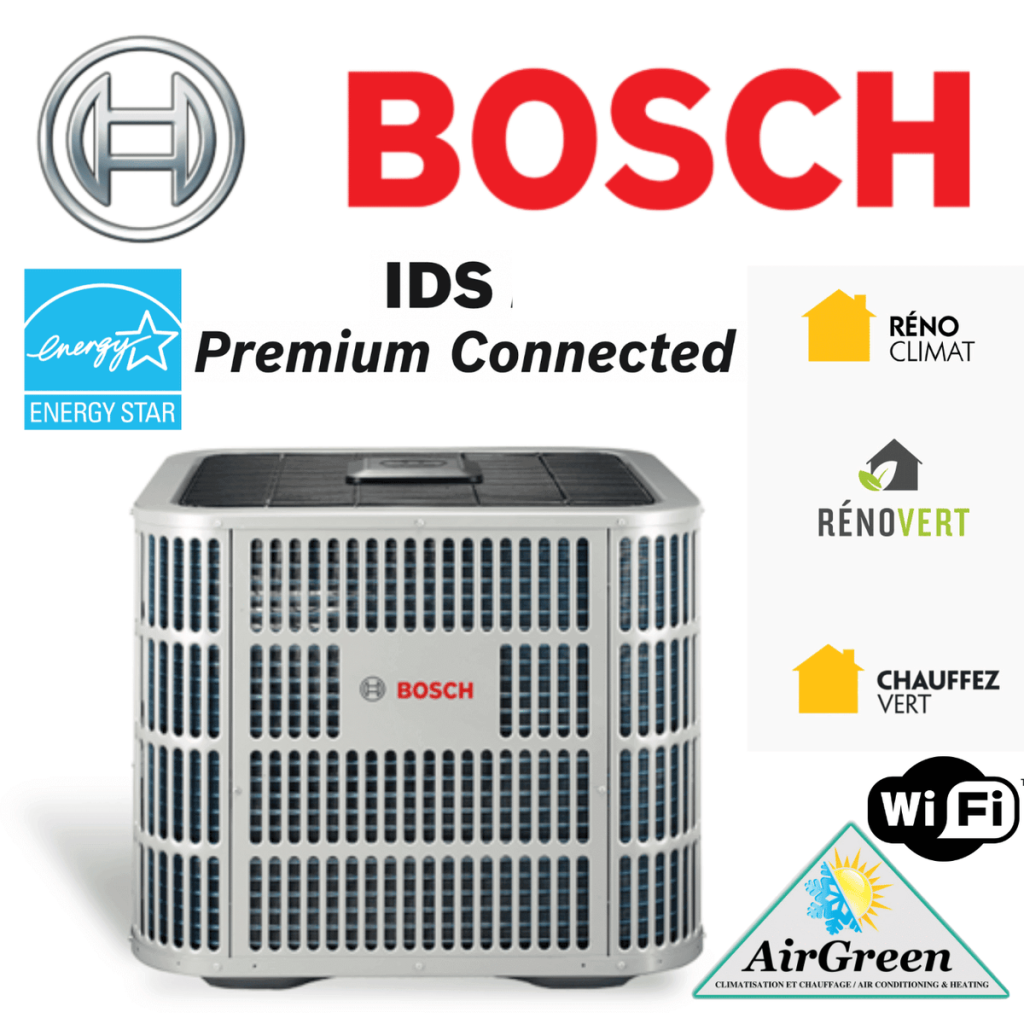
Are you wondering how much a heating and air conditioning unit will cost you? Whether you’re replacing an old system or installing one for the first time, knowing the price upfront can save you time and stress.
But the truth is, the cost can vary a lot depending on several factors. You’ll discover what affects the price, what to expect for your budget, and how to get the best value for your money. Keep reading to make a smart choice that keeps your home comfortable year-round without breaking the bank.
Credit: www.furnaceprices.ca
Factors Influencing Unit Cost
The cost of a heating and air conditioning unit isn’t fixed. Several factors shape the final price you’ll pay. Understanding these can help you make smarter choices and avoid unexpected expenses.
Type Of System
Different systems come with different price tags. A central air conditioner usually costs more than a window unit but cools your whole house efficiently.
Heat pumps combine heating and cooling, which might save money long term but require a bigger upfront investment. What system fits your lifestyle and budget best?
Size And Capacity
The size of your home matters. A larger space needs a unit with higher capacity to maintain comfort.
Choosing a unit too small means it will run constantly, wearing out faster and driving up energy bills. Too large, and you waste money on unnecessary power. How well do you know your home’s cooling or heating needs?
Energy Efficiency
Units with higher energy efficiency ratings usually cost more initially. But they lower your utility bills over time.
Look for ENERGY STAR-certified models or high SEER ratings. These save you money and reduce environmental impact. Are you ready to invest now to save later?
Brand And Model
Trusted brands often charge premium prices. They offer warranties and reliable performance that can save headaches later.
Less-known brands might be cheaper but could lack durability or support. Have you checked customer reviews and service availability in your area?
Installation Complexity
Simple installations cost less. If your home already has ductwork and compatible wiring, expect lower labor costs.
Older homes or custom designs may require additional work, pushing prices up. Think about the installation setting before deciding your budget.
Price Range For Heating Units
Understanding the price range for heating units helps you plan your budget better and choose the right system for your home. Costs vary widely depending on the type of heating unit, its capacity, and installation needs. Let’s break down the common options and what you might expect to pay for each.
Furnaces
Furnaces are one of the most popular heating units in colder climates. Prices typically range from $1,500 to $5,000, depending on the fuel type—natural gas, electric, or oil—and efficiency ratings.
Higher efficiency models cost more upfront but can save you money in the long run through lower energy bills. Installation complexity also affects the final price; older homes might need ductwork upgrades, adding to the cost.
Heat Pumps
Heat pumps offer both heating and cooling, making them versatile for year-round comfort. You can expect to pay between $3,000 and $7,500for a complete system installation.
They tend to cost more than furnaces initially but use electricity more efficiently. If you live in a moderate climate, a heat pump might be a smarter investment, balancing upfront cost with ongoing savings.
Boilers
Boilers heat your home through hot water or steam and usually come with a higher price tag. Typical costs range from $2,500 to $7,000, depending on fuel type and system size.
Installation can be complicated, especially if you’re switching from a different heating system, which may increase labor costs. Think about your home’s layout and whether radiant heating is a priority when considering a boiler.
Price Range For Air Conditioning Units
Choosing the right air conditioning unit can be a daunting task, especially with the vast price ranges. Whether you’re considering comfort for your home or efficiency for your office, understanding the price range can guide your decision. Let’s explore the different types of air conditioning units and their costs to help you make an informed choice.
Central Air Conditioners
Central air conditioners are a popular choice for those looking to cool an entire home. These units typically range from $3,000 to $7,000, including installation. The price depends on factors like the size of your home, the efficiency of the unit, and the complexity of installation.
While the upfront cost might seem high, think about the long-term benefits. A central air conditioner can increase the resale value of your home and provide consistent comfort. Are you prepared to invest in comfort that pays off over time?
Ductless Mini-splits
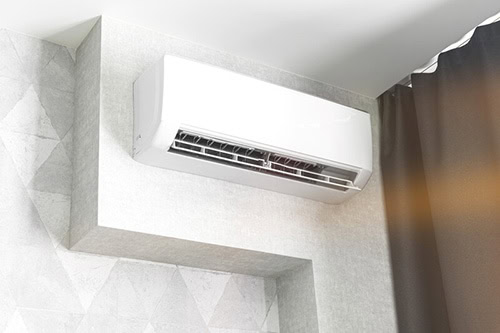
If your home lacks ductwork, ductless mini-splits are a fantastic option. These units generally cost between $2,000 and $5,000per zone. Installation is simpler than central air, making them a flexible choice for many households.
Imagine having customized climate control in different areas of your home. This flexibility can lead to energy savings. Would you appreciate the ability to cool only the rooms you use?
Window Units
Window units are the go-to for budget-conscious consumers. Prices typically range from $150 to $500, depending on size and features. They’re easy to install, making them perfect for renters or those needing a quick solution.
Consider the space you need to cool. A window unit is a cost-effective way to tackle heat in a single room. Are you looking for an affordable and straightforward way to beat the heat?
Understanding these price ranges can help you make a choice that fits your needs and budget. Whether it’s the extensive coverage of a central system, the zone-specific cooling of a mini-split, or the affordability of a window unit, there’s an option for everyone.
Installation And Additional Costs
Installation and additional costs often add a significant amount to the total price of a heating and air conditioning unit. These costs vary depending on the complexity of the job and local regulations. Understanding these fees helps you prepare your budget more accurately.
Labor Charges
Labor charges cover the cost of hiring professionals to install your unit. The price depends on the installer’s experience and the time required. Complex installations usually take longer and cost more. Expect labor fees to range from a few hundred to over a thousand dollars.
Ductwork Installation
New ductwork installation can increase costs substantially. Older homes might lack proper ducts, which means adding them from scratch. Proper ductwork ensures efficient airflow and better comfort. Costs depend on the material, size, and layout of your home’s ducts.
Permits And Inspections
Local laws often require permits before installation starts. Permits ensure the work meets safety and building codes. After installation, inspectors check if everything is done correctly. Permit fees vary by location but generally add a few hundred dollars to the bill.
Maintenance Plans
Maintenance plans help keep your system running efficiently. Many companies offer service contracts for regular check-ups and cleanings. Plans might include discounts on repairs or priority service. Investing in maintenance saves money by avoiding costly breakdowns later.
Energy Efficiency And Long-term Savings
Energy efficiency plays a big role in the cost and savings of heating and air conditioning units. Efficient units use less power, saving money on bills over time. Choosing the right unit means lower energy use and less impact on the environment.
Long-term savings come from investing in units that perform well and last longer. These units maintain comfort without wasting energy. Understanding energy ratings and available incentives helps you make smart decisions.
Seer And Afue Ratings
SEER (Seasonal Energy Efficiency Ratio) measures cooling efficiency. Higher SEER means better cooling with less electricity. AFUE (Annual Fuel Utilization Efficiency) rates heating efficiency. Units with high AFUE use fuel more effectively, reducing waste.
Look for units with SEER above 14 and AFUE above 80 for good efficiency. These numbers help compare different models easily. Efficient units cost more upfront but save more in the long run.
Impact On Utility Bills
Energy-efficient units lower monthly utility bills. They use less electricity or gas to heat or cool your home. This reduces overall energy consumption significantly. Savings can add up to hundreds of dollars yearly.
Simple upgrades to efficient systems can cut bills by 20% or more. Constant use means more savings, especially in extreme seasons. The right unit keeps your home comfortable and your bills low.
Rebates And Incentives
Many local and federal programs offer rebates for efficient units. These incentives lower the upfront cost of buying new equipment. Some utility companies give discounts or special financing options.
Check eligibility for tax credits and rebates before purchase. These offers encourage choosing energy-saving models. They make efficient units more affordable and reduce payback time.
Credit: airgreen.ca
Tips For Choosing The Right Unit
Choosing the right heating and air conditioning unit can feel overwhelming with so many options and factors to consider. Focusing on a few key areas helps you make a smarter decision that fits your home and lifestyle. Think about what matters most to you—comfort, cost, or energy efficiency—and use that as your guide.
Assessing Home Size
Your home’s size directly affects what kind of unit you need. A small apartment won’t require the same capacity as a large house. Oversizing or undersizing can lead to wasted energy or insufficient heating and cooling.
Calculate your home’s square footage to determine the right unit size. For example, a 1,500 square foot home generally needs a 3 to 4-ton unit. If you’re unsure, professional HVAC contractors can perform a load calculation to match the unit to your space perfectly.
Considering Climate
Think about your local weather conditions before choosing a unit. If you live in an area with extreme winters or hot summers, your system needs to handle those temperature swings efficiently.
For colder climates, focus on heating performance and units with high Seasonal Energy Efficiency Ratios (SEER). In warmer areas, cooling capacity and energy-saving features become more important. Have you checked how your current system performs during peak seasons? That can reveal what upgrades you might need.
Setting A Budget
Determine how much you’re willing to spend upfront and on ongoing energy costs. Remember, the cheapest unit might save money now but cost more in repairs and bills later.
Consider the balance between initial price and energy efficiency. Sometimes spending a bit more on a high-efficiency model pays off with lower utility bills. Also, check for available rebates or financing options that can make higher-quality units more affordable.
Credit: www.homedepot.com
Frequently Asked Questions
How Much Does A Heating And Air Conditioning Unit Cost?
A heating and air conditioning unit typically costs between $3,000 and $7,000. Prices vary based on unit size, brand, and installation complexity. High-efficiency models may cost more but save energy in the long run.
What Factors Affect Hvac Unit Pricing?
HVAC unit pricing depends on unit size, brand, efficiency rating, and installation labor. Additional features like smart thermostats or air purifiers can increase costs. Local climate and home insulation also influence the type and size needed.
Are There Financing Options For Hvac Units?
Many HVAC companies offer financing plans to spread out costs. Options include low-interest loans or payment plans. Financing makes it easier to afford high-quality units without large upfront payments.
How Long Does A Heating And Air Conditioning Unit Last?
Most HVAC units last 10 to 15 years with proper maintenance. Regular servicing and filter changes help maximize lifespan. Older units may become less efficient and require replacement.
Conclusion
Choosing the right heating and air unit affects comfort and cost. Prices vary by size, brand, and features. Installing a good unit saves energy and money over time. Think about your home’s needs before deciding. Quality and efficiency matter most.
A well-chosen unit keeps your home cozy year-round. Take your time to compare options and prices. This helps you find the best fit for your budget. Stay warm in winter, cool in summer, without overspending.



