
Have you ever wondered what keeps your home comfortable no matter the season? The answer lies with HVAC technicians.
These skilled professionals do much more than just fix your air conditioner or heater. They ensure your indoor environment stays safe, efficient, and just the way you like it. If you want to know exactly what HVAC technicians do and how they impact your daily life, keep reading.
This simple guide will open your eyes to the important work happening behind the scenes to keep your space cozy and healthy.
Role Of Hvac Technicians
HVAC technicians play a vital role in managing heating, ventilation, and air conditioning systems. They ensure these systems work efficiently and safely. Their work affects comfort in homes, offices, and public buildings. Skilled technicians handle various tasks from setup to repairs. Their expertise keeps indoor environments comfortable year-round.
Installation Tasks
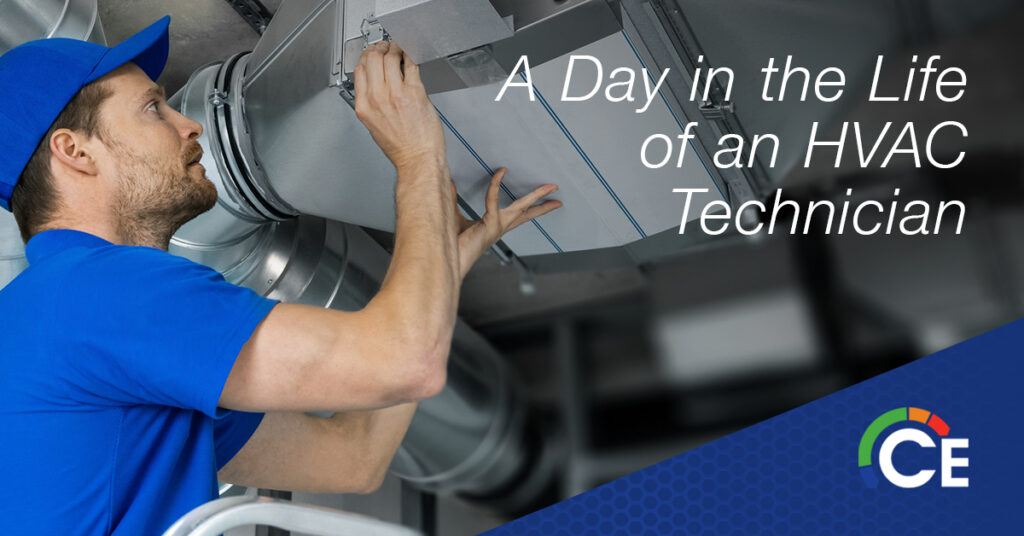
Technicians install new HVAC systems in different settings. They read blueprints and follow specifications carefully. They connect electrical wiring and ductwork properly. Setting up thermostats and controls is part of their job. Proper installation ensures the system runs without problems.
Maintenance Responsibilities
Regular maintenance is key to system longevity. Technicians clean and replace filters to improve air quality. They check refrigerant levels and refill if needed. Lubricating moving parts reduces wear and tear. Routine inspections catch issues before they become serious.
Repair Duties
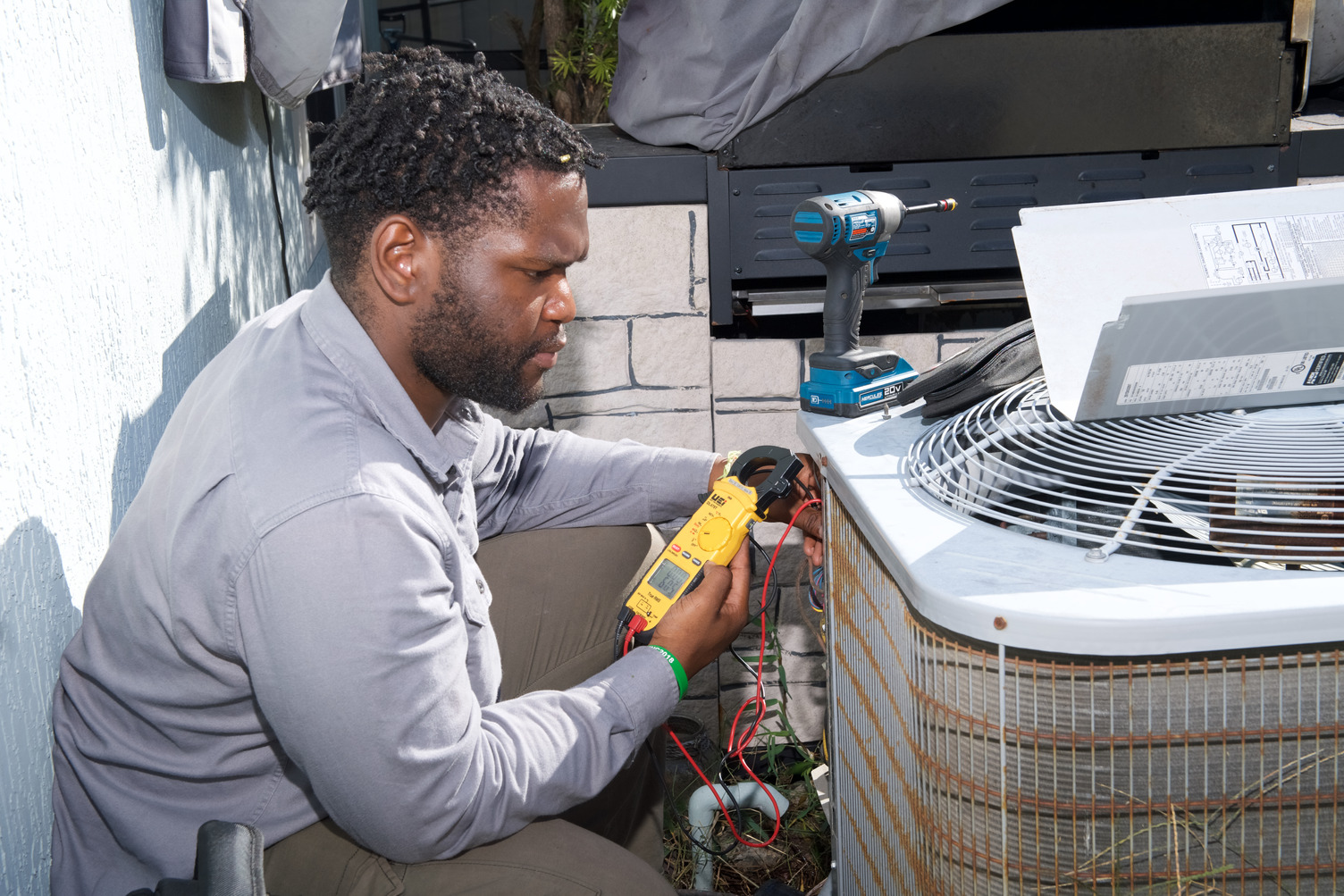
Technicians diagnose system problems quickly and accurately. They fix broken parts or replace components. Troubleshooting electrical and mechanical failures is common. Repairs restore system function and prevent future breakdowns. Their work saves money by avoiding full system replacements.
System Testing And Inspection
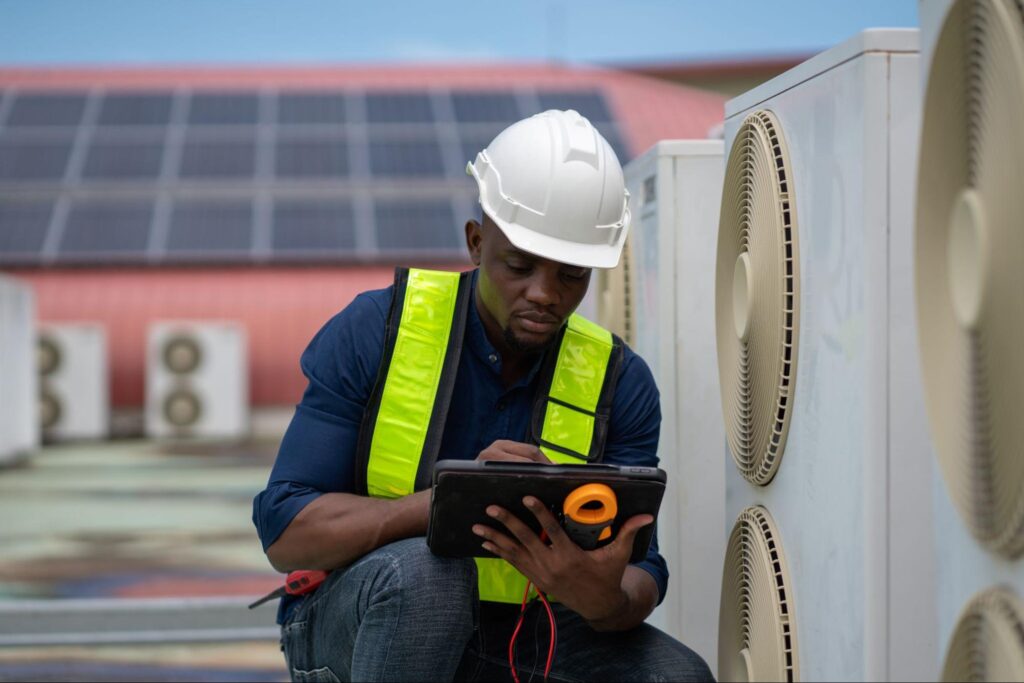
After installation or repair, technicians test system performance. They measure airflow, temperature, and pressure levels. Inspections ensure safety standards and energy efficiency are met. Detecting leaks or faults is part of their check-up. Testing confirms the system operates as designed.
Credit: www.carrierenterprise.com
Key Technical Skills
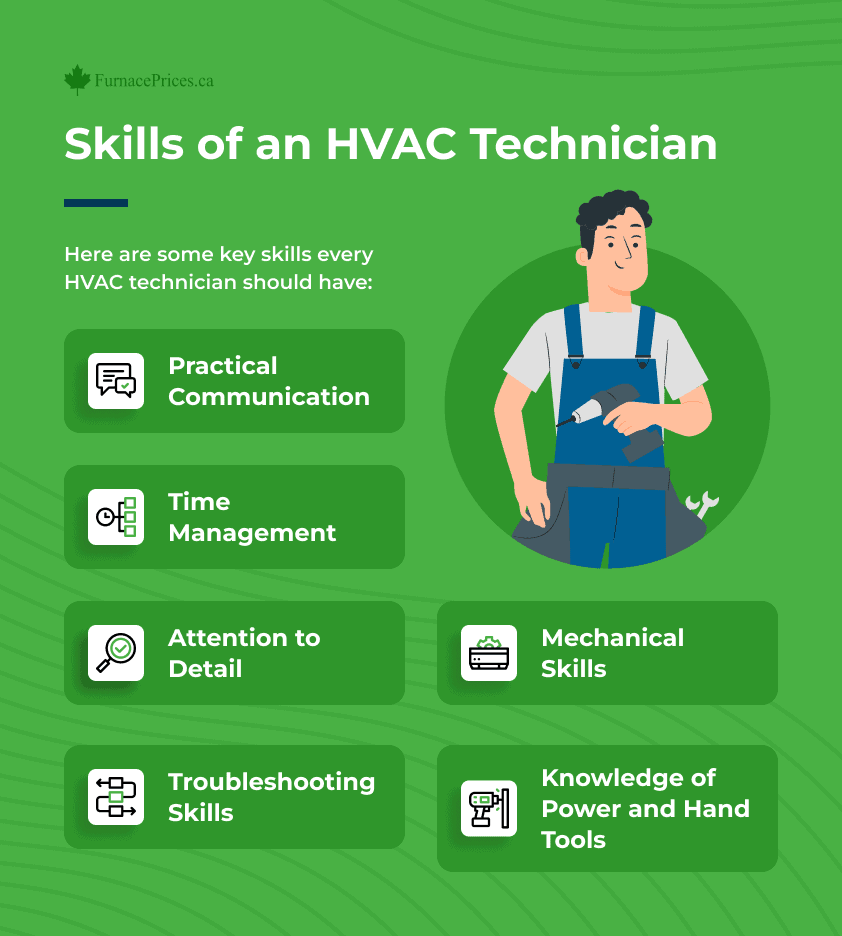
HVAC technicians rely heavily on a specific set of technical skills to keep heating, ventilation, and air conditioning systems running smoothly. These skills are more than just knowledge—they are practical tools that help you diagnose problems quickly and fix them efficiently. Developing these abilities can make you a go-to expert in the field.
Electrical Knowledge
Understanding electrical systems is crucial for HVAC work. You’ll often deal with wiring, circuit breakers, and control systems that regulate HVAC units. Knowing how to read electrical diagrams and safely handle electrical components keeps you and your clients safe.
Have you ever wondered how a tiny spark can shut down an entire system? That’s where your electrical know-how steps in to prevent bigger issues.
Mechanical Aptitude
Mechanical skills help you handle the physical parts of HVAC systems like fans, belts, and motors. You’ll need to assemble, disassemble, and maintain these components regularly. Your ability to understand how each part fits and works together makes repairs faster and more accurate.
Think about the last time you fixed something at home. That hands-on experience translates well when you work on complex HVAC machines.
Use Of Diagnostic Tools
Diagnostic tools are your best friends during troubleshooting. From multimeters to pressure gauges, these devices help you pinpoint the exact problem without guesswork. Mastering these tools saves time and ensures the repairs you make are effective.
Have you ever tried to solve a problem blindfolded? Using diagnostic tools is the opposite—it gives you clear, precise information every time.
Refrigeration Principles
Refrigeration is at the heart of many HVAC systems, especially air conditioners and heat pumps. Understanding how refrigerants move and change state helps you manage cooling and heating cycles. This knowledge is essential for tasks like recharging systems and fixing leaks.
Without grasping refrigeration basics, you risk damaging the system or harming the environment with improper handling.
Soft Skills Needed
Soft skills are just as important as technical know-how for HVAC technicians. These abilities help you interact effectively with clients, solve unexpected issues, and manage your workload smoothly. Developing these skills can make your daily tasks easier and improve your professional reputation.
Problem-solving Abilities
Every HVAC system has its quirks, and problems don’t always come with clear instructions. You need to analyze symptoms, test parts, and think critically to find the root cause quickly. For example, a system might blow cold air due to various reasons—identifying the exact issue saves time and prevents unnecessary repairs.
Have you ever faced a problem that seemed unsolvable at first? That moment tests your creativity and persistence. Building strong problem-solving skills means you’re ready for any challenge on the job.
Communication Skills
Clear communication with customers and team members is essential. You must explain technical information in simple terms so clients understand what’s happening. This builds trust and helps avoid confusion during service calls.
Listening is just as important as speaking. By paying attention to customer concerns, you can tailor your solutions better and ensure satisfaction. How often do you check that your client feels heard during a service visit?
Attention To Detail
Small details can make a big difference in HVAC work. Missing a loose wire or a tiny leak can lead to bigger problems later. You need to inspect systems thoroughly and follow safety protocols precisely.
When I started as a technician, I learned that double-checking my work prevented repeat visits. This attention not only improves system performance but also boosts your credibility as a professional.
Time Management
HVAC technicians often juggle multiple appointments and unexpected emergencies. Managing your time wisely ensures you complete jobs efficiently without sacrificing quality. Using tools like schedules and reminders helps keep your day on track.
Think about your last workday—were there moments when better time planning could have reduced stress? Improving this skill means more satisfied customers and less burnout for you.
Credit: www.cantrellsheatingandairconditioning.com
Safety Practices
Safety is the backbone of every HVAC technician’s workday. Without strict safety practices, even routine tasks can turn dangerous very quickly. Paying close attention to safety not only protects the technician but also ensures the system functions properly without causing harm to anyone in the building.
Handling Hazardous Materials
HVAC systems often involve refrigerants and chemicals that can be harmful if mishandled. You must know how to store, transport, and dispose of these substances safely to avoid leaks and contamination. For example, refrigerants like Freon can cause frostbite on contact and damage the ozone layer if released improperly.
Technicians should always check labels and safety data sheets before working with any chemical. Are you aware of the risks each material in your toolbox carries? Treating hazardous materials with respect prevents accidents and environmental harm.
Following Safety Protocols
Every job requires a clear plan that includes safety protocols tailored to the task. This might mean shutting off power before inspecting electrical components or ventilating the area to avoid inhaling fumes. Following these steps carefully can save you from serious injury.
Imagine entering an attic without checking for loose wiring or sharp objects. What could go wrong? Adhering to safety protocols means you anticipate these dangers and avoid costly mistakes.
Use Of Protective Gear
Wearing the right protective gear is not optional; it is essential. Gloves, goggles, masks, and sometimes even full-body suits protect you from burns, cuts, and inhalation hazards. Many technicians I’ve spoken to say that wearing the correct gear became a habit after one close call.
Do you have your safety gear ready before starting a job? Taking a moment to gear up can prevent injuries that might cost you days off work or worse. Protection is the first step to working confidently and efficiently.
Work Environment
HVAC technicians often find themselves in diverse work environments. They are essential for maintaining comfort in homes and businesses. Their work can vary widely depending on the setting.
Typical Job Settings
Technicians work in homes, offices, and industrial sites. They may install systems in new buildings. They also maintain and repair existing systems. Some work in specialized environments like hospitals.
Physical Demands
The job can be physically demanding. Technicians often crawl in tight spaces. They lift heavy equipment and tools. Climbing ladders is common. Safety gear is essential in certain locations.
Work Schedule Variations
HVAC technicians usually have varying schedules. Some work regular hours. Others are on-call for emergencies. Weekend and evening work is not unusual. Flexibility is key in this profession.
Credit: www.rsi.edu
Career Path And Training
Choosing a career as an HVAC technician means committing to hands-on work that requires specific skills and knowledge. Your career path will be shaped by the education you pursue, certifications you obtain, and your dedication to ongoing learning. Understanding these key areas can help you navigate your journey and prepare effectively for the demands of the job.
Required Education
Most HVAC technicians start with a high school diploma or equivalent. From there, enrolling in a technical school or community college program focused on heating, ventilation, and air conditioning can give you a solid foundation.
These programs often last 6 months to 2 years and combine classroom learning with practical experience. You’ll study topics like electrical systems, refrigeration, and safety protocols—skills you’ll use every day on the job.
Certification Options
Certifications prove your expertise and can boost your job prospects. The Environmental Protection Agency (EPA) Section 608 certification is mandatory for handling refrigerants.
Other valuable certifications come from organizations like HVAC Excellence and North American Technician Excellence (NATE). These validate your skills in specific areas such as installation, maintenance, or system troubleshooting.
- EPA Section 608 Certification – Required for refrigerant handling
- HVAC Excellence Certification – Demonstrates advanced knowledge
- NATE Certification – Widely recognized industry credential
Have you thought about which certifications align best with your career goals?
Continuing Education
The HVAC field constantly evolves with new technologies and regulations. Staying updated through continuing education ensures you remain competitive and effective.
Many employers offer training programs, and there are online courses available to fit your schedule. Regularly refreshing your skills can open doors to higher positions and specialized roles.
How often do you plan to invest time in learning new HVAC techniques or regulations?
Frequently Asked Questions
What Services Do Hvac Technicians Provide?
HVAC technicians install, maintain, and repair heating, ventilation, and air conditioning systems. They ensure proper system function and energy efficiency.
How Do Hvac Technicians Diagnose System Problems?
They use specialized tools to inspect equipment, identify faults, and assess performance. Technicians analyze symptoms to pinpoint issues quickly.
Why Is Regular Hvac Maintenance Important?
Regular maintenance prevents breakdowns, improves efficiency, and extends system lifespan. It also helps maintain indoor air quality and reduces energy costs.
What Skills Do Hvac Technicians Need?
They require technical knowledge, problem-solving abilities, and mechanical skills. Good communication helps in explaining issues and solutions to clients.
Conclusion
HVAC technicians keep homes and buildings comfortable year-round. They install, fix, and maintain heating and cooling systems. Their work ensures clean air and proper temperature. Skilled technicians solve problems quickly and safely. Knowing what they do helps you appreciate their role.
Next time your system acts up, you’ll understand why experts are needed. Trust their skills to keep your space cozy and safe. HVAC technicians play a key part in daily comfort and health.



