
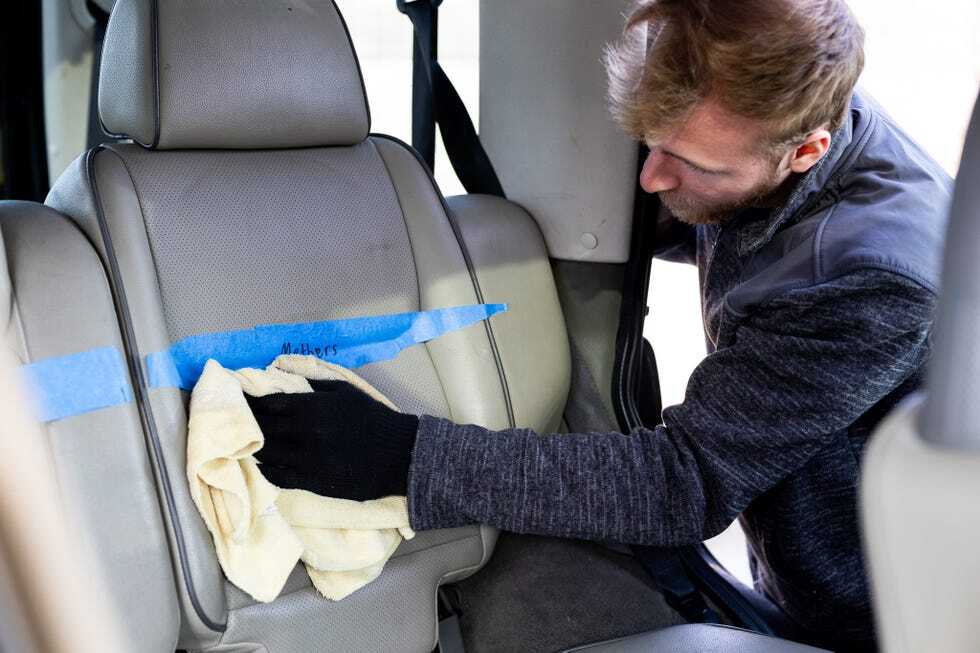
Your car’s ventilated seats are designed to keep you cool and comfortable, especially during hot days. But over time, dust, dirt, and spills can build up, making your seats less effective and less pleasant to sit on.
If you want to enjoy that fresh, cool feeling every time you drive, you need to know how to clean your ventilated car seats properly. You’ll discover simple, step-by-step tips to keep your seats spotless and working like new. Keep reading—your comfort and your car will thank you!
Preparing Your Car Seats
Preparing your ventilated car seats properly makes cleaning easier and more effective. It helps protect the seat material and the ventilation system. Taking these steps ensures a thorough clean without damage. Start by organizing your tools and clearing the seat surface.
Gathering Cleaning Supplies
Collect all cleaning items before starting. Use gentle cleaners safe for car interiors. Some basic supplies include:
- Soft microfiber cloths
- Vacuum cleaner with brush attachment
- Mild soap or upholstery cleaner
- Soft-bristle brush
- Compressed air canister (optional)
- Spray bottle with water
Having these ready saves time and avoids interruptions.
Removing Loose Debris
Clear dust, crumbs, and dirt from the seats first. Use a vacuum with a brush nozzle to avoid scratching. Pay special attention to seams and ventilation holes. A compressed air canister helps blow out dirt trapped inside vents. This step prevents dirt from spreading during cleaning.
Checking Seat Material
Identify the seat fabric or leather type. Different materials need different cleaning methods. Look for tags or check your car manual for details. Test a small area with your cleaner first. Avoid harsh chemicals on leather or delicate fabrics. This check protects your seats and keeps ventilation working well.
Credit: limelightdetail.com
Cleaning The Ventilated Seats
Cleaning ventilated car seats takes a bit more care than regular seats because you want to protect the tiny ventilation holes that cool you down during drives. If dirt or grime blocks these holes, the seats won’t work properly and might even get damaged. Let’s look at how you can keep these seats fresh and functioning well without causing harm.
Vacuuming The Seat Surface
Start by gently vacuuming the entire seat surface to remove loose dust and dirt. Use a soft brush attachment to avoid scratching the leather or fabric. Pay special attention to the seams and edges where debris tends to gather.
Have you noticed how easily crumbs and dust settle in your car seats? Vacuuming regularly prevents buildup that can clog the ventilation holes.
Using Gentle Cleaners
Choose a cleaner that’s mild and designed for your seat material—leather or fabric. Avoid harsh chemicals that can damage the surface or cause discoloration.
Dampen a microfiber cloth with the cleaner and gently wipe the seat, focusing on stains and spots. Never soak the seat, as too much moisture can seep into the ventilation system and cause problems.
Cleaning The Ventilation Holes
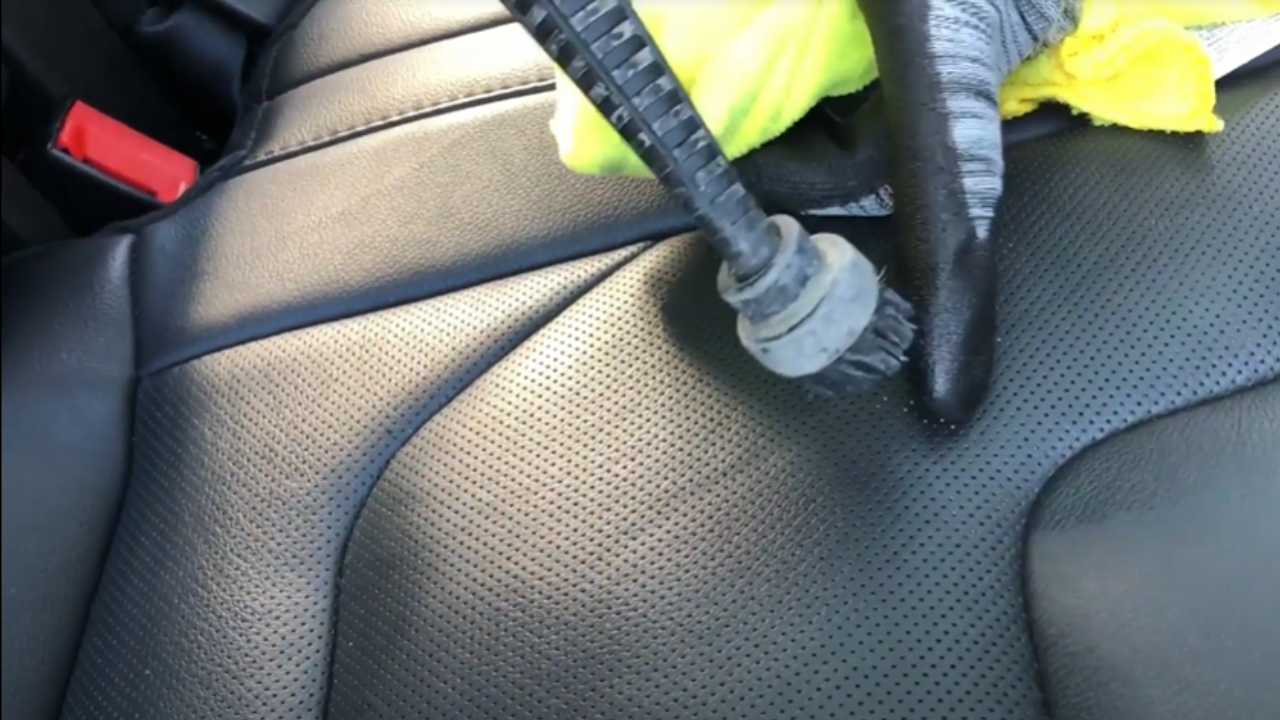
The ventilation holes are small and delicate, so use a soft-bristled brush or a can of compressed air to clear out any dust trapped inside. Avoid poking the holes with sharp objects that might enlarge or tear them.
Sometimes, you’ll find dirt lodged deep inside these holes. Using compressed air in short bursts helps blow out debris without damaging the seat’s structure.
How often do you check if your ventilated seats are still functioning well? A little maintenance goes a long way in keeping your driving experience cool and comfortable.
Drying And Protecting Seats
Drying and protecting ventilated car seats is essential after cleaning. Moisture left behind can cause odors and damage. Proper drying keeps the seats fresh and ready for use. Protecting the seats extends their life and maintains comfort.
Air Drying Techniques
Allow seats to dry naturally in a well-ventilated area. Open car doors or windows to improve airflow. Avoid direct sunlight to prevent color fading. Use a fan to speed up drying inside the car. Never use a hairdryer or heater directly on seats. Check seats often to ensure they dry evenly. Drying thoroughly prevents mold and mildew growth.
Applying Seat Protectants
Choose a protectant designed for ventilated car seats. Test the product on a small, hidden area first. Apply protectant in thin, even layers using a soft cloth. Focus on areas prone to wear and stains. Let the protectant dry completely before using the car. Reapply protectant every few months for best results. Protectants help repel spills and keep seats looking new.

Credit: www.seatcoversolutions.com
Maintaining Ventilated Seats
Maintaining ventilated car seats keeps them fresh and working well. These seats have small fans and holes that need care. Dirt and dust can block vents and reduce airflow. Cleaning and careful use help these seats last longer and stay comfortable.
Regular Cleaning Tips
- Vacuum seats gently to remove loose dirt and dust.
- Use a soft brush to clean air vents and holes.
- Wipe seats with a damp microfiber cloth for surface dirt.
- Apply a mild cleaner suitable for leather or fabric seats.
- Dry seats fully to prevent mold and moisture damage.
Avoiding Damage
- Do not use harsh chemicals or abrasive tools on seats.
- Avoid spilling liquids that can seep into the ventilation system.
- Keep sharp objects away to prevent punctures or tears.
- Do not block air vents with seat covers or cushions.
- Turn off ventilation before cleaning to protect fans and motors.

Credit: www.seatcoversolutions.com
Frequently Asked Questions
How Do I Clean Ventilated Car Seats Safely?
Use a soft brush or vacuum to remove dirt. Apply a mild cleaner with a microfiber cloth. Avoid soaking the seats to protect ventilation holes.
Can I Use Water To Clean Ventilated Seats?
Yes, but use minimal water. Too much moisture can damage ventilation systems and electronics. Always dry seats thoroughly after cleaning.
What Products Are Best For Ventilated Car Seat Cleaning?
Choose gentle, pH-balanced cleaners made for leather or fabric seats. Avoid harsh chemicals that can clog ventilation or damage materials.
How Often Should I Clean Ventilated Car Seats?
Clean seats every 1-2 months to maintain hygiene. Regular cleaning prevents dirt buildup and keeps ventilation functioning well.
Conclusion
Cleaning ventilated car seats keeps your ride fresh and comfortable. Regular care stops dirt and dust from building up. Use gentle cleaners and soft cloths to protect the seat material. Avoid harsh chemicals that can damage the ventilation system. Small efforts now save bigger problems later.
Enjoy a cleaner, cooler drive every time you get in. Simple steps make a big difference for your car seats. Keep them looking and working their best with easy cleaning habits. Your car will thank you for the care you give.



