

Have you ever wondered how doctors help patients who can’t breathe on their own? Mechanical ventilation is a key tool in saving lives, but what exactly does it look like in real situations?
If you want to understand which example best shows mechanical ventilation and how it works to support breathing, you’re in the right place. Keep reading, and you’ll discover clear, simple explanations that make this important medical process easy to grasp—and why it matters to you or someone you care about.
Basics Of Mechanical Ventilation
Understanding the basics of mechanical ventilation is essential if you want to grasp how it supports breathing in patients who cannot breathe effectively on their own. Mechanical ventilation uses machines to help move air in and out of the lungs. This process can be life-saving, especially in critical care settings.
Key Components
The main parts of a mechanical ventilator include:
- Ventilator Machine:Generates and controls airflow and pressure.
- Breathing Circuit:Tubes that connect the machine to the patient.
- Interface:Usually an endotracheal tube or mask that delivers air directly to the airway.
- Sensors and Monitors:Track breathing patterns, oxygen levels, and pressure to adjust support as needed.
Each component plays a vital role in ensuring that air reaches the lungs safely and effectively.
How It Works
The ventilator pushes air into your lungs through the breathing tube. This air can have extra oxygen if needed. The machine then allows the lungs to release carbon dioxide by letting the air flow out naturally.
You can control settings such as the rate of breaths per minute, the volume of air delivered, and the pressure used. This flexibility helps tailor support based on your specific condition.
Have you ever wondered how a machine can mimic the complex process of breathing? Mechanical ventilation simplifies this by focusing on moving air in and out efficiently, allowing your body to rest and heal.
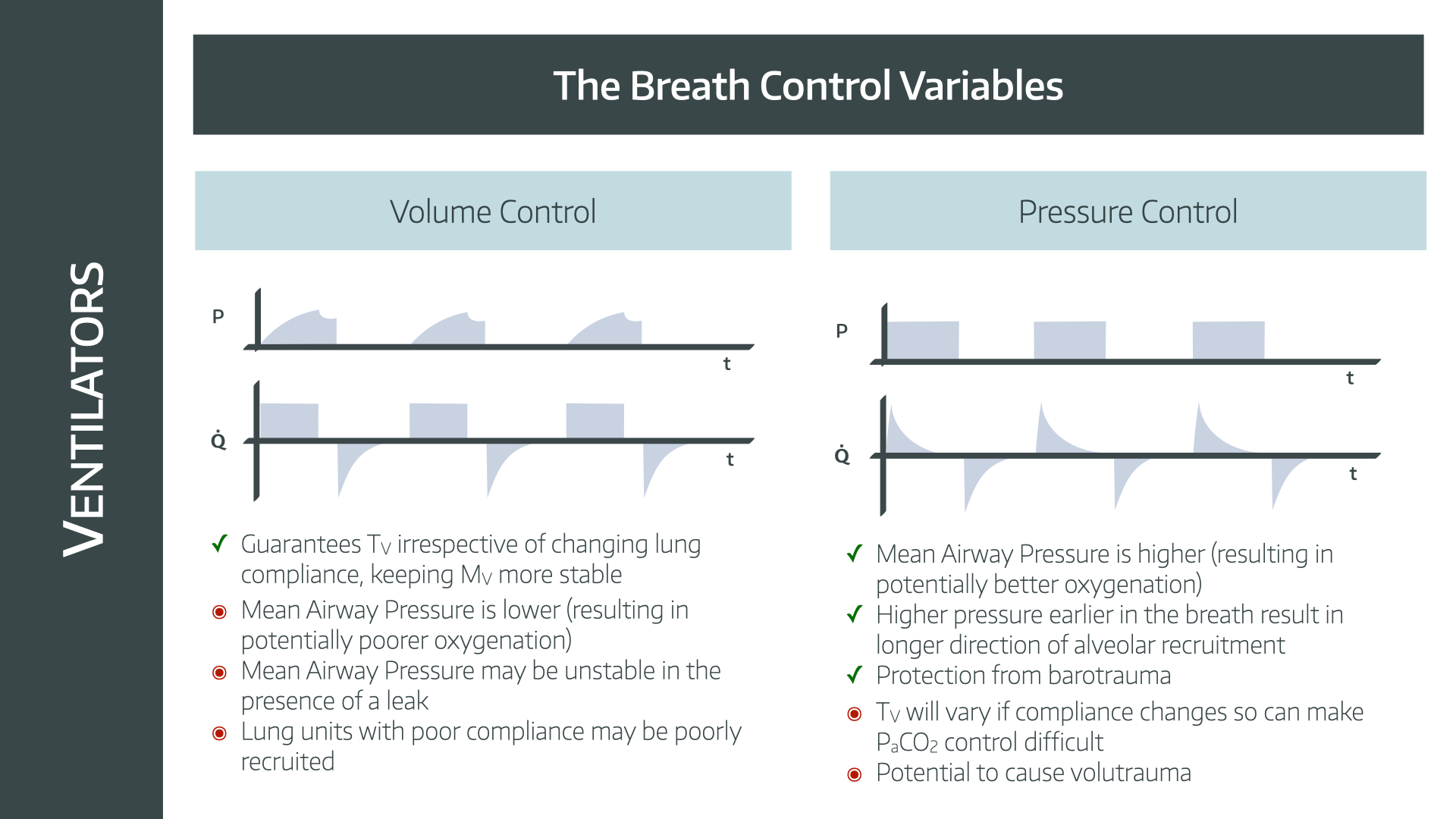
Credit: www.anaestheasier.com
Types Of Mechanical Ventilation
Mechanical ventilation supports breathing by moving air into and out of the lungs. It is critical in many medical settings. There are two main types of mechanical ventilation. Each type serves different patient needs and conditions. Understanding these types helps clarify how mechanical ventilation works.
Invasive Ventilation
Invasive ventilation uses a tube inserted into the airway. This tube can be placed through the mouth, nose, or directly into the windpipe. It ensures a secure airway for breathing support. The ventilator controls the airflow and oxygen delivery. This type is common in intensive care units. It helps patients who cannot breathe on their own.
Non-invasive Ventilation
Non-invasive ventilation uses a mask to deliver air. The mask fits over the nose or mouth without needing a tube inside the airway. It assists patients with breathing difficulties but who can still breathe partially on their own. This type is less invasive and reduces infection risk. It is often used for chronic lung diseases or during sleep apnea treatment.
Common Examples In Clinical Settings
Mechanical ventilation helps patients breathe when their lungs cannot work well alone. Hospitals use different machines and devices to support breathing. These tools assist in delivering oxygen and removing carbon dioxide from the body.
Common examples of mechanical ventilation are found in many clinical settings. Each device serves a specific purpose depending on the patient’s needs and condition.
Ventilator Machines
Ventilator machines are the most common mechanical ventilation devices in hospitals. They connect to patients through a tube placed in the windpipe. These machines control the amount and timing of air delivered to the lungs.
Ventilators help in cases of severe lung injury, surgery, or respiratory failure. They provide full or partial breathing support. Settings can be adjusted for pressure, volume, and breathing rate.
Cpap And Bipap Devices
CPAP (Continuous Positive Airway Pressure) and BiPAP (Bilevel Positive Airway Pressure) devices assist breathing without tubes in the windpipe. They use masks that cover the nose or mouth. These devices keep airways open by delivering steady or variable pressure.
CPAP is often used for sleep apnea and mild breathing problems. BiPAP offers two pressure levels to support inhaling and exhaling. Both devices help patients breathe easier and improve oxygen flow.
When Mechanical Ventilation Is Used
Mechanical ventilation is a lifesaving support used in specific medical situations. It helps patients breathe when their natural breathing is insufficient or compromised. Understanding when this intervention is necessary can clarify its importance and impact on patient care.
Respiratory Failure
Respiratory failure occurs when your lungs can’t provide enough oxygen to your blood or remove carbon dioxide effectively. Mechanical ventilation steps in here to take over the work of breathing, allowing your lungs to rest and recover.
Imagine struggling to breathe after severe pneumonia or during an asthma attack. Mechanical ventilation can stabilize your condition by ensuring steady oxygen delivery and carbon dioxide removal.
Have you ever wondered what happens if the body can’t maintain proper gas exchange on its own? Mechanical ventilation becomes essential in these critical moments, preventing further organ damage.
Surgery Support
During many surgeries, especially those involving the chest or abdomen, mechanical ventilation supports your breathing while you are under anesthesia. It keeps oxygen flowing smoothly since you can’t breathe voluntarily under sedation.
For example, if you undergo heart surgery, a ventilator maintains stable breathing throughout the procedure. This ensures your organs get the oxygen they need, even when your body is temporarily unable to breathe on its own.
Have you thought about how delicate surgery becomes without this support? Mechanical ventilation provides a controlled environment, reducing risks and improving outcomes during complex operations.
Benefits And Risks
Mechanical ventilation helps patients breathe when they cannot do so on their own. It improves oxygen levels but may cause lung injury or infections if not managed carefully. Understanding these benefits and risks is vital for safe treatment.
Understanding the benefits and risks of mechanical ventilation is crucial, especially if you or someone you know might need it. This technology can be a lifesaver, yet it also comes with its own set of challenges. By weighing the pros and cons, you can better appreciate its role in healthcare and make informed decisions.Improved Breathing
Mechanical ventilation can significantly improve breathing for those unable to breathe on their own. Imagine someone with a severe lung infection struggling to get enough oxygen. A ventilator can take over the breathing process, ensuring the body gets the oxygen it needs to heal. This technology can be a bridge to recovery, allowing the lungs to rest and recuperate. It’s like having a reliable backup when your body’s natural systems need a break. Have you ever felt relief when a machine took over a tedious task? That’s what mechanical ventilation can offer to your lungs.Potential Complications
However, mechanical ventilation isn’t without risks. Long-term use can lead to complications such as infections or lung damage. You might wonder, is it worth the risk? It depends on the situation and the individual’s condition. Infections can arise from the ventilator itself, necessitating vigilant care and monitoring. Additionally, there’s the possibility of lung injury due to the pressure exerted by the machine. It’s essential to weigh these risks with your healthcare provider to determine the best course of action. Would you be prepared to navigate these potential hurdles for a chance at improved health?
Credit: www.jacc.org
Advances In Mechanical Ventilation
Mechanical ventilation has come a long way, offering more than just basic breathing support. Recent advances have made ventilators smarter, more adaptable, and portable. These improvements not only enhance patient care but also give healthcare providers better control and flexibility.
Smart Ventilators
Smart ventilators adjust automatically to the patient’s breathing needs. They use sensors to monitor lung function and respond in real-time. This reduces the risk of injury from improper ventilation settings and improves comfort.
Imagine a ventilator that learns how you breathe and changes its support accordingly. This technology helps patients recover faster by providing exactly what their lungs need. It also eases the workload on medical staff, allowing more focus on personalized care.
Portable Devices
Portable mechanical ventilators have transformed emergency and home care. These compact devices allow patients to move freely without being tied to a hospital bed. They are especially useful during transport or in remote locations.
Have you ever thought about how vital mobility is for healing? Portable ventilators give patients the chance to continue therapy outside the hospital. This flexibility can speed up recovery and improve quality of life.
Credit: www.roofingcontractor.com
Frequently Asked Questions
What Is An Example Of Mechanical Ventilation?
Mechanical ventilation involves using machines to assist or replace spontaneous breathing. An example is a ventilator machine providing controlled airflow through an endotracheal tube.
How Does Mechanical Ventilation Help Patients?
Mechanical ventilation supports patients who cannot breathe adequately on their own. It ensures oxygen delivery and removes carbon dioxide effectively.
When Is Mechanical Ventilation Typically Used?
Mechanical ventilation is used in critical care for respiratory failure, surgery requiring anesthesia, or severe lung conditions needing breathing support.
What Types Of Mechanical Ventilators Exist?
Common types include volume-controlled, pressure-controlled, and non-invasive ventilators. Each type adjusts airflow based on patient needs and clinical goals.
Conclusion
Mechanical ventilation helps patients breathe when they cannot do it alone. Machines like ventilators push air into the lungs. This support is vital in hospitals for many patients. Understanding mechanical ventilation shows how medicine saves lives. It is a key tool in critical care and emergencies.
Knowing examples helps people grasp its importance better. Simple machines can provide life-saving help every day.



