
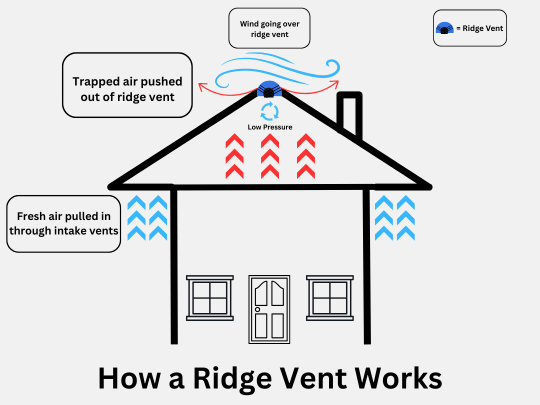
Have you ever wondered what makes your home feel fresh and comfortable? The secret often lies in a simple device you might overlook: the vent.
Understanding how a vent works can change the way you think about airflow, air quality, and even your energy bills. You’ll discover the basics of vent function and why it matters to your daily life. Keep reading, and you’ll gain easy tips to improve your space with better ventilation.
Credit: www.jlconline.com
Role Of Vents In Homes
Vents play a crucial role in maintaining a healthy and comfortable home environment. They regulate the flow of air, keeping indoor spaces fresh and preventing moisture buildup. Without proper ventilation, your home could face issues like mold growth, stale air, and inefficient temperature control.
Airflow And Ventilation Basics
Vents allow air to move in and out of your home. This exchange helps remove pollutants, odors, and excess humidity. Proper airflow prevents the buildup of harmful gases like carbon monoxide and keeps your living space breathable.
Think about how you feel in a stuffy room versus one with fresh air. That difference shows how vital vents are for your comfort and health. They also help balance indoor temperature by letting hot air escape and cooler air enter.
Types Of Vents And Their Functions
There are several types of vents, each designed for specific purposes:
- Supply Vents:Push fresh air into rooms, often connected to your HVAC system.
- Return Vents:Pull air out of rooms to be filtered and recirculated.
- Exhaust Vents:Remove stale or moist air from kitchens, bathrooms, or attics.
- Air Intake Vents:Bring fresh outdoor air into the home, improving air quality.
Knowing the function of each vent helps you understand how your home’s ventilation system works as a whole. Have you ever checked if your vents are clean and unobstructed? Blocked vents can hinder airflow and reduce efficiency.

Credit: en.wikipedia.org
How Vents Improve Efficiency
Vents play a crucial role in enhancing the overall efficiency of your home or building. They help regulate airflow, ensuring that fresh air circulates while stale air is expelled. This balance not only improves comfort but also supports the performance of heating and cooling systems.
Maintaining Indoor Air Quality
Good ventilation keeps indoor air fresh by removing pollutants, moisture, and odors. Without proper venting, you might notice musty smells or even experience health issues like allergies or headaches.
Have you ever walked into a room and immediately felt stuffy or heavy air? That’s often due to poor ventilation. Vents introduce fresh air and reduce indoor contaminants, making your space healthier and more enjoyable.
Reducing Energy Consumption
Vents help your heating and cooling systems work smarter, not harder. By allowing air to flow freely, they prevent your HVAC from overworking, which lowers energy bills.
Think about a time when your air conditioner struggled to cool a room. Blocked or inadequate vents can cause this, forcing the system to run longer. Proper vent placement and maintenance ensure energy is used efficiently, saving you money and reducing wear on equipment.
Common Vent Systems
Vent systems play a key role in maintaining air flow inside buildings. They help control temperature, remove stale air, and bring in fresh air. Understanding the common types of vents clarifies how air moves through your space. Each vent type has a unique function but they work together to keep air balanced and healthy.
Exhaust Vents
Exhaust vents remove old or polluted air from a room. They help push out moisture, smoke, and odors. Bathrooms and kitchens often use exhaust vents to keep air fresh. These vents connect to ducts leading outside the building. By removing unwanted air, they prevent mold and improve comfort.
Supply Vents
Supply vents bring fresh, conditioned air into rooms. They connect to heating or cooling systems. These vents distribute warm or cool air to keep spaces comfortable. Supply vents often have adjustable grilles to control airflow. They help maintain consistent temperature throughout the building.
Return Vents
Return vents pull air back into the HVAC system. They allow air to circulate and be filtered. Return vents help maintain balanced air pressure inside. Without return vents, the system cannot work efficiently. They often have filters to trap dust and allergens.
Signs Of Ventilation Problems
Recognizing the signs of ventilation problems early can save you from costly repairs and uncomfortable living conditions. Poor ventilation often sneaks up on you, making your home feel stuffy or unevenly heated before you realize there’s an issue. Paying attention to these warning signs helps you take quick action and maintain a healthy indoor environment.
Poor Air Circulation Symptoms
Have you noticed certain rooms in your home feeling stuffy or damp? That’s often a key sign of poor air circulation caused by a blocked or malfunctioning vent. You might also experience persistent odors that don’t go away, which means stale air is trapped inside.
Another symptom is uneven temperature throughout your space. When vents don’t work properly, some areas get too hot while others stay cold. This imbalance can affect your comfort and even lead to mold growth in poorly ventilated corners.
- Rooms feeling stuffy or humid
- Lingering unpleasant smells
- Uneven heating or cooling across rooms
- Visible mold or mildew near vents
Energy Waste Indicators
Have your energy bills suddenly spiked without a clear reason? Faulty ventilation can cause your HVAC system to work harder than necessary, leading to higher energy use. When air doesn’t flow freely, your heating or cooling unit runs longer to reach the desired temperature.
Another indicator is frequent cycling of your HVAC system—turning on and off rapidly—which wastes energy and wears out equipment faster. You might also notice that your vents feel unusually hot or cold, signaling that air isn’t moving efficiently.
- Unexpected increase in energy bills
- HVAC system turning on and off frequently
- Vents feeling excessively hot or cold
- Longer time to heat or cool your home
Have you checked your vents recently? Identifying these signs early can help you fix ventilation issues before they drain your energy and comfort.
Maintaining Vents For Best Performance
Maintaining vents is crucial for optimal performance and energy efficiency. Clean, well-maintained vents ensure proper airflow and help reduce energy costs. Regular attention can prevent blockages and potential damage. Let’s explore some practical tips for keeping your vents in top shape.
Regular Cleaning Tips
Dust and debris can build up in vents, reducing airflow. Clean them regularly to ensure efficiency.
- Use a vacuum cleaner with a brush attachment. This helps remove dust from vent covers.
- Wipe down vent covers with a damp cloth. This removes any remaining dirt.
- Consider removing vent covers periodically. Clean the duct opening with a vacuum.
- Inspect vents for signs of mold or mildew. Use a mild cleaner to address these issues.
When To Repair Or Replace
Sometimes cleaning isn’t enough, and repairs or replacement may be necessary.
- If you notice reduced airflow, check for damage or blockages.
- Listen for unusual noises. This could indicate a problem within the duct system.
- Consider replacing vents if they appear rusty or damaged.
- Consult a professional if repairs seem complex or beyond your skill level.
Credit: www.jlconline.com
Upgrading Vent Systems
Upgrading vent systems can make a big difference in your home’s comfort and energy bills. Old vents might not be doing their job efficiently, causing uneven temperatures and wasted energy. Taking the time to improve or replace them can bring noticeable benefits in air quality and cost savings.
Energy-efficient Vent Options
Choosing energy-efficient vents helps you control airflow better and reduce energy waste. Look for vents with adjustable dampers that let you open or close them based on each room’s needs. These small changes can stop conditioned air from escaping unused rooms, which lowers heating and cooling expenses.
Materials also matter. Metal vents tend to last longer and conduct less heat compared to plastic ones, which might warp over time. Have you checked if your current vents allow for easy cleaning? Clean vents improve airflow and keep your system running smoothly.
Smart Vent Technologies
Smart vents bring automation into your home’s ventilation. These vents connect to your thermostat and adjust airflow automatically, balancing temperature room by room. Imagine walking into a chilly bedroom and having the vent open just enough to warm it up quickly.
Some smart vent systems also track air quality and humidity, alerting you if there’s a problem. Installing them may seem like a big step, but many users find the improved comfort and lower energy bills worth it. Could smart vents be the missing piece to your home’s climate control?
Frequently Asked Questions
What Is The Main Purpose Of A Vent In Plumbing?
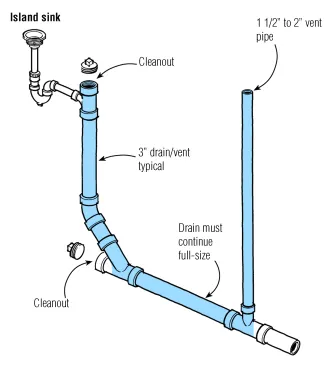
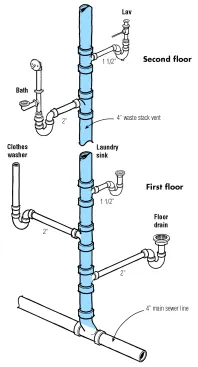
A vent allows sewer gases to escape safely outside. It also helps maintain proper air pressure, ensuring smooth wastewater flow through pipes.
How Does A Vent Prevent Sewer Gas Buildup?
Vents release sewer gases outside the home. This prevents dangerous gas accumulation inside, improving indoor air quality and safety.
Why Is Venting Important For Drainage Systems?
Venting balances air pressure in pipes, preventing water traps from being siphoned. This stops sewer gases from entering living spaces.
Can A Blocked Vent Cause Plumbing Problems?
Yes, blocked vents can cause slow drainage, gurgling sounds, and sewer odors. Proper venting is essential for efficient plumbing operation.
Conclusion
Vents help air move in and out of spaces. They keep rooms fresh and stop moisture buildup. Good vent systems save energy and improve comfort. Simple parts work together to let air flow freely. Understanding how vents work helps you maintain them well.
Clean vents often to avoid blockages and problems. Proper vent use keeps homes safe and healthy. Now, you know why vents matter every day.



