
Are you ready to start a career that keeps homes comfortable all year round? Becoming a heating and air conditioning technician puts you in control of systems that people rely on every day.
If you enjoy working with your hands, solving problems, and want a job with steady demand, this could be the perfect path for you. You’ll discover the clear steps to become a skilled HVAC technician, what skills you need, and how to set yourself apart in this growing field.
Keep reading to find out how you can turn your interest into a rewarding career.
Career Path In Hvac
Choosing a career path in HVAC means stepping into a field with diverse opportunities and steady demand. Your journey can take you through various roles, each requiring different skills and offering unique challenges. Understanding these roles and what to expect in the work environment helps you decide if this path fits your goals.
Job Roles And Responsibilities
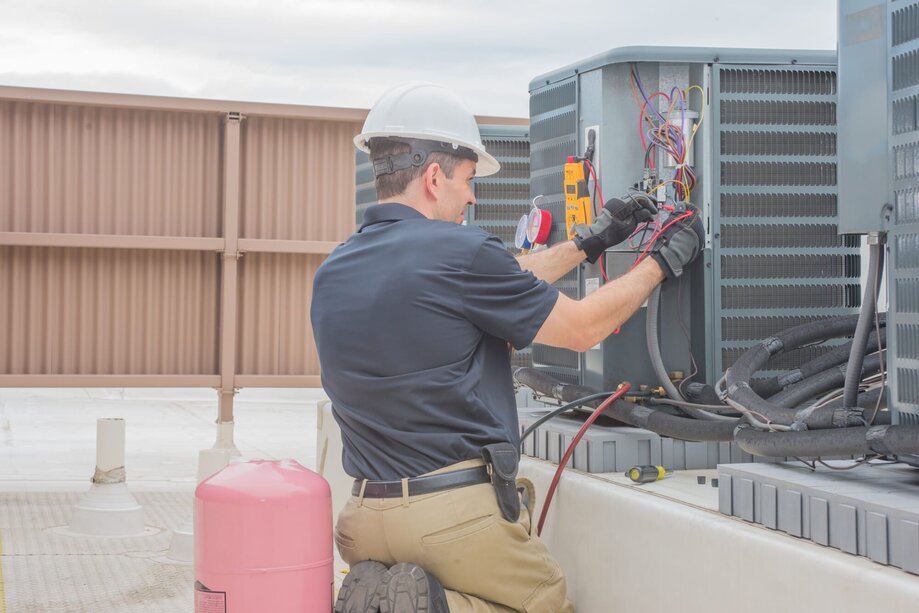
As an HVAC technician, your main responsibility is to install, maintain, and repair heating, ventilation, and air conditioning systems. You might find yourself troubleshooting electrical components one day and cleaning ducts the next. The job often requires reading technical diagrams, using specialized tools, and ensuring systems run efficiently and safely.
Some technicians specialize in residential systems, while others work on commercial or industrial setups. You could also advance to roles like HVAC supervisor or system designer, managing projects and teams. Have you thought about which type of environment or specialization fits your strengths best?
Skills Required
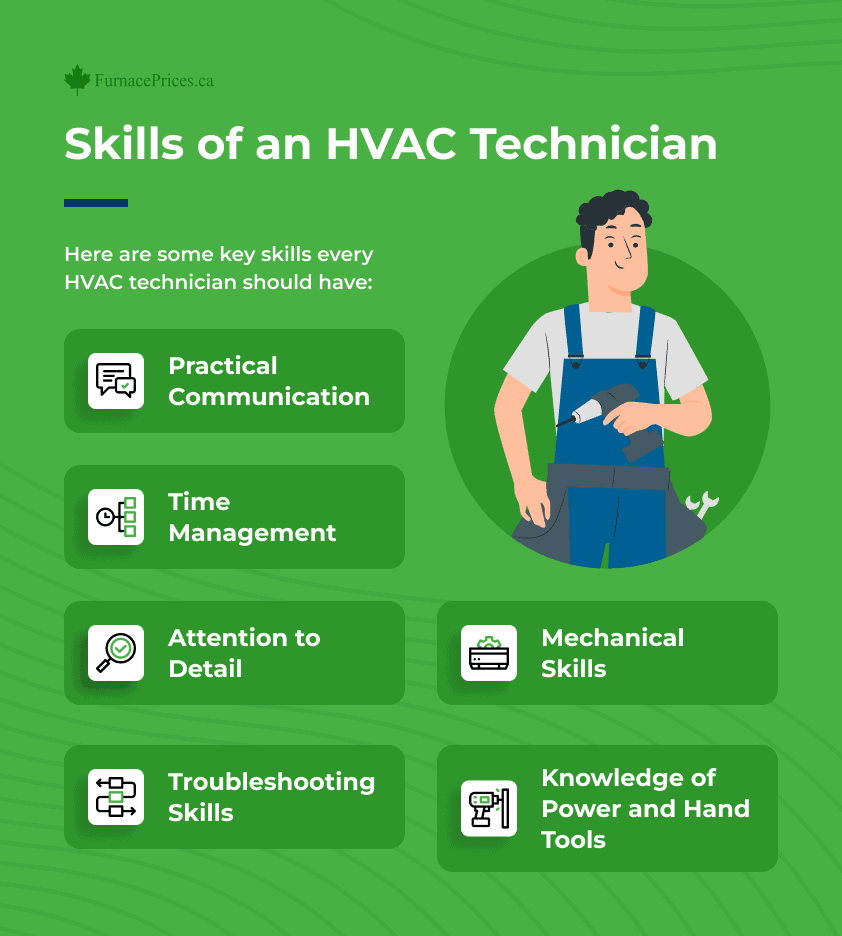
Success in HVAC demands a mix of technical know-how and problem-solving skills. You need to understand electrical systems, refrigeration cycles, and mechanical parts. Being comfortable with math and technology makes the job easier and safer.
Good communication skills are crucial too, as you’ll explain issues and solutions to customers or coworkers. Physical stamina helps since the work can involve lifting and working in tight spaces. Are you ready to learn continuously and adapt to new HVAC technologies?
Work Environment
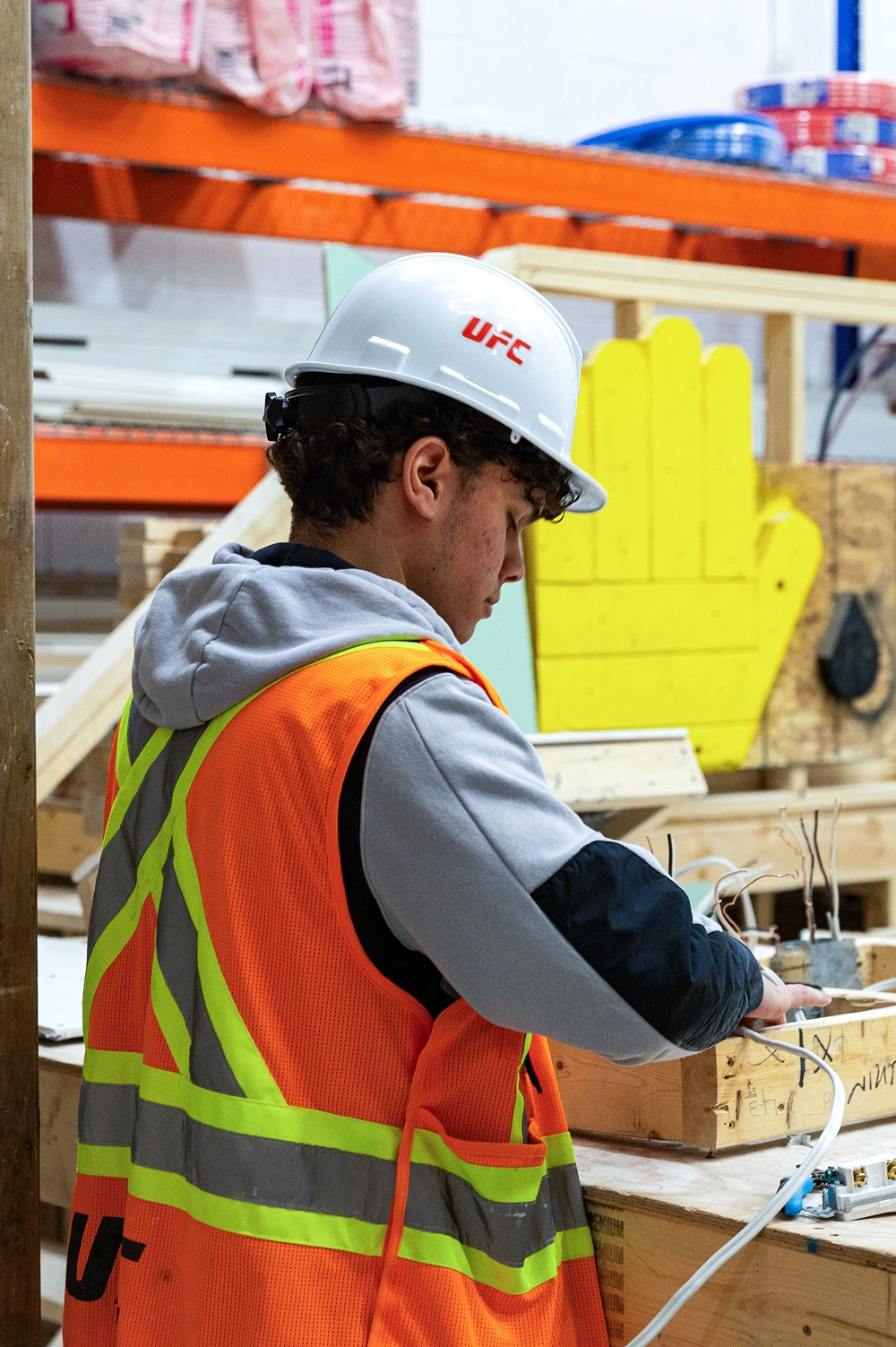
HVAC technicians work in various settings, from comfortable indoor spaces to outdoor job sites exposed to the elements. You might work in homes, office buildings, factories, or even outdoors on rooftops. The environment can change daily, keeping the work interesting but also requiring flexibility.
Safety is a key concern, so you’ll often wear protective gear and follow strict protocols. The job can involve irregular hours, especially for emergency repairs. Does the idea of hands-on, dynamic work excite you, or do you prefer a more predictable routine?
Credit: www.skilledtradescollege.ca
Educational Requirements
Becoming a heating and air conditioning technician requires specific education. This education builds the foundation for skills in installation, repair, and maintenance of HVAC systems. Understanding the educational path helps prepare for a successful career.
High School Courses To Focus On
High school classes play a key role in starting HVAC training. Focus on subjects like:
- Mathematics – for measurements and calculations
- Physics – to understand heat and air flow
- Electrical Basics – essential for wiring and circuits
- Computer Science – useful for modern HVAC controls
- Shop or Technical Education – hands-on experience
These courses build critical thinking and technical skills.
Technical Schools And Programs
Technical schools offer specialized HVAC programs. These programs usually last from six months to two years. They provide both classroom theory and practical training. Topics include:
- System installation and repair
- Refrigeration principles
- Electrical components
- Safety standards
Completing a program increases job readiness and certification chances.
Online Learning Options
Online HVAC courses offer flexibility for many learners. They cover theory, system design, and troubleshooting. Some programs combine online lessons with local hands-on labs. Benefits include:
- Learning at your own pace
- Access from anywhere
- Cost-effective education
Choose accredited programs to ensure quality training and certification eligibility.
Certification And Licensing
Certification and licensing are essential for heating and air conditioning technicians. They prove your skills and allow you to work legally. These credentials help build trust with employers and customers. Without proper certification, working in this field can be difficult.
Important Certifications
Several certifications boost your career as an HVAC technician. The EPA Section 608 Certification is required to handle refrigerants safely. It has three types: Type I, Type II, and Type III, depending on the equipment you work with.
Other valuable certifications include:
- North American Technician Excellence (NATE)
- HVAC Excellence Certification
- Refrigeration Service Engineers Society (RSES) Certification
These certificates show your knowledge and improve job prospects.
State Licensing Requirements
States have different rules for HVAC licensing. Some require a license to work legally, while others only need certification. Licensing often includes passing an exam and proving work experience.
Check your state’s requirements before starting your career. Some states require continuing education to keep the license active.
Preparation Tips
Study the materials related to your certifications and licenses. Use official guides and practice tests. Hands-on training helps you understand real-world tasks better.
Join a trade school or apprenticeship program. Gain experience under a licensed technician. This experience is often required for licensing exams.
Time management is key. Prepare well in advance and schedule your exams accordingly.
Hands-on Training
Hands-on training plays a crucial role in becoming a heating and air conditioning technician. Practical experience helps you understand real-world systems and tools. It builds confidence and sharpens problem-solving skills essential for this trade. Learning by doing allows you to apply theories learned in the classroom directly to actual equipment.
Apprenticeship Programs
Apprenticeship programs combine classroom learning with paid practical work. You train under experienced technicians who guide you step-by-step. These programs typically last 3 to 5 years. You gain exposure to installation, maintenance, and repair tasks. Apprenticeships help build a strong foundation in HVAC systems and safety procedures.
On-the-job Training
On-the-job training offers valuable experience in real work settings. You work alongside skilled technicians and learn daily operations. This training helps you understand customer service and time management. You get familiar with diagnostic tools and equipment handling. Employers often provide this training to develop your skills further.
Internships And Workshops
Internships provide short-term hands-on experience in the HVAC field. They allow you to practice skills and observe professionals at work. Workshops focus on specific topics like refrigerant handling or electrical systems. Both help you stay updated with industry standards and new technologies. These opportunities boost your resume and job readiness.
Tools And Equipment
Becoming a heating and air conditioning technician requires the right tools. These tools ensure efficiency and safety. Each piece of equipment serves a specific purpose. Let’s explore the essential tools and gear needed for this trade.
Basic Tools Every Technician Needs
Every technician starts with basic tools. These are vital for everyday tasks.
- Screwdrivers: Both flathead and Phillips types.
- Wrenches: Adjustable, pipe, and Allen wrenches.
- Pliers: Needle-nose and channel-lock pliers.
- Multimeter: For electrical measurements.
- Tape measure: For accurate measurements.
Advanced Diagnostic Equipment
Advanced tools are crucial for complex problems. They provide precise diagnostics.
- Refrigerant gauges: Measure pressure in systems.
- Leak detectors: Identify refrigerant leaks.
- Thermometers: Check temperature variations.
- Combustion analyzers: Analyze burner efficiency.
Safety Gear Essentials
Safety is a top priority. Proper gear protects technicians.
- Gloves: Protect hands from sharp objects.
- Safety glasses: Shield eyes from debris.
- Hard hats: Protect head from impacts.
- Steel-toed boots: Prevent foot injuries.
- Earplugs: Protect ears in noisy environments.
Job Search Strategies
Finding the right job as a heating and air conditioning technician requires more than just technical skills. You need smart strategies to stand out in a competitive market. Focus on presenting yourself well, making valuable connections, and being ready for every interview opportunity.
Building A Strong Resume
Your resume is your first impression. Highlight your certifications, hands-on experience, and any specialized training clearly. Use bullet points to list specific skills like troubleshooting HVAC systems, refrigerant handling, or electrical wiring.
Quantify your achievements whenever possible. For example, mention if you reduced repair times or improved system efficiency in previous roles. Keep the design clean and easy to read—avoid clutter and long paragraphs.
Networking Tips
Who you know can be just as important as what you know. Attend industry events, trade shows, and local HVAC association meetings to meet professionals. Don’t underestimate the power of online platforms like LinkedIn to connect with potential employers and peers.
Reach out to former classmates, instructors, or technicians you’ve worked with for advice or job leads. Sometimes a casual conversation can open doors you didn’t expect. Are you actively engaging in communities where HVAC professionals gather?
Interview Preparation
Interviews can be nerve-wracking, but preparation gives you confidence. Research the company’s services and values so you can tailor your answers. Practice explaining your technical experience in simple terms, showing how you solve problems on the job.
Prepare questions to ask the interviewer about training opportunities or work environment. Showing curiosity signals your commitment to growth. Remember, interviews are a two-way street—you’re also deciding if the company fits your career goals.
Career Growth And Specializations
Career growth in heating and air conditioning offers many paths. Technicians can expand skills, gain certifications, and focus on specific areas. This makes work more interesting and opens doors to better jobs and pay. Specializing helps technicians become experts in certain systems or services.
Advanced Certifications
Getting advanced certifications improves knowledge and job prospects. Certifications show employers your skills meet industry standards. Examples include EPA Section 608 for handling refrigerants and NATE certification for technical expertise. These certificates boost your resume and help you earn more. They also allow you to work on complex systems safely and legally.
Specializing In Heating Or Cooling
Technicians can choose to specialize in heating or cooling systems. Focusing on heating means working with furnaces, boilers, and heat pumps. Cooling specialists handle air conditioners and refrigeration units. Specialization creates deeper knowledge and better job offers. It helps technicians solve problems faster and provide better service.
Opportunities In Maintenance And Repair
Maintenance and repair are important parts of the HVAC field. Technicians can work on routine checks to keep systems running well. Repair work involves fixing broken or faulty equipment quickly. Both areas offer steady work and chances to learn new skills. Many companies need reliable technicians for ongoing service and emergency repairs.
Credit: www.furnaceprices.ca
Industry Trends
Growing demand for energy-efficient systems boosts job opportunities for heating and air conditioning technicians. Learning new technologies and certifications helps stay competitive in this evolving field.
The world of heating, ventilation, and air conditioning (HVAC) is rapidly evolving, driven by exciting industry trends. As a heating and air conditioning technician, staying informed about these changes is crucial for career advancement. Understanding these trends not only enhances your skillset but also positions you as a forward-thinking professional in an ever-changing industry.Energy-efficient Technologies
Energy-efficient technologies are transforming the HVAC landscape. From high-efficiency furnaces to advanced heat pumps, these innovations help reduce energy consumption and lower utility bills for customers. As a technician, mastering these technologies can make you a valuable asset to employers and clients alike. Start by learning about the latest energy-efficient HVAC systems and their components. Consider attending workshops or webinars to deepen your understanding. Remember, clients appreciate technicians who can offer solutions that save money and support environmental goals.Smart Hvac Systems
Smart technology is revolutionizing HVAC systems, making them more intuitive and user-friendly. Smart thermostats, for example, allow homeowners to control their climate remotely via smartphone apps. As a technician, familiarity with these systems can significantly enhance your service offerings. Engage with smart HVAC systems by experimenting with different brands and models. Stay updated on software updates and connectivity features. Can you imagine the satisfaction of solving a tech-savvy client’s HVAC issue by integrating their system with their smart home devices?Sustainability Practices
Sustainability is no longer just a buzzword; it’s a necessity. HVAC technicians who incorporate sustainable practices into their work are highly sought after. This includes understanding refrigerant management and promoting systems that use eco-friendly materials. Adopt sustainability by prioritizing eco-friendly refrigerants and recycling old parts. Educate clients about the environmental impact of their choices. Do you see the potential in being the technician known for sustainable solutions, helping customers make greener decisions? By embracing these industry trends, you position yourself for a dynamic career in HVAC. Stay curious, keep learning, and always be ready to adapt. Your future in HVAC is as bright as the innovations on the horizon.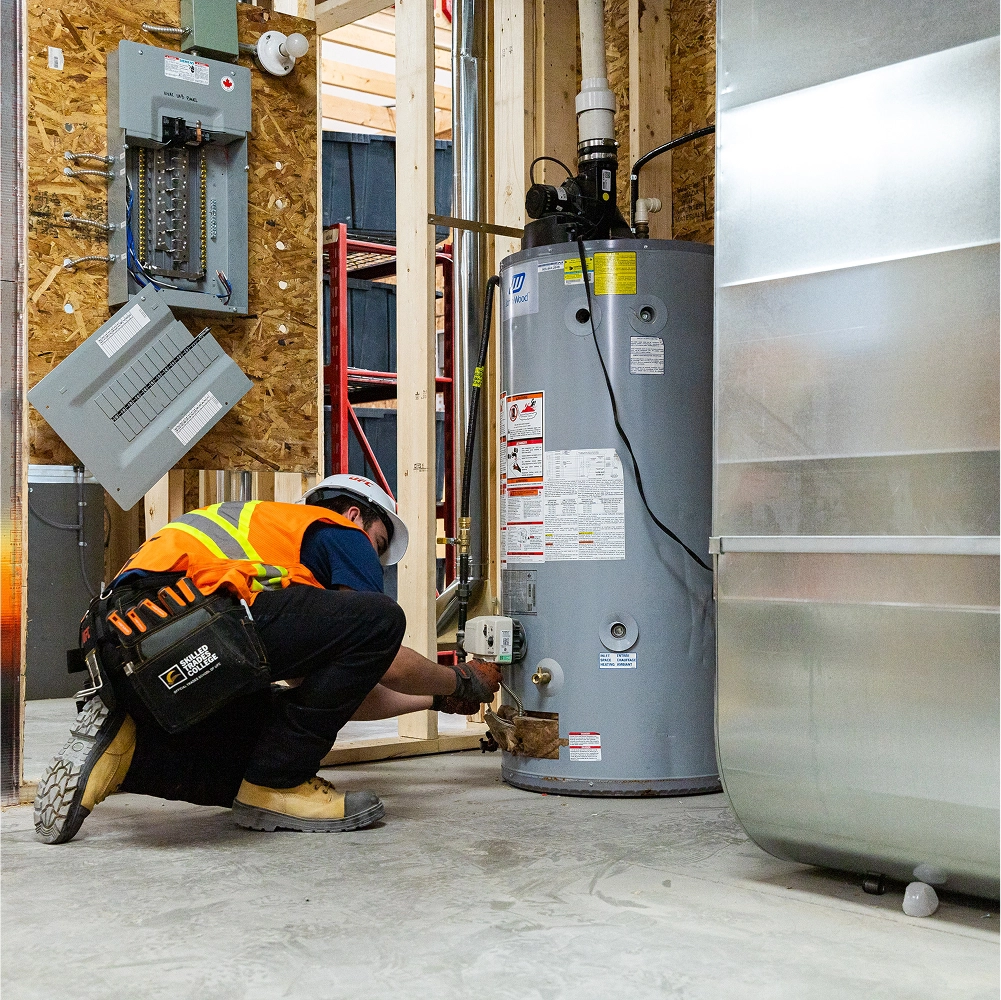
Credit: www.skilledtradescollege.ca
Frequently Asked Questions
What Education Is Needed To Become An Hvac Technician?
A high school diploma or GED is required. Vocational training or an associate degree in HVAC technology is highly recommended. These programs teach essential skills like system installation, maintenance, and repair.
How Long Does Hvac Technician Training Take?
Training typically takes 6 months to 2 years depending on the program type. Apprenticeships may last longer but provide hands-on experience. Certification can be earned after completing training.
What Certifications Are Required For Hvac Technicians?
EPA Section 608 certification is mandatory for handling refrigerants. Additional certifications from HVAC Excellence or NATE improve job prospects. Licensing requirements vary by state and should be checked locally.
What Skills Are Important For Hvac Technicians?
Technical skills, problem-solving, and mechanical aptitude are crucial. Good communication and customer service skills help interact with clients. Physical stamina is needed for hands-on tasks and working in various environments.
Conclusion
Becoming a heating and air conditioning technician takes time and effort. Start with basic training and get hands-on experience. Earning certification helps you stand out to employers. Stay curious and keep learning about new systems. This job offers steady work and good pay.
You can help people stay comfortable all year. Take one step at a time. Your career can grow with the right skills and attitude.



