
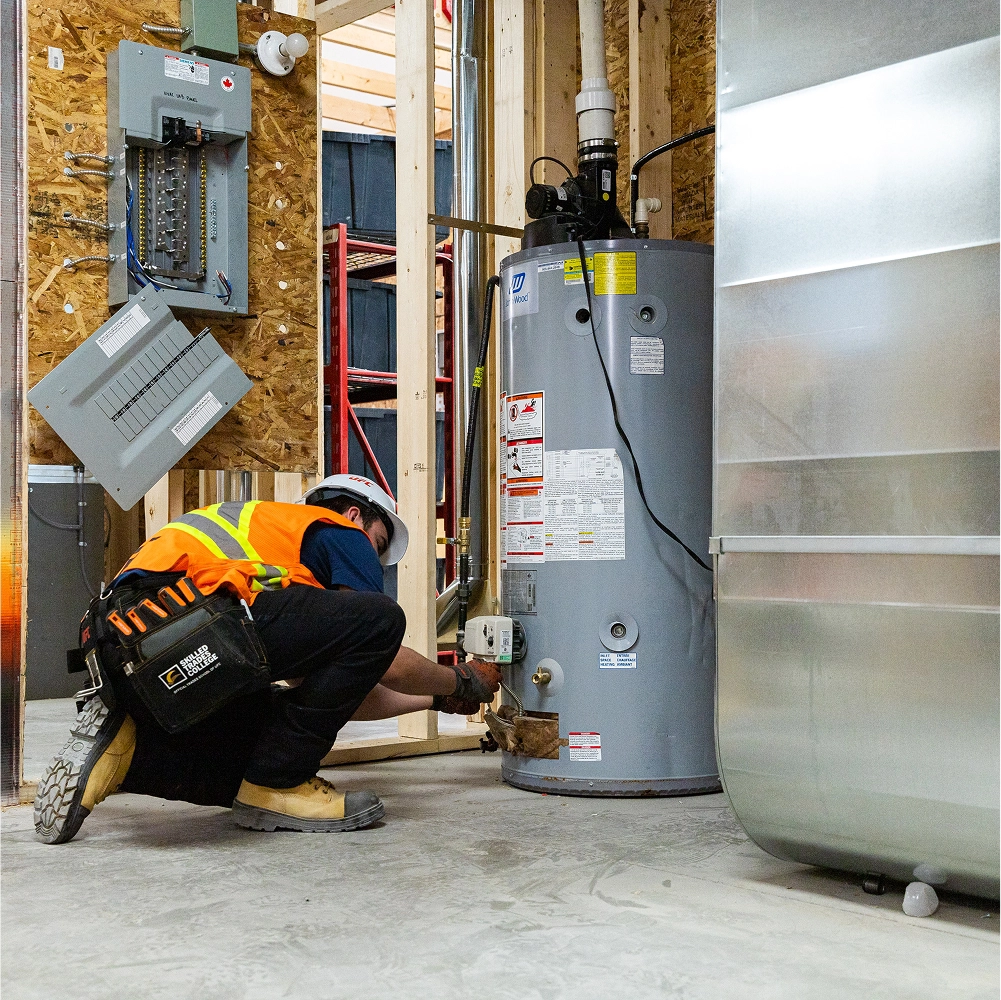
Are you thinking about starting an HVAC course but wondering how long it will take? Knowing the length of the course can help you plan your schedule, budget, and career goals better.
Whether you want to become a certified technician quickly or dive deeper into advanced skills, understanding the time commitment is key. You’ll discover exactly how long an HVAC course typically lasts and what factors can affect its duration. Keep reading to find out what fits best with your goals and lifestyle.
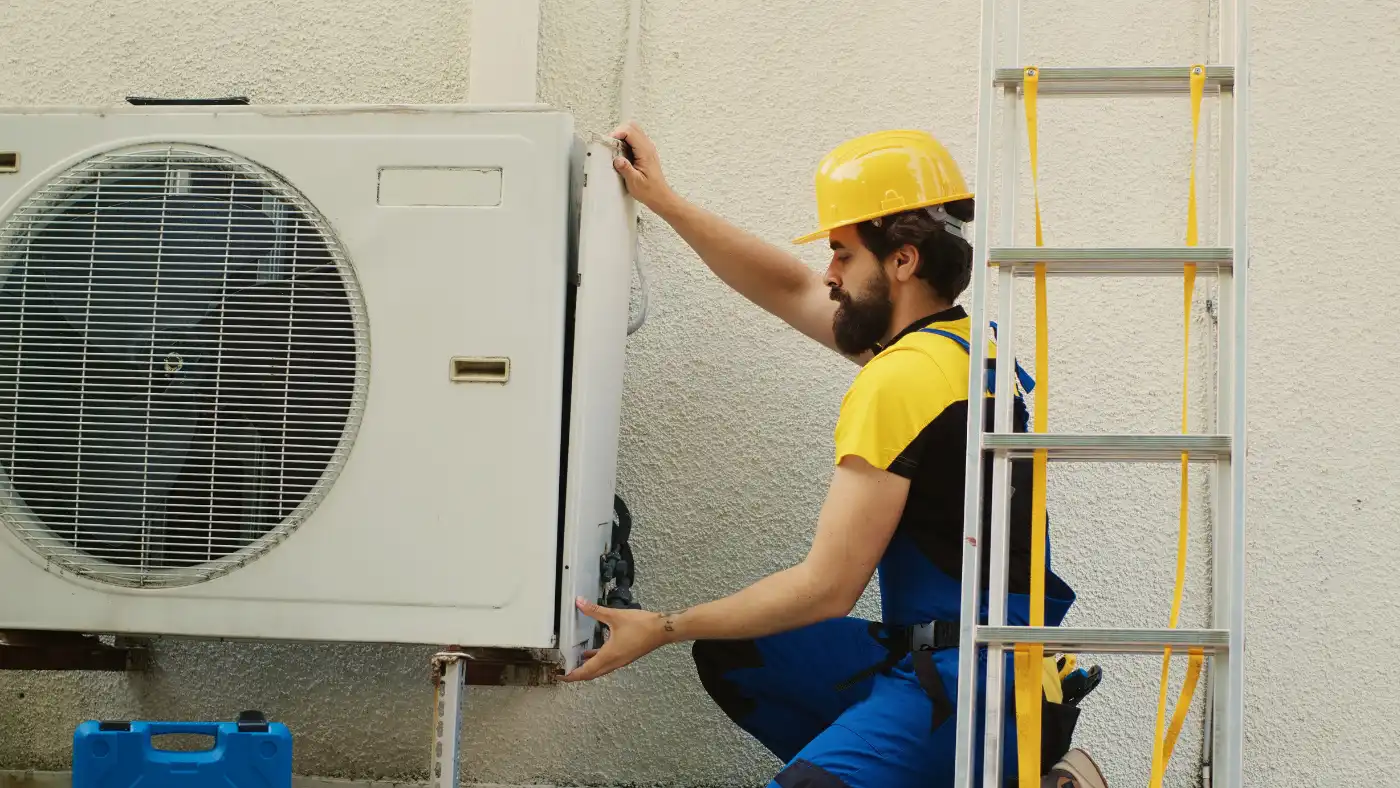
Credit: www.housecallpro.com
Course Lengths
Course lengths for HVAC programs vary widely based on the type of training chosen. Each option suits different career goals and time commitments. Understanding these durations helps plan your education path clearly.
Some courses are designed for quick skill building. Others offer in-depth knowledge over several years. Here is a breakdown of typical HVAC course lengths.
Short-term Hvac Programs
Short-term HVAC programs often last from a few weeks up to three months. These focus on basic skills and entry-level knowledge. They work well for those needing fast training or a refresher.
Certificate Courses
Certificate courses usually take about six months to one year. They provide focused technical education and hands-on training. Certificates help students prepare for certification exams and entry jobs.
Associate Degree Duration
Associate degrees in HVAC typically require two years of study. These programs cover theory, practical skills, and general education. An associate degree opens doors to higher-paying positions and advanced roles.
Bachelor Degree Options
Bachelor degrees in HVAC or related fields take about four years. They include management, design, and engineering topics. This path suits those aiming for leadership or specialized careers in HVAC.
Factors Affecting Duration
The length of an HVAC course can vary widely depending on several key factors. Understanding these can help you choose the right path that fits your schedule, learning style, and career goals. Let’s break down how your study format, course delivery, and specialization choices can affect the time you spend training.
Full-time Vs Part-time Study
Full-time HVAC courses typically last between 6 months to a year. You’ll be attending classes and labs almost daily, which speeds up your learning and skill-building.
Part-time study stretches the program over a longer period, often 1 to 2 years. This option suits those balancing work or family because you study fewer hours weekly.
Ask yourself: Can you dedicate several hours a day, or do you need a more flexible pace? Your answer will influence how quickly you finish the course.
Online Vs On-campus Courses
Online HVAC courses offer flexibility, allowing you to learn at your own pace. Some students finish faster this way by focusing intensely during free time.
On-campus programs usually have fixed schedules with hands-on training, which can take longer but offers direct experience with equipment.
Consider how you learn best. Do you thrive with face-to-face instruction and real-time feedback, or do you prefer managing your own study rhythm?
Specialization Impact
The type of HVAC specialization you choose also affects course length. Basic certifications can take just a few months.
More advanced areas like refrigeration, commercial HVAC systems, or energy management require additional coursework and can extend your training to over a year.
Think about your career goals. Are you looking for a quick entry into the field or aiming for a niche skill that demands more time upfront?
Key Benefits Of Hvac Training
HVAC training offers many advantages for those interested in heating, ventilation, and air conditioning careers. It helps learners gain practical skills and improves job prospects. The training also provides certifications that can boost credibility in the industry.
Skill Development
HVAC courses teach essential technical skills. Students learn to install, repair, and maintain HVAC systems. Training also covers safety rules and energy efficiency. These skills prepare learners for real work environments.
Job Market Opportunities
Completing HVAC training opens many job doors. Skilled technicians are in demand in homes and businesses. The field offers steady work and good pay. Training helps candidates stand out to employers.
Certification Advantages
Certifications prove a technician’s knowledge and skills. Many employers require licensed HVAC professionals. Certifications increase trust with customers and employers. They can lead to higher wages and better positions.

Credit: technologiesera.com
Choosing The Right Hvac Course
Choosing the right HVAC course is crucial for a successful career. The course you select shapes your skills and job opportunities. Many options exist, each with different focuses and lengths. Consider several important factors before enrolling. These factors ensure the course fits your needs and goals.
Accreditation Importance
Accreditation shows a course meets quality standards. Accredited programs follow industry guidelines and teach relevant skills. Employers prefer graduates from accredited schools. It also affects eligibility for certifications and licenses. Check if the school is recognized by official HVAC or technical education bodies. This adds value to your training and future job prospects.
Cost And Financial Aid
Course prices vary widely between schools and locations. Compare tuition fees and additional costs like books and tools. Some programs offer financial aid, scholarships, or payment plans. These options can make training affordable. Avoid choosing a course solely based on low price. Balance cost with quality and accreditation for the best investment.
Career Goals Alignment
Match the course content to your career plans. Some programs focus on residential HVAC systems. Others emphasize commercial or industrial fields. Consider courses that offer hands-on training or internships. These experiences prepare you for real work environments. Choose a course that teaches skills relevant to your desired job role. This alignment speeds up your career growth and success.
Career Paths After Hvac Training
Embarking on an HVAC training course can open the door to a variety of fulfilling career paths. Whether you’re drawn to hands-on technical work or the intricacies of system design, the HVAC field offers diverse opportunities to apply your skills and grow your career. Let’s explore the different career paths you can pursue after completing your HVAC training.
Technician Roles
As an HVAC technician, you play a crucial role in ensuring comfort and safety in homes and businesses. Working directly with heating, ventilation, and air conditioning systems, you will diagnose issues, perform installations, and conduct regular check-ups. Technicians are often the first responders to system malfunctions, making this role both dynamic and essential.
System Design And Installation
If you have an eye for detail and enjoy planning, system design and installation might be your calling. Here, you’ll create blueprints for efficient HVAC systems tailored to specific building needs. You’ll collaborate with engineers and builders to bring these plans to life, ensuring that new systems meet both client expectations and regulatory standards.
Maintenance And Repair
In maintenance and repair, you’ll focus on keeping HVAC systems running smoothly over time. Regular maintenance checks prevent costly breakdowns and prolong system life, making your work vital to clients. Quick problem-solving skills and a knack for troubleshooting are key traits for success in this area.
Advanced Career Options
For those seeking advanced opportunities, consider roles in project management or HVAC consulting. These positions often require additional certifications but offer the chance to lead large projects or provide expert advice to businesses. As you gain experience, you might also explore teaching, sharing your expertise with the next generation of HVAC professionals.
What career path aligns with your skills and interests? The HVAC industry is broad and growing, offering numerous paths to success. Consider where you see yourself thriving and take the leap into a rewarding career.
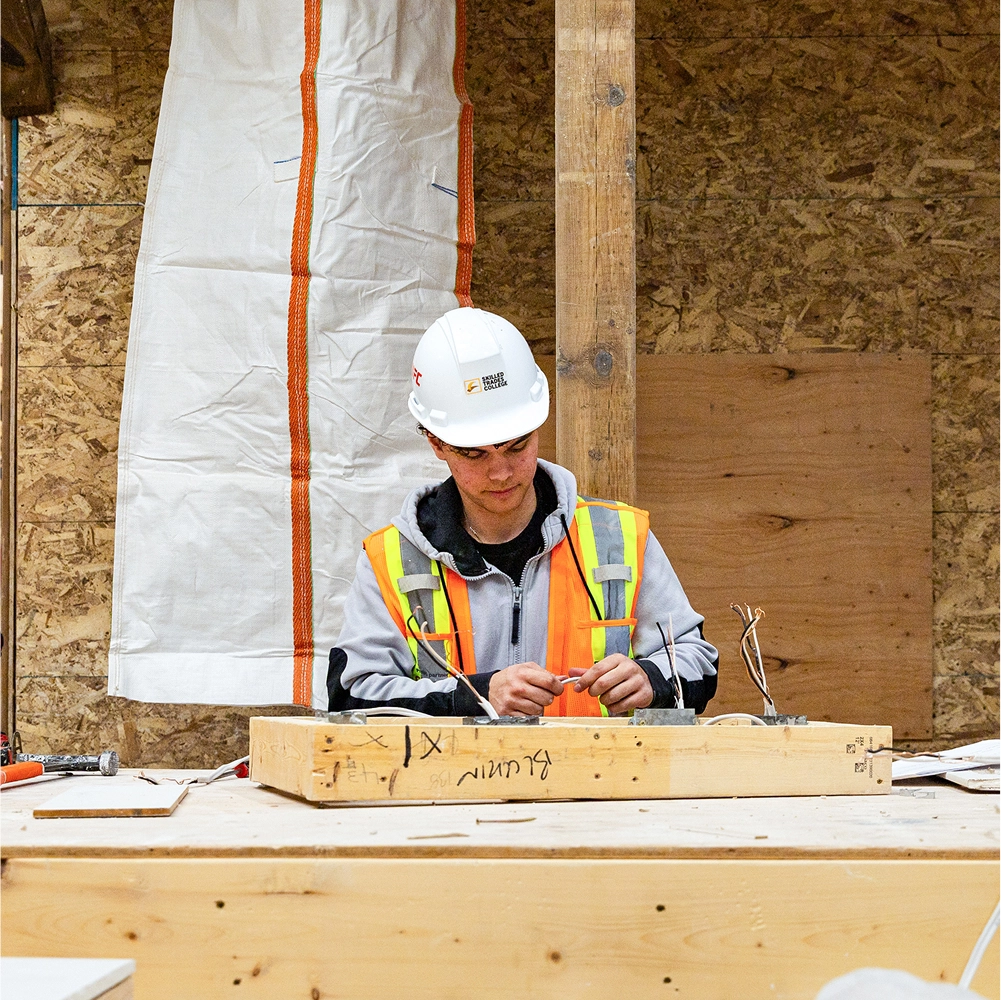
Credit: www.skilledtradescollege.ca
Frequently Asked Questions
How Long Does An Hvac Course Typically Take?
An HVAC course usually takes 6 months to 2 years. Duration depends on the program level and study format. Certificate programs are shorter, while associate degrees take longer. Online courses may offer flexible pacing to suit different learning needs.
What Factors Influence Hvac Course Length?
Course length varies based on program type, full-time or part-time study, and curriculum depth. Hands-on training and internships can extend duration. Some courses include extra certifications, affecting total time needed for completion.
Can Hvac Courses Be Completed Online Quickly?
Yes, many HVAC courses offer online options with accelerated pacing. Online learning allows flexibility and faster completion. However, practical skills still require in-person labs or fieldwork, which might affect total duration.
Is Certification Included In Hvac Course Duration?
Most HVAC courses include preparation for industry certification exams. Certification typically requires additional study and passing exams. This process can add weeks or months beyond the core course length.
Conclusion
An HVAC course usually takes a few months to complete. Some programs last six months, while others take up to a year. This depends on the course type and the school. Shorter courses focus on basics, while longer ones cover more details.
Choose a course that fits your schedule and goals. With the right training, you can start a career in HVAC quickly. Learning HVAC skills opens many job opportunities. Start today, and take the first step toward a new career.



